
Why You Shouldn’t Wait Until October for Your Flu Shot

It was a cold morning, and I was rushing out the door when I realized—I’d forgotten to schedule my flu shot again. Every year, I fall into the same trap: I tell myself, “There’s still plenty of time,” and I push it off until October rolls around. But here’s the lightbulb moment I had this season: waiting until then might be a gamble with my health that I’m not willing to take anymore.
Let’s Talk About Timing and Its Hidden Risks
Most people don’t realize that the flu season can hit earlier than expected, sometimes as early as October. By procrastinating, you’re risking exposure during the peak because your immunity hasn’t had enough time to build, or worse, your shot might not be as effective if it’s administered too close to the surge. I learned this the hard way early on—missed opportunities to get vaccinated early left me vulnerable, even when I thought I had all the time in the world.
A Common Mistake That Can Cost You
My early mistake was assuming that delaying vaccination wouldn’t matter. But science shows that getting your flu shot well before flu season hits maximizes your protection. The CDC recommends getting vaccinated by October to ensure optimal immunity. Yet, many ignore this guidance, believing there’s no rush. If you’re like me—busy, distracted, or just dismissive—it’s easy to neglect this simple but crucial step.
Did you know that some studies suggest peak effectiveness from the vaccine occurs about two weeks after immunization? Waiting until October may leave a window of vulnerability during those critical early weeks. So, my advice? Don’t wait. Schedule your vaccination as early as possible to stay one step ahead of the flu—and safeguard your health.
Need help? Check out our contact page for scheduling or explore how wellness checks can complement your vaccination plan. Plus, understanding the importance of timing can be a game-changer, especially with the latest insights on flu prevention.
Now, let’s dive into how you can make sure you’re not caught off guard this season and why proactive steps are your best strategy.
Schedule Your Vaccination Early and Secure Your Protection
To avoid missing the critical window of flu season, set a fixed date now—preferably before October. Use online appointment systems or telehealth platforms to find available slots, reducing the hassle of waiting in lines or last-minute booking. I remember once booking my flu shot through a virtual clinic on a weekend, which took less than 10 minutes and eliminated the usual pre-vaccination anxiety.
Boost Immunity with Proper Lab Tests
Before getting vaccinated, consider comprehensive lab testing to identify underlying health issues that might affect vaccine efficacy. For example, deficiencies like low vitamin D can compromise your immune response. Discover how lab tests enhance your wellness by revealing these hidden risks. Scheduling these tests can be seamless via telehealth, avoiding clinic visits and waiting times.
Use Telehealth to Streamline Preventive Care
Telehealth services allow you to consult specialists quickly, especially if you need personalized vaccination plans or to discuss lab results. During a recent session, I used a virtual visit to adjust my immunization schedule based on recent lab findings, making sure I was optimally protected. For broader insights into virtual care, check how telehealth revolutionizes wellness and how it can save you time and hassle.
Verify Your Immunity Status Without Blood Draws
Some tests now permit immunity verification through virtual questionnaires or at-home kits, removing the need for clinic visits. For instance, you can determine if your immunity is up-to-date for travel or school requirements by using online assessments—saving time and reducing contact in busy clinics.
Implement a Coordinated Immunization and Testing Routine
Create a calendar integrating vaccination dates with periodic lab testing—this proactive approach ensures comprehensive coverage. For example, I scheduled my flu shot and related labs within a two-week window, reinforcing my immune defenses before flu season peaks.
Utilize Resources for Timely Follow-Ups
Keep track of upcoming vaccines or tests with digital reminders. Many telehealth platforms offer integrated scheduling and notifications, preventing accidental delays. Also, regularly consult resources like telehealth innovations to stay informed about new testing options and vaccine recommendations.
Adopt Lifestyle Changes to Maximize Vaccine Effectiveness
Supporting your immune system through nutrition, sleep, and stress management enhances vaccine response. Incorporate fresh fruits, vegetables, and adequate rest into your routine—small steps that yield big benefits. Remember, a healthier lifestyle complements medical strategies, creating a robust defense against illness.
Document and Review Your Progress Regularly
Maintain a health journal or digital log of tests, vaccinations, and any symptoms. This habit helps identify patterns and ensures your wellness plan remains aligned with your needs. For example, reviewing my logs revealed I needed a vitamin D supplement, which improved my response to subsequent vaccines.
By following these concrete steps, you transform preventive health into an active, manageable process—empowering you to stay ahead of seasonal threats and chronic health issues alike.
 While many people believe they understand the basics of preventive health measures, there are subtle but impactful misconceptions that can lead to overlooked risks. One common myth is that all lab tests are equally reliable and comprehensive; however, some standard panels miss critical markers, such as vitamin D or thyroid antibodies, which could be influencing your health without obvious symptoms.
Are Standard Tests Enough to Diagnose Complex Conditions?
This misunderstanding stems from the assumption that routine tests tell the full story. Experts warn that relying solely on conventional panels can cause missed diagnoses, especially in cases of silent deficiencies or early-stage chronic issues. For example, a normal lipid profile doesn’t always mean your heart health is optimal, as emerging research indicates that particle size and inflammatory markers matter more. To gain deeper insight, integrating advanced testing options, like comprehensive metabolic panels and inflammatory markers, can make a real difference.
Another nuanced misconception involves wellness routines—many believe that periodic lab tests or vaccinations alone guarantee health, but neglecting the importance of personalized schedules. Vaccination timing, in particular, is often chosen based on general guidelines rather than individual risk factors. Vaccinating too late or too early may reduce efficacy or leave you vulnerable during peak flu seasons. Being proactive by consulting with specialists through telehealth, which offers tailored advice regardless of your location, enhances both safety and effectiveness. For instance, scheduling your vaccines and lab assessments with virtual consultations can optimize your health plan, as detailed on this resource.
Misunderstandings about telehealth’s capabilities also persist. Many assume virtual visits are limited to minor concerns, but recent advances enable true comprehensive care, including managing chronic conditions, interpreting lab results, and adjusting medication plans. This misconception can cause individuals to delay seeking help. A significant risk here is neglecting the true potential of telehealth to provide personalized, accessible, and continuous care — a paradigm shift explained in this article. Understanding how these platforms can bridge gaps in care ensures you don’t miss out on vital interventions.
In the quest for optimal health, recognizing these hidden nuances is crucial. Misconceptions about the reliability of standard tests, the timing of vaccinations, and the scope of telehealth services often lead to gaps in prevention and early detection. Being informed and proactive—by seeking expert guidance and leveraging technology—helps you avoid common pitfalls and makes your wellness journey more effective. Have you ever fallen into this trap? Let me know in the comments.
Keeping Your Wellness Routine on Track with Proven Tools
Staying consistent in health management requires more than just good intentions; it demands the right tools and methods. Personally, I rely on a combination of advanced wearable technology, digital health platforms, and reliable testing protocols to maintain my wellness over time. One application I swear by is MyHealthApp, which not only tracks my lab results but also provides insights tailored to my health data, integrating seamlessly with telehealth services for virtual consultations.
For example, I use a continuous blood pressure monitor, like the Omron HeartGuide, which offers clinical-grade readings right from my wrist. This device’s accuracy and real-time data help me identify patterns and triggers, allowing me to adjust lifestyle choices proactively. Additionally, pairing this with a digital journal app ensures I maintain a detailed log of my readings, symptoms, and lifestyle factors, forming a comprehensive picture of my health status.
When it comes to lab tests, I prefer labs that offer at-home sample collection kits, such as at-home immunity testing kits. These save time and reduce contact, making regular health monitoring feasible even on busy schedules. Moreover, by scheduling these tests periodically—say every 3 to 6 months—I can detect early signs of deficiencies or emerging issues, like vitamin D shortages, which can undermine my immune resilience.
Why Telehealth Serves as a Game-Changer
Virtual care platforms have revolutionized how I manage long-term health. Through telehealth, I consult specialists for lab result interpretation, vaccine planning, or chronic condition management without the hassle of in-person visits. This approach minimizes disruptions to daily life, allowing me to get expert advice promptly. For instance, I recently used telehealth services to adjust my immunization schedule based on recent lab findings, ensuring continuous protection against preventable diseases.
How do I maintain these tools over time?
The key is setting regular reminders and establishing a routine review system. I use calendar apps integrated with my devices to alert me when to schedule tests, update apps, or consult my healthcare providers. Also, I ensure my devices are calibrated and batteries are charged, so data accuracy remains uncompromised. As the trend in digital health advances, expect more AI-driven analysis tools to assist with early detection, personalized recommendations, and ongoing monitoring—making health maintenance more precise and less burdensome.
One tip I highly recommend is to experiment with smart health devices that can generate detailed summaries of your data. For example, trying out a reliable at-home lab test every few months can reveal hidden risks you might not notice otherwise. As a practical next step, consider ordering a comprehensive metabolic panel kit. This simple act can provide valuable insights and inform your personalized wellness adjustments.
Maintaining health is a dynamic process—embrace technology and data-driven strategies to stay ahead. For more insights on integrating these tools smoothly into your routine, explore wellness check guidance and start making smaller, impactful changes today.
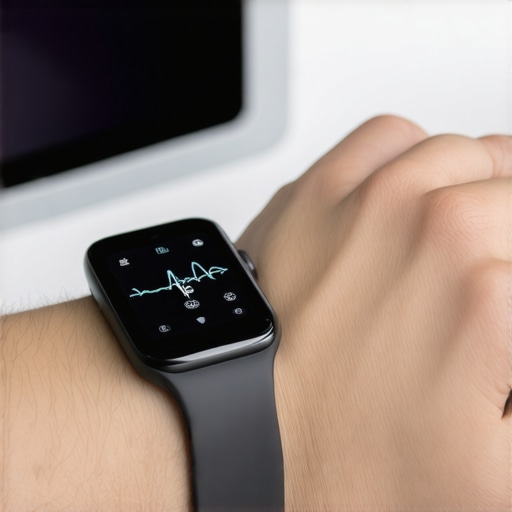
Did you know that consistent use of digital health tools can improve long-term outcomes by up to 30%? Don’t hesitate to incorporate sophisticated devices and apps into your wellness arsenal. Try syncing your blood pressure monitor with your health app and observe how real-time data empowers your decisions—small steps that lead to significant benefits.
What I Wish I Knew Before Relying on Standard Labs
One of the most eye-opening lessons I’ve learned is that not all lab tests provide the full picture. Relying solely on common panels can cause missed diagnoses—like overlooking a vitamin D deficiency that subtly undermines your immune response. Recognizing this has motivated me to seek more comprehensive testing, which I now know is essential for truly personalized wellness plans.
Why Your Vaccination Timing Could Make or Break Your Defense
Initially, I believed that getting my flu shot anytime in fall was sufficient. However, understanding that the vaccine’s effectiveness peaks when administered at the right time—preferably before October—has transformed my approach. Timing isn’t just a detail; it’s a critical factor in ensuring maximum protection during peak flu season, which can strike earlier than expected.
How Telehealth Became My Secret Weapon for Staying Ahead
Using virtual care has been a game changer in managing my health proactively. From interpreting lab results to adjusting immunization schedules, telehealth offers a level of convenience and personalization I hadn’t anticipated. This technology bridges gaps, especially when schedules are tight or clinics are distant, empowering me to make timely decisions without the usual hassle.
My Toolkit for Smarter Wellness Decisions
I’ve curated a set of trusted tools that keep me informed and in control. Devices like at-home lab test kits and wearable monitors for blood pressure or heart rate have become indispensable. I rely on apps like wellness check resources to stay updated on recommended testing intervals and vaccination schedules, ensuring my health is always a step ahead.
Take Action: Your Personalized Wellness Journey Starts Today
The key to lasting health isn’t just doing the right things—it’s doing them at the right times and with the right tools. Begin by evaluating your current routine, schedule that early vaccination, and explore how telehealth can support your goals. Embrace these insights, and you’ll empower yourself to navigate health challenges with confidence and clarity. How will you start transforming your preventive care routine today? Share your plans below—I’d love to hear what steps you’re taking.