
The lab test that shows if your body is actually absorbing expensive supplements

I remember standing in my kitchen three years ago, staring at a row of amber bottles that cost me more than my car payment. I was religiously taking high-dose Vitamin D, a specialized B-complex, and magnesium that promised to turn me into a sleep-ninja. Yet, there I was, still dragging my feet and wondering why my afternoon energy crash refused to budge. It was a visceral moment of frustration. I was doing ‘all the right things’ and yet my body wasn’t getting the memo.
My Expensive Lesson with Supplements and Bright Blue Urine
My biggest mistake was assuming that if I put a pill in my mouth, it automatically ended up in my cells. I spent years falling for the ‘more is better’ trap. I’d see a flashy ad or a wellness influencer and think, ‘Yeah, I need that.’ But the reality was my body was struggling to process what I was giving it. I eventually learned why a targeted blood test is better than guessing with generic multivitamins. It’s not just about what you ingest; it’s about what your gut actually absorbs. Research published in the Journal of the American Medical Association (JAMA) has highlighted that for many individuals, high-dose supplements don’t necessarily equate to better health outcomes, often due to issues with bioavailability or simply because the person wasn’t deficient to begin with.
Are You Just Paying for the Worlds Most Expensive Pee?
It’s a valid fear. If your body isn’t absorbing those nutrients, they are literally just passing through you. I used to think my neon-colored urine was a sign the vitamins were ‘working.’ In reality, it was my kidneys desperately trying to get rid of the excess I couldn’t use. I realized that why your vitamin b12 results might be misleading if you take certain supplements is a conversation we need to have more often. Have you ever felt like you’re taking all the ‘right’ pills but still feeling exactly the same? I’d love to hear your story in the comments.
The One Number That Actually Tells the Truth
We aren’t going to play the guessing game anymore. Today, I’m showing you the specific micronutrient panel that goes beyond a standard blood draw. While a standard lipid panel isn’t enough to see the whole picture, an intracellular nutrient test measures what’s actually inside your white blood cells. This is the gold standard for knowing if your supplement routine is a success or a total wash. If you’ve been struggling with brain fog, you might find that your ferritin levels explain that constant brain fog better than any generic multivitamin ever could. Let’s look at how we can stop the guesswork and start getting real results.
Stop Guessing and Start Testing Your Cells
Think of your blood like a massive highway and your cells as the individual houses in a neighborhood. A standard blood draw tells us how many nutrients are ‘driving’ by, but it says nothing about who actually made it home. This is why you need to move beyond the surface. To really get answers, you should look into why a full metabolic panel is better than a basic blood draw for fatigue. This deeper dive identifies the bottlenecks in your metabolism before they manifest as chronic exhaustion. I remember the first time I saw my results; I was ‘normal’ on every standard metric, but my intracellular magnesium was bottomed out. It was the difference between looking at a map and actually driving the route.
Skip the Waiting Room for Your Results
Once you have those numbers, the last thing you want to do is sit in a germ-filled waiting room for forty minutes just to have a doctor shrug at you. This is where telehealth innovations and how virtual care is changing wellness really shine. You can have a specialist walk you through your markers from your living room. I used this exact method when I was trying to figure out why your magnesium supplement isnt helping you sleep better. Within fifteen minutes, a provider realized I was taking the wrong form for my specific metabolic needs. 
Fix the Foundation Before Adding the Extras
Before you buy another ‘superfood’ powder, check your basic builders. If your Vitamin D levels are in the gutter, your immune system is essentially trying to fight a war with cardboard shields. I learned the hard way that how your vitamin d levels affect your bodys ability to recover from a cold is a non-negotiable part of staying healthy during flu season. When I finally optimized my D3 intake based on actual data rather than a generic bottle recommendation, my recovery time from seasonal bugs dropped from a week to barely forty-eight hours.
Keep Your Shield Up Without the Guesswork
Your internal chemistry also dictates how well you respond to external protection like immunizations. You can actually maximize your health by combining vaccinations and lab testing strategies. By ensuring your body isn’t fighting an internal deficiency fire, it can focus entirely on building the antibodies you need. I once tried to ‘power through’ a stressful month while neglecting my iron, and I felt like a zombie for weeks after a routine shot. Now, I always check my levels first. If you’re struggling to find the right path, the specific magnesium form that stops muscle cramps in days might be a much faster win than any generic multivitamin you find on a supermarket shelf. It’s about being tactical, not just hopeful.We often treat our health like a car that only needs an oil change once a year. But here is a contrarian take: the ‘annual physical’ is often a missed opportunity for true prevention. I see so many people rely on that one yearly visit, thinking they are fully covered. In reality, why wellness checks are your first step to better health is about frequency and precision, not just a once-a-year checklist. If you are only checking your vitals when you are already feeling ‘off,’ you are playing a game of catch-up rather than stay-ahead. One of the biggest ‘oops’ moments I see involves the latest diet trends. People jump into a high-protein or keto lifestyle without a baseline. I have seen cases where why your high-protein diet might be stressing your kidneys becomes a painful reality because they did not check their glomerular filtration rate (GFR) first. A study in the Journal of the American Society of Nephrology suggests that high protein intake can significantly increase intraglomerular pressure, which might accelerate kidney damage in those with pre-existing, and often undiagnosed, conditions. It is a classic example of doing something ‘healthy’ that actually causes harm because you lacked the data. 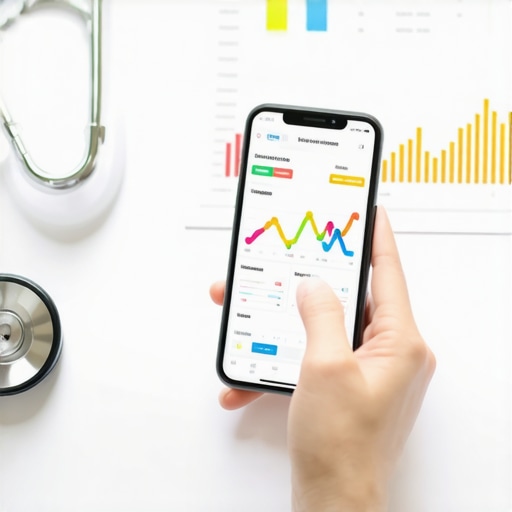
Why does your fasting insulin matter more than your A1c?
Many people celebrate a ‘normal’ A1c and move on. However, A1c is a three-month average; it is a lagging indicator. By the time your A1c is high, you have likely been struggling with insulin resistance for years. This is why I always tell my clients why your fasting insulin matters more than your a1c for metabolic health. It is a leading indicator—the early warning system that tells you the dam is about to break before the flood actually happens. We also need to stop viewing virtual care as just a backup plan for when the local clinic is closed. In fact, exploring the benefits of telehealth in managing chronic wellness reveals that virtual visits often allow for more frequent, data-driven adjustments than traditional in-person models. You can review your role of lab tests in preventive wellness with a specialist who actually has the time to look at the trends, not just the high or low flags on a PDF. Another nuance people miss is the timing of their lab tests in relation to their lifestyle. For instance, the essential lab tests you need for accurate vaccination planning can help you determine if your body is even in a state to mount an effective immune response. If your inflammatory markers are through the roof, your body might not respond to a vaccine as robustly as it should. It is about optimizing the host—you—before adding the stimulus. Finally, do not ignore the basics of immunity while chasing expensive biohacks. Understanding vaccinations myths busted is part of being a sophisticated health consumer. It is not just about what you avoid; it is about strategically building your defense. Have you ever fallen into the trap of guessing which supplement or diet was right for you, only to find out your labs said the exact opposite? Let me know in the comments.Building a personal ‘Health Stack’ changed everything for me. Instead of reacting to a crisis, I started using tools that highlight the quiet changes in my biology. I personally use a combination of a high-end wearable—like an Oura ring or Whoop strap—paired with bi-annual blood panels. You see, what your sleep tracker is actually telling you about your heart health only provides half the story. The other half comes from seeing the specific blood marker that flags silent inflammation before it becomes a problem. By overlaying my daily recovery scores with my HS-CRP and fasting insulin levels, I can see exactly how a stressful week at work is impacting my physical foundation.
How do I maintain this level of precision over time?
The secret is consistency over intensity. I do not run a hundred tests once; I run five critical tests every six months. This creates a roadmap to clearer diagnosis if something ever does go wrong. Research in the Journal of Medical Internet Research (JMIR) indicates that individuals who have direct access to their longitudinal lab data via digital portals are significantly more likely to adhere to preventative health measures because the ‘why’ is right in front of them. It turns abstract data into a personal narrative. 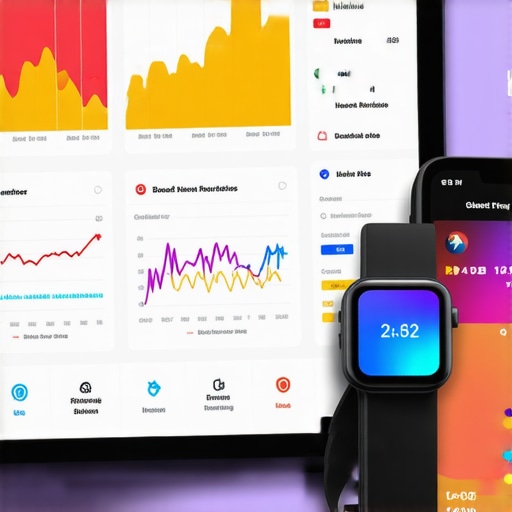 I predict that in the next few years, we will see the rise of AI-augmented lab reviews that completely change the game. We are moving toward a world where your software will compare your current results with your historical baseline to flag ‘normal’ results that are actually trending in the wrong direction for you specifically. This makes why regular lab tests are critical for your wellness journey even more evident—the more data points you have now, the smarter those future tools will be. To manage this without the stress of local clinic schedules, I lean heavily on virtual care. The future of accessible healthcare services is not just about convenience; it is about having a continuous relationship with your data. You can prioritize unlocking the power of telehealth for fast convenient wellness access to discuss a sudden dip in your iron or an unexpected spike in cortisol without waiting six weeks for an opening. My big tip for you is to stop thinking of your doctor as a ‘fixer’ and start thinking of them as a ‘consultant’ for the data you are already collecting. Go into your next virtual visit with three specific trends you have noticed in your own tracking—it changes the entire dynamic of the appointment and puts you in the driver’s seat.
What I Wish I Knew Before Spending Thousands on Biohacks
Reflecting on my journey, the most expensive mistake wasn’t the supplements themselves, but the lack of a baseline. I spent years chasing symptoms without ever realizing that how lab tests can detect hidden health risks early is the only way to stay ahead of chronic issues. I also learned that ‘normal’ is a range, not an ideal. Just because you fall within the lab’s standard window doesn’t mean you are thriving. Finally, I realized that access to experts shouldn’t be a hurdle; revolutionizing wellness through telehealth has made it possible to adjust my protocol in real-time rather than waiting for a crisis.
My Go-To Tools for Tracking Biological Trends
If you want to move from guessing to knowing, you need a reliable toolkit. I personally rely on a few specific resources to keep my health on track. First, I use regular intracellular panels to ensure my cellular health is optimized. Second, I keep my immunity sharp by following expert vaccination tips that align with my current lifestyle and travel needs. I also believe in personalized vaccination schedules that take into account your specific metabolic state. Lastly, don’t overlook your mind; protecting your mental health is just as data-driven as monitoring your heart rate.
#IMAGE_PLACEHOLDER_E#
Take the Reins of Your Biology Today
Your health isn’t a destination you reach and then forget about; it’s a dynamic conversation between your habits and your chemistry. By using precision testing and virtual support, you’re not just surviving; you’re actively designing your future self. The landscape of wellness is changing, and you have more power than ever to influence your own outcomes. Start small, track the data, and watch how much faster you reach your goals. Have you ever felt like you were doing everything ‘right’ but still felt off? Let me know in the comments below.