
Why a targeted blood test is better than guessing with generic multivitamins

I stood in the fluorescent glow of aisle seven, clutching a $45 bottle of “Ultimate Vitality” capsules like they were the Holy Grail. I’d been feeling like a ghost of myself—dragging my feet through the workday and hitting a wall before my kids even finished their homework. I figured a generic multivitamin would patch the holes in my sinking ship. It didn’t. In fact, after three months of religiously swallowing those horse pills, my only result was neon-yellow urine and a thinner wallet. I was playing a high-stakes guessing game with my biology, and I was losing. It wasn’t until I stopped self-prescribing and actually looked at my data that the fog lifted. [IMAGE_PLACEHOLDER]
Stop Drowning in the Supplement Aisle
The truth is, your body doesn’t need a “little bit of everything” thrown at it like a kitchen-sink salad. It needs exactly what it’s missing. When I finally sat down for a full metabolic panel to address my fatigue, I discovered I wasn’t just “aging.” I had a massive gap in my iron stores. Specifically, low ferritin levels were the real culprit behind my brain fog, something no generic multivitamin would have ever fixed. I made a classic mistake early on by loading up on high-dose Zinc because I heard it was “good for immunity.” I didn’t realize that by doing so without checking my baseline, I was actually driving my copper levels into the basement. I was fixing one hypothetical problem and creating a very real new one. This is why targeted lab tests are the cornerstone of wellness. We’re going to stop the guesswork today. I’m going to show you how to move from “supplement hope” to “cellular certainty” so you can finally stop wasting money on things your body might already have enough of.
Is a simple blood test actually worth the hassle?
It’s a fair question. Getting blood drawn isn’t exactly a fun Saturday morning activity. However, consider this: a study published by the Journal of the American Medical Association (JAMA) found that for the average healthy adult, there is little evidence that multivitamins provide significant protection against cardiovascular disease or cancer. You’re essentially paying for a placebo if you don’t know your markers. When you identify the one specific vitamin deficiency mimicking your chronic fatigue, the correction is almost immediate. Have you ever spent a fortune on supplements only to feel exactly the same a month later? I’d love to hear your supplement graveyard stories. I used to think I was being proactive, but I was just being expensive. Modern tools like virtual care innovations make it so you don’t even need to wait in a lobby to start this process. It’s time to trade the guessing for a roadmap tailored specifically to your blood.
Get a clear map of your internal chemistry
It is time to stop treating your body like a mystery box and start treating it like a high-performance engine. You wouldn’t dump random fluids into your car’s engine and hope it runs better, yet that is exactly what we do when we swallow handfuls of vitamins without data. I remember the specific Tuesday I got my first comprehensive report back; I had been trying every ‘gut health’ hack on the internet, but my blood told a different story. I was shocked to see that my ‘healthy’ fruit-heavy morning routine was actually spiking my sugar levels. I had to implement 7 moves to lower my fasting glucose before I saw any real change in my energy. This is why regular lab tests are critical for your wellness journey. They act as the GPS for your health, showing you exactly where you are and the fastest route to where you want to be. Instead of chasing symptoms, you are monitoring 7 markers in your blood work that actually predict longevity. 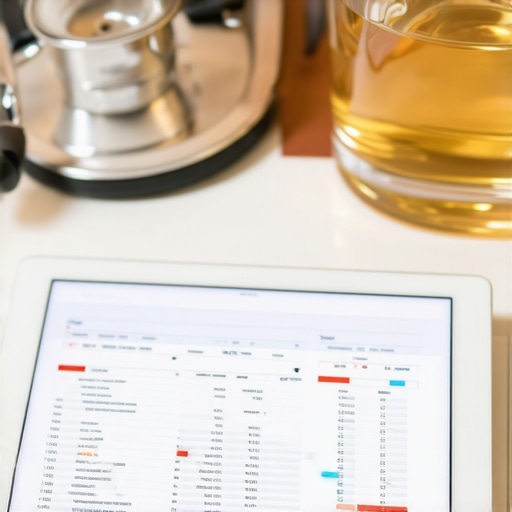
Ditch the waiting room for faster answers
The biggest barrier to getting this data used to be the logistics. Driving across town, sitting in a cold waiting room, and waiting weeks for a follow-up is a relic of the past. Think of modern care like high-speed internet versus dial-up. Unlocking the power of telehealth means you can discuss these results from your kitchen table. When I finally transitioned to virtual care, I realized I could get a specialist’s eyes on my lab work in less time than it takes to grocery shop. You don’t need a medical degree to participate in this process either; learning how to read your own lipid panel empowers you to ask better questions during those virtual visits. It turns a one-sided lecture into a collaborative strategy session.
Stop the expensive ‘shotgun’ approach to supplements
Most people take supplements based on marketing, not necessity. This is how I ended up with three different bottles of sleep aids that did nothing. I was convinced I needed more melatonin, but my labs showed my mineral balance was the actual issue. If you’ve ever wondered why your magnesium supplement isn’t helping you sleep better, it is usually because the dose or form isn’t what your specific biology requires. Furthermore, certain habits can mask the truth. For instance, your vitamin B12 results might be misleading if you’re already supplementing heavily without a washout period. By testing first, you stop buying things you already have enough of and start investing in what you actually lack.
Sync your shots with your blood data
Wellness isn’t just about what you take; it’s about how you protect yourself. A truly personalized plan includes personalized vaccination schedules that account for your unique risk factors and current health status. It is about layering defense. When you combine the defensive shield of vaccinations with the offensive strategy of lab-optimized nutrition, you create a metabolic fortress. This data-first approach ensures that every pill you swallow and every preventative measure you take is backed by the hard evidence of your own cells.
Stop settling for normal when you can be optimal
Most people treat a lab report like a pass/fail exam. If the numbers aren’t flagged in red, they assume everything is fine. However, in my experience, the ‘normal’ range is often just the average of a sick population. If you want to thrive rather than just survive, you need to look at ‘optimal’ ranges. For example, understanding the role of lab tests in preventive wellness requires a shift in mindset: you aren’t looking for disease; you are looking for dysfunction. I spent years with a ‘normal’ TSH level while my hair was thinning and my energy was non-existent. It wasn’t until I looked at the full picture that I realized my body was screaming for help, even if the lab computer didn’t flag it.
The hidden trap in your morning beauty routine
Here is a specific ‘oops’ factor that almost cost me a correct diagnosis. I was religiously taking a high-dose Biotin supplement for my hair. What I didn’t know—and what many practitioners fail to mention—is that Biotin can significantly interfere with lab assays. The American Association for Clinical Chemistry (AACC) has warned that Biotin can cause falsely high or low results in thyroid and heart health tests. This is exactly why your vitamin B12 results might be misleading if you don’t account for your current supplement stack. Always pause your ‘beauty’ vitamins for at least 48 to 72 hours before a draw to ensure the data is actually yours and not just a chemical ghost. Have you ever fallen into this trap? Let me know in the comments.

Why is my TSH ‘normal’ if I still feel like a zombie?
This is the question that separates the beginners from the experts. A standard TSH test is often insufficient because it only measures the signal from your brain, not the actual output of your thyroid gland. To get a real answer, you need a full panel including Free T3, Free T4, and Reverse T3. This level of detail is how lab tests can detect hidden health risks early before they become chronic issues. If your doctor refuses to run the full panel, this is where telehealth innovations come in. You can find specialists online who understand that ‘subclinical’ symptoms deserve clinical attention.
Personalized protection requires real-time data
The same nuance applies to your defense strategy. We often think of vaccinations as a ‘set it and forget it’ childhood milestone, but your immune system is dynamic. By combining vaccinations and lab testing strategies, you can see if you actually have immunity or if your titers have dropped. This data-driven approach allows for personalized vaccination schedules that make sense for your specific lifestyle and travel plans. It’s not about following a generic calendar; it’s about building a metabolic and immunological fortress based on the evidence of your own blood work. If you are ready to stop guessing and start knowing, reach out to a professional who values your data as much as you do.
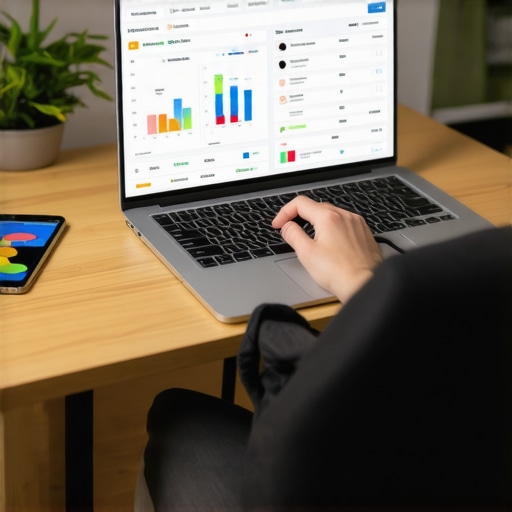
Once you stop falling for the Biotin trap and start getting clean data, the real work begins. It’s not just about that one heroic lab draw; it’s about the infrastructure you build around your health. I used to keep my results in a messy kitchen drawer, but that’s a recipe for stagnation. Now, I treat my biology like a high-growth startup. I use a dedicated digital dashboard to track my trends because a single data point is just a snapshot, but three years of data is a story. By looking at how my numbers shift season to season, I can see exactly the specific markers that prove my exercise routine is actually working or if my stress levels are starting to redline my cortisol.
The software I use to stay ahead of my labs
I don’t wait for my doctor’s office to call me with ‘good news.’ I use patient portals and sync them with a custom tracking spreadsheet to monitor my velocity. The Clinical Laboratory Standards Institute (CLSI) provides the rigorous guidelines for how these reference ranges are established, and knowing that these ranges are often based on a broad population average is exactly why I aim for the top 5% of ‘optimal,’ not just the middle of ‘normal.’ This is where telehealth innovations become your best friend. Instead of a hurried five-minute chat in a clinic, I can pull up my screen, share my tracker with a specialist, and have a high-level strategy session about my longevity. It turns a reactive appointment into a proactive masterclass on my own body.
How do I maintain this peak energy over the long haul?
Maintenance is where most people fail because they treat wellness like a sprint. The secret is the quarterly check-in. I’ve found that regular lab tests are critical for your wellness journey because they catch the ‘drift’ before it becomes a disaster. For instance, I might see my glucose creeping up long before I feel a crash. When that happens, I don’t panic; I just implement 7 moves to lower my fasting glucose and re-test in six weeks. It’s about micro-adjustments, not total life overhauls. This consistent feedback loop is the only way to ensure the 7 markers in your blood work that actually predict longevity stay in the green zone year after year.
Why the future of health is in your pocket
I predict that within the next five years, we will move away from ‘annual’ checkups entirely. We are heading toward a world of continuous molecular monitoring where your wearable tech will alert your virtual care team the moment your inflammation markers spike. We are already seeing this with unlocking the power of telehealth for immediate intervention. Your defense strategy should be just as agile. Instead of a generic plan, I rely on personalized vaccination schedules that are adjusted based on my actual immune titers and upcoming travel. It is the ultimate flex to know exactly what your body needs and when it needs it, without the guesswork. If you’re tired of the ‘wait and see’ approach, it is time to contact a professional who can help you build your own data-driven roadmap. Start by asking for a full metabolic panel today—it is the single best investment you will ever make in your future self.
The Hard Truth About My Failed Vitamin Routine
I learned the hard way that a generic multivitamin is often just an expensive distraction. My biggest breakthrough came when I realized that a full metabolic panel is better than a basic blood draw because it looks for the root cause of your exhaustion rather than just scratching the surface. I also discovered that my daily beauty supplements were a double-edged sword; vitamin B12 results might be misleading if you don’t account for how biotin and other additives interfere with the testing assays. Finally, the real game-changer was monitoring the 7 markers in your blood work that actually predict longevity, shifting my focus from just surviving the day to optimizing my long-term health.
The Toolkit for Cellular Certainty
Building a data-driven lifestyle requires the right resources to turn numbers into action. Here are the three tools I rely on to maintain my edge:
- Patient Portals and Virtual Care: I use telehealth innovations to ensure that a specialist reviews my labs within days, not months. This accessibility removes the friction from my health routine.
- Dynamic Defense Strategies: I don’t follow a one-size-fits-all approach to immunity. Instead, I use personalized vaccination schedules that are updated based on my actual immune status and current lifestyle risks.
- Consistent Feedback Loops: Because our bodies change seasonally, I’ve found that regular lab tests are critical for your wellness journey to catch nutritional deficiencies before they manifest as chronic fatigue.
Stop Guessing and Start Growing
Your biology is unique, and your health plan should be too. By leveraging lab tests to detect hidden health risks, you can stop wasting money on the wrong supplements and start investing in your cellular future. This data-first approach to wellness provides a level of confidence that no marketing label can match. If you are ready to see the truth behind your fatigue or brain fog, it is time to contact a professional who can map out your internal chemistry. Have you ever discovered a lab result that completely changed the way you take supplements? Let me know in the comments below!