
The One Lab Marker That Predicts Inflammation Better Than CRP

It hit me one morning—a strange, nagging sensation in my joints that I couldn’t shake, even after taking my usual anti-inflammatory supplements. Testing my CRP levels, I expected a clear answer, but the results came back normal. How could that be? I realized I’d been relying solely on the common inflammation marker without exploring what else might be lurking under the surface.
Why Most of Us Miss the Hidden Signs of Inflammation
For years, conventional labs have focused on C-reactive protein (CRP) because it’s easy to measure and widely accepted. But here’s the truth: CRP isn’t always the best predictor of underlying inflammation, especially in the early stages or in subtle chronic cases. That’s when I stumbled upon a lesser-known lab marker, which might just change the way we monitor our health—myeloperoxidase (MPO).
Is the hype about MPO justified, or just another fad?
Early in my journey, I made the mistake of dismissing new markers like MPO as hype. Trust me, I’ve been there. But after digging into research—like a recent study showing MPO’s strong correlation with cardiovascular risk—my skepticism shifted. MPO can pick up inflammation that CRP misses, giving a clearer picture of your actual health status.
Are you tired of waiting for results that don’t tell the full story? Do you wonder if there’s a better way to catch inflammation before it causes lasting damage? If so, you’re not alone. Many people rely on standard tests when more insightful options are available. I’ve found that incorporating MPO testing into my routine helped me catch early signs of inflammation—long before I experienced symptoms—and took proactive steps to improve my wellness.
In the sections ahead, I’ll share how this marker works, why it’s more reliable in certain cases, and how you can access this powerful test—sometimes without even leaving your house. Want to understand more about how lab tests can unveil hidden health risks? Check out how telehealth makes testing easier than ever.
Let’s dive into the details so you can make smarter, more informed decisions about your health—starting today.
Schedule Accurate Lab Tests from Home
My first step was to bypass the traditional clinic visit by exploring telehealth options that offer comprehensive lab testing. I booked an appointment through a platform like Vitalhealth, which guided me on ordering the specific tests I needed, such as MPO, to detect inflammation that CRP might miss. Think of telehealth as your health’s remote control: you can activate diagnostics without the hassle of in-person visits. During my appointment, I chose the tests recommended for early detection of inflammation, ensuring I covered all critical markers.
Request Targeted Blood Panel Analysis
After setting up my telehealth consultation, I received a personalized list of lab tests, including MPO and other inflammation markers. I ordered these tests directly online, which is much faster and more private than traditional methods. When the samples were collected—either at a local lab or through at-home collection kits—I made sure to follow pre-test instructions precisely, such as fasting if required. This process is akin to preparing your ingredients before cooking; accuracy ensures the final dish (or results) is reliable.
Know Your Markers and What They Reveal
Understanding what each test measures is vital. For instance, MPO indicates ongoing inflammation, especially in vascular risk, while CRP can sometimes be silent in early stages. Pinpointing these markers helped me assess my hidden risk factors; it’s like using a metal detector to find buried treasure beneath the surface. This knowledge empowers you to take proactive steps rather than waiting for symptoms to appear.
Utilize Telehealth for Results Interpretation
Once my results arrived digitally, I used the telehealth platform to have a healthcare provider interpret them. They explained what elevated MPO levels could mean and outlined specific lifestyle changes or treatments. This virtual consultation replaces a traditional doctor’s visit, saving time and reducing stress. Think of this process as having your diagnostic assistant right in your pocket, guiding you through the health maze.
Implement Lifestyle Changes Based on Findings
Based on the results, I adopted targeted strategies—improving gut health through dietary adjustments or incorporating anti-inflammatory foods. I also scheduled a follow-up test to monitor progress, showcasing a continuous loop of assessment and action. This approach transforms health management from reactive to proactive, much like regularly tuning a musical instrument to ensure optimal performance.
Stay Updated with Future Testing Strategies
To keep inflammation in check, I integrated regular lab testing into my wellness routine, guided by insights from keeping up with lab tests. Telehealth made this routine seamless —no more waiting rooms, just quick virtual check-ins and easily scheduled tests. This setup ensures that early signs don’t slip through unnoticed, similar to checking the weather forecast before a hike. Staying vigilant with periodic testing helps you spot potential issues before they become major problems, enabling informed action whenever necessary.Many individuals assume that checking standard markers like CRP gives a complete picture of their health, but this oversimplification can be costly. Relying solely on common tests often leads to missed early warnings, especially when nuanced markers like myeloperoxidase (MPO) reveal underlying inflammation that other tests overlook. For example, MPO has shown a strong correlation with cardiovascular risks, yet it’s rarely included in routine panels. This oversight can result in false reassurance, delaying vital interventions.
Advanced practitioners understand that wellness is multifaceted, and the nuances matter. Combining lab tests such as MPO with regular physical assessments can uncover hidden risks long before symptoms manifest, enabling preemptive action. Moreover, many believe vaccinations are a one-and-done affair; however, immunity wanes over time, and personalized scheduling—guided by comprehensive testing—can optimize protection. For instance, recent studies suggest that tailoring vaccine booster timing based on antibody levels enhances efficacy and reduces unnecessary shots (see this resource).
Another common myth is that telehealth is less reliable than in-person visits. While skepticism persists, the truth is that modern telehealth platforms — when integrated with at-home testing kits and real-time expert consultation — can be just as effective, if not more so, in managing chronic conditions and routine wellness checks (see how).
The biggest mistake? Overlooking the importance of advanced, personalized testing that aligns with your unique health profile. Standard panels might miss crucial indicators like biological age markers, iron status, or hormone fluctuations, leading to incomplete assessments. For example, not testing for iron markers beyond ferritin, such as soluble transferrin receptor, could conceal deficiencies causing fatigue (more on this).
In essence, the key is embracing a deeper understanding of wellness—through nuanced testing, informed vaccination strategies, and leveraging telehealth’s full potential. This approach transforms reactive healthcare into proactive empowerment, ensuring you aren’t just guessing at your health but actively shaping it.
Have you ever fallen into this trap? Let me know in the comments.
Keep It Working: My Essential Tools for Wellness
Maintaining optimal health over the long haul requires more than just periodic checkups; it demands reliable tools, consistent routines, and a mindset geared toward proactive care. One of my go-to strategies is integrating advanced digital health tools to stay ahead of emerging issues. For example, I rely heavily on continuous glucose monitors (CGMs) if managing insulin sensitivity or prediabetes—these devices provide real-time data that helps me fine-tune my diet and activity levels daily. Connecting such devices to apps like Dexcom or Freestyle Libre enables me to track trends over weeks and identify patterns that standard labs might miss.
I also incorporate AI-powered symptom tracking apps like Symptomate, which analyze my inputs and flag potential concerns before they escalate. These tools act as an extra set of eyes, providing insights when I can’t interpret subtle changes myself. When paired with regular, targeted lab testing—such as checking for micronutrient deficiencies or inflammatory markers—they form a comprehensive picture of my health status. To access and interpret these tests efficiently, I utilize telehealth platforms like VitalClinicMD, which offer virtual consultations and quick result-turnaround times. Discover how telehealth can make wellness management more accessible from here.
How do I maintain wellness over time?
Consistency is key. I schedule quarterly reviews of my lab results and update my supplements or lifestyle routines accordingly. Devices like Oura Ring or Whoop Strap monitor my sleep, recovery, and activity levels, providing actionable data that I interpret with the help of health analytics platforms. Looking ahead, the trend is moving toward AI-driven personalized health coaching, which will analyze integrated data streams—from lab tests to wearable metrics—and recommend tailored interventions. This evolution promises a future where maintaining health becomes as dynamic and precise as the technology we now use for fitness tracking.
For anyone serious about longevity and vitality, I recommend adopting at least one high-quality personal health device and ensuring regular labs to catch hidden risks early. You might find that combining these tools with virtual care options not only simplifies routine management but also empowers you to stay ahead of potential health concerns. Want to dive deeper into how lab tests can uncover hidden risks? Explore this article for guidance.
Don’t wait for symptoms to appear; invest in your health now by choosing tools that inform and empower you daily. Starting with a simple at-home test kit paired with a telehealth consultation can set the foundation for a resilient wellness strategy that grows with you.
Remember, the future of health management lies in personalized, data-driven approaches—embrace the tools that make this possible today.
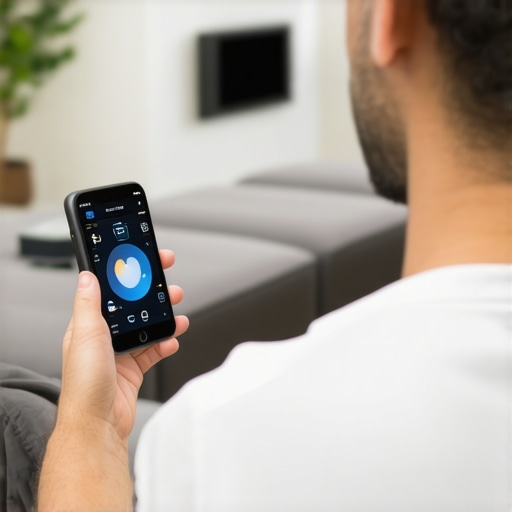
The journey toward truly understanding your health is often paved with lessons that challenge common beliefs and push us beyond standard practices. One of the most powerful insights I discovered is that relying solely on traditional markers like CRP can lead to a false sense of security, leaving critical warning signs unnoticed. Embracing advanced testing, such as myeloperoxidase (MPO) levels, and engaging with telehealth platforms opened my eyes to a more nuanced, proactive approach to wellness. These lessons have taught me that the path to health mastery involves questioning assumptions, seeking deeper insights, and leveraging innovative tools designed for personalized care.
What I’ve Learned About Staying Ahead of Hidden Risks
- Standard tests have limitations: While convenient, they may miss early signs of inflammation, especially in complex cases. Incorporating markers like MPO revealed underlying issues I would have otherwise overlooked.
- Technology enhances understanding: Using telehealth and at-home testing kits transformed my health management, making it more accessible, private, and timely. The ability to interpret results virtually empowered me to take swift, informed action.
- Proactivity beats reactivity: Regular, targeted testing allowed me to spot potential problems before symptoms appeared, illustrating that preventive care is truly the cornerstone of longevity.
- Continuous learning is essential: Staying updated on the latest research and tools ensures your health routine evolves with your needs, rather than stagnating with outdated practices.
- The importance of personalized strategies: No two bodies are the same. Tailoring tests, vaccinations, and lifestyle changes based on individual data maximizes effectiveness and peace of mind.
Your Margin of Health Gains
- Leverage comprehensive lab panels: Seek out tests that reveal hidden inflammation, micronutrient deficiencies, and biological age markers. They provide the full picture you need to craft your wellness plan.
- Utilize telehealth for swift interpretation: Virtual consultations with knowledgeable providers help decode complex results, answer questions, and recommend personalized interventions—no waiting rooms required.
- Integrate technology into your routine: Wearables, symptom trackers, and AI-driven apps can flag subtle changes, prompting timely testing or lifestyle adjustments.
- Educate yourself continuously: Read up on emerging markers, vaccination strategies, and holistic health practices to stay ahead of the curve. Resources like this article illustrate the power of regular, insightful testing.
- Build a support system: Whether through telehealth communities or trusted practitioners, having expert guidance amplifies your ability to make confident health decisions.
Own Your Wellness Narrative Today
Taking charge of your health isn’t just about avoiding illness—it’s about actively uncovering the signals your body sends, however hidden they may be. By adopting a mindset of curiosity, leveraging sophisticated testing, and embracing telehealth’s convenience, you can transform your wellness journey from reactive to empowered. Remember, health mastery is a continual process, rooted in personalized insights and proactive strategies. Are you ready to explore the unseen aspects of your health and unlock a new level of vitality? Your future self will thank you.
What’s one surprising health insight you’ve gained recently? Share your experience below—I’d love to hear how you’re making your wellness journey more informed and proactive.