
How to Handle a Virtual Pediatric Visit When Your Toddler Won’t Sit Still
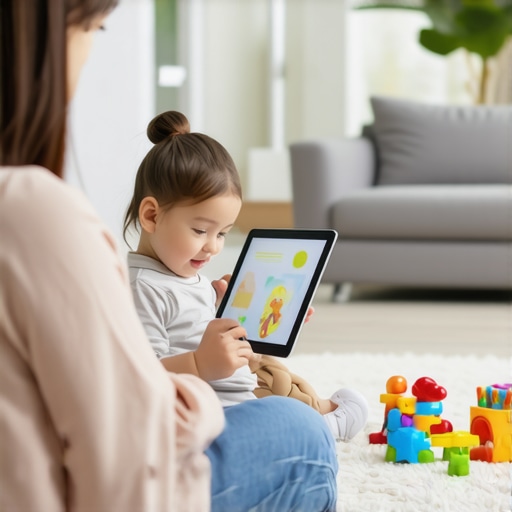
It was the middle of a virtual check-up, and my toddler was bouncing off the walls—literally. Instead of sitting still, she was grabbing toys, crawling under my desk, and demanding snacks. I suddenly realized how tricky it is to keep a squirming kid engaged during telehealth appointments. And honestly, I felt a pang of frustration, worried that the visit wouldn’t go smoothly or that the doctor wouldn’t get the information they needed.
When Your Little One Won’t Sit Still, What Do You Do?
Many parents find themselves in this exact situation. The promise of a quick online pediatric visit can quickly turn into a challenge when your toddler decides to turn your living room into a playground. But here’s the thing: this is completely normal. Kids are inherently restless, especially when confined to a small space and asked to focus on something unfamiliar.
The key is not to feel defeated but to prepare in advance. During my early attempts, I made the mistake of trying to force her into a sitting position or modeling stern behavior. Not surprisingly, that only made her more upset and distracted. That’s when I realized I needed a different approach—one that recognizes their natural energy and curiosity.
Today, I want to share practical strategies that will help you handle those restless moments confidently and turn virtual visits into productive, less stressful experiences. Whether you’re booking a routine checkup or discussing health concerns, these tips will make your remote doctor’s appointment smoother. And trust me, you’ll be surprised how much easier it becomes once you have a plan.
Is Your Kid Too Fidgety for Telehealth? Here’s What You Should Know
Early on, I thought my child’s constant movement was a barrier that couldn’t be overcome. I believed I just needed a better screen or a more engaging app. It was a mistake to think that the solution was technical—what I really needed was a mental shift. Understanding that kids’ attention spans are short and that they thrive on physical activity changed how I approached the situation.
According to pediatric research, kids under five have limited attention spans, making it challenging for them to sit still for long periods, especially in unfamiliar settings like a telehealth appointment. Recognizing this can help you set realistic expectations and adapt your environment. As a result, I started incorporating movement breaks and fun distractions, which significantly improved her cooperation.
In the next segments, we’ll dive into exercises, environment tweaks, and timing tricks that will help you manage your toddler’s energy levels during virtual visits. But first, ask yourself—have you faced similar struggles when handling telehealth appointments with your child? If so, you’re not alone. Let’s get to the practical side of things now.
Set Up a Kid-Friendly Space with Clear Boundaries
Choose a designated play area where your child feels comfortable but understands the limits. Use a colorful mat or a small table filled with toys and books to create an inviting environment. By establishing boundaries beforehand, your toddler learns what area is their domain, reducing the likelihood of wandering during the appointment.
Use Visual Cues to Signal When It’s Time to Focus
Implement visual signals such as a specific lamp color or a picture card to indicate when it’s time to be attentive. For example, turn on a particular light or display a ‘listening’ picture. This consistency trains your child to associate certain cues with focusing, making transitions smoother.
Incorporate Movement Breaks Strategically
Plan short bursts of physical activity between segments of the appointment. For instance, after discussing a health concern, encourage your child to do a quick dance or stretch. I remember during one appointment, I prompted my daughter to do jumping jacks, which released her energy and allowed her to sit still for the next part. These breaks are vital to prevent restlessness.
Use Engage and Distraction Techniques Effectively
Bring along favorite toys or a tablet with a few short videos related to health themes. For example, showing a cartoon about visiting the doctor can make the experience less intimidating. During my last appointment, I let her watch a favorite cartoon which kept her occupied and prevented her from darting around.
Coordinate with the Healthcare Provider
Inform the doctor about your child’s energy level and ask for appointment segments that are shorter or broken into parts if needed. Some providers are flexible and can start with a quick chat, then transition to more active parts with visual aids. This collaboration ensures the appointment remains productive despite the chaos.
Prepare Necessary Items Beforehand
Have all required documents, toys, and snacks within reach. This minimizes interruptions and helps quickly redirect your child’s attention when they become too restless. For example, during a recent visit, I pre-loaded my phone with a calming song playlist, which I played when she got too energetic.
Practice Taking Turns and Patience
Teach your child simple turn-taking activities like sharing a toy or waiting for a cue. This fosters patience and a sense of control. I practiced this with her by explaining that she can show her favorite toy to the doctor after the discussion, making her more willing to wait her turn.
Leverage Virtual Backgrounds or Visuals
Use engaging virtual backgrounds or share your screen with colorful visuals that can capture your child’s attention. During one session, I displayed a bright, animated illustration about health, which kept her visually engaged and less likely to wander off.
Stay Calm and Flexible Throughout
Your demeanor sets the tone. If you stay relaxed and patient, your child will mirror that behavior. Remember, messiness is natural; the goal is connection and cooperation, not perfection. By employing these strategies, you can turn even the most energetic child into a cooperative participant—making virtual visits less stressful and more productive.
While many believe that vaccinations, lab tests, and telehealth are straightforward tools for health management, there’s often a deeper nuance that gets overlooked. A common misconception is that vaccines are a one-size-fits-all solution, but in reality, personalized vaccination schedules, tailored to your unique immunity profile, offer much better disease prevention. Relying solely on generic advice can leave gaps, risking unnecessary exposure or over-vaccination. For example, exploring the benefits of customized protocols is crucial, and you can learn more about this at this link.
Another misconception involves lab tests; many assume that a single test provides the full health picture. However, the truth is that standard panels often miss critical markers that reveal hidden health risks. Advanced tests can detect issues like inflammation or hormonal imbalances before symptoms appear, vastly improving preventative care. To understand the importance of comprehensive testing, visit this resource.
Similarly, telehealth is sometimes dismissed as less effective than in-person visits. But in fact, virtual care offers nuanced advantages, especially for wellness monitoring and chronic conditions, by providing frequent, accessible, and personalized check-ins. If you want to see how telehealth is transforming healthcare, check out this article.
One crucial nuance that many miss is that wellness is a dynamic, individualized journey. Believing that quick fixes or isolated tests will provide the complete solution is flawed. Instead, integrating personalized lab testing with proactive vaccination plans and regular virtual check-ins creates a holistic approach to health. This approach not only catches issues early but also empowers you to make informed decisions. For instance, combining these tools effectively can be explored at this link.
In today’s complex healthcare landscape, questioning assumptions and understanding the nuances is vital for truly optimizing your wellness routine. Remember, it’s about tailoring solutions to your specific needs rather than relying on generalized advice. Have you ever fallen into this trap? Let me know in the comments. In the meantime, explore these advanced insights to take your health management to the next level.Maintaining optimal health tools is essential for long-term wellness, especially as health tech evolves rapidly. I personally rely on specific equipment and software that have proven their worth daily. For blood testing, I favor lab companies like Everlywell because they offer comprehensive panels that I can order online, allowing me to track markers such as inflammation or nutrient levels without frequent clinic visits. These tests provide critical data, especially when integrated with insights from resources like [this article](https://vitalclinicmd.com/understanding-the-role-of-lab-tests-in-preventive-wellness).
To interpret these results effectively, I utilize the MyLab app, which syncs with my laboratory provider’s reports, offering easy-to-understand summaries and trend analysis. This combination helps me identify subtle shifts in my health before symptoms appear, aligning with personalized wellness goals.
In the realm of telehealth, I swear by the use of secure, user-friendly platforms like Doxy.me. Its simplicity ensures I can have quick, reliable virtual check-ins, crucial for ongoing chronic condition management. As telehealth continues to innovate, I predict integrated AI-driven diagnostics will become standard, helping tailor preventative care even further.
When it comes to supplements and medications, I use a pharmacy app like Capsule, which automates refills and provides detailed information about drug interactions. This minimizes the risk of missed doses or adverse effects, especially important for maintaining the effectiveness of long-term treatments.
For physical activity tracking, I highly recommend the Fitbit Sense, as it not only records steps but also monitors heart rate variability and stress levels—key indicators of holistic wellness. Regular data reviews enable me to adjust my routines proactively, fostering resilience over time.
To stay organized, I rely on Evernote for wellness journaling—logging symptoms, moods, and habits—which gives me a comprehensive picture to discuss during appointments or to identify patterns myself.
Looking ahead, I believe the trend will shift toward more integrated health ecosystems that combine these tools into seamless platforms, perhaps linked with wearable sensors providing continuous biometric data. This would allow near real-time health optimization.
**How do I keep these tools working over the years?** Regular updates are vital. Apps and devices frequently roll out enhancements—never ignore those prompts. Also, scheduled reassessment of your tools ensures they still meet your needs; technologies that once fit well might become obsolete or less effective as your health evolves.
Finally, if you’re interested in optimizing vaccination schedules, lab-testing, or telehealth strategies, consider consulting experts like those at [VitalClinicMD](https://vitalclinicmd.com/contact-us). For example, using precise lab tests to personalize vaccines can significantly boost their efficacy—more on this can be found [here](https://vitalclinicmd.com/personalized-vaccination-schedules-for-better-disease-prevention).
Start by selecting one new tool from this list—try a health app that intrigues you—and commit to maintaining its updates and integration into your routine. Watch how it transforms your wellness management, making it more proactive and personalized over time.
3 Surprising Lessons I Learned About Personalized Healthcare
One of the most enlightening realizations was that tailored approaches, such as customizing vaccination schedules based on your immune profile, dramatically increase effectiveness and reduce unnecessary treatments.
I also discovered that many standard lab panels miss subtle but critical markers, which can be early signals of health issues. Deep-diving into advanced testing methods unlocked possibilities for early intervention, saving time and stress.
Finally, embracing telehealth not only increased convenience but also improved communication with providers, especially when I learned how to prepare for virtual visits and utilize visual aids to enhance understanding. These insights shifted my perspective from reactive to proactive care.