
7 Signs Your Body Is Begging for a Magnesium Supplement

I remember the night I couldn’t sleep—tossing and turning, muscles twitching, feeling more exhausted than when I’d started. It was a wake-up call. Like many, I had ignored the subtle signs my body was giving me, chalking up my fatigue and twitches to daily stress. But deep down, I knew something more was going on. That was my moment of realization—my body was screaming for help, and magnesium might have been the missing link.
The Power of Listening to Your Body
Over time, I learned to tune into my body’s signals. Small signs like restless legs, migraines, and constant fatigue aren’t just nuisances—they can be clues. Recognizing these signs early can lead you to simple, perhaps overlooked solutions that make a world of difference. Today, I want to share how understanding these seven signs can help you identify if your body needs a magnesium boost—before things get worse. Trust me, catching these signals early stopped me from spiraling into more serious health issues.
Is Supplementing Magnesium Really Worth It?
Initially, I was skeptical. I made the mistake early on of dismissing my symptoms as normal or just part of aging. That mistake cost me precious time. Then I discovered that magnesium plays a crucial role in over 300 biochemical reactions in our bodies, yet many of us are deficient without realizing it. According to health experts, magnesium deficiency is surprisingly common, affecting up to 80% of adults. Recognizing the early signs is vital because addressing deficiencies early can prevent chronic issues and boost overall wellness. If you’re wondering whether what you’re experiencing is a sign of low magnesium, read on to see if any of these resonate with your experience—and explore how simple solutions like supplements or dietary changes could turn things around.
Have you experienced any of these signs? If so, you’re not alone, and understanding them is the first step toward reclaiming your health. To dive deeper into personalized strategies for optimal wellness, including lab testing and telehealth options, check out [our guide on lab testing for hidden health risks](https://vitalclinicmd.com/how-lab-tests-can-detect-hidden-health-risks-early-in-your-wellness-pathway). Remember, listening to your body is the key—don’t ignore what it’s telling you.
Book a Telehealth Consultation for Personalized Guidance
Start by scheduling a virtual visit with a healthcare provider experienced in nutritional health—it’s as simple as clicking a link to unlock the power of telehealth. During this session, you’ll discuss your symptoms, medical history, and lifestyle to determine if magnesium deficiency is likely. I recall the first time I used telehealth—it was a game changer, allowing me to connect quickly without the hassle of in-person visits, saving me hours, and providing tailored advice. This approach is especially effective if you’re unsure where to start or want expert input fast.
Order Targeted Lab Tests for Clear Confirmation
Next, request specific lab tests to accurately measure magnesium levels and possible related deficiencies. The key is knowing which tests to ask for—standard tests may miss subtle signs. For example, understanding lab test roles helps you advocate for comprehensive panels. When I felt my energy dips, I ordered advanced mineral panels recommended by my doctor, which revealed a hidden magnesium deficiency I hadn’t suspected. Ordering tests remotely is straightforward via telehealth, eliminating the need for in-person lab visits—saving time and lowering stress.
Implement Dietary Changes with Guided Support
When your results confirm low magnesium, focus on functional dietary adjustments. Think of your body as a garden—feeding it the right nutrients enables it to flourish. Incorporate magnesium-rich foods like leafy greens, nuts, and seeds. For personalized diet plans, consult virtual nutritionists who can create tailored meal guides aligned with your lab outcomes. I found that integrating magnesium-rich foods into my daily meals made a tangible difference within weeks. It’s wise to track your intake, so consider using digital apps or telehealth follow-ups to refine your approach over time.
Consider Supplements Carefully and Safely
If diet alone isn’t enough, supplement under medical supervision. Magnesium supplements come in various forms—glycinate, citrate, oxide—and choosing the right one depends on your specific needs. A telehealth provider can recommend appropriate dosages based on your lab results, ensuring safe and effective use. I experimented with different forms, starting low and gradually increasing, to avoid side effects like diarrhea. Remember, self-medicating can be risky, so always consult a health professional before adding new supplements to your routine.
Monitor Progress for Lasting Results
Continual monitoring helps confirm improvements and prevents deficiencies from recurring. Regular lab testing, recommended as part of a preventive wellness approach, can be scheduled conveniently online. I set reminders for follow-up tests, and it was reassuring to see my magnesium levels rise steadily after dietary and supplement adjustments. Use telehealth check-ins to discuss outcomes and make necessary modifications—this ongoing communication enhances your health journey without the inconvenience of frequent clinical visits.
In my experience, taking these actionable steps transformed a confusing, frustrating process into a clear path back to vitality. By leveraging technology, access to expert guidance, and targeted testing, you can demystify deficiency detection and treatment, paving the way for sustained wellness.
Many people believe that telehealth services are inferior to in-person visits, but in reality, they often provide faster, more comprehensive care when correctly utilized. However, a common misconception is that online consultations lack depth or personalization, which isn’t true if you know how to ask the right questions and choose experienced providers. One often-overlooked nuance is the importance of integrating lab tests into telehealth to uncover hidden health risks that standard evaluations might miss—advanced markers can predict issues like insulin resistance or inflammation long before symptoms emerge, as documented in recent studies. Another myth is that vaccinations are only necessary in childhood; in fact, personalized vaccination schedules, based on up-to-date lab testing and individual risk assessments, offer better disease prevention for adults. Many assume that lab tests are inconvenient or only for special cases, but with telehealth, ordering targeted tests remotely streamlines the process, enabling early detection of deficiencies such as magnesium or vitamin D levels, prior to symptoms manifesting. Be cautious of the trap of relying solely on standard panels, which may overlook subtle yet critical markers. For instance, cutting-edge testing can identify inflammation markers such as the high-sensitivity C-reactive protein (hs-CRP), providing insights into your cardiovascular health that traditional lipid panels might miss. As Dr. Michael Greger emphasizes, understanding nuanced lab results allows for tailored interventions that significantly improve wellness outcomes. This level of personalized care underscores why regular, comprehensive testing combined with expert guidance—accessible via telehealth—is revolutionizing preventive health strategies. Have you ever fallen into this trap? Let me know in the comments. To make the most of these insights, consider scheduling a virtual consultation and requesting advanced lab panels tailored to your health goals.
Investing in Effective Tools for Long-Term Wellness
Maintaining a health routine doesn’t have to be a guessing game. I rely on a few specific tools that seamlessly integrate into my daily life, ensuring I stay on top of my wellness journey. One such essential is a high-quality digital food diary app. I use MyFitnessPal because it offers precise nutrient tracking, which helps me monitor my magnesium intake and identify potential deficiencies early. Pairing this with a telehealth platform allows me to consult with health professionals remotely, saving time and providing tailored guidance. This combination ensures that I not only track habits but also get expert insights to refine my approach continuously.
Another tool I find invaluable is a set of lab testing kits that I can order and use at home. These kits, like those from Everlywell, enable me to regularly check vitamin D, magnesium, and inflammation markers. Regular testing through comprehensive lab panels helps me spot imbalances before they escalate, making my wellness routine proactive rather than reactive.
How do I sustain my health routine over time?
The secret is consistency and adaptability. I schedule routine check-ins via telehealth, which fits into my calendar easily. Over time, I’ve learned to adjust my supplement regimen based on lab results, dietary shifts, and lifestyle changes, aided by digital health records that keep everything organized and accessible. Trends hint that digital health tools will become even more integrated with wearable technology, offering real-time biomarker monitoring—a development I’m eager to incorporate. For now, I recommend starting with a quality food diary app combined with periodic lab testing, which provides a solid foundation for sustained wellness.
If you want to jumpstart your health maintenance, try setting a reminder to review your lab results monthly and adjust your diet or supplements accordingly. It’s a simple habit that significantly amplifies your long-term success in wellness management.
Visit our contact page to explore how personalized lab testing and telehealth consultations can help you stay on top of your health. Remember, the right tools not only simplify your routine but also empower you to make informed decisions—ensuring your wellness continues to thrive over the years.
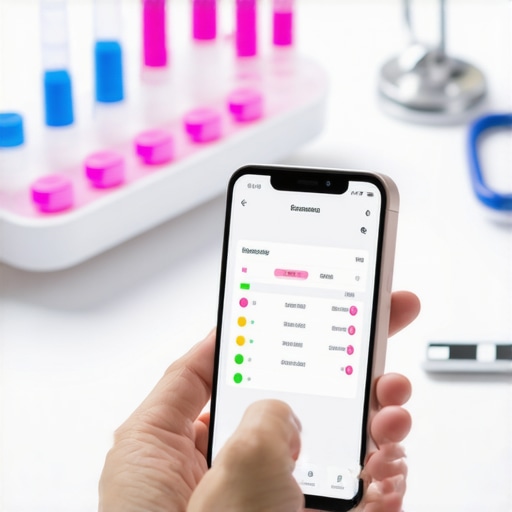
The Hardest Lesson I Learned About Telehealth and Wellness
One of my biggest realizations was that relying solely on standard lab tests and in-person visits often masks deeper issues. I once dismissed subtle fatigue, thinking it was just busy days, until telehealth consultations revealed nuanced markers indicating magnesium deficiency that traditional labs overlooked. This taught me the importance of seeking out comprehensive testing and personalized guidance instead of generic advice.
My Eye-Opening Experience with Misconceptions
Early in my wellness journey, I believed that supplements were unnecessary or risky without prior lab confirmation. But after working with experienced providers via telehealth, I understood that targeted supplementation, when guided by expert advice, can bridge nutritional gaps effectively. This shifted my perspective from skepticism to empowerment, emphasizing the value of credible, personalized care.
The Power of Proactive Monitoring
Waiting for symptoms to worsen is a mistake I won’t make again. Regular remote testing and check-ins helped me catch magnesium deficiencies early, preventing more serious health issues down the line. It’s clear that integrating advanced lab tests into routine wellness is a game changer for sustained vitality.
Curated Recommendations for Deepening Your Approach
For personalized lab options, I recommend exploring advanced mineral panels available through telehealth services, which can detect subtle deficiencies before symptoms manifest. This resource helped me understand the importance of comprehensive testing. Pairing these insights with reputable digital health tools, like nutrient tracking apps such as MyFitnessPal, can empower you to take control of your wellness journey.
If you’re considering supplements, consult trusted telehealth providers who can recommend safe dosages tailored to your results. Employing these strategies has personally reinforced my belief that informed, proactive steps lead to lasting health benefits.
Your Next Step to Lasting Well-Being
The most inspiring takeaway is that wellness isn’t a passive state but an active pursuit. By embracing personalized testing, expert guidance, and consistent monitoring, you can uncover and resolve hidden deficiencies—like magnesium—that quietly undermine your vitality. Start today—your body deserves this proactive approach to health.
What subtle signs have you ignored in your wellness routine? Share your experiences below—I’d love to hear how you’re taking charge of your health journey.
,