
Why Your ‘Normal’ Glucose Reading Might Still Be Pre-Diabetic
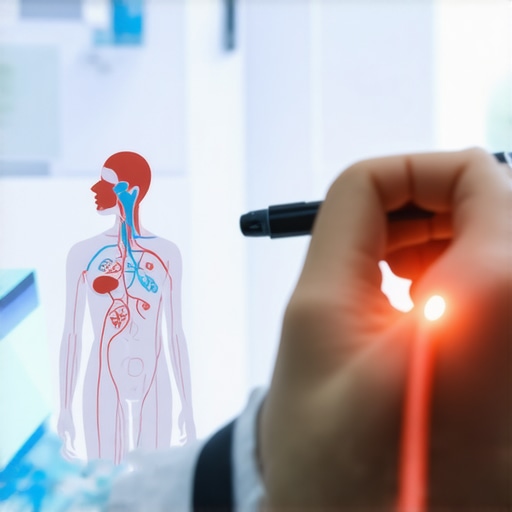
I remember the day I first checked my blood sugar after a routine test, expecting everything to be perfectly fine. Instead, I was hit with a number that looked harmless but somehow felt off — right in the ‘normal’ range. It was a lightbulb moment for me. How could something seem normal but still cause concern? That’s when I started digging deeper—and what I discovered changed the way I approach my health entirely.
Why a ‘Normal’ Glucose Reading Might Still Worry You
Many folks, including myself at the time, assume that if their blood sugar falls within the standard reference ranges, they’re in the clear. But the truth is, those ranges are broad and can miss early signs of trouble. Recent studies reveal that people with glucose levels comfortably inside the ‘normal’ range can still develop pre-diabetes or insulin resistance—precursors to type 2 diabetes. In fact, research shows that about 70% of individuals with pre-diabetic conditions have fasting glucose levels that are considered normal by standard tests, yet they carry hidden risk factors (source: Vital Clinic).
My early mistake was trusting that a single ‘normal’ reading was enough. I didn’t realize that some vital markers are more nuanced and require a closer look. I was guilty of what many others are still doing—assuming health is a binary state when in reality, it’s a spectrum. By understanding that our labs tell a story far beyond the big, bold numbers, I learned how to catch issues before they turn into full-blown problems.
So, how do you tell if your glucose levels are truly safe? And what should you look for besides just the ‘normal’ range? We’re about to explore that. But first, let me ask—have you recently checked your blood sugar and wondered if you’re really in the clear? If that question resonates, you’re not alone—many people face this dilemma without realizing it.
Start with Precise Lab Tests
Think of lab tests as the GPS for your health journey—they pinpoint where you are on your wellness map. To begin, schedule comprehensive lab work that covers key markers like fasting glucose, HbA1c, insulin levels, and inflammatory markers. Don’t settle for standard panels; opt for tests highlighted here here to gain a complete view of your metabolic health. I recall requesting an expanded panel myself—initially, it felt a bit overwhelming, but the detailed data revealed early signs of insulin resistance that would have gone unnoticed with a routine check.
Decode Your Results Like a Pro
Once your results arrive, don’t just glance at the numbers—get their story. Use online tools or consult with professionals who can interpret complex data, turning abstract figures into actionable insights. Think of this step as translating a foreign language into your native tongue, making health risks clear and manageable. For example, a slightly elevated fasting insulin can signal insulin resistance long before your blood sugar spikes. Dive deeper with guides like here to understand how to spot hidden risks early.
Leverage Telehealth for Guidance
Video consultations are your remote health clinic—accessible, efficient, and private. Scheduling a telehealth session allows you to discuss your lab findings with a healthcare provider without leaving home. This is especially handy when you need personalized advice or want to explore adjustments to your diet, exercise, or medication. I یادداشت پدر tipping point
Adjust Lifestyle Based on Data
Armed with detailed labs and expert advice, take targeted action—whether it’s refining your diet, increasing physical activity, or adding supplements. For instance, if your labs suggest vitamin deficiencies affecting glucose metabolism, consider personalized supplementation strategies discussed in this guide. Remember, early tweaks prevent escalation into chronic conditions and empower you to stay in the driver’s seat of your health.
Many believe that embracing telehealth and modern wellness practices automatically ensures optimal health, but the reality is far more nuanced. A common misconception is that all telehealth services are created equal; in truth, many patients overlook the importance of understanding the limitations and hidden pitfalls of virtual care. For example, some assume lab tests ordered remotely are just as comprehensive as in-person evaluations. However, not all tests are equal—certain markers vital for early detection of metabolic issues often go unnoticed if specific panels aren’t requested (see here).
Why do some people get misled by telehealth services? Be cautious about relying solely on remote consultations and generic lab panels, as they might miss critical nuances. It’s a trap that can delay diagnosis, especially when subtle markers like fasting insulin or inflammation-related proteins are overlooked—yet they could signal pre-diabetic states before sugar levels elevate (more details here).
Similarly, there’s a widespread myth that vaccinations are a one-size-fits-all solution. Many believe that standard schedules are suitable for everyone. In practice, personalized vaccination plans, tailored based on lab markers and individual health history, provide better protection and prevent over-vaccination, which has been linked to potential immune system stress (learn more).
Another mistake involves misunderstanding the reliability of different lab tests. Some think that non-fasting blood work gives an accurate picture of health, but certain critical markers fluctuate significantly depending on recent meals or activity. For instance, postprandial glucose levels can be misleading if not paired with fasting tests, leading to false reassurance (see the research here).
What advanced considerations should you be aware of? How do subtle lab markers influence your preventive strategy? It’s essential to consult with knowledgeable providers who can interpret the full spectrum of data—beyond just the standard “normal” ranges—and guide targeted interventions. Regularly updating your understanding of these nuances can dramatically shift your health trajectory. I encourage you to re-examine your assumptions—have you ever fallen into this trap? Let me know in the comments.Choosing the Right Monitoring Devices to Stay on Track
To effectively keep tabs on your health, investing in reliable, user-friendly medical devices is crucial. Personally, I rely on a continuous glucose monitor (CGM) like the Freestyle Libre, which provides real-time data without the discomfort of frequent finger pricks. This device syncs seamlessly with my smartphone, allowing me to track my blood sugar trends throughout the day and identify patterns that might signal early concerns. The accuracy and convenience it offers are game-changers, especially when managing pre-diabetic risks or tailoring diet adjustments. Incorporating such tools into your routine empowers proactive decisions and minimizes surprises.
Leverage Software That Transforms Data Into Action
While hardware is essential, complementary software platforms are equally vital. I recommend personalized health dashboards like Apple Health or Samsung Health, which aggregate readings from various devices and present data intuitively. These platforms allow you to set reminders for lab tests, vaccinations, or medication schedules, keeping long-term wellness objectives within reach. For instance, integrating your lab results into these apps helps visualize lab markers over time, making subtle shifts more apparent. Using such software streamlines your health management, reducing reliance on memory or scattered records and supporting informed lifestyle tweaks.
Maintain Your Tools To Maximize Long-Term Benefits
Tools and devices only serve their purpose when properly maintained. Regularly calibrate your devices following manufacturer instructions to preserve accuracy. Keep batteries charged, replace sensors or strips as scheduled, and store equipment in optimal conditions. Personally, I set monthly reminders to check device firmware updates, which often include improvements and security enhancements. Documenting and reviewing your data periodically helps identify emerging trends early, prompting timely consultations with health professionals. Well-maintained tools translate into reliable insights, increasing the likelihood of long-term health improvements.
Planning for Scale and Future Integration
As your health monitoring becomes more sophisticated, consider integrating multiple data sources into a unified platform. Future trends point toward broader interoperability—allowing devices to communicate across brands and systems seamlessly. For example, API integrations could automatically upload your lab results to your health dashboard, synthesizing insights for comprehensive oversight. Experimenting with open-source platforms like OpenHumans can offer customizable options to tailor your health data ecosystem, enhancing scalability. Staying adaptable ensures your wellness approach grows with your needs, leveraging expanding technological capabilities.
How do I maintain my health monitoring tools over time?
Consistency is key—regularly check your devices for updates, perform routine calibrations, and replace consumables as recommended. Keeping detailed logs helps track device performance and spot anomalies early. Additionally, establishing a relationship with your providers who understand your data setup ensures you get the most out of your tools. For concrete steps, consult guides like this resource to deepen your understanding of maintaining and optimizing your health tools. Try setting a monthly review routine—this small habit can significantly enhance your long-term health tracking accuracy and outcomes.
The Hardest Lesson I Learned About telehealth,wellness,vaccinations,lab tests
One of the most powerful realizations came when I trusted a single lab result and overlooked the bigger picture. The lesson? Data isn’t just numbers—it’s a narrative that requires context, nuance, and a proactive mindset. I learned that early warnings often live within subtle markers, waiting to be discovered before they escalate.
3 Myths About telehealth,wellness,vaccinations,lab tests That Held Me Back
False beliefs like the idea that all remote services are equal or that standard lab panels are sufficient can hinder true progress. Overcoming these myths opened my eyes to the importance of customized testing and consulting providers who truly understand the intricacies of metabolic health. Embracing accurate lab work and personalized care transformed my wellness journey.
What Experts Won’t Tell You About telehealth,wellness,vaccinations,lab tests
Many overlook the limitations of virtual care—such as the scope of tests offered or the need for detailed interpretation. I discovered that asking the right questions and seeking truly comprehensive evaluations are crucial. This awareness has empowered me to take control and ensure I’m not missing key insights that could prevent health issues down the line.