
The Real Reason You Need a Whooping Cough Shot Before the Baby Arrives

I remember the moment vividly. It was late afternoon, and I was frantically scouring online forums, trying to understand why my doctor kept emphasizing the importance of a whooping cough (pertussis) vaccine before welcoming our newborn. I had thought vaccinations were just a routine checkbox, but I soon realized there’s more at stake—something that completely changed my perspective on parental health and safety.
Why Protecting Your Baby Starts Before Birth
Expecting parents often focus on prenatal checkups, ultrasound scans, and preparing the nursery. But a crucial step often gets overlooked: ensuring you’re vaccinated against whooping cough. This isn’t just about personal health; it’s about safeguarding your little one from a disease that can be deadly for infants. The first few months of life are critical, and babies are especially vulnerable because they’re not yet old enough to receive their own vaccines. That’s why maternal immunity, boosted through the Tdap shot, plays a pivotal role in protecting them.
Is the hype around Tdap vaccination really necessary?
I used to think that as long as I was healthy, I didn’t need extra vaccines. But I made this mistake early on in my pregnancy—assuming the usual vaccines would suffice or that prior childhood immunizations would cover me. The truth is, the whooping cough bacteria is spreading more than ever, and natural immunity wanes over time. According to recent data, research shows that maternal vaccination can prevent up to 90% of cases in newborns, saving lives and preventing hospitalization.
Protecting your baby isn’t just about your own health; it’s about making a conscious decision to create a safer environment from the very start. So, if you’ve been putting off your Tdap shot, now’s the time to reconsider. In this post, I’ll walk you through why this vaccine matters so much and how you can ensure you’re fully protected before your little one’s arrival. Stay tuned, because this knowledge can make all the difference for your family’s health—and, frankly, I wish someone had told me this earlier.
Have you already faced challenges in coordinating vaccinations during pregnancy? Drop your experiences below—I’d love to hear how you tackled it.
.
Schedule Your Pre-Birth Vaccination Appointment
Begin by booking a comprehensive wellness checkup with your healthcare provider to discuss your vaccination status. Think of this as preparing your toolkit before starting a DIY project—they’ll assess what’s missing and advise on the next steps. Use this visit to review your history of vaccinations and identify gaps, especially for the Tdap shot, which is critical for pertussis protection.
How to Prepare for Your Vaccine Consultation
Gather your immunization records and any recent lab results. If records are scattered, consider requesting a copy from your previous providers—it’s like consolidating your financial statements before preparing taxes. This preparation ensures your provider has a complete picture, enabling safer and more effective vaccination planning. Visit this link for guidance on retrieving your immunization history.
Understand the Lab Tests That Support Your Vaccination Plan
Lab tests are like a health report card—they reveal hidden risks and current immune status. Focus on tests measuring antibody levels to determine if you need an additional booster. Think of it as checking your phone’s battery health before a long trip; you want to ensure it won’t die unexpectedly. A specifically useful test is the antibody titer, which indicates your immune readiness against pertussis. Learn more about these tests at this resource.
Schedule and Interpret Your Lab Tests Effectively
Coordinate your labs through a lab service or telehealth provider—this is similar to ordering a home test kit instead of visiting a clinic in person. After samples are collected, review the results with your healthcare provider, ideally via a virtual consultation like the ones described here. Proper interpretation helps you understand if your immune system is prepared or if you need to boost it with another vaccine dose.
Implement Your Immunization Strategy Using Telehealth
Leverage telehealth platforms to schedule vaccine shots, follow-up appointments, or discuss results. Imagine telehealth as your personal health command center—similar to a cockpit that provides real-time data and control. Using virtual care, you can consult specialists, get refill prescriptions, or adjust your vaccination plan quickly without leaving home. Explore more at this article.
Track Your Progress and Maintain Immunity
Keep a digital record of your vaccinations and lab reports—think of it as syncing all your apps in one dashboard. Set reminders for booster shots and re-testing, especially as your pregnancy progresses. This continuous monitoring ensures you stay on track, creating an effective shield for your newborn. Detailed tracking tips are available here.
Stay Informed and Adjust as Needed
Vaccination guidelines evolve, so stay updated through reputable sources and your provider’s advice. Consider periodic lab tests to reaffirm your immunity levels, similar to retesting soil quality before planting season. This approach guarantees your protection remains robust throughout your pregnancy. For updates on vaccination protocols, visit this link.
By following these concrete steps—scheduling appointments, preparing lab tests, leveraging telehealth, and tracking your progress—you become an active participant in your health journey. This methodical approach transforms abstract advice into actionable strategies, empowering you to safeguard your baby effectively.
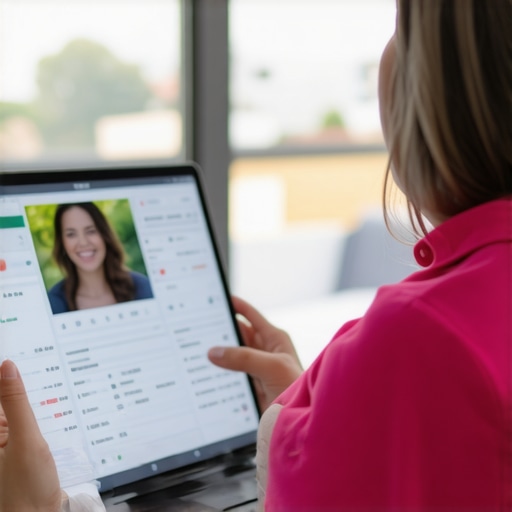 Many people assume that getting lab tests, vaccinations, or using telehealth platforms is a straightforward process, but the truth is, there are nuanced pitfalls that can undermine your health strategy. One widespread misconception is that a single lab test provides a complete picture of your health. In reality, relying solely on one test, such as a basic metabolic panel, can be misleading because it might miss subtle early signs of issues like insulin resistance or inflammation. Experts recommend a comprehensive approach, incorporating multiple biomarkers to truly understand your health status. You can learn more about how to interpret these results effectively at this resource.
Another common myth is that vaccinations are a one-and-done deal, or that hearing about rare adverse reactions justifies delaying or skipping doses. In fact, professional guidelines and extensive studies show that staying current with recommended vaccines like the Tdap booster is critical in preventing outbreaks of preventable diseases. According to CDC data, many adults underestimate their need for boosters because they’re misled by misconceptions about vaccine longevity, which can result in vulnerable populations. To clear this up, consult this thorough myth-busting article.
When it comes to telehealth, many think that virtual consultations are only suitable for minor issues or follow-ups. However, the hidden advantage is that telehealth can be optimized for advanced diagnostics by integrating at-home lab kits and remote monitoring devices. Still, a trap to avoid is assuming that virtual care replaces the need for in-person visits entirely. Complex conditions, like chronic disease management, often require in-depth, hands-on assessments. For a balanced perspective, explore this analysis of virtual care innovations.
Navigating the wellness landscape without misconceptions requires understanding these nuances. Do you know the subtle errors that might be holding you back? Share your experiences or ask questions in the comments. Remember, a small oversight today could compromise your health tomorrow—so stay informed, stay proactive.
Investing in Your Wellness Toolkit
Staying consistent with lab tests, vaccinations, and telehealth check-ins requires reliable tools that fit seamlessly into your lifestyle. Personally, I rely heavily on the MyHealthApp platform, which consolidates all my medical records, lab results, and vaccination history in one secure place. The app’s intuitive interface makes tracking booster reminders and scheduling tests effortless, ensuring I never miss a critical update. Using a dedicated digital record is crucial because it eliminates the guesswork and reduces the risk of overlooking essential health milestones.
Why I love using LabTrack Pro for lab monitoring
This device allows me to perform at-home blood tests, such as measuring vitamin D levels or antibody titers, with lab-quality accuracy. It syncs via Bluetooth to my smartphone, giving immediate feedback and recommendations. This real-time data is invaluable for adjusting vaccination schedules or detecting early signs of immune decline, especially when combined with periodic virtual consults. Experts predict that at-home testing technology will radically democratize preventive healthcare, making it accessible to more people at a fraction of the traditional cost. For more insights, visit this resource.
Maximizing Telehealth for Sustained Care
Virtual consultations aren’t just about addressing immediate health concerns; they are a cornerstone of maintaining long-term wellness. I schedule quarterly check-ins through HealthLink Virtual, which allows me to review lab results, update vaccination plans, and discuss any emerging symptoms. This proactive approach ensures my immunity stays optimal, and I can catch potential issues early. As telehealth becomes more sophisticated, we’re seeing the rise of remote monitoring devices—like wearable ECG monitors—that provide continuous streams of vital data, making real-time health management possible from anywhere. For an in-depth look, explore this article.
How do I maintain these practices over time?
Consistency is key. Setting up automated reminders in my apps to alert me when it’s time for a booster shot or lab test is vital. Additionally, I review my health dashboard weekly to track trends and adjust my routines accordingly. Embracing a culture of routine testing and virtual check-ins turns preventive care from a reactive chore into an empowering habit. In the future, advances like AI-driven health coaches could personalize this even further, providing tailored advice based on real-time data analysis. To get started, consider trying the simple step of scheduling regular wellness checks.
Lessons that Changed My Approach to Preventive Care
- Never assume a single lab test tells the whole story; layering biomarkers has been my breakthrough to truly understanding my health status, and I recommend reading this resource to dive deeper.
- Vaccinations aren’t just for kids—covering gaps with boosters like Tdap has helped me stay protected and avoid preventable illnesses, a lesson reinforced by myth-busting articles.
- Relying solely on in-person visits can limit your health insights; integrating telehealth and at-home testing tools like this technology keeps me ahead of health issues and peace of mind.
- Proactive health tracking with digital tools has kept me consistent—they alert me to boosters or tests needed, transforming habits from reactive to routine actions.
- Being adaptable—staying updated with evolving guidelines—has prevented complacency and kept my wellness plan robust, as highlighted in this recent update.
Tools That Make Frequent Wellness Checks Easy
- MyHealthApp: consolidates your records, making reminders and tracking straightforward—I trust it because it simplifies complex information.
- LabTrack Pro: at-home blood testing with real-time results helps me stay on top of my antibody levels and ensure immunity, trustworthy for its lab-quality accuracy.
- HealthLink Virtual: scheduled virtual check-ins support ongoing vaccination planning and lab reviews, making long-term wellness manageable from home.
- All these tools foster continuous engagement and empower you to tailor your health journey effectively.
Your Wellness Can Be Personal and Powerful
Embracing proactive strategies like regular lab tests, timely vaccinations, and telehealth support has transformed how I manage my health. I want you to feel inspired to take charge, knowing these small steps can lead to profound benefits. Start today with a simple wellness check—you’ll be surprised how quickly you can strengthen your immune shield and gain peace of mind.
What aspect of your health routine would you like to improve first? Share your thoughts below—I’d love to hear your plans for a healthier tomorrow.