
Why Telehealth Is the Best Way to Manage Long-Term Medication Side Effects
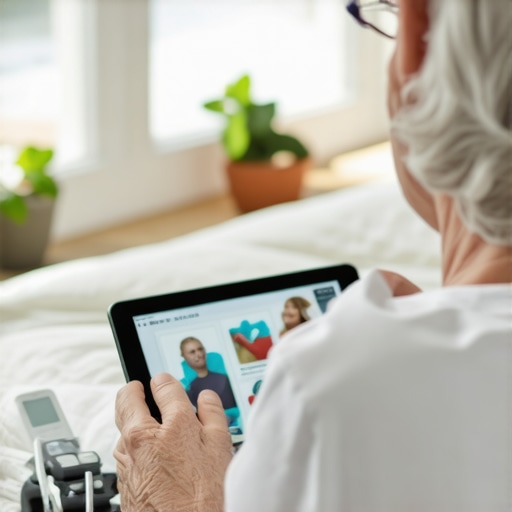
I remember the day I realized I couldn’t keep ignoring the side effects of my medication any longer. It was a hectic Tuesday morning, and I was struggling to get my toddler ready for daycare while feeling that persistent fog in my mind and a sudden wave of fatigue. Usually, I’d just chalk it up to a busy day, but this time, I knew I had to do something different. Traditional clinic visits felt like a hassle—long waits, crowded waiting rooms, and the endless back-and-forth to get appointments scheduled. That’s when I stumbled upon telehealth, and honestly, it felt like a revelation.
Discovering the Power of Virtual Care for Long-Term Medication Management
Since then, I’ve found telehealth to be a game-changer in how I manage my health, especially when it comes to dealing with medication side effects that don’t appear overnight. With regular virtual check-ins, I can quickly communicate my concerns, adjust my treatments, and stay on top of my wellness without disrupting my chaotic schedule. But what truly made the difference was the ability to get routine lab tests done remotely, allowing me to track subtle changes and catch potential issues early. If you’ve ever felt frustrated by the inflexibility of traditional healthcare or worried about missing important signs, you’re not alone. Many of us are seeking smarter, more accessible ways to stay healthy—especially when managing long-term medication effects.
Is Telehealth Really as Effective as In-Person Visits?
This was a concern I had initially. I worried that virtual care might not provide the comprehensive support I needed. Early on, I made the mistake of assuming an online consultation couldn’t replace the in-person experience—an oversight I quickly realized was a mistake. Studies show telehealth can be equally effective, especially for routine monitoring and managing chronic conditions (read more here). By using virtual visits alongside at-home lab testing, I gained actionable insights into my health that previously required multiple in-person appointments. This approach not only saved me time but empowered me to be more proactive about my wellness journey.
Have you faced the challenge of managing medication side effects and wondered if there’s a smarter way? If so, you’re in the right place. Together, we’ll explore how telehealth can help you take control, stay informed, and feel supported every step of the way. Let’s dive into practical steps that can transform your health management routine and give you peace of mind—without the headache and hassle of traditional healthcare.
Set Up Your Telehealth System
Start by choosing a reliable telehealth platform. Look for services endorsed by reputable providers, and ensure they offer secure, HIPAA-compliant communication channels. I remember signing up during a weekend, struggling to navigate the interface, but after a few tries, I managed to schedule my first virtual appointment. It felt awkward at first, but it was a decisive move toward better health management.
Coordinate Routine Lab Tests Remotely
Many telehealth providers partner with local laboratories to facilitate at-home testing kits or convenient lab visits. I ordered a blood test kit through my virtual care platform, received it in a couple of days, and followed the instructions to collect samples at home. The key here is understanding which tests are essential for monitoring your medication side effects, like liver function or blood sugar levels. Discover more about how lab tests can detect hidden health risks early to optimize your testing routine.
How to Use Lab Tests to Detect Hidden Risks
Think of lab tests as your body’s early warning system, similar to a car’s dashboard alert lights. Regular testing can reveal issues before symptoms appear, allowing for proactive adjustments. For example, I learned that my liver enzymes were creeping up, prompting me to revisit my medication with my doctor, rather than waiting for symptoms like nausea. Proper lab testing, combined with telehealth counseling, ensures you’re informed about your health status at all times.
Schedule and Conduct Virtual Consultations Effectively
Prepare for your virtual visits as if you’re meeting in person. Write down specific questions about side effects, medication efficacy, or concerns. During a consultation, be clear about your experiences—like the constant fatigue I felt—and how it impacts daily life. Using high-quality video and stable internet improves communication, reducing misunderstandings. Remember, virtual visits are quick but powerful tools; they help you stay connected and responsive to your health needs. For detailed tips, see how telehealth is transforming personal care.
Adjust Treatment and Medication Remotely
Once your lab results are in, discuss them with your provider via telehealth to modify your medication if needed. Imagine it as tuning a machine based on diagnostic data—you don’t need to dismantle it physically. During my last session, my doctor recommended a slight dosage change, which I accepted after reviewing the lab report and understanding the implications. This process minimizes trips to the clinic and accelerates your response time, making health management more agile and less stressful.
Integrate Vaccinations into Your Routine
Vaccinations are crucial, especially for long-term health. Use telehealth to schedule reminders for booster shots, or even to get advice on the best timing for upcoming vaccinations. I used virtual consultation to plan my next flu shot around my schedule, sparing me from last-minute rushes. For precise guidance, explore expert vaccination tips to boost immunity effectively. Remember, staying updated on vaccines becomes smoother when integrated into your digital health routine.
Stay Proactive and Document Progress
Keep a health journal or digital log of your symptoms, lab results, and medication changes. Over time, patterns emerge, helping you and your provider make informed decisions. I used a simple app to track fatigue levels and medication intake, which proved invaluable during my follow-up consultations. This proactive approach transforms health management from reactive to strategic, giving you better control over your wellness journey.
While telehealth has revolutionized access to healthcare, many people harbor misunderstandings that can hinder their effective use of these tools. One widespread myth is that virtual care isn’t capable of providing the same depth of diagnosis as in-person visits. However, experts highlight that telehealth, combined with remote lab testing, can be highly effective for routine monitoring and managing chronic conditions (read more here). The nuance many overlook is assuming that online consultations are superficial; in reality, when integrated with at-home tests, they can offer comprehensive insights equivalent to traditional care.
A common trap is believing that all lab tests are necessary regularly, leading to unnecessary expenses and anxiety. Yet, overtesting without proper guidance can cause more harm than good, including false positives that prompt unwarranted treatments. Knowing which tests truly help detect hidden health risks early is crucial, and experts suggest prioritizing specific markers tailored to your health history (discover more here). Think of lab tests as your body’s early-warning system—used wisely, they prevent crises; overused, they create confusion.
Another misconception is that vaccinations are only necessary for children or travelers, ignoring their role in adult preventive care. Many believe that once vaccinated, additional doses or boosters aren’t needed, but science indicates that immunity can wane, requiring updated schedules (see expert tips here). Overlooking the importance of staying current can leave individuals vulnerable to preventable diseases, especially with emerging variants.
In the realm of wellness, there’s a tendency to see these digital tools as shortcuts rather than integral components of lifelong health strategies. However, integrating telehealth, regular lab testing, and vaccinations into a cohesive plan enhances proactive health management. Remember, the goal isn’t just responding to sickness but cultivating resilience and early detection.
**Be cautious of these misconceptions.** Misunderstanding the capabilities and purposes of telehealth and related tools can lead to missed opportunities for early intervention and optimal health. Have you ever fallen into this trap? Let me know in the comments and share your experiences. When used correctly, these advances can empower you to control your health trajectory rather than react to crises after they occur.Maintaining a robust telehealth system requires the right combination of equipment, software, and routines. I personally rely on a high-resolution webcam like the Logitech C920 because clear video quality is crucial for accurate virtual assessments and meaningful communication. Paired with a quality microphone such as the Blue Yeti, I ensure my audio remains crisp, avoiding misunderstandings during appointments. For a stable connection, I prioritize wired Ethernet over Wi-Fi; it minimizes disruptions and maintains consistent bandwidth during critical consultations. Additionally, I use scheduling apps like Calendly integrated with my calendar to reserve and receive reminders for future virtual visits, preventing overlooked appointments. When it comes to remote lab tests, I recommend using FDA-approved at-home testing kits, such as those from Everlywell, which I’ve found straightforward and reliable for tracking key health markers like blood sugar or thyroid function. These tools serve as the backbone of a sustainable virtual health strategy, enabling proactive management.
Looking ahead, the integration of AI-powered symptom checkers and enhanced wearable devices will further streamline health monitoring and early risk detection, making telehealth even more seamless and predictive. To truly keep your system working long-term, establish regular routines: schedule monthly tech checks, update software promptly, and maintain a clutter-free digital environment to avoid delays or issues.
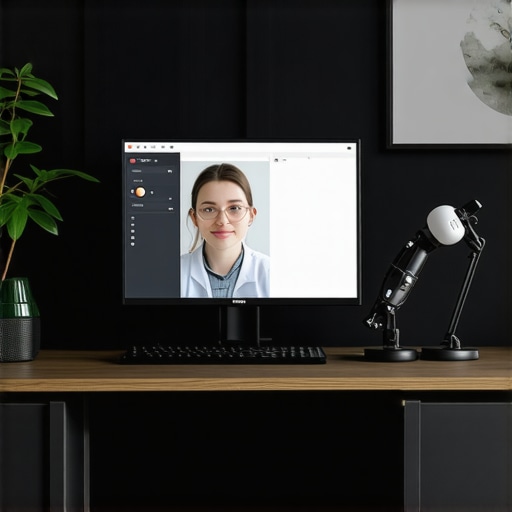
Predictions point towards even smarter integration of wearables and virtual diagnostics, enabling continuous health monitoring outside the clinic. To adapt, I recommend you incorporate regular calibration of your devices and stay informed about new technological updates released by trusted manufacturers, like Apple Health or Fitbit, which often include advanced health monitoring features. These steps ensure your long-term health data remains accurate and actionable.
Want to elevate your telehealth routine? Try setting up a dedicated workspace with optimized lighting and minimal distractions, and ensure all your devices are synchronized and functioning. A small investment now in your digital health infrastructure can yield significant benefits in maintaining your wellness with minimal hassle. For a detailed guide on selecting at-home tests and integrating them into your routine, check out this resource about remote lab testing. Start small—pick one critical tool or routine adjustment today, and experience how it enhances your control over your health journey.
Why I Never Expected To Overcome My Health Skepticism
Initially, I believed that virtual healthcare couldn’t match the depth of in-person visits, but real-world experience taught me otherwise. Discovering how remote labs and telehealth consultations could catch early warning signs made me rethink my approach to health. This shift liberated me from traditional constraints and opened doors to proactive wellness strategies that I hadn’t considered before.
How Small Tech Tweaks Can Save Big Time and Stress
Investing in quality webcams and a dedicated Wi-Fi network might seem trivial, but these adjustments made a significant difference in my virtual appointments. Reliable tools mean more accurate assessments and fewer frustrations, ensuring I stay engaged in my health journey without technical distractions. Trust me—this is a game-changing step toward effective digital wellness management.
The Hidden Wisdom Behind Consistent Lab Monitoring
Routine lab tests serve as an early warning system, often alerting me to issues well before symptoms emerge. Understanding which tests to prioritize—like liver enzymes or blood sugar—helps me avoid crises and tailor treatments proactively. This knowledge has empowered me to partner effectively with my healthcare providers and maintain better control over my health.
The Power of Digital Record-Keeping for Long-Term Thrive
Tracking symptoms, medication adjustments, and lab results through digital logs has transformed my approach from reactive to strategic. Recognizing patterns over time allows me to make informed decisions and catch anomalies early. This habit solidifies my commitment to personalized wellness and keeps me engaged with my health data.
My Top Resources for Smarter Wellness in a Digital Age
- Vital Clinic MD’s guide on lab tests and preventive wellness: Offers clear insights on essential tests for early detection and prevention.
- Trusted telehealth platforms endorsed by experts: Ensures secure, HIPAA-compliant consultations tailored to chronic and long-term condition management.
- At-home testing kits like Everlywell: Convenient tools that make routine monitoring accessible without clinic visits.
- Scientific literature on telehealth efficacy: Deep dives into research validating virtual care approaches for various health conditions.
Your Next Step in Digital Wellness Starts Now
Embracing telehealth, remote lab testing, and vaccination planning isn’t just a trend—it’s a smarter way to care for yourself every day. With the right tools and mindset, you can stay proactive, catch issues early, and enjoy peace of mind. Are you ready to take control and revolutionize your health routine? Share your thoughts below—what’s the biggest change you’d like to try first?