
The Truth About Electrolytes: Why Sports Drinks are Failing You
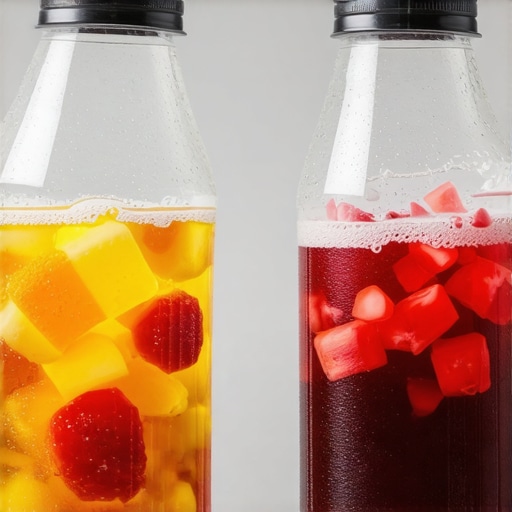
One sweltering afternoon, I reached for what I thought was my salvation—a brightly colored sports drink promising instant energy and rapid electrolyte replenishment. But as I sat there, feeling more sluggish than before, a lightbulb moment hit me. Could it be that those flashy bottles are actually doing more harm than good? I’ve been there, mistaken by marketing hype and assumptions, only to discover the truth through personal experience and careful research.
Why Are Sports Drinks Not the Reliable Solution We Think They Are?
The industry has sold us a simple story: when you sweat, you lose electrolytes, so sipping these colorful beverages will restore your balance and keep you going. But the reality is more complicated. Many sports drinks are loaded with added sugars, artificial flavors, and unnecessary ingredients that may sabotage your health rather than support it. Early on, I made the mistake of relying solely on sports drinks after workouts, thinking I was aiding my recovery. Instead, I was consuming excess calories and toxins that contributed to fatigue and weight gain.
Is Hydration with Sports Drinks Really Worth the Hype?
There’s widespread skepticism about their efficacy, and rightly so. Simply put, many athletes and health-conscious individuals are duped by marketing claims rather than science. Recent studies show that for average activity levels, water is often sufficient for hydration, and electrolyte supplements aren’t necessary unless you’re engaging in prolonged, intense exercise (>2 hours). Even then, a balanced diet can typically provide the nutrients needed without the added chemicals.
If this resonates with you—if you’ve ever poured money into drinks that promised performance boosts but left you feeling worse—you’re not alone. The key is recognizing that the market’s hype can obscure simple, effective strategies for maintaining proper hydration and electrolyte balance. Curious whether your own hydration habits are sabotaging your health? Check out this resource on lab testing and wellness to learn how to verify your electrolyte levels accurately.
In the following sections, I’ll share practical insights and evidence-based tips that will help you differentiate between marketing myths and scientifically supported practices. Ready to break free from the cycle of ineffective hydration routines? Let’s get started.
Start with Accurate Data Collection
The foundation of a personalized wellness plan is reliable lab data. During my own journey, I once scheduled a fasting blood test without considering the time of day or my recent activities. The results were confusing, leading to unnecessary worry. I learned that preparing properly—avoiding caffeine, fasting for at least 8 hours, and scheduling the test early in the morning—can significantly improve accuracy. To ensure your tests reflect your true health status, review guidelines on optimal lab test preparation and implement these steps consistently.
Leverage Telehealth for Expert Guidance
Instead of waiting weeks for specialist appointments, virtual consultations offer a quick, effective alternative. I once used telehealth to discuss persistent fatigue with a healthcare provider. We reviewed my lab results together via a secure platform, saving time and avoiding unnecessary travel. This approach is especially valuable for ongoing management of chronic conditions and for making timely decisions about vaccinations or medication adjustments. Explore how telehealth is transforming personal care and integrate it into your routine.
Incorporate Regular, Targeted Lab Testing
Routine physicals often miss critical markers. I discovered that checking hormones like thyroid TSH and ferritin levels revealed underlying causes of my fatigue that a standard checkup overlooked. By requesting specific tests based on symptoms, or following a personalized testing schedule, you can detect early issues before they become serious. Review expert advice on wellness check essentials and make these tests a consistent part of your health strategy.
Prioritize Vaccinations and Immunity Checks
Vaccination schedules aren’t static; they need updating based on current health status and exposure risks. I used to rely on generic schedules, but learned that evaluating my immunity with specific tests allowed me to optimize my protection. For example, testing for immunity against key diseases helped decide whether a booster was necessary. Consult vaccination optimization strategies to tailor your protection plan effectively.
Merge Data and Care for Holistic Wellness
Combining lab data with telehealth consultations produces a clearer picture of overall health. By regularly reviewing your results and adjusting lifestyle or treatments accordingly, you’ll stay ahead of potential issues. I found that integrating these strategies allowed me to address fatigue holistically, rather than chasing symptom after symptom. Dive into comprehensive wellness approaches and craft a personalized plan that evolves with your needs.
While much of the wellness industry encourages us to focus on surface-level solutions, I’ve found that true progress requires understanding the subtle details that often go unnoticed. For example, the common myth that more frequent lab testing always translates into better health can be misleading. In reality, over-testing can lead to unnecessary anxiety and even unnecessary treatments. The key lies in knowing which tests are truly informative and how to interpret them accurately. According to experts like Dr. Robert Green from Harvard Medical School, unnecessary testing may do more harm than good by leading to false positives and overtreatment. Therefore, adopting a discerning approach to lab tests and understanding their context is essential.
How Can Advanced Lab Data Protect You Beyond Routine Tests?
This question taps into the deeper value of personalized testing, which can reveal hidden risks like insulin resistance or early inflammation that standard panels often miss. For instance, markers like fasting insulin levels can provide early warning signs that glucose tests alone overlook. Incorporating such nuanced testing into your wellness plan can significantly improve disease prevention efforts. You can explore more about how lab tests can detect hidden health risks early by reviewing this resource.
Another misconception is believing that telehealth replaces the need for physical exams entirely. While virtual consultations are excellent for accessibility and convenience, there’s an overgeneralization that they can entirely replace in-person visits. The reality is that telehealth serves best as a complementary tool, allowing for preliminary assessments and routine check-ins. Complex diagnoses or procedures still require in-person diagnostics, especially when physical examinations or complex tests are involved. This nuance is crucial for setting realistic expectations. Explore how telehealth is transforming wellness to understand its optimal role.
In terms of vaccinations, a pivotal mistake many make is assuming that a standard schedule will suffice for everyone. Conversely, personalized vaccination schedules can be far more effective, especially for adults with specific health risks or exposure profiles. Recognizing that immunity wanes over time or varies between individuals emphasizes the importance of tailored vaccination planning. For detailed strategies, see this guide.
Integrating personalized lab testing with telehealth and customized vaccination plans positions you to identify and address unique health risks before they manifest into serious issues. It’s about moving away from a one-size-fits-all mentality toward a nuanced, proactive approach. Remember that informed decisions hinge on understanding these subtle differences, rather than blindly following popular trends.
Have you ever fallen into this trap? Let me know in the comments and share your experience with misunderstood wellness practices.
How do I keep my wellness tools reliable over time?
Living a proactive health-conscious life requires not just choosing the right tools but maintaining them effectively. I rely heavily on digital health platforms like telehealth services for regular check-ins and updates, ensuring I stay aligned with my health goals without the hassle of frequent in-person visits. For lab testing, I prefer at-home testing kits that are easy to use and provide quick, actionable results. These kits, combined with virtual consultations, allow me to track my health markers with precision, adjusting my routines proactively.
To keep my lab data current, I schedule tests once or twice a year, focusing on critical markers like vitamin D levels, thyroid function, and inflammation indicators. I’ve found regular wellness checks to be invaluable for catching subtle shifts early. Incorporating reminders through my health app helps me stay consistent, making maintenance less of a chore and more of a seamless part of my routine.
Gearing up for the future of wellness tools
Looking ahead, I predict a rise in wearable devices that integrate directly with lab testing data, providing continuous monitoring of vital signs and biochemical markers. This innovation could make realtime health tracking a norm, empowering individuals to make real-time adjustments and catch issues before symptoms arise. Such advancements could revolutionize our approach to preventive care, making wellness maintenance more intuitive and personalized.
What’s the secret to longevity with these tools?
Adaptability and regular updates are key. I make a point to keep my apps and devices updated, ensuring compatibility with new features and security standards. Trusting reputable sources and expert advice, like those found in the importance of precise lab analysis, ensures I’m not misled by marketing hype but rather guided by science. Remember, the aim isn’t just to gather data but to use it wisely for long-term results.
Why not try scheduling a comprehensive lab test this month and using a telehealth platform for interpretation? It’s a small step that can make a significant difference in maintaining your wellness journey with confidence. To stay ahead, always verify your data and stay engaged with your health — the tools are only as good as how you use them.
Lessons That Changed My Approach to Care
One of the most profound lessons I learned is that trusting industry hype can lead to neglecting personalized health strategies. Early in my journey, I believed that more tests and frequent screenings always meant better care, but I realized quality over quantity matters more. The second revelation was understanding that virtual care, while powerful, isn’t a complete substitute for in-person assessments when it comes to nuanced health issues. Lastly, I discovered that proactive vaccination planning tailored to individual needs offers far better protection than relying solely on standard schedules, which often overlook personal risk factors.
Tools and Resources That Stand Out
My comprehensive guide to accurate wellness evaluation includes the lab testing resources that help demystify complex results, empowering you to make informed decisions. I also rely on telehealth platforms for their convenience and expert guidance, especially for ongoing chronic condition management. The vaccination guides help me stay current with personalized schedules, ensuring optimal protection tailored to my lifestyle. Finally, trusted health apps remind me to schedule periodic tests and vaccination updates, keeping my wellness routine streamlined and effective.
Your Next Move Toward Smarter Wellness
Now is the moment to take ownership of your health by questioning assumptions and embracing data-driven strategies. Incorporate targeted lab tests, leverage telehealth for expert insights, and personalize your vaccination plan. Remember, care isn’t one-size-fits-all—it’s a continual process of learning and adjusting. Your wellness journey is unique, and these tools and insights can help you navigate it with confidence and clarity. Don’t wait for health issues to arise—start refining your approach today and feel empowered knowing you’re making informed choices for a healthier tomorrow.