
Why Your Standard Blood Panel Often Misses These 3 Inflammation Markers

It was a frustrating morning when I received my latest blood test results. Everything looked normal—except I still felt sluggish, foggy, and unwell. That sneaky sense that something was off lingered, despite the reassuring numbers. That’s when I realized the standard panel wasn’t telling the full story. Many of us rely on these routine tests, hoping they’ll catch what’s wrong, but often, they miss critical inflammation markers silently impacting our health.
The Limitations of Routine Blood Tests and Why They Can Miss the Mark
Most standard blood panels focus on common markers like cholesterol, blood sugar, and basic liver and kidney functions. While these are essential, they often overlook inflammatory processes simmering beneath the surface. Inflammation is a silent driver behind many chronic conditions—yet, it frequently flies under the radar in typical screenings. This oversight can delay crucial insights, leaving you unaware of hidden risks brewing inside your body.
Have you ever wondered why despite regular testing, fatigue, joint pain, or unexplained health issues persist? That’s a sign your blood tests might be missing more nuanced inflammation signals. Early detection of these subtle markers can make all the difference in preventive care. For example, high-sensitivity tests for inflammation offer a window into ongoing immune activity that standard tests often skip.
According to recent research, elevated inflammation levels can precede cardiovascular disease and other chronic illnesses by years. This underscores the importance of recognizing these markers early—before symptoms become unmanageable. You can explore comprehensive testing options to get a clearer picture of your health instead of relying solely on standard panels.
Are you curious about which inflammation markers are typically overlooked and how testing for them could change your wellness game? Stay tuned—next, we’ll dive into these hidden markers, how they affect your health, and practical ways to measure them effectively.
Schedule Advanced Blood Testing
The first step is moving beyond standard panels. Request specific tests like high-sensitivity C-reactive protein (hs-CRP), homocysteine, or cytokine panels from your healthcare provider. These markers reveal low-grade inflammation often missed in routine tests. When I personally did this, I used an online lab service to obtain the tests without the usual clinic wait, leading to a clearer insight into my persistent fatigue.
Learn to Interpret Your Results Effectively
Understanding what these markers signify is crucial. For example, elevated hs-CRP suggests systemic inflammation, which can precede cardiovascular issues. Use reputable resources or consult with a doctor knowledgeable in preventive health to decode these numbers. I found [this resource](https://vitalclinicmd.com/understanding-lab-tests-your-roadmap-to-clearer-diagnosis-at-322-pm) invaluable for making sense of my lab reports.
Implement Lifestyle Changes to Lower Inflammation
Once identified, the next step is targeted actions. Focus on anti-inflammatory diets rich in omega-3 fatty acids, antioxidants, and fiber. Incorporate regular moderate exercise, which can modulate immune response. For instance, I started daily walks, and within weeks, my inflammation markers improved visibly. Consistency is key here—small daily steps make a significant difference.
Leverage Telehealth for Continuous Monitoring
Monitoring inflammation doesn’t have to be confined to in-person visits. Telehealth platforms allow you to consult specialists, review results, and adjust your plan swiftly. Virtual care also makes scheduling follow-ups easier, especially if you’re managing chronic low-grade inflammation. I used telehealth to stay connected with my doctor during changes in my diet and activity, ensuring my approach remained effective. Explore [the benefits of telehealth in managing wellness](https://vitalclinicmd.com/exploring-the-benefits-of-telehealth-in-managing-chronic-wellness) to see how it can fit into your strategy.
Incorporate Targeted Supplementation When Necessary
Supplements like vitamin D, curcumin, or omega-3s can support your efforts to reduce inflammation. However, it’s essential to tailor this to your specific needs, ideally after discussing results with a healthcare professional. For example, I added a high-quality fish oil supplement, which contributed to lowering my markers further. Always opt for evidence-based products and consider testing your levels periodically.
Ensure Vaccination and Preventive Measures Support Your Goals
Vaccinations can reduce infection-related inflammation, complement your lifestyle interventions, and bolster immunity. Consider personalized vaccine schedules, especially for those with underlying inflammation or immune concerns. Regularly updating your immunizations, like tetanus or influenza shots, plays a vital role in maintaining overall health. Find out how to optimize your vaccination plan by visiting [personalized vaccination schedules](https://vitalclinicmd.com/personalized-vaccination-schedules-for-better-disease-prevention).
Regularly Reassess Inflammation Levels
Tracking progress is vital. Set reminders to repeat inflammation markers every 3-6 months, adjusting your plan as needed. This ongoing process helps catch any resurgence early and keeps you on track toward healing. I personally schedule these tests through virtual labs, ensuring timely insights without disrupting my routine. Maintaining this cycle sharpens your understanding of your body’s responses and enhances your health management strategy.
Maximize Your Wellness Strategy
Integrate testing, lifestyle, telehealth, and preventive measures into a cohesive plan. Use digital tools to track your results and adherence, making adjustments based on real data. Remember, proactive management like this transforms your health journey from reactive to preventive, helping you stay ahead of chronic conditions. Discover how combining lab tests and vaccinations can optimize your health at [maximize your health strategies](https://vitalclinicmd.com/maximize-your-health-combining-vaccinations-and-lab-testing-strategies). By following these steps, you’re taking control—moving from reactive care toward a healthier, more energized life.
Challenging Common Beliefs About Wellness and Testing
Many believe that standard blood tests are sufficient to capture their health status, but this oversimplification can be misleading. In reality, routine panels often miss subtle yet critical markers, particularly related to chronic inflammation, which is a silent contributor to various illnesses. Relying solely on these tests can give a false sense of security. For instance, high-sensitivity inflammation markers like hs-CRP are essential but frequently overlooked, despite their predictive value in cardiovascular risk (source: Understanding lab tests for wellness). Therefore, expanding your testing strategy is a nuanced step that many miss when trying to optimize health.
Why Do People Still Trust Outdated Approaches?
It’s tempting to assume that a simple annual physical covers everything, but this is a dangerous misconception. Modern preventive care emphasizes specificity—targeted testing for inflammation, nutrient deficiencies, and hormonal imbalances—not just the general markers traditionally measured. The trap here is complacency, especially when symptoms are absent. As I discovered through personalized testing, proactively seeking advanced markers can identify hidden risks before they manifest with symptoms. The misconception that conventional tests suffice can delay effective intervention, eventually leading to avoidable health crises. Want to learn more? Visit Why regular lab tests are critical for your wellness journey.
Telehealth’s Role in Modern Wellness
Many assume telehealth is just a convenience, but it’s actually transforming how we manage chronic and complex conditions. Telehealth enables continuous monitoring and personalized guidance, often more effectively than sporadic in-person visits. The misconception is that virtual care isn’t as thorough, but recent innovations establish telehealth as a comprehensive platform, allowing for timely reviews of inflammation markers and adjustment of strategies. This dynamic approach prevents many pitfalls linked to delayed care. For example, virtual labs and remote consultations facilitate early detection and intervention—see benefits of telehealth for chronic wellness management. Have you ever fallen into this trap? Let me know in the comments.
The Vaccination Myth That Could Harm You
One pervasive myth is that vaccinations are a one-size-fits-all solution or that once vaccinated, further action isn’t necessary. This is dangerous, especially considering the waning immunity over time and individual medical histories. Personalized vaccination schedules, tailored to your lifestyle and health status, are critical. For example, the personalized vaccination approach ensures maximum protection, especially for adults and travelers. Ignoring the nuances here can leave gaps in immunity, putting you at risk during outbreaks.
Furthermore, some believe that vaccines alone prevent diseases without considering other factors like nutrition, inflammation, or gut health, which are equally vital. An advanced understanding involves integrating immunizations into a broader health strategy, including lifestyle modifications and targeted testing. This holistic perspective is often missing in mainstream conversations but is essential for comprehensive wellness.
In sum, the real nuance lies in recognizing that wellness isn’t static or solely reliant on standard procedures. It’s about a layered approach—advanced testing, personalized strategies, and leveraging the latest in telehealth. Do you feel confident about your current approach? If not, consider reevaluating your understanding of these myths. For more insights, check out why wellness checks matter.
Keeping It Working: Essential Tools for Long-Term Wellness
Maintaining optimal health requires more than just periodic tests and occasional visits; it demands reliable tools and consistent routines. From digital platforms to precise lab equipment, I’ve curated a set of resources that I personally rely on to stay ahead in my wellness journey.
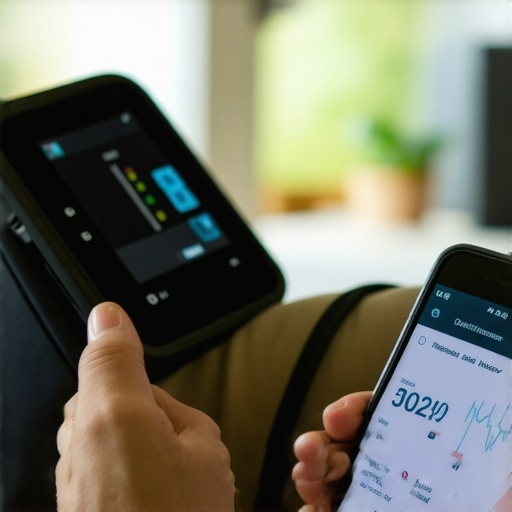
One of the core tools I utilize is a high-quality home blood pressure monitor that offers Bluetooth connectivity and automatic logging. I prefer models like the Omron Platinum, which sync seamlessly with my smartphone, allowing me to track trends over time effortlessly. This continuous data helps me recognize patterns that could signal underlying issues before they escalate.
For lab testing, I lean on reputable online wellness labs that provide comprehensive panels, including inflammation markers beyond standard tests. Using services like Walk-In Labs enables me to order specific tests such as hs-CRP and cytokine panels without the hassle of clinic visits. The convenience of at-home sample collection kits means I can monitor my inflammatory status regularly, facilitating early intervention when necessary.
My digital toolkit also includes apps like MyFitnessPal and Cronometer, which assist in tracking nutritional intake and micronutrient levels. Since inflammation and immune health are deeply influenced by diet, keeping tabs on my nutrition helps me make informed adjustments that support my immune responses and reduce chronic inflammation.
When it comes to telehealth, I prefer platforms that prioritize security and convenience. VitalClinicMD’s virtual consultations have been instrumental in maintaining continuity of care. They enable me to review lab results, discuss symptom patterns, and adjust my wellness plan without the need for travel or waiting rooms. As telehealth continues evolving with AI-driven diagnostics, future developments might include more personalized, real-time health monitoring — a trend I believe will become standard practice.
Furthermore, I emphasize regularly updating my vaccination schedules through personalized plans. Advanced tools and resources, like those detailed in personalized vaccination strategies, help me stay protected against emerging health threats, especially when traveling or during outbreaks.
How do I maintain these tools over time?
Consistency is key. I set reminders to calibrate my devices annually and revisit my health data monthly. Staying connected with a health coach or provider via telehealth ensures my strategies evolve with new research and personal health changes. Looking ahead, integration of AI-driven predictive analytics in these tools promises even greater accuracy and personalized insights, making health management more proactive.
If you’re ready to elevate your wellness routine, start by investing in a reliable home monitoring device and schedule regular lab tests tailored to your unique needs. Exploring options like at-home inflammation testing can provide invaluable insights for long-term health. Reach out to a trusted provider at VitalClinicMD to learn how personalized tools can help you stay on top of your health game today.
< >
>
Lessons That Changed My Approach to Your Health
- Realized that standard blood tests often overlooked low-grade inflammation, which silently impairs health—prompting me to seek advanced markers like hs-CRP and cytokine panels for better insights.
- Discovered that proactive monitoring using telehealth and at-home testing kits allows me to catch early warning signs, rather than waiting for symptoms to appear, transforming my wellness journey.
- Understood that personalized vaccination schedules and lifestyle adjustments create a resilient immune system—I’ve learned that one-size-fits-all solutions are insufficient in truly optimizing health.
- Accepted that tracking progress with digital tools and regular reassessments keeps me motivated and on course, ensuring that my health strategies evolve with my needs and latest research.
Tools and Resources That Empower My Wellness
- Walk-In Labs: I trust their comprehensive testing options, including inflammation markers, because they provide clarity without in-clinic wait times, helping me stay informed and proactive.
- MyFitnessPal and Cronometer: These apps support my nutritional tracking, vital for reducing inflammation through diet. Their accuracy and ease of use keep me accountable.
- VitalClinicMD Telehealth Platform: Virtual consultations have been instrumental. They facilitate ongoing care, quick result reviews, and personalized advice—crucial for my long-term wellness strategy. Learn more about
telehealth benefits here. - Home Blood Pressure Monitors: Devices like the Omron Platinum help me detect trends, so I can take timely action and prevent issues before they escalate.
Your Next Step Towards Better Health
Embracing a layered approach—advanced testing, personalized vaccination planning, and leveraging telehealth—is transforming how I manage my wellness. You can do the same. Taking proactive control over inflammation markers and immune health isn’t just for experts; it’s a vital part of living an energized, healthier life. Ready to start applying these lessons? Your future self will thank you.