
Why you should check your kidney function before starting a high-protein keto diet
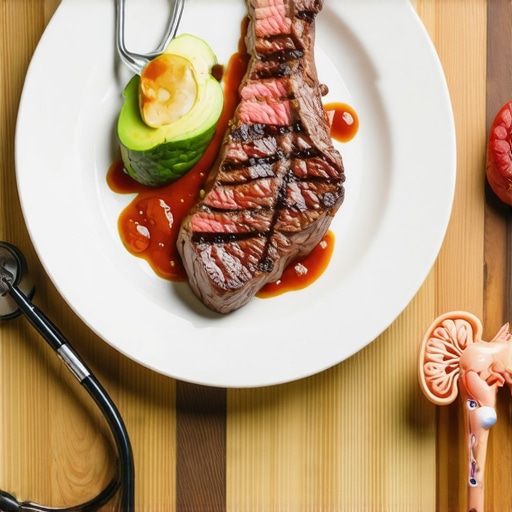
I will never forget the metallic taste in my mouth and that nagging, deep throb in my flank just three weeks into my first high-protein keto journey. I thought I was doing everything right—counting macros, hitting the gym, and saying no to every bread basket in sight. But I was ignoring the silent workers downstairs: my kidneys. It turns out, my “get fit quick” plan was actually an accidental stress test for my renal system that I wasn’t prepared for. Most of us jump into these diets with great intentions, but we forget that our internal hardware needs to be compatible with the new software we are trying to run.
Your Kidneys Do Not Bark Until They Bite
If you are like me, you probably think your kidneys are invincible as long as you are not in pain. That is a dangerous gamble. When you flood your system with massive amounts of protein, your kidneys have to work overtime to filter out the nitrogen byproducts. It is like forcing a small garden hose to handle the output of a fire hydrant. I learned the hard way that why your high protein diet might be stressing your kidneys is not just a catchy headline; it is a physiological reality. I made the classic rookie mistake of skipping my baseline labs because I was too busy and felt fine. Do not be me. Taking a moment for why regular lab tests are critical for your wellness journey before you overhaul your plate can mean the difference between a successful transformation and a medical emergency. Have you ever felt that strange, unexplained fatigue even though your macros were supposedly perfect?
Is All That Extra Steak Actually Worth the Hype?
According to the National Kidney Foundation, roughly 33% of American adults are at risk for kidney disease, yet the vast majority have no idea because symptoms rarely show up until the very late stages. When you go keto, you are not just changing your fuel source; you are changing your internal chemistry. This is why understanding the role of lab tests in preventive wellness is so vital. Just as you should check your iron status before changing your diet, you need to know your GFR (Glomerular Filtration Rate) and creatinine levels. It is about more than just passing a test; it is about making sure your body can actually handle the heavy lifting you are about to ask of it. We are going to dive into the specific markers you need to watch next.I used to treat my body like a rental car—pushing it to the limit without checking the oil. When I started keto, I thought more protein always equaled more muscle. I was wrong. The first step to not burning out your kidneys is getting a clear picture of what is happening under the hood. You would not overclock a computer without monitoring the CPU temperature, right? Your GFR is your body’s temperature gauge.
The Three Numbers That Rule Your Renal Health
To avoid the metallic taste phase I went through, you need hard data. Start by requesting a Comprehensive Metabolic Panel (CMP). I once spent weeks wondering why I felt sluggish on a high-steak diet, only to realize my BUN levels were through the roof. I found out that why a full metabolic panel is better than a basic blood draw for fatigue is because it looks at the whole ecosystem, not just a single snapshot.
Track Your Glomerular Filtration Rate
The GFR is the gold standard for renal assessment. It tells you exactly how well your kidneys are filtering waste. If this number starts dipping while your protein intake is climbing, you are hitting the red line. When I saw my own GFR dip into the low 70s during a heavy bulk, I panicked. It was a wake-up call that I needed to cycle my protein sources and increase my hydration immediately.
Watch the Blood Urea Nitrogen
BUN measures the amount of nitrogen in your blood that comes from the waste product urea. High protein intake naturally means more urea. If your BUN is high but your creatinine is normal, you might just be dehydrated or over-consuming protein. This is a nuance most people miss until they see the numbers on paper.
Skip the Waiting Room for Your Lab Orders
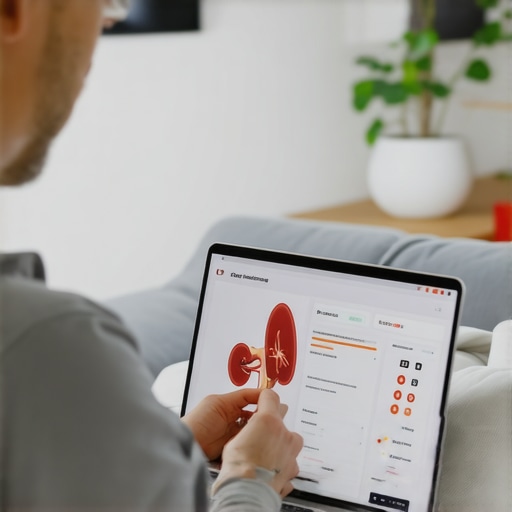 The biggest hurdle I faced was the logistics of healthcare. I did not want to take half a day off work just to ask a doctor for a lab slip. This is where unlocking the power of telehealth for fast convenient wellness access changed the game for me. I could hop on a call during my lunch break, explain my dietary changes, and have a lab order sent to a local draw site within minutes.
Speed Up Your Results with Virtual Care
Using telehealth insights the future of accessible healthcare services allows you to review those results with a professional without the commute. I remember sitting in my car, looking at my labs on my phone, and having a practitioner explain exactly why my morning coffee was actually making my kidney markers look worse. It is about the easiest way to manage heart health markers between scheduled doctor visits while ensuring your kidneys are not collateral damage in your quest for health.
Fine Tune Your Electrolyte Balance
On keto, you dump water and sodium fast. Your kidneys are responsible for this constant balancing act. I used to get massive leg cramps at night until I realized I was not just low on water; I was low on essential minerals. It is vital to recognize the specific magnesium form that stops muscle cramps in days because not all supplements are created equal. Adding high-quality electrolytes prevents your kidneys from struggling with blood volume issues on top of the high-protein filtration load.
I used to think that as long as I was hitting my protein goals and taking a handful of supplements, I was the picture of health. But there is a massive nuance that most fitness enthusiasts miss: your supplements might be sabotaging your data. We often believe that more is better, especially when it comes to vitamins, but high doses of certain nutrients can actually trigger false readings on the very tests we use to monitor our safety.
Stop Letting Your B12 Supplement Lie to Your Doctor
One of the biggest ‘oops’ factors I encountered was the interference of high-dose vitamins with lab accuracy. Everyone says to load up on B-vitamins for energy during keto, but in my experience, this can lead to a diagnostic nightmare. For instance, why your vitamin b12 results might be misleading if you take certain supplements is a phenomenon often caused by biotin interference in the lab assays. I spent a week panicking over ‘abnormal’ levels that were actually just a result of my morning multivitamin. If you are going for blood work, you need to pause your supplement stack at least 48 hours prior to get a clean read.
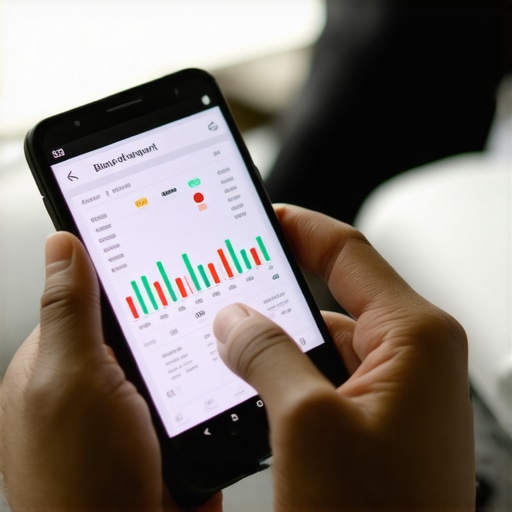
This data integrity is even more crucial when we talk about the liver. We often obsess over kidneys on high-protein diets, but your liver enzymes are the silent partners in this metabolic dance. I have seen people assume their liver is fine because they do not drink, yet their labs tell a different story. Learning why your liver enzymes might be high even if you dont drink is essential because heavy lifting and extreme protein loads can cause transient spikes that look like pathology but are actually just acute stress. You have to know how to read your own liver enzyme results without the medical jargon to differentiate between ‘gym-induced’ elevation and real organ fatigue.
Does Your Diet Change Mean You Should Delay Your Next Shot?
A common myth in the wellness community is that you should avoid vaccinations while your body is ‘adjusting’ to a new diet like keto or carnivore. The logic usually suggests that the body is already under stress and cannot handle an immune challenge. However, a study published in the Journal of the American Society of Nephrology suggests that metabolic stability is actually enhanced when the immune system is properly primed, regardless of dietary shifts. Delaying essential care based on a ‘detox’ theory is a dangerous trap. In fact, vaccinations myths busted what you need to know in 2025 at 1207 pm highlights that keeping your immunity current is even more vital when you are putting your body through a physical transformation. The key is to coordinate, which is why the essential lab tests you need for accurate vaccination planning can help ensure your inflammatory markers are in a good place before you head to the clinic. Have you ever fallen into this trap of over-supplementing while trying to get healthy? Let me know in the comments.
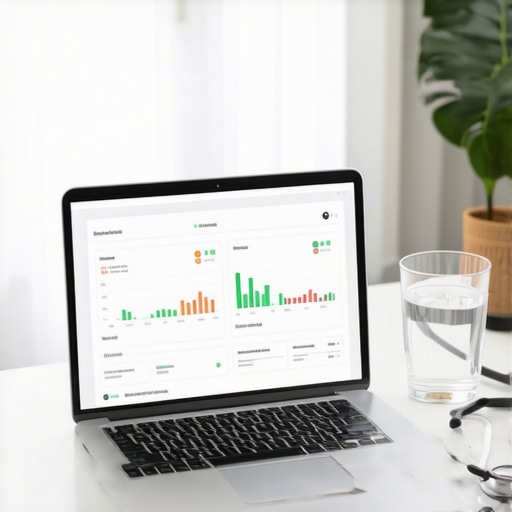
I’ve realized that the ‘set it and forget it’ mentality is exactly what leads to the metabolic stalls I used to suffer from every October. To keep things working long-term, I treat my wellness like a quarterly business review rather than a New Year’s resolution. I don’t wait for symptoms to appear; I use telehealth innovations how virtual care is changing wellness in 639 am to bridge the gap between my larger biannual checkups. For me, the real game-changer was moving away from the ‘one and done’ lab visit and adopting a proactive ‘seasonal baseline’ approach. I personally use a digital health dashboard to overlay my daily protein intake against my BUN and GFR trends. This allows me to see the specific ‘lag time’ between a dietary change and an internal shift before it becomes a problem.
Sync Your Stats to Your Seasons
Maintenance isn’t about doing the same thing forever; it is about adjusting the knobs as the environment changes. During the winter, when my activity levels drop but my protein remains high, I notice my creatinine tends to creep up. Instead of panicking, I leverage exploring the benefits of telehealth in managing chronic wellness to adjust my hydration protocols in real-time. I recommend a specific tool: a smart water bottle that integrates with your fitness tracker. It sounds like overkill until you see the direct correlation between a 20-ounce deficit and a spike in your urea levels on your next lab report. It’s about maximize your health combining vaccinations and lab testing strategies so you are never caught off guard by a preventable inflammatory spike.
How do I maintain peak kidney function over years of high protein?
The secret is cycling. Just as you cycle your workouts, you should cycle your protein density. A study published in the Journal of the International Society of Sports Nutrition (JISSN) notes that while high-protein diets are generally safe for healthy individuals, the cumulative load of high-nitrogen waste requires periods of ‘metabolic rest’ or increased phytonutrient intake to assist the kidneys. This is why I am so adamant about monitoring the 7 markers in your blood work that actually predict longevity. It’s not just about today’s bench press; it’s about making sure your filtration system isn’t ‘aging out’ of your lifestyle faster than your muscles are growing. I predict we are less than five years away from a consumer-grade interstitial fluid sensor—similar to a CGM—that tracks creatinine in real-time. Until then, you have to be your own data scientist.
Stop Guessing and Start Data-Dumping Your Labs
If you really want to scale your health, you need to stop viewing blood work as a ‘scary’ event. I now treat my lab orders as my most valuable piece of equipment, more important than my gym membership or my fancy blender. By understanding lab tests your roadmap to clearer diagnosis at 322 pm, you gain the autonomy to tweak your diet without the anxiety of the unknown. My advanced tip for you this week: Download your last three years of lab results and plot them on a simple line graph. If you see a downward trend in your GFR, don’t wait for your next physical—reach out to a professional immediately through a contact us page to get a specialist’s eyes on it before you add another scoop of whey to your morning shake.
I’ve realized that the ‘set it and forget it’ mentality is exactly what leads to the metabolic stalls I used to suffer from every October. To keep things working long-term, I treat my wellness like a quarterly business review rather than a New Year’s resolution. I don’t wait for symptoms to appear; I use telehealth innovations to bridge the gap between my larger biannual checkups. For me, the real game-changer was moving away from the ‘one and done’ lab visit and adopting a proactive ‘seasonal baseline’ approach.
The Unexpected Truth About Chasing a Perfect Physique
Your kidneys are not just filters; they are the guardians of your metabolic threshold. I spent years thinking my protein shake was my best friend, but without data, it was often a liability for my renal system. Real growth happens when you stop guessing and start measuring. I’ve learned that why wellness checks are your first step to better health at 945 am because they reveal the silent signals your body is sending before they turn into symptoms. It is a sobering reality that how lab tests can detect hidden health risks early in your wellness pathway is the only way to truly protect your internal hardware while you upgrade your external appearance. Taking that extra step to look at your filtration markers ensures your high-protein journey doesn’t end in a hospital bed.
My Personal Survival Kit for Long-Term Vitality
To stay on top of my game, I rely on a few specific tools that keep the data flowing. First, I use a high-resolution smart scale that tracks more than just weight; I need to see my hydration levels to ensure my kidneys aren’t struggling. Second, I’ve embraced revolutionizing wellness how telehealth transforms personal care to get immediate interpretations of my blood work without the two-week wait for an in-person appointment. Lastly, I keep my immune system in check because an inflammatory spike can throw off my metabolic markers for weeks. I always make sure to boost your immunity with expert vaccination tips in the afternoon at 454 pm to keep my training consistent and my lab results clean.
#IMAGE_PLACEHOLDER_E#
Your Metabolism is a Symphony Not a Sprint
You are building a body that is meant to last decades, not just through the next summer season. By integrating consistent data into your lifestyle, you take the ego out of your nutrition and replace it with hard science. Ensuring you have personalized vaccination schedules for better disease prevention alongside your quarterly blood work creates a fortress of health around your fitness efforts. Your kidneys work hard for you every single second—give them the respect of a regular check-in. What was the most surprising thing your blood work ever revealed to you about your diet?