
Why your blood sugar spikes in the morning even if you didn’t eat
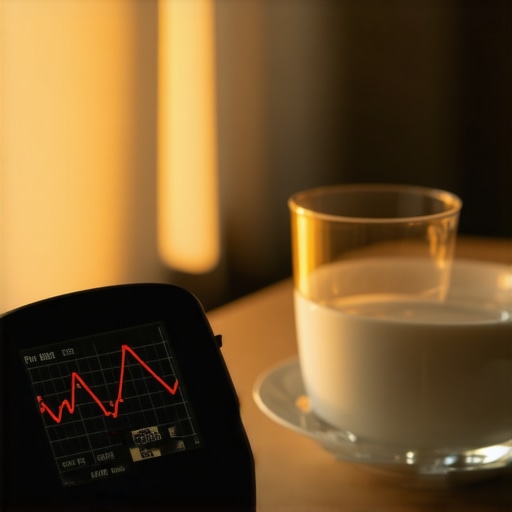
I’ll never forget the morning I stared at my glucose monitor in utter disbelief. I had been ‘perfect’ the day before—no pasta, no dessert, and a light walk after dinner. I went to sleep feeling like a health champion, only to wake up and see a fasting number that looked like I’d spent the night eating donuts in my sleep. It felt like a total betrayal. If I didn’t eat anything for ten hours, how on earth could my sugar be higher than it was when I closed my eyes? I spent weeks frustrated, thinking I was failing, until I realized my body wasn’t broken; it was just being a bit too helpful. Today, we’re going to look at why your body does this and how to finally get those morning numbers under control. [IMAGE_PLACEHOLDER]
Your Liver Is Throwing a Party While You Sleep
The reality is that your body has a built-in alarm clock that doesn’t just make noise—it dumps fuel into your system. This is often called the Dawn Phenomenon. Around 3:00 or 4:00 AM, your body starts pumping out hormones like cortisol and growth hormone to get you ready for the day. These hormones tell your liver to release stored glucose for energy. It’s a survival mechanism from our ancestors who needed to hunt a mammoth the second they woke up, but for us, it just leads to a frustrating reading on our preventive wellness checks. I made the classic mistake of thinking the answer was to eat even less at night. In reality, I actually made things worse by starving myself, which triggered an even bigger stress response from my liver. If you’ve ever felt like your lab results come back normal while you still feel like trash, you know that gap between what the numbers say and how you actually feel.
Is My Glucose Meter Actually Lying to Me?
It’s the first thing everyone asks when the numbers don’t match their diet. ‘Maybe the strips are bad?’ or ‘Maybe I had jelly on my finger?’ While a bad batch of strips happens, it’s rarely the culprit for consistent morning spikes. According to the American Diabetes Association, nearly everyone experiences some rise in blood sugar in the early morning, but those with insulin resistance just can’t move that sugar into the cells effectively. Have you ever felt like you’re doing everything right but the scale—or the glucose meter—just won’t budge? Drop a comment below; I’d love to know if you’re stuck in this ‘fasting frustration’ loop too. Before you throw your monitor out the window, you need to understand that managing this isn’t just about avoiding carbs at 8:00 PM. It involves specific moves to lower your fasting glucose before your next big test. Let’s dig into the biology of why your ’empty’ stomach is currently acting like a sugar factory.
Stop the Liver from Overreacting Every Morning
To fix a morning spike, you have to play defense against your own biology. Since the liver is dumping glucose because it thinks you’re starving, the most effective strategy is to give it a signal that it doesn’t need to panic. I remember the first time I tried a tablespoon of almond butter right before hitting the hay. I was terrified—I thought adding more calories and fats at 10:00 PM would send my numbers through the roof. To my shock, I woke up with a 94, the first time I’d been under 100 in months. By providing a slow-burning fuel source, I essentially told my liver to stand down. This is one of the 3 moves to stabilize your blood sugar before your next wellness check that actually works because it addresses the root of the hormone dump. 
Eat Your Last Carb Three Hours Before Sleep
Timing is everything when it comes to insulin sensitivity. If you eat a bowl of pasta or even a sweet potato too close to bedtime, your body is still trying to process that glucose when the dawn hormones kick in. It’s like trying to put out a fire while someone else is pouring gasoline on it. I found that moving my carb-heavy meals to lunch and sticking to leafy greens and lean protein for dinner made a massive difference. If you’re struggling to find the right balance, looking into 7 moves to lower your fasting glucose before your next test can provide a structured roadmap. It’s not about total deprivation; it’s about tactical timing to match your body’s natural circadian rhythm.
Ask for a Fasting Insulin Test for the Real Story
Most doctors only look at A1c or fasting glucose, but that’s like looking at a car’s speedometer without checking the engine. Your A1c might look okay, but your body could be pumping out massive amounts of insulin just to keep it there. This is why the fasting insulin test matters more than a1c for weight loss and glucose management. When I finally saw my insulin levels, I realized my body was working overtime, which explained the exhaustion I felt even after eight hours of sleep. If you can’t get to a clinic easily, telehealth insights can help you coordinate these specific labs from home and interpret the results through a preventive lens.
Prioritize Magnesium for Better Sleep Quality
High cortisol is the primary driver of the dawn phenomenon, and nothing spikes cortisol like poor sleep or midnight tossing and turning. I spent years taking melatonin, which just left me groggy and didn’t actually lower my morning readings. It wasn’t until I focused on the one nutrient you’re missing for better sleep quality—magnesium—that my morning numbers finally leveled out. Magnesium helps regulate the nervous system, preventing that 3 AM fight-or-flight response that triggers the liver’s glucose dump. Understanding how these pieces fit together is a crucial part of understanding the role of lab tests in preventive wellness.
Don’t Wait to Eat After Waking Up
Another huge mistake I made was fasting too long into the morning. I thought that if my sugar was already high at 7 AM, I should skip breakfast to let it come down. In reality, by not eating, I was telling my liver to keep the emergency fuel flowing. The moment I started eating a high-protein breakfast within thirty minutes of waking, my levels stabilized much faster throughout the day. It’s a counter-intuitive move, but it signals to your body that the fast is officially over, shutting down the glucose production line. Using telehealth for fast, convenient wellness access allowed me to upload my glucose logs and get immediate feedback on these timing tweaks, which is far more effective than guessing in the dark.Most people think that if their doctor says their labs are ‘within range,’ they have a clean bill of health. In my experience, this is the biggest myth in modern medicine. Those ‘normal’ ranges are often just a statistical average of the population—a population that, frankly, is becoming increasingly unwell. When you’re dealing with the dawn phenomenon, sticking to basic preventive wellness checks might not show the full picture. You could have a fasting glucose of 98, which looks ‘fine’ on paper, while your body is actually screaming for help. This is why your lab results come back normal while you still feel like trash; the standard markers are often the last things to break, not the first. 
The Hidden Trap of the 14-Hour Fast
One specific mistake I see all the time is over-fasting before a blood draw. We’re told to fast for at least 8 to 12 hours, so many people push it to 14 or 16 hours thinking they’ll get a ‘cleaner’ result. This backfires spectacularly. As we discussed with the dawn phenomenon, excessive fasting triggers your liver to dump glucose to protect you from perceived starvation. You end up with an artificially high reading that doesn’t reflect your daily reality. Additionally, why your morning coffee is sabotaging your anxiety labs and glucose readings is often overlooked—even black coffee can stimulate a cortisol response that nudges those numbers upward. Even the sneaky factor that ruins your cholesterol panel accuracy is often just poor timing or hydration, not your actual health status.
Why Your A1c Might Miss the Early Warning Signs
Have you ever wondered why your A1c is ‘perfect’ while your morning fasting numbers are consistently high? It’s because A1c is just a three-month average. You could be experiencing massive spikes and dangerous lows that average out to a beautiful number, masking the underlying insulin resistance. A study published in the Journal of the American Medical Association (JAMA) highlights that fasting glucose alone misses nearly 30% of individuals with prediabetes who would be identified by more sensitive testing. This is exactly why the fasting insulin test matters more than a1c for weight loss and long-term metabolic stability. If you’re only looking at the average, you’re missing the volatility that actually drives inflammation and weight gain.
Don’t Settle for One-Size-Fits-All Medicine
The real nuance lies in personalization. Just because a lab reference range says you’re okay doesn’t mean you’re optimal. Learning how to spot a better telehealth provider in 3 specific questions can help you find a practitioner who looks at optimal ranges rather than just ‘not-sick’ ranges. Have you ever fallen into the ‘but my labs were normal’ trap? Let me know in the comments—I spent years there myself, and it’s a frustrating place to be. Moving toward a more detailed approach, like understanding lab tests as your roadmap to clearer diagnosis, is the only way to stop guessing and start healing.Once you stop guessing and start measuring, the game changes completely. I spent years flying blind, but everything clicked when I treated my body like a high-performance machine that needed data-driven maintenance. For me, that meant moving beyond the yearly physical and into a world where preventive wellness is a daily practice. 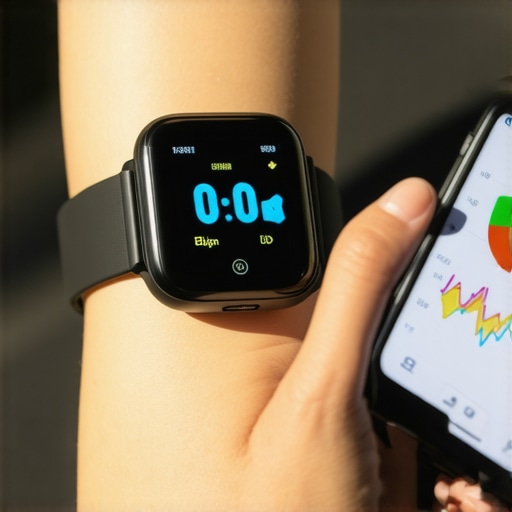
The Gear That Actually Changed My Numbers
I can’t talk about maintenance without mentioning the Continuous Glucose Monitor (CGM). While traditionally for diabetics, using one for just a month gave me a window into my metabolism that no single blood draw ever could. It’s how I discovered that a ‘healthy’ morning oatmeal sent my sugar higher than a slice of pizza. This kind of real-time biofeedback is the gold standard for understanding lab tests as your roadmap to clearer diagnosis. Dr. Peter Attia, a leading expert in longevity medicine, often emphasizes in his work that monitoring glucose variability is more important for long-term health than just looking at a single fasting number. By seeing how my body reacted to stress, sleep deprivation, and even different types of exercise, I was able to build a protocol that actually stuck.
How do I keep my glucose steady for the long haul?
Consistency isn’t about being perfect; it’s about having a system that catches you when you slip. I maintain my results by scheduling quarterly blood work. This isn’t overkill—it’s how you spot a trend before it becomes a diagnosis. These regular lab tests are critical for your wellness journey because they allow you to see the impact of your lifestyle changes in black and white. If my inflammatory markers start to creep up, I know I need to double down on my sleep hygiene or perhaps look at personalized vaccination schedules to ensure my immune system isn’t fighting off unnecessary battles that spike my cortisol.
Virtual Care is the Secret to Staying Consistent
The biggest barrier to maintenance used to be the time it took to sit in a waiting room. Now, I use telehealth innovations to review my data with a professional from my home office. It allows for a level of frequency and precision that traditional medicine just can’t match. We are entering an era where unlocking the power of telehealth means you have a metabolic coach in your pocket. In the next five years, I predict we will see AI-integrated platforms that pull data from your wearables and your longevity blood markers to give you daily nutrition advice. The future is proactive, not reactive. If you really want to take control, I challenge you to try a two-week ‘data deep dive’—track everything from your steps to your glucose—and see what your body is actually trying to tell you.
The Metabolic Shift I Wish I’d Embraced Sooner
I used to treat my body like a math equation, but metabolism is much more like an ecosystem. One major lightbulb moment was realizing that stress management is just as important as carb counting. If you’re stressed, your liver will dump sugar regardless of what you ate for dinner. Another hard truth: A1c is a lagging indicator. Waiting for it to move before taking action is like waiting for smoke to billow out of your windows before checking the stove. This is exactly why the fasting insulin test matters more than a1c for weight loss and long-term vitality. Finally, don’t let a ‘normal’ lab result gaslight you into thinking your symptoms aren’t real; trust your intuition when something feels off. Understanding the nuance of how to read your thyroid panel like a specialist can also reveal why your metabolism feels sluggish despite your best efforts.
The Reliable Tools in My Health Arsenal
To move from guessing to knowing, I rely on a few key resources. First, a high-quality Continuous Glucose Monitor (CGM) is a game-changer for seeing how your unique body reacts to lifestyle choices. Second, I recommend the book ‘Metabolical’ by Dr. Robert Lustig; it completely changed how I view processed foods and insulin. Lastly, I advocate for the fact that regular lab tests are critical for your wellness journey because they provide the hard data needed to tweak your protocol in real-time. I trust these tools because they focus on biological root causes rather than just masking symptoms with a quick fix.
Stop Being a Passenger in Your Own Health Journey
You have more control over your metabolic health than you’ve been led to believe. The dawn phenomenon isn’t a life sentence—it’s a signal from your body that it needs a different kind of support. Whether it’s adjusting your meal timing, prioritizing magnesium, or finally tracking the 7 markers in your blood work that actually predict longevity, the time to act is now. Taking a proactive approach to preventive wellness means you won’t have to spend your future reacting to a chronic crisis. You’ve got the knowledge; now it’s time to apply it for a healthier tomorrow. Have you ever noticed your blood sugar spike after a particularly stressful day even when you didn’t eat? Let me know your experience in the comments below!