
Why Your ‘Normal’ Lab Results Might Be Missing the Real Cause of Your Brain Fog

It was a morning like any other, but as I sat in the waiting room, I felt that familiar dread creeping in. I’d done all the right things—got my lab tests, received what I thought were “normal” results—and yet, that persistent fog in my mind wouldn’t lift. I kept wondering: Am I missing something? It was a frustrating realization that even with seemingly healthy numbers, my brain felt sluggish, fuzzy, and unresponsive. That lightbulb moment hit hard: what if standard lab work isn’t telling me the full story?
Unpacking the Myth of ‘Normal’ Lab Results and Brain Fog
Many of us put a lot of faith in those numbers on the paper, assuming that if everything falls within the accepted range, we’re in the clear. But, as I learned through personal experience and extensive research, our bodies are more complex than those green checkmarks suggest. Brain fog, fatigue, and mental cloudiness often persist despite “normal” results, leading me down a path of questioning and, eventually, discovery.
Here’s the truth: regular wellness checks are a vital part of staying healthy, but they can miss critical signals, especially those related to brain function. For instance, subtle hormonal imbalances, nutrient deficiencies, or hidden inflammation won’t always show up on standard panels. It was a mistake I made early on: trusting the results blindly and ignoring my persistent mental fog. Peer-reviewed studies reveal that many individuals with cognitive issues do not show abnormal results in basic blood tests, which is why more comprehensive testing might be necessary.
Are you tired of feeling this way? Have you faced similar doubts about your lab results not matching your symptoms? If so, you’re not alone. The good news is, there are smarter ways to interpret and expand upon these results to uncover the real causes of your brain fog.
Is Overlooking Deep-Dive Testing Really Worth the Effort?
Initially, I thought, “Why bother with extra tests?” But I quickly learned that understanding the nuances—such as micronutrient levels, hormone fluctuations, and inflammation markers—could be the game-changer in how I felt daily. It’s like finding hidden pieces in a puzzle that standard tests often leave out.
As you consider your own experience, remember that tailoring your health assessments can lead to better strategies for mental clarity. If you’re curious about these overlooked signals and want to learn how to interpret them, I’ll guide you through the practical steps ahead, starting with exploring the limitations of typical blood work.
Start with a Customized Blood Panel
Think of standard lab tests as a basic map—they show you main roads but miss smaller paths that might be relevant. To uncover hidden issues affecting your brain, request advanced panels that include micronutrient levels, hormone profiles, and inflammation markers. When I personally approached my doctor about persistent fog, I insisted on these specific tests, leading to the discovery of a subtle thyroid imbalance—something regular tests missed. To learn more about how to interpret these complex results, explore this guide.
Pinpoint Nutrient Deficiencies
Identify shards of the puzzle, like B vitamins or omega-3s, which are vital for cognitive health. For instance, I found my vitamin D levels were borderline, and supplementation improved my mental clarity within weeks. Use at-home testing kits or consult a healthcare provider to assess these levels accurately. Remember, regular tests often overlook these subtle deficiencies that can manifest as brain fog. For tailored advice, check out this resource.
Leverage Telehealth for Rapid Insights
Skip the waiting room by connecting virtually with specialists. Telehealth platforms allow quick consultations on your lab results and symptoms, saving time and reducing stress. I used telehealth to discuss my test findings, which led to immediate adjustments in my hormonal therapy plan. This approach makes it easier to act swiftly when subtle clues like brain fog appear. For smart utilization tips, visit this article.
Document and Track Symptoms and Results
Keeping detailed records helps identify patterns over time—that lingering fog might correlate with certain nutrient dips, stress periods, or hormonal shifts. Use digital tools or simple journals to log mood, sleep quality, and cognitive clarity. When I noticed my fog worsened after stressful weeks, I revisited my labs, confirming a cortisol imbalance that I could then target specifically. Consistent documentation empowers you to advocate effectively for tailored interventions, a strategy supported by this resource.
Prioritize Preventive Strategies Based on Data
Once you understand the specific causes, implement targeted actions—be it correcting nutrient deficiencies, addressing hormonal imbalances, or reducing inflammation through diet. For example, I increased my omega-3 intake and adjusted my sleep schedule based on my labs, which significantly improved my mental clarity. This proactive approach is more effective than waiting for symptoms to worsen. Learn how to pair lab insights with personalized wellness plans at this guide.
Stay Vigilant and Adjust Regularly
Conditions evolve, so maintain periodic testing and symptom reviews to catch emerging issues early. Consider scheduling semi-annual check-ins, especially if you have known risks or persistent fog. When I committed to regular follow-ups, I maintained better mental clarity and avoided lengthy episodes of fog. This continuous loop of testing, analyzing, and adjusting is essential in mastering your wellness. For ongoing strategies, explore this article.
Many people assume that standard lab tests and routine vaccinations provide a complete picture of their health, but this oversimplification can lead to significant oversights. While these tools are invaluable, they often miss subtle yet critical health nuances. For example, reliance solely on traditional blood panels might overlook micronutrient deficiencies or hormonal imbalances that subtly impair brain function. Advanced testing techniques reveal that markers like ferritin, vitamin D, and thyroid antibodies can be the missing puzzle pieces in understanding persistent brain fog. Additionally, misconceptions about vaccinations often ignore personalized schedules; a one-size-fits-all approach can leave gaps in immunity, especially if unique risk factors aren’t considered. Telehealth has revolutionized access but is sometimes misunderstood as a shortcut that sacrifices thoroughness. In reality, virtual consultations can facilitate comprehensive assessments when combined with targeted testing and expert interpretation. A common trap is assuming that a normal result means perfect health, ignoring the fact that some issues develop beneath the radar of standard tests. Recognizing these nuances can prevent misdiagnoses or delayed interventions. For instance, a study published in the Journal of Clinical Endocrinology & Metabolism emphasizes that more detailed hormonal panels can detect issues early, even when initial screenings appear normal. Therefore, to truly optimize health, it’s essential to understand that traditional tools are starting points, not the final word. Are you aware of these hidden layers? Have you ever fallen into the trap of trusting only surface-level results? Let me know in the comments.
Keep Your Wellness Routine Running Smoothly with the Right Tools
Staying consistent with health practices, especially in the realm of lab testing, vaccinations, and telehealth, requires more than just good intentions—it demands the right equipment, software, and methods. Personally, I rely on a combination of advanced testing kits and digital health platforms to keep tabs on my health and adjust strategies proactively. One essential tool I recommend is Everlywell’s at-home testing kits. I use them to regularly monitor micronutrient levels, like vitamin D and B12, without the need for frequent clinic visits. These kits are user-friendly, highly accurate when used correctly, and empower you to take control of your health between appointments.
For managing and interpreting lab results effectively, I turn to comprehensive educational platforms that clarify complex data. This approach ensures I don’t overlook subtle markers that could signal underlying issues affecting my cognitive health. Additionally, integrating telehealth services into my routine allows me to consult specialists quickly and effectively, especially when reviewing nuanced lab results or discussing vaccination schedules.
Maintaining these practices over time involves leveraging technology like electronic health records (EHR) and symptom-tracking apps. I use an app to log daily mood, sleep, and cognitive clarity, which helps identify patterns correlating with my lab results. This habit, combined with quarterly check-ins via telehealth, creates a dynamic, responsive wellness plan that adapts to my evolving needs.
As research shows, continuous monitoring and immediate adjustments are crucial—especially given how quickly health statuses can shift. Expect future advancements in wearable biosensors to further refine this process, providing real-time data on hydration levels, cortisol rhythms, and more. Already, companies are developing devices that sync seamlessly with health platforms, enabling even more proactive management.
How do I maintain long-term wellness with these tools?
The key lies in integrating precise testing, digital tracking, and virtual consultations into a cohesive system. Regularly updating your testing panels—especially with advanced markers—helps detect issues before they manifest as symptoms. Combining this with telehealth ensures expert guidance is always accessible, regardless of busy schedules. If you haven’t already, I recommend trying advanced testing kits and establishing a routine of symptom logging and virtual check-ins. These small steps create a resilient framework for sustained health and mental clarity.
Remember, staying ahead in wellness isn’t about one-time solutions but consistent, informed actions powered by the right tools. Want to streamline your health management? Explore the latest tips on interpreting complex lab data and consider integrating telehealth services into your routine today.
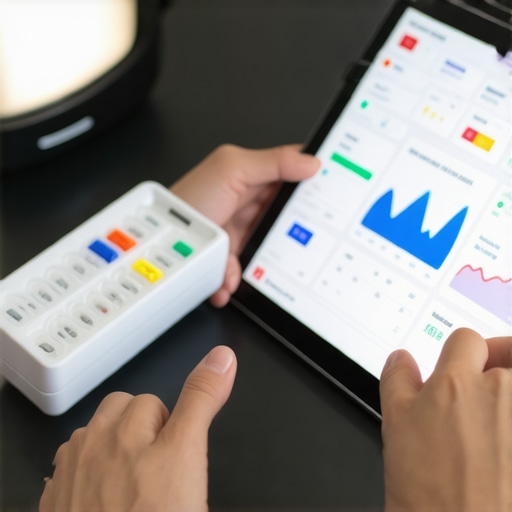
Three Lessons The Industry Won’t Tell You About Lab Results and Wellness
– I realized that trusting standard lab results alone is like reading a map with many missing trails; it provides a rough idea but can miss critical turns that lead to true health. It became clear that a nuanced approach, incorporating advanced markers, reveals hidden health signals before symptoms appear.
– I learned that personalized testing, especially for micronutrients and hormones, sparks immediate improvements in brain fog and fatigue—things traditional tests often overlook. These small but vital pieces can make a big difference in mental clarity and energy levels.
– Telehealth isn’t a shortcut; it’s a powerful tool that grants instant access to specialists who interpret complex data, guide actionable steps, and keep health on track—even when in-person visits are a challenge. This has reshaped my entire wellness strategy.
Tools That Transformed My Approach to Lab Work and Wellness
– Comprehensive lab interpretation platforms: They turn complex results into understandable strategies, helping me make informed decisions quickly. Trustworthy and empowering, they are essential for navigating health nuances.
– At-home testing kits from Everlywell: These allow me to keep an eye on micronutrients like vitamin D and B12 between doctor visits without hassles, aiding in steady health improvement and quick adjustments.
– Telehealth services such as this resource: They enable fast expert input on tricky lab results. The convenience and immediacy have been game-changers in my continual health refinement.
Your Next Step in Wellness Might Be Easier Than You Think
Stepping beyond routine checks to include detailed testing and virtual consultations opens up a world where your health is a dynamic, proactive adventure. It’s encouraging to know that with the right tools and knowledge, you can uncover and address hidden issues before they develop into symptoms, especially brain fog or fatigue. Take inspiration from my journey: start small, stay consistent, and keep questioning the full story behind your health markers. What’s one change you’re willing to try today to get closer to your optimal wellness? Share your thoughts below and let’s grow this community of mindful health explorers.