
How to Get an Allergy Treatment Plan Without a Trip to the Specialist
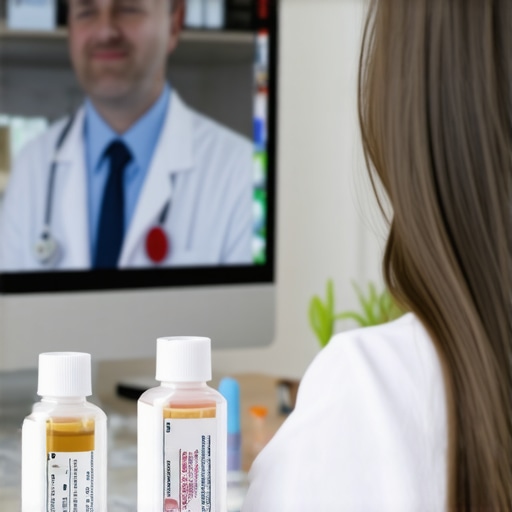
It was late one evening when I finally realized I couldn’t ignore my persistent allergy struggles any longer. My sneezing fits, itchy eyes, and nasal congestion had become part of my daily routine—yet I kept postponing a visit to the allergist, thinking I’d just wait out the season. But living like this, feeling exhausted and frustrated, made me ask: is there a smarter way to manage allergies without endless trips to specialists? The good news: there is.
Revolutionizing How We Approach Allergy Care from Home
Many of us are under the misconception that comprehensive allergy treatments require in-person visits and specialist consultations. While traditional care does often involve allergen testing and prescription plans, recent advancements in telehealth have transformed this landscape entirely. Today, you can access personalized allergy management strategies right from your living room, saving time, stress, and even money.
Did you know that a study published in the Journal of Allergy and Clinical Immunology found that virtual care models can be just as effective as in-person visits for managing allergic conditions? This shift is a game-changer, especially for those with busy schedules or limited access to specialists.
But I must admit, when I first heard about crafting allergy treatment plans online, I was skeptical. My early mistake was jumping straight into online consultations without understanding which tests or background information I needed. This oversight delayed my progress and made me doubt the whole process.
If you’ve ever felt overwhelmed by the idea of managing your allergies without direct specialist supervision, you’re not alone. But with the right knowledge, you can navigate this from home confidently.
Next, let me guide you through how to set up your personalized allergy plan without stepping into a clinic. We will look at evaluating symptoms, leveraging telehealth services, and understanding the role lab tests play in customizing your treatment. Ready to take control of your allergy management from your couch? Let’s get started.
Start with Symptom Tracking
Begin your allergy management journey by meticulously recording your symptoms. Use a daily journal or app to note when symptoms worsen, what triggers they seem linked to, and any patterns you observe. For example, I once tracked my sneezing episodes over two weeks and noticed a spike during spring mornings, which helped target my treatment. Precise tracking simplifies the next steps, making telehealth consultations more productive.
Leverage Telehealth for Expert Guidance
With telehealth, scheduling a virtual appointment is as straightforward as booking a coffee date. Think of it like consulting with a GPS before a road trip; it ensures you’re on the right path without leaving home. When I booked my first онлайн consultation, I prepared my symptom log and questions, which helped me get tailored advice quickly. To explore how virtual care is transforming wellness, see this resource.
Prepare Your Medical Background
Gather relevant health records, allergy history, and list of medications beforehand, akin to assembling your travel essentials. This prep prevents delays and ensures the provider understands your unique situation. Remember, accurate info is crucial for effective virtual care.
Understand the Role of Lab Tests
Lab tests serve as your wellness GPS, revealing hidden issues that may worsen allergies, such as underlying inflammation or nutrient deficiencies. Imagine your body as a castle; lab tests are like sappers, uncovering hidden weak points before they become crises. I used a blood test to identify a Vitamin D deficiency, which, once addressed, significantly reduced my allergy severity. For deeper insights, visit this guide.
Select the Right Tests
Work with your telehealth provider to choose relevant lab panels—like allergy-specific IgE tests or nutrient panels. Proper testing directs precise interventions, avoiding trial-and-error. Remember, ordering these tests online is just as reliable as in-person visits and much more convenient.
Implement Personalized Treatment Strategies
Armed with your symptom tracker, expert advice, and lab results, craft a tailored allergy plan. This might include allergen avoidance, medications, or immunotherapy options. Think of it as customizing a weather forecast—not one-size-fits-all but specific to your climate. I started nightly nasal rinses and adjusted my diet based on test results, which noticeably improved my quality of life.
Monitor Progress and Adjust
Use your symptom journal to periodically assess the effectiveness of your plan. If improvements plateau or symptoms shift, revisit your telehealth provider for potential adjustments. Regular monitoring ensures your allergy management adapts to changing circumstances, much like tuning a musical instrument for the best performance.
Remember, integrating these steps transforms allergy care from reactive to proactive, empowering you to stay healthy without constant clinic visits. To keep your immune defenses robust through vaccinations, explore this expert advice.
While many believe they fully understand the roles of vaccinations, telehealth, and lab testing, there are subtle nuances that often get overlooked, leading to incomplete or even counterproductive health decisions. Let’s dig deeper into some common misconceptions and advanced mistakes that can undermine your wellness journey.
Are We Overlooking the Complexity Behind Vaccination Schedules?
Many assume that sticking to the standard vaccination timetable is sufficient for lifelong protection. However, individual factors such as age, existing health conditions, and lifestyle can necessitate personalized schedules. For example, recent research shows that tailoring vaccine timing based on immune system markers can enhance efficacy and reduce adverse effects. This approach requires an awareness of your body’s unique responses, which standard schedules might overlook. Visiting this resource can help you understand the importance of customization.
The Myth That Telehealth Replaces In-Person Care Entirely
Many mistakenly believe virtual consultations are only suitable for minor issues. The reality is, telehealth has evolved to become a comprehensive alternative for many complex conditions, including allergy management and chronic disease monitoring. The key is understanding the limitations—certain diagnostics and physical examinations still require in-person visits, but these are increasingly complemented or even replaced by remote testing kits and on-demand lab services. To explore the advantages of virtual care, see this article. Beware of the trap of thinking that virtual-only means superficial—modern telehealth can be deeply effective when integrated correctly.
Misjudging Lab Tests: What You Might Be Missing
Commonly, people interpret normal lab results as complete wellness, but many crucial markers are often omitted from routine panels. For example, standard tests may not reflect inflammation levels, nutrient deficiencies, or early organ dysfunction. Overlooking these can delay diagnosis and appropriate intervention. In fact, advanced tests like ferritin or hormone panels provide deeper insights into your health status. Dive into this guide to see which tests matter most for proactive wellness.
Advanced Questions: How Do Individual Variations Impact Wellness Strategies?
Each person’s genetic makeup, microbiome, and lifestyle create a unique health profile, making one-size-fits-all approaches flawed. For instance, a person with a predisposition to inflammation may require different allergy reduction strategies than someone else. Understanding these subtleties enhances the effectiveness of personalized care. Embracing this nuance means moving beyond generic advice and using targeted interventions backed by specific lab data. Learning to interpret these individual differences is key to long-term wellness success. For expert insights, explore this resource. Have you ever fallen into this trap? Let me know in the comments.Maintaining your health and wellness tools isn’t a set-it-and-forget-it task; it’s an ongoing process that requires deliberate strategy and reliable equipment. When managing conditions like allergies or chronic wellness issues from home, investing in the right tools can make all the difference. One technique I personally swear by is integrating a digital health monitoring platform like Apple Health or Fitbit’s ecosystem. Not only do these apps sync with wearable devices to track vital signs such as blood pressure, oxygen levels, and activity, but they also provide actionable insights that can be shared seamlessly with your virtual healthcare team. This continuous data flow helps my telehealth provider adjust my treatment plan proactively, ensuring I stay on top of potential issues before symptoms escalate.
How do I maintain my wellness metrics over time?
Consistency is key. I recommend establishing a routine of measuring your vital parameters daily at similar times to notice patterns or anomalies. Using reliable, scientifically validated devices like the Omron Gold Blood Pressure Monitor or Withings Smart Body Scale ensures accuracy. These tools often come with companion apps that store your historical data, enabling your clinician to analyze long-term trends during virtual care sessions. Additionally, automating reminders through device apps or digital calendars helps you stay on track without manual effort, reducing the risk of missed measurements. As telehealth continues to evolve, I believe integration of AI-driven analytics within these platforms will become even more sophisticated, offering personalized recommendations and early warnings for health risks. By proactively employing these tools, you empower yourself to make informed decisions and maintain momentum in your wellness journey. Take a tip from my experience—try managing your health metrics with a comprehensive ecosystem that consolidates data from multiple devices. It might initially require some setup time, but the long-term benefits—like catching subtle health changes early—are definitely worth it. For a deep dive into how telehealth tools are transforming personal care, see this article. Staying consistent with these tools and routines is the backbone of long-term wellness success.
Lessons That Changed My Approach to Allergy Management
One of the most eye-opening lessons I learned is that personalized care isn’t exclusive to in-office visits. Tailoring my allergy strategies based on specific lab results and symptom patterns made a profound difference in my quality of life. Another insight was realizing how vital consistent monitoring is—using smart tools and apps that integrate health data empowers me to detect subtle changes early. Lastly, I discovered that a proactive mindset—viewing allergy management as an ongoing journey rather than a one-time fix—keeps me prepared and confident, even during unpredictable seasons.
My Favorite Tools and Resources for Wellness Success
First, I rely on virtual care platforms that provide expert guidance without the hassle of in-person visits. These services allow me to stay connected with specialists and get timely adjustments to my treatment plan. Second, I trust advanced lab testing options like comprehensive panels that uncover hidden deficiencies and inflammation markers. They enable customized interventions tailored to my unique biology. Third, I swear by health monitoring devices such as smart scales and blood pressure cuffs linked to apps—these aid in tracking progress and catching early signs of imbalance. Finally, educational resources like in-depth guides keep me informed and motivated on my wellness path.
Your Next Move in Allergy and Wellness Care
Remember, your health journey is uniquely yours. By embracing personalized strategies, leveraging innovative tools, and staying proactive, you can master allergy management from home and improve your overall wellness. Don’t wait for symptoms to take over—start today with small, consistent steps that build over time. Your best wellness is within reach—step into this new approach with confidence and curiosity. How have you taken control of your allergy care so far? Share your experiences below and let’s grow together.