
The specific way to handle a toddler’s fever at midnight

It is 1:47 AM. The house is silent except for that rhythmic, congested breathing that sends a chill down any parent’s spine. I remember the first time I felt my son’s forehead and it felt like a burner on a stove left on high. I panicked. My hands shook as I googled ‘infant brain damage’ while trying to find my shoes in the dark. I made the mistake of rushing to the ER, only to sit in a germ-filled waiting room for four hours, just to be told he had a mild virus and needed fluids. It was exhausting, expensive, and entirely avoidable. Today, I am going to share exactly how to keep your cool when your toddler is burning up, so you can make the right call without the 2 AM adrenaline dump. Have you ever stood in your kitchen at midnight, crying over a thermometer? Tell me I am not the only one.
Stop the 2 AM Panic Before You Reach for the Car Keys
Fever is not the enemy; it is actually the body’s security system working overtime. When I first started this parenting journey, I thought every degree over 99 was a catastrophe. I did not realize that understanding the role of lab tests in preventive wellness could have taught me that a fever is just a symptom, not the disease itself. According to the American Academy of Pediatrics (AAP), the number on the thermometer matters far less than how your child is actually acting. If they are alert enough to complain about the ‘yucky’ medicine, they are usually okay. We are going to walk through the Neighbor Method of fever management—when to hydrate, when to medicate, and when to actually pick up the phone. Sometimes, you just need a professional to look at your kid without the trauma of a hospital lobby. I have found that why virtual care is the best choice for late night earaches or sudden spikes is a total game changer for my sleep and my sanity.
Is a Video Call Actually Safe for a Scorching Toddler?
I get the skepticism. When your kid is limp and hot, a screen feels like a flimsy barrier between you and help. I used to think I needed a doctor to physically put hands on my child for every sniffle. But then I learned how to handle a flu outbreak in your house using video visits, and it clicked. A doctor can see the breathing patterns and the skin color perfectly well through a high-def camera. It saves you from exposing your already-sick kid to whatever nastiness is lingering in a physical waiting room. Plus, they can quickly check if you are up to date on things like 3 signs your child is falling behind on the standard vaccine schedule which might be contributing to their vulnerability. This isn’t just about convenience; it’s about making smart, level-headed decisions when you’re most vulnerable.
Trust Your Eyes More Than the Digital Numbers
Think of a fever like the check-engine light in your car. It tells you something is happening under the hood, but it doesn’t always mean the engine is about to explode. I once spent forty minutes frantically cooling down my daughter with lukewarm sponges because she hit 103, only to realize I was making her shiver, which actually forced her internal temperature higher. It was a messy, tear-filled disaster for both of us. What I should have done was look at her behavior instead of the plastic stick. Was she alert? Could she follow my finger with her eyes? If your child is still willing to sip juice or play quietly, the urgency drops significantly. This is why why wellness checks are your first step to better health because they establish what ‘normal’ looks like for your specific child before the crisis hits. If they aren’t lethargic or struggling to breathe, you have the luxury of time to think.
Swap the ER Chaos for a Living Room Consult
When you decide that the fever needs a professional eye, do not automatically grab the car keys. I vividly remember the night I chose a video visit instead of driving to the local urgent care. I sat on my plush sofa with a sleeping toddler, and the doctor was able to observe her breathing patterns for a full, uninterrupted minute without her being agitated by a cold stethoscope or the clinical smell of an exam room. Detailed telehealth insights the future of accessible healthcare services show us that many common pediatric issues are perfectly manageable from home. During that call, the doctor coached me on how to check for capillary refill by pressing on her fingernail—a skill I now use every time she feels a bit warm. It turned a night of panic into a moment of empowered parenting. 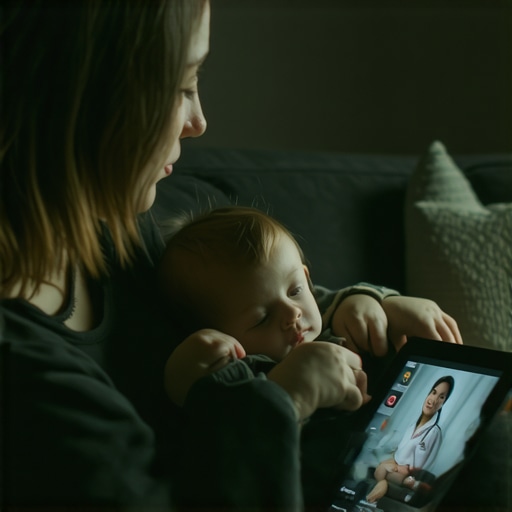
Keep Your Defense Records Ready for Action
A fever is often the body reacting to something new, or sometimes, it is a sign of a gap in protection. During that same midnight video call, the doctor asked when my daughter’s last Tdap was. I spent ten minutes fumbling through a junk drawer for a crumpled paper card while my daughter whimpered. It was embarrassing and slowed down the care she needed. Now, I make sure I know how to get your family’s vaccine records digitally so I am never caught off guard again. Having these on hand allows the virtual provider to rule out serious risks in seconds. If you are worried about potential gaps in immunity, looking into personalized vaccination schedules for better disease prevention can give you a clear roadmap so you aren’t guessing about risks in the middle of the night.
When Lab Work Becomes the Real Hero
Sometimes a fever lingers longer than a simple viral cold should, and that is when you move from ‘wait and see’ to ‘find out why.’ Think of lab tests as the deep-dive diagnostic that your eyes simply cannot see. If a temperature doesn’t break after a few days, understanding lab tests your roadmap to clearer diagnosis becomes your most valuable tool. I had to do this when my son’s ‘mild fever’ turned out to be a silent urinary tract infection that only a quick, targeted test could identify. It isn’t about over-testing; it’s about getting surgical with your answers so you can stop the guessing game and get the right treatment started immediately. By focusing on data rather than fear, you can manage almost any spike without losing your head.Most people think that a medical report is a simple binary: you are either sick or you are healthy. In my experience, this is the biggest myth in modern wellness. I have seen countless parents breathe a sigh of relief because a lab report came back ‘normal,’ even while their child was clearly struggling. The truth is that standard reference ranges are often based on a broad statistical average of the population, not necessarily what is optimal for a thriving child. This is why your lab results come back normal while you still feel like trash or why your child’s ‘mild’ symptoms persist despite a clean bill of health. We need to stop looking for the absence of disease and start looking for the presence of health. If you are only checking the boxes once a year, why your annual physical is missing your real health risks becomes a very expensive lesson in reactive care rather than proactive protection.
Why Your Normal Lab Results Might Be Lying to You
It is a hard pill to swallow, but a ‘normal’ result is just a snapshot, not a complete movie. For example, a standard iron test might show your child is within range, but their ferritin levels—the actual storage of iron—could be tanking. This is the difference between having twenty dollars in your pocket and twenty dollars left in your entire bank account. If we don’t look at 7 markers in your blood work that actually predict longevity, we are essentially guessing. Experts suggest that clinical reference intervals often lag behind the latest nutritional science by a decade. When we discuss vaccinations myths busted what you need to know in 2025, we have to include how these lab markers interact with your child’s immune response. A body that is nutritionally depleted won’t respond to a booster the same way a well-nourished body does. Have you ever fallen into the trap of accepting a ‘fine’ lab result when your gut told you something was wrong? Let me know in the comments. 
Stop Ruining Your Blood Work with Pre-Test Habits
Here is the ‘oops’ factor that no one tells you: your morning routine can completely invalidate your expensive lab work. I once had a client whose cholesterol results were terrifyingly high, only to find out she had a heavy cream-laden coffee thirty minutes before the draw. It sounds obvious, but the sneaky factor that ruins your cholesterol panel accuracy is often just a lack of proper fasting. Even certain vitamins, like Biotin, can interfere with thyroid and heart-marker tests, leading to false diagnoses. If you are drinking a ‘healthy’ smoothie, why your morning coffee is sabotaging your anxiety labs is a real phenomenon that can lead to unnecessary prescriptions. Always ask for a pre-test protocol before you head to the lab, or you are just throwing money away on bad data.
Can Telehealth Actually Handle Chronic Condition Monitoring?
This is the question I get from the most skeptical parents. While many use virtual visits for a quick prescription, exploring the benefits of telehealth in managing chronic wellness shows it is actually superior for long-term tracking. When you are at home, you aren’t under the stress of ‘white coat hypertension,’ which can spike blood pressure and heart rates. Virtual care allows us to review these lab results in a calm environment where you actually have your child’s full medical history and current supplements sitting right in front of you. It transforms the doctor from a distant authority figure into a wellness partner who helps you decode what those numbers actually mean for your daily life.Moving from the 2 AM panic to 24/7 peace of mind requires more than just good intentions; it requires a curated toolkit. I’ve stopped buying the cheapest drugstore thermometers and started investing in validated hardware. For instance, when it comes to monitoring vitals, I only trust devices that meet the Association for the Advancement of Medical Instrumentation (AAMI) universal standards for accuracy. This level of precision is exactly why I’ve transitioned into the better way to track blood pressure at home, using a Bluetooth-enabled cuff that syncs directly to my phone. It’s not about being a tech-geek; it’s about having a timestamped, unshakeable record to show a doctor during a 10-minute video visit. Instead of saying, “He felt warm earlier,” I can say, “His temp was 101.4 at 6 PM and 100.8 at midnight after 5ml of ibuprofen.” That data changes the entire diagnostic conversation. 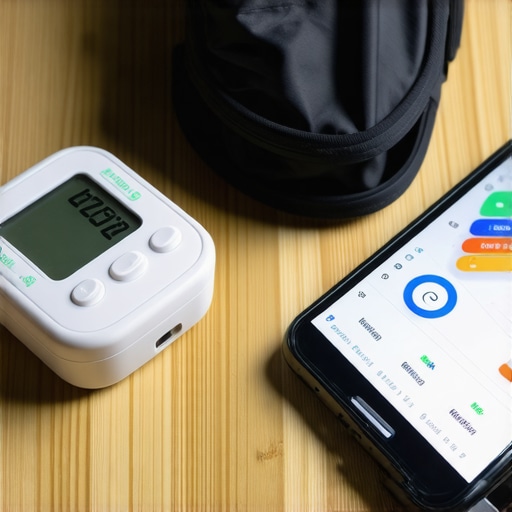
How do I keep this medical momentum going all year?
Maintenance is where most parents fall off the wagon. We are great in a crisis, but we slack when everyone is healthy. My system involves a quarterly wellness audit. Every three months, I check our digital health folders. If we have moved or switched schools, I focus on how to track down your child’s school immunization history instantly so the records are always current. I also schedule my own bloodwork birthday—a personal tradition of why regular lab tests are critical for your wellness journey—to ensure my baseline isn’t shifting under the weight of stress. This proactive habit makes it easy to maximize your health combining vaccinations and lab testing strategies because I’m looking at the whole picture, not just individual fires. If you want to level up, start by downloading a dedicated health record app like CommonHealth or MyChart and syncing all your portals today.
The Future of Your Living Room Clinic
We are moving toward a world where your watch will alert your doctor to an infection before you even feel a scratchy throat. In the next five years, passive monitoring—where your home environment subtly tracks sleep quality, respiratory rate, and even glucose—will become the gold standard. This transition makes knowing how to spot a better telehealth provider in 3 specific questions even more vital. You don’t just want a doctor who can read a screen; you want a partner who can interpret these evolving streams of data. The days of waiting for symptoms to appear are ending. We are entering the era of predictive wellness, where we stop the fever before it even starts. Try this today: Go to your medicine cabinet and verify the expiration dates on your fever reducers, then check if your thermometer needs new batteries. It’s a five-minute move that prevents a 2 AM disaster.
The Hardest Lesson My Thermometer Ever Taught Me
I used to treat every fever like a house fire that needed to be extinguished immediately. The biggest lightbulb moment for me was realizing that the heat isn’t the problem—it’s the signal. I learned that obsessing over a single number on a plastic stick was stealing my ability to actually care for my child. By shifting my focus, I realized that how lab tests can detect hidden health risks early in your wellness pathway is a much more effective way to monitor long-term health than reactive panic. I also learned that my gut instinct is usually right, but it works better when backed by data rather than sleep-deprived fear. Lastly, I discovered that most 2 AM emergencies are actually 9 AM conversations that can happen from my couch.
Gear That Makes You the Calmest Parent on the Block
Building a ‘living room clinic’ doesn’t require a medical degree, just a few curated tools. I personally trust the Withings Thermo for its non-invasive accuracy and its ability to sync with an app, keeping a perfect log for my doctor. For records, I swear by PicnicHealth or simply a dedicated folder in Google Drive where I store every digital lab report and immunization record. This makes unlocking the power of telehealth for fast convenient wellness access incredibly seamless because I can upload a document in seconds while the doctor is still on the line. I also keep a physical ‘sick day’ notebook to track dosage times and hydration—simple, but life-saving when you are too tired to remember your own name.
#IMAGE_PLACEHOLDER_E#
Your Path to a Stress-Free Sick Day
You have the power to transform how your family experiences illness. It starts with moving away from the ‘wait for a crisis’ mindset and embracing a proactive approach to wellness. Whether it is staying on top of your schedule or learning to boost your immunity with expert vaccination tips in the afternoon at 454 pm, every small step you take today reduces the weight of the next fever. Remember, you aren’t just managing a symptom; you are nurturing a thriving, resilient human being. You’ve got the tools, the data, and the heart to handle whatever the next flu season throws your way. Have you ever regretted rushing to the ER in the middle of the night only to find out it could have waited? Let me know your story in the comments below.