
The one marker that predicts heart risk better than cholesterol

I’ll never forget the cold sweat that hit me while staring at my lab results three years ago. Everything on the paper was highlighted in green. My LDL was low, my HDL was decent, and my doctor gave me a metaphorical pat on the back, telling me I was in the clear. But I felt off—sluggish, anxious about my family history, and deep down, I knew that ‘normal’ wasn’t the same as ‘optimal.’ I made the classic mistake of thinking a standard cholesterol test was the gold standard for my heart health, only to realize I was missing the most important metric on the page. Today, I’m going to pull back the curtain on the one marker that actually predicts your heart risk, so you don’t have to live in the same ‘healthy-on-paper’ fear I did. We are going to dive into the world of Apolipoprotein B, or ApoB, and why it’s the secret weapon for anyone serious about longevity.
Stop Ignoring the Silent Signal in Your Bloodwork
For years, I obsessed over my LDL number like it was a high school GPA. If it was under 100, I thought I was invincible. This is exactly why your lab results come back normal while you still feel like trash; we are looking at the wrong numbers. Think of LDL as the total amount of ‘cargo’ in a fleet of trucks. You might have a lot of cargo, but if it’s all packed into just a few large trucks, the traffic (risk) is low. However, if that same amount of cargo is split among hundreds of tiny, aggressive delivery vans, your arteries are in trouble. ApoB counts the number of trucks, not just the weight of the boxes. I learned the hard way that you can have ‘low’ cholesterol but a dangerously high particle count. Understanding the sneaky factor that ruins your cholesterol panel accuracy is the first step toward real peace of mind. According to a significant study published in the Journal of the American College of Cardiology, ApoB is a far more accurate predictor of cardiovascular risk than LDL cholesterol alone because it represents the total number of all potentially harmful lipoproteins in your system. Have you ever walked out of a doctor’s office feeling like they missed something important despite ‘normal’ results?
Is this test really worth the extra effort?
Many people worry that asking for advanced markers is just a way for labs to make more money. I was skeptical too, until I saw how how to read your own lipid panel without panic changes when you have the right data points. This isn’t about chasing a new trend; it’s about using the most precise tools available in preventive wellness to ensure you aren’t surprised by a heart event ten years down the line. We aren’t just guessing anymore; we are measuring the very thing that drives plaque buildup. This one marker tells you more about your future than a dozen standard checkups ever could.
Get the Right Paperwork in Your Hands
If you walk into your annual physical and simply ask for a cholesterol test, you are going to get the same 1970s-era lipid panel that failed me. To get an ApoB test, you often have to be your own advocate. When I first asked my primary doctor for it, he shrugged and said my LDL was fine, so why bother? I ended up taking matters into my own hands and learned how to order your own blood work without a doctors note. This was a game-changer for me. By bypassing the gatekeepers, I finally got the data I needed to see that while my LDL was ‘normal,’ my ApoB was in the 80th percentile. This meant I had a massive amount of small, dense particles just waiting to wedge themselves into my arterial walls. This isn’t just about heart health; it’s about the bigger picture of why regular lab tests are critical for your wellness journey. If you aren’t testing the right markers, you are effectively flying a plane with a broken altimeter.
What Your ApoB Number is Actually Telling You
Once you have the results, don’t just look for a green or red flag. Think of your ApoB score as the traffic density on a highway. If your score is high, the road is packed with cars. Even if they are small cars, the high density increases the chance of a multi-car pileup (plaque buildup). I use this specific metric as the one lab marker that tells you if your mediterranean diet is actually working. If I’m eating ‘clean’ but my ApoB remains high, I know my body isn’t processing those fats efficiently, regardless of what the total cholesterol says. This level of precision is exactly what we mean when we talk about understanding lab tests your roadmap to clearer diagnosis. It moves you from guesswork to a data-driven strategy. 
Make Telehealth Your Secret Weapon for Results
Getting the test is only half the battle; the real work starts with interpretation. I remember sitting in my kitchen, staring at my ApoB results and feeling a wave of panic because the number didn’t fit into the standard ranges I saw online. Instead of waiting weeks for a specialist, I turned to unlocking the power of telehealth to get an immediate breakdown. A virtual consultant was able to look at my ApoB alongside other 7 markers in your blood work that actually predict longevity to give me a holistic view. They explained that my high stress levels were likely contributing to the particle count, a nuance my standard doctor never would have caught in a ten-minute office visit. This is how telehealth transforms personal care, allowing you to pivot your lifestyle in real-time rather than waiting for an annual crisis.
Sync Your Cardiovascular Strategy with Overall Immunity
We often put heart health in one bucket and immune health in another, but they are deeply intertwined. Chronic inflammation from a poor cardiovascular profile can actually dampen your immune response. This is why I always look at the essential lab tests you need for accurate vaccination planning alongside my lipid markers. When your body is busy dealing with arterial inflammation, it’s less equipped to handle new threats. I’ve found that combining vaccinations and lab testing strategies provides a comprehensive shield. For instance, if my ApoB is high, I’m even more diligent about staying updated on my flu shot or looking into why you should get a shingles shot even if you feel great, because I want to minimize any systemic stress that could further tax my heart.Most people treat their health like a static checklist. You get your shots as a kid, check the box, and move on. But that’s a dangerous trap. Real wellness is dynamic, not a ‘one-and-done’ event. In my experience, the biggest mistake is assuming that ‘fully vaccinated’ is a permanent status or that a decade-old lab result still holds weight today. Your immune system has a memory, but it’s not infinite. This is one of the core vaccinations myths busted for the modern era. I’ve seen patients who were shocked to find their immunity had plummeted simply because they hadn’t checked their titers in years.
Stop treating your immunity like a static checklist
The ‘Oops’ factor here is the trap of the ‘normal’ lab result masking a declining defense. Just like with my ApoB story, you can have a record of shots on file but zero actual protection in your bloodstream. This is why you might need a booster even if you’re fully vaccinated. We often assume the paper record is the absolute truth, but your blood—the live, real-time data—tells a much more nuanced story. By leveraging how lab tests can detect hidden health risks, you can see if your biological shield is actually holding up or if it’s time for an update. 
Can chronic stress actually sabotage your vaccine’s effectiveness?
The answer is a resounding yes, and it’s a nuance that many standard practitioners overlook. A landmark meta-analysis published in the journal Psychological Science found that psychological stress can significantly reduce the antibody response to vaccinations. This means if you are chronically burned out or under massive pressure, your body might not even register the ‘training’ a vaccine is supposed to provide. This biological reality is why high stress levels make your tetanus shot more painful and, more importantly, less effective. It’s not just in your head; it’s a systemic failure to launch an immune response.
Connect the dots with modern virtual tools
We need to stop viewing these medical tools in isolation. Integrating your lifestyle data with your clinical markers is the only way to get a clear picture of your longevity. Using telehealth innovations allows us to bridge the gap between ‘I feel okay’ and ‘I am actually protected.’ It’s about seeing if your body is even physiologically ready to benefit from preventive care. We are moving away from the era of ‘doctor knows best’ based on a five-minute chat and into an era of data-driven advocacy. Have you ever fallen into this trap of assuming you were ‘safe’ just because of an old medical record or a ‘normal’ checkup? Let me know in the comments.I’ve realized that data is only as good as your ability to organize it. I don’t just wait for my doctor to call; I use a digital health locker to track every single result. I personally use platforms like InsideTracker or even a simple, high-security Notion template to cross-reference my nutrition with my specific blood markers. This allows me to see if that extra serving of saturated fat actually moved the needle on my ApoB or if my sleep hygiene is improving my heart rate variability. This is why wellness checks are your first step to better health—they provide the baseline you need to spot anomalies early. I keep a running log of my titers alongside my lipid panel, which helps me visualize the ‘decay’ of my protection over time. If you aren’t sure where to start your own log, looking at personalized vaccination schedules for better disease prevention can help you map out a multi-year defense plan that adapts as you age. 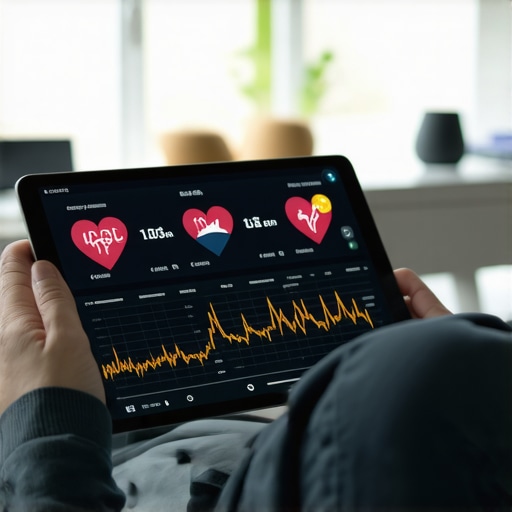
How do I keep this system running year after year?
Consistency trumps intensity every time. I schedule my advanced blood work every six months, regardless of whether I feel ‘fine’ or not. I’ve found that telehealth for managing chronic wellness is the only way to make this sustainable. It removes the friction of the waiting room and the awkward ‘why do you want this test?’ conversation that often happens with traditional practitioners. According to longevity expert Dr. Peter Attia in his work on ‘Medicine 3.0,’ the shift toward early, aggressive prevention of cardiovascular disease—specifically targeting ApoB levels as low as 60 mg/dL—is the single most effective way to extend your ‘healthspan.’ This isn’t a hobby; it’s a maintenance schedule for the most important machine you own. When you treat your body like a high-performance vehicle, the maintenance logs become your most valuable assets.
Expect your phone to become your primary clinic
The future of wellness is moving away from reactive visits and toward ‘continuous care.’ We are quickly approaching a time when wearable biosensors will integrate directly with your lab results in real-time. I’m already seeing the future of accessible healthcare services evolving into proactive, daily management where AI can predict an immune crash before the symptoms even hit. If you want to jumpstart this level of protection today, I highly recommend looking into expert vaccination tips and booking a virtual consult to review your current labs through a longevity lens. My specific tip for you this week: order a Titer test via a private lab for one vaccine you had over a decade ago. You might be surprised to find your ‘shield’ is thinner than you think. Don’t wait for a crisis to find out your levels have dropped.
The Hardest Lesson My Lab Results Ever Taught Me
I used to treat my annual physical like a pass/fail exam. If the numbers weren’t red, I assumed I was winning. But ‘normal’ is often just the average of a very sick population. I learned that you have to look for optimal ranges, not just reference ranges. By shifting my focus to specific markers like ApoB, I stopped guessing and started knowing. If you feel like something is being overlooked, it probably is. Don’t let a standard lipid panel be the final word on your heart health.
The Resources That Cut Through the Medical Noise
Building a personal health data locker changed everything for me. I highly recommend picking up the book ‘Outlive’ by Dr. Peter Attia to understand why we need to move toward proactive prevention. I also rely on digital tracking tools to see how lifestyle changes affect my wellness checks. When I need professional eyes on my data without the six-week wait, I use telehealth innovations to speak with providers who actually prioritize longevity. These tools turn overwhelming data into an actionable roadmap to a clearer diagnosis.
Stop Being a Passenger in Your Own Biology
Your health is a dynamic, living system that deserves more than a once-a-year glance. Whether you are optimizing your cardiovascular profile or looking for expert vaccination tips, the goal is the same: stay ahead of the curve. You have the power to order your own tests, seek virtual second opinions, and refine your approach until it works for you. If you’re ready to dive deeper or have questions about your specific results, feel free to contact us to start your journey toward true longevity. Have you ever had a ‘normal’ lab result that didn’t match how you actually felt? Let me know in the comments below!