
How to manage seasonal asthma flares through virtual care
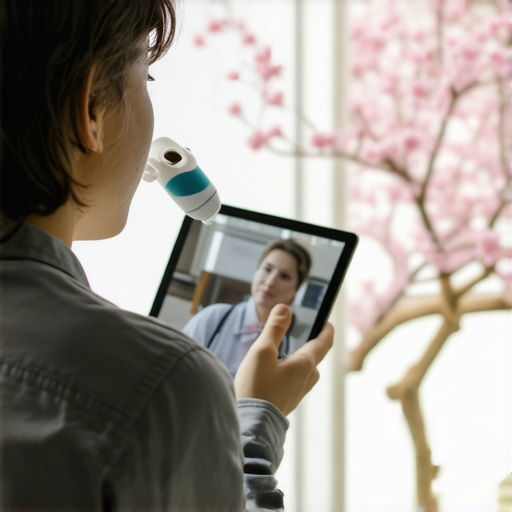
It started with a whistle. Not the cheerful kind, but that thin, high-pitched reed sound coming from my own chest at 3 AM. It was mid-April, the trees were in full bloom, and I was absolutely miserable. My biggest mistake early on? I thought I could tough it out until my annual physical in June. By the time I actually saw a doctor, my lungs were so inflamed I needed a steroid taper just to walk to the mailbox. I wasted weeks of my life being tired and breathless because I was stubborn and didn’t think I had options. Today, I’m going to show you how to break that cycle of panic by using virtual care to get ahead of the pollen. We are going to solve the problem of accessibility and ensure you have your rescue meds before the first leaf even drops. Have you ever found yourself reaching for an empty inhaler in the middle of the night because you put off an office visit?
My April Morning Nightmare and Why it Does Not Have to be Yours
We have all been there. The yellow dust of pollen starts coating the cars, and suddenly, every breath feels like you are inhaling through a wet wool blanket. Managing seasonal flares used to mean calling the doctor, waiting on hold for twenty minutes, and then driving across town to sit in a room full of people coughing. It was a chore, so I skipped it. That was a dangerous game. Now, I advocate for unlocking the power of telehealth for fast wellness access. It is not just about a video call; it is about building a proactive shield against the changing seasons. By the time you feel that first tickle in your throat, you should already have a plan in place.
Does a Screen Really Help When You Cannot Breathe?
I get the skepticism. When your chest is tight, you want hands-on care. You might think a screen is too impersonal for something as serious as asthma. But here is the reality: for seasonal management, it is all about the data and the preventative plan. A virtual provider can review your peak flow readings, adjust your maintenance inhalers, and even provide a quick fix for seasonal allergies before they trigger a full-blown attack. According to a study published by the American Journal of Managed Care, telehealth interventions for asthma can lead to significantly better symptom control and fewer emergency department visits than traditional care alone. It is not about replacing your doctor; it is about making them accessible exactly when the pollen counts spike.
Why Virtual Care is Your Secret Weapon Against Pollen
The beauty of this approach is the sheer speed. Last year, I felt that familiar lung heaviness on a Sunday afternoon. Instead of waiting for Monday morning or heading to a crowded urgent care center, I used a virtual appointment to tweak my medication protocol. Within an hour, my pharmacy had the updated prescription ready. If you have been hesitant, consider how these innovations in virtual care mean you are the one in control, not the oak trees or the ragweed. We are going to dive into the exact steps to prep for these calls so you never have to repeat my wait-until-it-is-an-emergency disaster.
Turn Your Home Into a High-Tech Triage Center
Virtual care works best when you provide the eyes and ears the doctor usually has in person. Think of your appointment like a pre-flight checklist for a pilot. You would not take off without checking the weather, and you should not start allergy season without hard data. Before you log on, gather your peak flow readings and any recent blood work. I realized the hard way that saying I feel tight is less helpful than saying My peak flow is at 80% of my personal best. This is why why wellness checks are your first step to better health. They provide the baseline that makes every future video call more accurate.
The One Piece of Data Your Doctor Needs
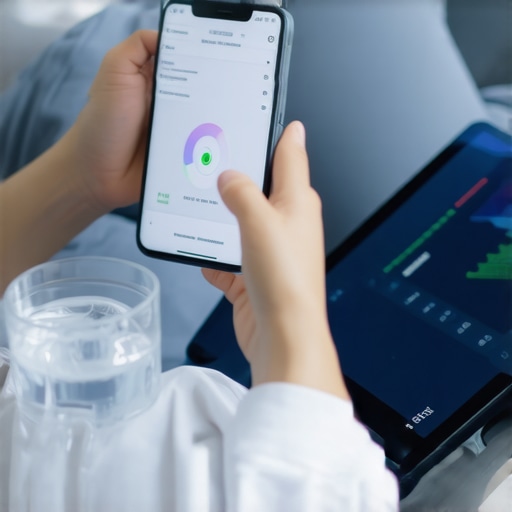
If you have a pulse oximeter or a smart watch, have those numbers ready. I remember a specific session where my provider noticed my resting heart rate had been creeping up for three days. I had not even noticed the shortness of breath yet, but the data showed my body was working harder to get oxygen. We adjusted my maintenance dose right then, and for the first time in years, I did not end up on prednisone. Understanding the role of lab tests in preventive wellness allows you to catch these microscopic shifts before they become macroscopic problems.
Master the 15-Minute Consultation
Speed is the hallmark of telehealth, but you have to be efficient to get the best results. Start by discussing your rescue inhaler frequency. If you are using your albuterol more than twice a week, your maintenance plan is failing and needs a pivot. This is a crucial moment to ask how to spot a better telehealth provider in 3 specific questions because you want someone who focuses on long-term stability, not just a quick script to stop the current wheezing.
Why You Should Ask for an Allergy Panel Tweak
Most people assume their childhood allergies are static, but they actually evolve over time. If your current meds are not hitting the mark, it might be because standard allergy panels often miss environmental triggers that have changed as you have aged or moved to a new climate. Use the virtual visit to request specific lab tests for a clearer diagnosis of what is actually irritating your system right now. Last year, I found out I had developed a sensitivity to mold I never had in my twenties; changing my home air filters did more than any pill ever could.
Secure Your Prescription Safety Net
The ultimate goal is to never run out of breath at midnight with an empty inhaler. During your call, verify your refills for the entire season ahead. Virtual providers are excellent at managing chronic wellness because they can look at your historical usage and see the gaps in your coverage. I used to be the person frantically searching for getting a prescription refill on a Sunday. Now, I have my maintenance inhalers and a fresh bottle of nasal spray sitting in my cabinet by March 1st. It turns the emergency of spring into just another Tuesday on the calendar.
Most people think that a green light on a blood panel means they are in the clear. But here is the nuance: normal ranges are often based on a bell curve of the general population—many of whom are already dealing with sub-optimal health. If you are at the very edge of a range, you might still feel terrible. This is exactly why your lab results come back normal while you still feel like trash. I have seen countless people walk away from their annual physical with a clean bill of health while their body is screaming for help. We need to stop looking for disease and start looking for optimal function.
The Danger of Settling for Normal Labs
The biggest myth in modern wellness is that your lab results are a static snapshot. They aren’t. They are a moving target. According to a report by the Journal of the American Medical Association (JAMA), early detection through proactive screening can prevent up to 50% of chronic disease progression, yet most patients wait until they have symptoms to act. I challenge the belief that we should only test when something is broken. By understanding the role of lab tests in preventive wellness, you are not just checking boxes; you are building a biological map. 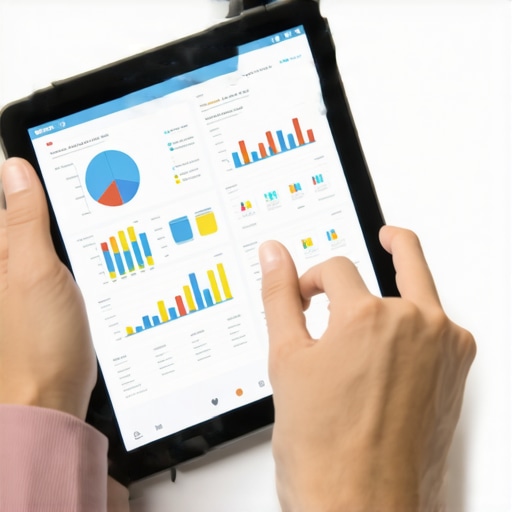
Does Your TSH Score Actually Explain Your Fatigue?
If you have ever felt exhausted despite your doctor saying your thyroid is fine, you might be a victim of a narrow testing window. Many standard panels only check TSH, which is only half the story. To get the full picture, you often need to advocate for a deeper dive. This is the sophisticated approach to understanding lab tests for a clearer diagnosis. If your provider isn’t willing to look at the nuances of Free T3 or T4, you aren’t getting the care you deserve. Have you ever fallen into the trap of being told your labs are fine while you were still struggling? Let me know in the comments.
Why Reactive Vaccination is a Losing Game
Another massive trap is the set it and forget it mentality regarding immunity. We often think our childhood vaccines cover us for life. In reality, why you might need a booster even if you are fully vaccinated is a critical discussion to have as you age or prepare for travel. The oops factor here is waiting for an outbreak to check your records. Whether it is a tetanus shot or a flu vaccine, why you should not wait until October for your flu shot is about building your immune wall before the siege begins. Using virtual care to review these vaccination myths and facts for 2025 ensures you are not making decisions based on outdated science or fear.
Stop Treating Telehealth Like a Digital Band-Aid
Finally, we have to address the advanced mistake of using telehealth only for emergencies. The real power lies in exploring the benefits of telehealth in managing chronic wellness. It is about the data-driven follow-up. A quick video call to adjust a dose based on your latest lab work is far more effective than a once-a-year office visit. By unlocking the power of telehealth for fast wellness access, you are moving from a reactive patient to a proactive health CEO. Don’t let the simplicity of the technology fool you; the most advanced care is now happening on your screen.
To keep this system from falling apart, you need more than just an occasional video call; you need a dedicated digital ecosystem that works while you sleep. I spent years keeping my medical records in a literal shoebox, only to realize that a paper-based life is the fastest way to miss a booster or ignore a creeping health trend. Moving your health strategy to the cloud isn’t just about convenience; it is about building a longitudinal view of your life.
Stop Hunting for Folders and Go Digital
My first big move was centralizing every lab result and vaccination record into a single secure digital locker. This is a game changer when you need to track down your child’s school immunization history instantly or prove your status for a last-minute flight. When your data is accessible, you can spot patterns that a doctor seeing you for ten minutes might miss. I personally use a simple encrypted cloud folder, but many innovations in virtual care now offer integrated portals that do this for you automatically.
The Tech Stack That Actually Keeps Me Healthy
I don’t believe in buying every gadget on the market, but three tools have changed my life: a high-quality smart ring, a smart scale that measures body composition, and a digital blood pressure cuff. These aren’t just toys; they are the sensors for your home triage center. By checking my data weekly, I can see lab markers that prove your metabolism is stalling before I even feel the weight gain. According to a 2024 report by the Healthcare Information and Management Systems Society (HIMSS), patients who use remote monitoring tools are 40% more likely to maintain their wellness goals over a two-year period compared to those who rely solely on annual visits. 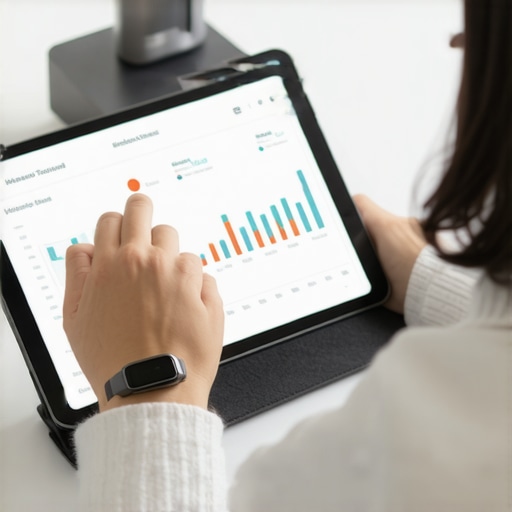
How can I maintain this high-level health tracking without it becoming a second job?
The secret is automation and batching. I schedule my virtual check-ins for the entire year every January. If I know I am traveling, I already have the plan for how to proof your immunity records for international travel weeks in advance. It is about removing the friction of the decision-making process. You shouldn’t have to wonder if you need a test; the calendar should tell you it is time. This proactive stance is exactly why regular lab tests are critical for your wellness journey. They take the guesswork out of how you feel.
Where Your Health is Heading in 2026 and Beyond
Looking forward, I predict we are moving toward ‘Predictive Wellness,’ where AI-integrated telehealth platforms will analyze your wearable data and automatically trigger a lab order if your resting heart rate or sleep quality deviates from your baseline for more than three days. We are moving away from ‘reacting to sickness’ and toward ‘optimizing human performance.’ This is the true future of accessible healthcare services. You won’t just call a doctor because you are ill; you will consult them to stay at 100%. I challenge you to take one step today: download your last three lab reports and put them in one digital folder. Seeing the numbers side-by-side will tell you a story you haven’t heard yet.
The Hard Truths About Managing My Health from a Laptop
Reflecting on my journey from that 3 AM wheezing fit to a fully controlled respiratory season, I have realized that the biggest hurdle was my own mindset. I used to think virtual care was just for the flu, but it is actually the most powerful tool for revolutionizing wellness through constant oversight. One major lightbulb moment was realizing that a doctor cannot help you if you only show up when you are already in crisis. By using innovations in virtual care, I started checking in when I felt great, which allowed us to spot the tiny dips in my lung function before the pollen even hit the air. Another hard lesson? My vaccine records were a mess. I had to learn how to track down old vaccine records just to realize I was overdue for a booster that could have saved me weeks of fatigue.
Three Tools That Actually Changed My Daily Routine
If you want to move from being a reactive patient to a proactive health advocate, you need a reliable toolkit. First, I highly recommend finding a dedicated digital portal where you can keep a personalized vaccination schedule; this takes the memory work out of immunity. Second, invest time in a platform that allows you to review your own results. I spent years being told I was fine until I learned how to read my own lipid panel without panic and realized my markers were trending in the wrong direction. Finally, I trust specific vaccinations and lab testing strategies that prioritize long-term longevity over quick fixes. These tools do not just track illness; they provide a roadmap for how I want to feel ten years from now.
Your First Step Toward a Clearer Spring
You do not have to wait for the next allergy season to feel like you are losing control of your breath. The shift starts with one small, proactive move. Whether it is scheduling a ten-minute video call to review your maintenance meds or finally booking that blood panel you have been delaying, every action builds your defense. This is the core of accessible healthcare services—putting the power back in your hands rather than the waiting room. You deserve to wake up in April feeling refreshed, not restricted. Take charge of your wellness today so you can breathe easier tomorrow. What is the one health marker you have been putting off checking because of a busy schedule? Let me know in the comments below.