
Why your high-protein diet might be stressing your kidneys
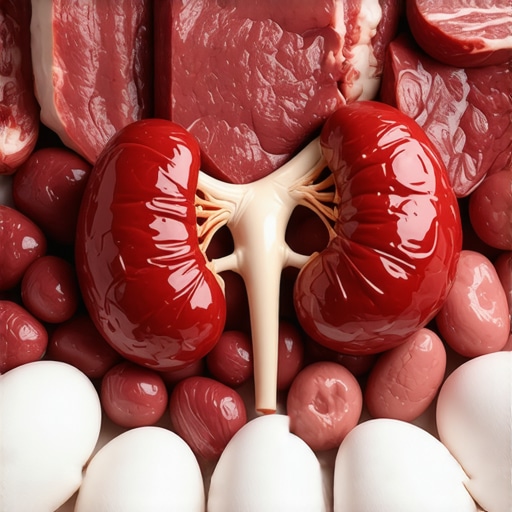
I remember standing in my kitchen, staring at my fourth protein shake of the day, feeling like absolute trash. I had the “ideal” body on the outside, but inside, things were screaming. I thought I was doing everything right—hitting 200g of protein, lifting heavy, and sleeping enough. Yet, I was dealing with this weird, dull ache in my lower back and a level of exhaustion that no amount of espresso could fix. It turns out, I was drowning my kidneys in nitrogenous waste. If you have been pushing the limits of your “macro” goals and started noticing bubbles in your urine or persistent fatigue, you aren’t alone. Today, we are going to peel back the curtain on why your high-protein obsession might be backfiring and how you can actually fix it without losing your muscle mass.
The Day I Realized My Healthy Diet Was Actually Hurting Me
I made the classic mistake of thinking more is always better. I assumed that if 1.2 grams of protein per pound of body weight was good, 2 grams must be elite. I was wrong. My labs showed my creatinine levels were spiking, and my GFR (Glomerular Filtration Rate) was dipping into territory that made my doctor lean forward in her chair. You might find that your healthy diet is causing persistent brain fog because your kidneys are struggling to filter the byproducts of all that steak and whey. It is a scary realization when the food you think is fueling you is actually clogging the gears of your internal filtration system. I had to learn the hard way that understanding lab tests is the only way to know if your lifestyle is sustainable or self-destructive.
Stop Ignoring the Warning Signs Your Body Is Sending
The body is incredibly vocal if you know how to listen. Before my “lightbulb moment,” I dismissed my symptoms as just being “tired from the gym.” But there are 7 lab markers that prove your metabolism is stalling, and for me, my kidney markers were the first to flash red. High protein diets require the kidneys to work overtime to excrete urea, a byproduct of protein metabolism. When you overdo it, you are basically asking a small filter to handle a massive sludge of waste. According to the National Kidney Foundation, while a high-protein diet may not cause damage to healthy kidneys, it can significantly accelerate the decline in people who have undiagnosed, early-stage kidney issues. This is why I always tell my friends to get a baseline before they start a massive bulk.
Is This Much Protein Really Dangerous?
I hear this all the time from people in the locker room: “I have been eating this way for years and I feel fine.” But the thing is, your lab results can come back normal while you still feel like trash because the standard reference ranges are often looking for full-blown disease, not subtle strain. Have you ever felt that nagging lower back pain after a week of heavy meal prepping and wondered if it was just the gym, or something deeper? If you have, it is time to stop guessing. We are going to look at the specific markers you need to watch to keep your kidneys safe while still hitting your fitness goals.
The Lab Markers That Actually Tell the Truth About Your Kidneys
Standard panels often stop at creatinine, but that is like checking a car’s oil by looking at the hood. Creatinine is a waste product of muscle breakdown, so if you are a lifter, your levels will naturally be higher, often leading to a false alarm or a missed signal. I learned this the hard way during a heavy prep when my doctor flagged my levels as ‘concerning,’ yet my actual kidney function was fine. To get a real picture, you need to look at Cystatin C and GFR. Understanding the role of lab tests in preventive wellness means knowing which markers are influenced by your gym habit and which ones actually measure organ efficiency. If your Cystatin C is elevated, it is time to scale back, regardless of how many grams of protein your favorite influencer says you need.
Stop Treating Your Protein Goal Like a High Score
I used to think that hitting 250g of protein was a badge of honor, but I was just making expensive urine and stressing my renal system. Think of your kidneys like a coffee filter; if you pour too many grounds in at once, the water overflows. You need to calculate your needs based on lean body mass, not total weight. Transitioning from a ‘more is better’ mindset to a ‘precision’ mindset changed everything for me. I started using 7 markers in your blood work that actually predict longevity to guide my intake. By dropping my protein by just 30 grams and replacing those calories with healthy fats, my energy stabilized and that dull back ache vanished within two weeks.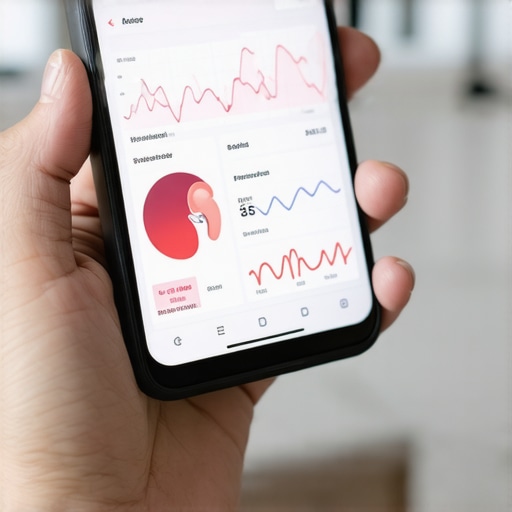
Get Specialist Feedback Without Leaving Your Home Office
The biggest hurdle to monitoring kidney health is the friction of the traditional clinic. Waiting three weeks for an appointment just to discuss a lab result is why most people ignore the signs until it is too late. This is where telehealth innovations how virtual care is changing wellness really shine. I remember sitting in a hotel room on a business trip, pulling up my latest labs, and having a specialist explain the nuances of my urea nitrogen levels via a 10-minute video call. It removes the ‘I’ll do it later’ excuse. If you are serious about your health, why regular lab tests are critical for your wellness journey becomes obvious once you have a professional who can interpret the data in the context of your high-performance lifestyle.
Keep Your System Flushed Without Over-Hydrating
Hydration is not just about drinking gallons of water; it is about keeping the sludge moving. When you consume high amounts of protein, your body requires more fluid to process the nitrogenous waste. However, chugging water without electrolytes can actually strain your kidneys further by diluting necessary minerals. I started adding a pinch of sea salt and a squeeze of lemon to my morning water, and the difference in my lab work was immediate. You should also keep an eye on the specific liver enzyme test your doctor probably skipped, as the liver and kidneys work in a tight partnership to detoxify your blood. If one is struggling, the other is usually right behind it.Most people assume that if their creatinine levels fall within the ‘normal’ range on a standard blood panel, their kidneys are essentially invincible. But here is the contrarian truth: for anyone carrying significant muscle mass or consuming a high-protein diet, a standard creatinine test is often a misleading metric. In my experience, relying solely on this proxy is one of the most common mistakes in the fitness community. Because creatinine is a byproduct of muscle metabolism, if you are ‘jacked’ or just finished a heavy leg day, your levels will naturally be elevated. This can lead to a ‘false positive’ for kidney strain, or worse, it can mask actual underlying issues. If you have been wondering why your lab results come back normal while you still feel like trash, it is because you are looking at the wrong markers.
Stop Falling for the Creatinine Trap
The ‘Oops’ factor here is significant. I have seen athletes get referred to nephrologists unnecessarily because their creatinine was 1.4 mg/dL, while their actual filtration rate was perfect. To avoid this, you must demand a Cystatin C test. Unlike creatinine, Cystatin C is not affected by muscle mass or protein intake. It provides a much clearer picture of your Glomerular Filtration Rate (GFR). This level of detail is exactly what we mean when discussing understanding lab tests: your roadmap to clearer diagnosis. Without this specific marker, you are essentially flying blind, guessing whether your diet is building your physique or silently eroding your renal reserve.
Can High Protein and Long-Term Renal Health Coexist?
The answer is a resounding yes, but only if your metabolic health is optimized. A common myth is that protein itself is the primary toxin. However, research published in the Journal of the American Society of Nephrology suggests that high protein intake primarily becomes a risk factor when paired with underlying metabolic dysfunction, such as systemic inflammation or insulin resistance. This is why why the fasting insulin test matters more than a1c for weight loss and kidney protection; if your insulin is high, your kidneys are already under pressure. Adding massive amounts of protein to an inflamed system is like throwing fuel on a slow-burning fire. 
Find the Real Culprit Behind Your Metabolic Fatigue
Another hidden nuance is the liver-kidney axis. Your liver has to process the nitrogen from protein before your kidneys can filter it. If your liver enzymes are sluggish, your kidneys take a double hit. I often tell my clients that learning how to read your own lipid panel without a medical degree is helpful, but you also need to look at the ‘unpopular’ markers like GGT (Gamma-Glutamyl Transferase). This is one of the 7 markers in your blood work that actually predict longevity because it signals oxidative stress that eventually damages the delicate filters in your kidneys.
How Telehealth Bridges the Gap Between Data and Action
The biggest trap is getting these advanced results and then having no one to help you interpret them through the lens of performance. Traditional clinics often lack the time to dive into the ‘optimal’ versus ‘normal’ debate. This is where telehealth innovations how virtual care is changing wellness provide a massive advantage. You can consult with experts who specialize in functional medicine and performance, ensuring that your why regular lab tests are critical for your wellness journey isn’t just a box-ticking exercise, but a strategic move for long-term health. Have you ever fallen into this trap of misinterpreting your own lab results? Let me know in the comments.Maintaining this level of health isn’t about willpower; it’s about having a system that does the heavy lifting for you. I personally rely on a combination of digital tracking and specialized blood monitoring. I’ve started using platforms that allow me to layer my results over time, as seeing the trend lines of my Cystatin C and BUN is far more valuable than a single snapshot. This is why understanding lab tests becomes your primary defense. If you see a three-month upward trend in markers of oxidative stress, you can pivot before you feel the physical symptoms of strain. One tool I swear by is a high-quality smart bottle that syncs with my health apps. It sounds like overkill until you realize that even a 2% drop in hydration can significantly slow down urea clearance. I also keep a digital folder of every immunization and test result. If you’re traveling or switching jobs, knowing how to proof your immunity records for international travel is a lifesaver. I treat my health data like a financial portfolio—diversified and frequently audited.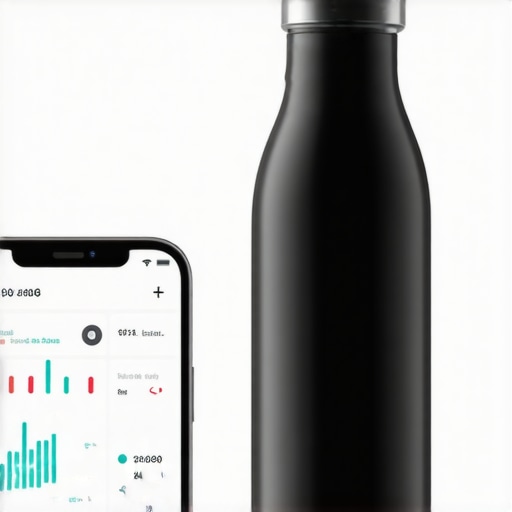
Keep Your Filters Running Smoothly
Consistency is the only way to avoid the common creatinine trap. You need to establish a baseline when you are in a steady state, not just when you are pushing for a personal record in the gym. This is why regular lab tests are critical for your wellness journey; they provide the necessary context for your high-performance spikes. I use a simple spreadsheet to track my filtration rate against my daily protein intake. When I see my function markers dip slightly, I immediately implement a ‘renal reset’ week where I cut my protein by 50% and double my intake of cruciferous vegetables. Spotting how lab tests can detect hidden health risks early in your wellness pathway is much easier when you have years of data to compare.
How Can I Keep My Kidneys Healthy While Chasing Muscle?
The secret is cyclic protein intake and strategic ‘washout’ periods throughout the year. I recommend doing a deep dive into your metabolic markers every quarter. By maximizing your health combining vaccinations and lab testing strategies, you ensure that your immune system and your filtration system aren’t competing for vital resources. According to the KDIGO 2024 Clinical Practice Guideline for the Evaluation and Management of Chronic Kidney Disease, precision in monitoring GFR is non-negotiable for individuals with high muscle turnover. It’s about being proactive with your data rather than reactive to your pain.
The Near Future of Bio-Monitoring
Looking ahead, I predict we are moving toward continuous metabolite monitoring—similar to current glucose monitors, but for urea and creatinine. Imagine getting a push notification on your watch saying, ‘Your nitrogen levels are peaking; skip the extra scoop of whey today.’ This technology is already being prototyped in elite sports science labs. Until it hits the consumer market, telehealth innovations how virtual care is changing wellness provide the best bridge for average users. You get access to specialized oversight without the soul-crushing wait times of a standard hospital. If you want to take action right now, I challenge you to go download your last three blood panels and put them into a simple spreadsheet. Spotting the trends yourself is the first step toward total health autonomy.
The Hard Truth About My Protein Obsession
My biggest lightbulb moment came when I realized that a jacked physique can easily mask a struggling filtration system. I had fallen into the trap of thinking that if I looked healthy on the outside, I must be thriving on the inside. Here is the reality: high-protein diets are a performance tool, not a mandatory requirement for every lifter. I learned that why your lab results come back normal while you still feel like trash is often because standard panels don’t account for the metabolic load of a high-performance lifestyle. I also discovered that ‘renal reset’ weeks—where I intentionally drop protein to moderate levels—did more for my energy than any pre-workout supplement ever could. Finally, I realized that ignoring the subtle signs of urea buildup was like ignoring a check engine light in a race car; eventually, the engine stops.
My Personal Strategy for Long-Term Performance
I don’t leave my health to chance anymore. I rely on a specific toolkit to ensure I am building muscle without burning out my organs. First, I insist on a Cystatin C test rather than just creatinine. This is the only way to get an accurate GFR when you carry significant muscle mass. Second, I have moved my clinical oversight to telehealth innovations how virtual care is changing wellness platforms, which allow me to speak with specialists who understand performance nutrition. Third, I track my data using understanding lab tests as a roadmap rather than a guessing game. #IMAGE_PLACE_HOLDER_E# I also recommend keeping a digital folder for all your results, as seeing the multi-year trend of your filtration rate is far more valuable than any single snapshot.
Take Charge of Your Internal Data
You do not have to choose between hitting your PRs and keeping your kidneys healthy. By embracing why regular lab tests are critical for your wellness journey, you turn your fitness path into a data-driven strategy rather than a gamble. It is about longevity as much as it is about aesthetics. When you stop guessing and start measuring, you gain the freedom to push your limits with total confidence. Have you ever had a ‘concerning’ lab result that turned out to be just a byproduct of your gym habit? Let me know in the comments below.