
The hidden lab markers that show the first signs of physical burnout

I remember staring at my bedroom ceiling at 6:00 AM, my heart hammering against my ribs like a trapped bird. I’d slept for eight hours, yet my limbs felt like they were filled with wet concrete. I told myself it was just a tough week. Then a tough month. I kept pushing, fueled by espresso and sheer stubbornness, until I finally collapsed. The worst part? My doctor said my basic blood work looked “fine.” I was making a classic mistake: I was waiting for a diagnosis instead of looking for the smoke before the fire. We often think burnout is a mental state, but your biology leaves breadcrumbs long before your brain gives up. Today, I want to show you exactly how to find those crumbs so you don’t end up where I did.
Have you ever felt like you’re running on fumes even when you’ve done everything “right” for your health?
Your Body Is Whispering Before It Screams
I spent years believing that if my lab results were in the “green zone,” I was invincible. That was my first big mistake. Standard reference ranges are designed to catch disease, not to optimize human performance. You can be “clinically normal” and still be completely exhausted after a full night’s sleep. I learned the hard way that why your lab results come back normal while you still feel like trash usually comes down to the markers your primary care doctor isn’t even ordering.
Is specialized testing actually worth the hassle?
You might worry that digging deeper into your blood work is just a way to find more things to stress about. But the reality is that catching these shifts early is the only way to avoid the catastrophic “crash.” According to the American Psychological Association, chronic stress can dysregulate the hypothalamic-pituitary-adrenal (HPA) axis, leading to physical symptoms that mimic serious illness before a single organ fails. This is where spotting early signs of burnout before you crash becomes a life-saving skill. By the time your A1C or cholesterol spikes, the damage is already well underway. We need to look at the “hidden” signals—like your morning cortisol curves or subtle shifts in your fasting insulin levels—to see the real story of your metabolism. If you aren’t checking these specific markers, you’re essentially flying a plane with half the dashboard blacked out.
Take Control of Your Lab Data Instead of Letting it Scare You
I used to treat my annual physical like a pass/fail exam. If I passed, I didn’t change a thing. But after my own crash, I realized that the real data lives in the trends, not just the single data points. You need to look at 7 markers in your blood work that actually predict longevity rather than just looking for disease. Think of your body like a high-performance engine; you wouldn’t wait for the engine to seize before checking the oil levels. The first step is to upgrade from a basic screen to a comprehensive look. I remember a specific Tuesday when I felt so shaky I could barely hold a pen, but my doctor insisted my glucose was fine. I took matters into my own hands and learned why a full metabolic panel is better than a basic blood draw for fatigue. Seeing my high fasting insulin explained everything—my body was working overtime just to stay “normal.”
Audit Your Energy Every Single Morning
Before you reach for the French press, check in with your baseline. If you wake up with a racing heart, you might be dealing with a cortisol spike. Learning how to interpret a high cortisol result without the panic changed my entire morning routine. I stopped doing fasted cardio and started focusing on 3 simple ways to lower your morning cortisol naturally, like sunlight exposure and mineral-rich hydration. 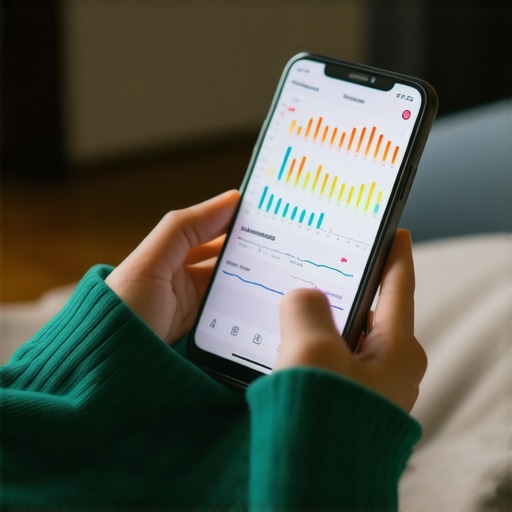
Ditch the Caffeine Band-Aid for Real Metabolic Fixes
We often mask burnout symptoms with stimulants, which only pushes the HPA axis further into the red. I was the king of the 3 PM double-espresso until I realized why your afternoon energy crash isnt just about caffeine. It was actually my blood sugar tanking because of a high-carb lunch. If you’re struggling with focus, 3 moves to stabilize your blood sugar before your next wellness check can be more effective than any supplement. I started adding more protein and fats to my early meals and noticed the “brain fog” lifted within forty-eight hours.
Leverage Virtual Care to Stay Consistent
The biggest hurdle is usually the logistics. Driving to a clinic, sitting in a waiting room, and fighting for a ten-minute slot with a provider is exhausting when you’re already burned out. This is where telehealth innovations become a literal lifesaver. You can get a specialist’s eyes on your specific data points without leaving your couch. I used this exact method to get 3 tactics for getting a testosterone panel without an office visit when I knew my hormones were flagging. Virtual care allows you to keep the momentum going when your physical energy is at its lowest.Let’s dig deeper into a nuance that most wellness gurus ignore: the myth of the static immune system. We often treat our bodies like they are frozen in time once we hit thirty, but your biology is a moving target. I’ve seen people who eat organic, run marathons, and meditate daily, yet they remain completely unprotected against basic threats because they missed the nuance of adult maintenance. The common belief is that if you aren’t ‘sick,’ you don’t need to step foot in a clinic. In my experience, however, proactive wellness checks are your first step to better health because they capture your baseline before the environment challenges it.
Stop Treating Your Immunity Like a One-Time Event
One major ‘oops’ factor I see in high-performers is the assumption that childhood immunizations provide a lifetime of armor. This is a dangerous trap. By the time we reach adulthood, our ‘immune memory’ for certain pathogens begins to fade—a process known as immunosenescence. This is why why adult tetanus boosters are more important than you think; it’s not just about stepping on a rusty nail, but about keeping your immune system primed and ‘educated.’ If you’re looking at vaccinations myths busted what you need to know in 2025, you’ll see that the landscape of prevention has shifted toward a more personalized approach. 
The Hidden Danger of Fading Immune Memory
A study published in the journal Immunity & Ageing highlights that even in otherwise healthy adults, antibody titers for several preventable diseases can drop significantly every decade, making boosters a biological necessity rather than a suggestion. Failing to track this is like neglecting to update the antivirus software on your computer while expecting it to catch the latest malware. To avoid this, you need to understand the essential lab tests you need for accurate vaccination planning. Instead of guessing, you can actually test your titers to see if you’re still protected. This level of data-driven health is where true ‘wellness’ lives.
Can your current blood chemistry change your vaccination strategy?
Most people don’t realize that your body’s ability to respond to a vaccine depends heavily on your current metabolic health. If your system is highly inflamed, your response might not be as robust. This is why understanding the role of lab tests in preventive wellness is so critical. You aren’t just looking for disease; you’re ensuring your body has the resources to build a defense. By utilizing personalized vaccination schedules for better disease prevention, you can time your boosters and wellness checks when your body is at its peak readiness. Have you ever fallen into this trap of thinking you were ‘covered’ only to find out your records were decades out of date? Let me know in the comments.I used to think that reaching my health goals was a finish line. I thought once my energy returned and my labs looked good, I could just coast. I was wrong. Maintenance is the actual work. It’s like keeping a high-end sports car on the road; you don’t just fix the engine once and ignore the oil for five years. To keep myself from slipping back into that 6:00 AM exhaustion, I’ve built a specific ‘stack’ of tools and habits that turn health from a chore into a background process. One of the biggest shifts was moving away from the waiting room culture entirely. I started to leverage telehealth insights to handle the boring stuff, like prescription refills and quick data reviews, so I could save my energy for the actual healing.
Why My Phone is Now My Most Important Medical Device
In my own routine, I use a combination of continuous glucose monitors (CGMs) and bi-annual lab panels to keep a pulse on my biology. But data is useless if you don’t know what to do with it. This is why maximizing your health by combining vaccinations and lab testing strategies is my go-to approach. I don’t just get a shot because the calendar says so; I check my inflammatory markers first. If my C-reactive protein is high because I’ve been overtraining, I wait a week. You want your immune system to be at its most ‘teachable’ when you’re giving it new information. For anyone who hates the logistics, unlocking the power of telehealth for fast wellness access has removed every excuse I used to have for skipping my follow-ups. 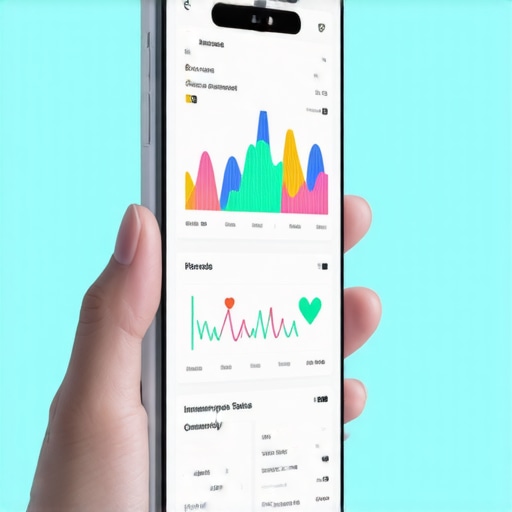
How do I maintain my immune and metabolic health over time?
The secret isn’t a miracle supplement; it’s a ‘titer-first’ philosophy. Instead of blindly following a schedule, I use blood work to see what I actually need. According to the CDC’s Epidemiology and Prevention of Vaccine-Preventable Diseases (often called the Pink Book), adults are notoriously under-immunized simply because they lose their records or don’t realize their immunity has waned. I treat my body like a high-security network—I regularly check the ‘firewall’ by seeing why regular lab tests are critical for your wellness journey. This keeps me from over-medicating while ensuring I’m never truly vulnerable.
Wait Until You See What Blood Tracking Looks Like in 2030
We are moving toward a future where ‘reactive medicine’ is a relic of the past. Within the next few years, I predict we will see at-home, real-time blood analysis that syncs directly with our wearables to adjust our nutrition and recovery in real-time. We are already seeing the beginning of this with expert vaccination tips being delivered via personalized apps based on your specific travel history and lab data. The trend is clear: healthcare is becoming decentralized, and the power is moving from the hospital’s filing cabinet to your pocket. If you want to stay ahead of the curve, I challenge you to do one thing today: log into your patient portal, find your last set of labs, and look for the markers we discussed, or use a virtual platform to track down your vaccine records. Your future self will thank you for the paper trail.I wish someone had told me that ‘fine’ is the most dangerous word in medicine. It’s often a placeholder for ‘we don’t see a disease yet,’ which is a low bar for anyone wanting to truly thrive. When I stopped settling for just being okay, I realized that how lab tests can detect hidden health risks early in your wellness pathway is the actual difference between burnout and sustained high performance. My biggest lightbulb moment was realizing that my body doesn’t owe me energy; I have to provide the precise biological environment for it to produce that energy. Finally, I learned that convenience isn’t a luxury—it is a prerequisite for consistency. If managing your health is a logistical nightmare, you simply won’t do it, which is why a digital-first approach is so transformative.
Three Realities My Doctor Never Mentioned About Recovery
- The ‘Normal’ Trap: Standard lab ranges are averages of the general population, many of whom are not healthy. Your goal should be ‘optimal,’ not just ‘average.’
- Timing is Everything: A single blood draw is a snapshot. To see the true story of your HPA axis or metabolic health, you need to look at how your markers shift throughout the day and over the months.
- Immunity is a Skill: Your immune system needs regular ‘updates’ through boosters and wellness checks to remain effective against modern stressors.
My Practical Toolkit for Staying Out of the Waiting Room
To keep my vitality high and my stress low, I rely on a few non-negotiables that keep me from ever needing a traditional clinic visit. First, I use telehealth to transform personal care by consulting with specialists who understand data-driven optimization rather than just disease management. I also keep a digital folder of my ‘optimal’ lab targets. If you’re tired of being confused by your results, learning how to read your thyroid panel like a specialist can give you the vocabulary to advocate for the tests you actually need. Finally, I lean heavily on telehealth in managing chronic wellness to track my trends so I can pivot my diet or sleep before a minor dip becomes a total crash. #IMAGE_PLACEHOLDER_E#
Your Body is Ready for a Real System Update
Reclaiming your energy isn’t about one giant leap; it is about the small, data-driven pivots you make every day. You don’t have to wait for a total collapse to start investigating why you feel less than your best. By prioritizing your own wellness journey and using the virtual tools available to you, you can move from reactive survival to proactive vitality. You have the power to rewrite your health narrative, and it starts with looking at your data with fresh eyes. Have you ever suspected a ‘normal’ lab result was hiding the real cause of your fatigue? Let me know your experience below.