
The 5-minute path to getting an urgent prescription for severe allergies
I was standing in the middle of my kitchen, eyes streaming and throat feeling like it was lined with sandpaper, staring at an empty bottle of antihistamines. It was 3:00 PM on a Tuesday, and my regular doctor’s office had already put the “away” message on their phone lines. I made the classic rookie mistake of thinking I could just “power through” the spring bloom without checking my refill status. That was a miserable night of wheezing that I never want to repeat. But that desperation led me to a realization: we don’t have to be held hostage by traditional scheduling when our immune systems go into overdrive. Today, I am going to show you the exact 5-minute workflow I use to secure an urgent prescription for severe allergies before the pharmacy even closes its drive-thru.
Stop Waiting for the Doctor’s Office to Call You Back
For years, I believed that if I had a flare-up, my only options were the ER or a week-long wait for a primary care slot. I was wrong. The reality is that the quick fix for seasonal allergies via video consultation has completely changed the game for people like us. When your eyes are swollen shut, you don’t need a physical exam; you need a licensed professional to review your history and hit ‘send’ on a script. I used to think I was being “thorough” by insisting on in-person visits, but I was actually just suffering longer than necessary. Now, I utilize the 5-minute virtual move for getting your prescriptions refilled whenever the pollen count spikes. It’s about being realistic with your time and your health. Have you ever been stuck in that limbo where you’re too sick to function but not ‘sick enough’ for the emergency room?
Is it actually safe to get a prescription without an in-person exam?
It is a valid fear. I worried that a virtual provider might miss something crucial, but for standard allergic reactions, the protocol is highly streamlined. According to the Asthma and Allergy Foundation of America, over 50 million Americans deal with various types of allergies each year, making it one of the most commonly managed conditions through virtual care. By unlocking the power of telehealth for fast convenient wellness access, you are actually getting specialized attention faster than you would in a crowded waiting room. I found that I could even manage seasonal asthma flares through virtual care by simply having my records ready and being honest about my symptoms. Transitioning to this model didn’t just save my afternoon; it saved my sanity during peak allergy season.
Why Your Medical ‘Go-Bag’ Matters More Than the Appointment
Think of a virtual visit like a Formula 1 pit stop. If the crew is looking for the tires while the car is idling, the race is lost. You need your kit ready before you hit the ‘join’ button. This means having the exact name and dosage of the antihistamine or nasal spray that worked for you in the past. I once tried to do a call while my toddler was using my legs as a jungle gym and the dog was barking at a squirrel. I could not remember if I took 10mg or 20mg of my previous meds, and the doctor spent three minutes just watching me dig through a junk drawer. It was embarrassing and a total waste of time. To avoid this, write down your preferred pharmacy’s cross-streets and phone number on a physical sticky note. It sounds old-school, but when you are mid-call, you do not want to be toggling between apps and risking a dropped connection.
Document Your Symptoms Like a Crime Scene Investigator
Do not just say ‘I feel itchy.’ Use your phone’s camera to take high-resolution photos of your eyes or skin rashes under good lighting. This is the digital version of understanding lab tests your roadmap to clearer diagnosis at 322 pm. Visual evidence replaces the physical touch of an in-person doctor. If you are also dealing with congestion that feels like a lead weight in your forehead, mention that specifically, as it might help the provider determine if you have crossed the line from allergies into needing the fastest way to treat a sinus infection via video visit.

The Shortcut to Getting Your Script Sent Successfully
When you finally get the provider on screen, do not wait for them to lead the dance. Lead it yourself by stating your goal immediately: ‘I have a history of seasonal allergies, my current symptoms are X, and I am looking for a refill or alternative to Y.’ This directness is a hallmark of telehealth innovations how virtual care is changing wellness in 639 am because it respects everyone’s schedule. Being concise does not mean being rude; it means being efficient with a professional whose time is split between dozens of patients.
How to Spot a Better Telehealth Provider in 3 Specific Questions
Not all platforms are created equal. You want a provider who asks about your underlying conditions, not just your current sniffle. If they do not ask about your heart rate or other medications, that is a red flag. Knowing how to spot a better telehealth provider in 3 specific questions ensures you are not just getting a rubber stamp, but actual medical care. I have learned the hard way that a ‘too fast’ doctor often misses the nuances, like how my allergy meds might interact with my morning coffee or other supplements.
Prepare for the ‘What If’ Scenarios
Sometimes the pharmacy is out of stock, or your insurance denies a specific brand. During the call, ask the doctor for a ‘Plan B’ medication. It is much easier to have the provider send two options to the pharmacist’s queue than it is to try and track the doctor down again at 6:00 PM. This is similar to how parents have to learn how to handle a pediatric fever at 2 am without the er; it is about having a backup plan before the crisis hits its peak. When you have these details squared away, the ‘5-minute move’ actually takes five minutes, leaving you more time to focus on breathing clearly again instead of arguing with a pharmacy technician about a missing fax.
But here is the hard truth most people ignore: your lab portal’s ‘normal’ range is not a gold medal for health; it is often just a reflection of the average, and in today’s world, the average person is increasingly unwell. I have seen so many people celebrate a clean bill of health only to crash months later because they did not realize why your lab results come back normal while you still feel like trash. We have been conditioned to believe that if a number is not flagged in red, there is nothing to worry about. This is the biggest ‘trap’ in modern wellness. These reference intervals are calculated based on a bell curve of the population that actually goes to labs—people who are often already symptomatic. To truly stay ahead of chronic issues, you need to look at ‘functional’ ranges, which are much tighter and geared toward peak performance rather than just the absence of disease.
Stop Trusting the Green Checkmarks on Your Lab Portal
Most patients assume that a standard metabolic panel covers all the bases. It doesn’t. For example, your doctor might check your blood glucose or A1C and tell you everything is fine, while your body is actually screaming for help. This is where understanding the role of lab tests in preventive wellness becomes a superpower. I often argue that why the fasting insulin test matters more than a1c for weight loss is the most overlooked nuance in metabolic health. Fasting insulin can spike years before your blood sugar ever moves out of the ‘normal’ zone. If you are only looking at A1C, you are looking at the smoke, not the fire. By the time the A1C moves, the damage to your metabolism is already well underway. Have you ever fallen into this trap where you felt ‘off’ but were told your labs were perfect? Let me know in the comments.
Which Specific Marker Flags Silent Inflammation Before It Becomes a Problem?
High-sensitivity C-reactive protein (hs-CRP) is a massive needle-mover that rarely gets the attention it deserves during a routine physical. While a standard CRP test looks for major infections, the hs-CRP version is a precision tool for cardiovascular and systemic health. Research published in the Journal of Clinical Medicine suggests that even minor elevations within the ‘normal’ range can indicate subclinical inflammation that ages your arteries prematurely. This is the specific blood marker that flags silent inflammation before it becomes a problem, and it’s something you should insist on if you have a family history of heart issues. 
The Real Reason Your Annual Physical Feels Like a Formality
We have turned the annual check-up into a box-ticking exercise instead of a strategic planning session. This extends to preventative care too. Most people think vaccinations are just for kids or travelers, but vaccinations myths busted what you need to know in 2025 at 1207 pm reveals that adult immunity is a moving target. Relying on a ‘one-size-fits-all’ approach is a mistake. Instead, I recommend personalized vaccination schedules for better disease prevention based on your actual antibody titers, which can be measured through—you guessed it—more specific lab testing. This proactive stance is exactly how revolutionizing wellness how telehealth transforms personal care works in practice. It’s not just about getting a quick script for allergies; it’s about using telehealth innovations how virtual care is changing wellness in 639 am to consult with providers who actually have the time to dive into these nuanced markers with you. Don’t settle for ‘average’ health when the tools for ‘optimal’ wellness are finally within your reach.
Don’t Let Your Data Gather Dust
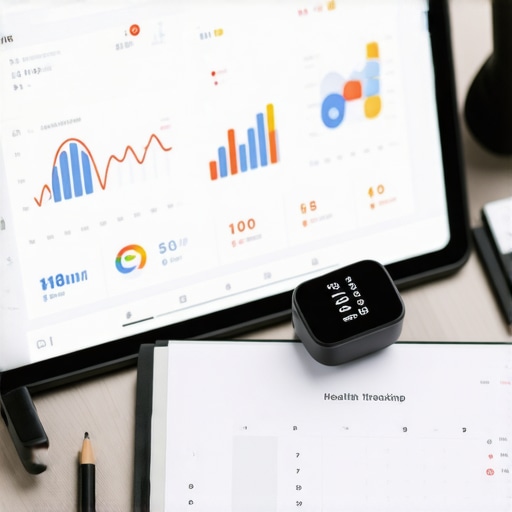
I realized early on that catching a flare-up once is lucky, but staying ahead of it is a discipline. I use a specific digital folder system—nothing fancy, just a cloud-based drive organized by year and “Bio-Marker Type”—to store every PDF report I get from a lab. If you aren’t doing this, you are missing the trend lines. You need to see that your ferritin is slowly dropping over three years, even if it stays in the ‘normal’ range each time. This is why regular lab tests are critical for your wellness journey; they provide the historical context that one-off visits miss. I personally use a simple spreadsheet to plot my own glucose and CRP levels over time because visual charts tell a story that raw numbers hide.
How do I keep these results consistent over the next decade?
The secret isn’t more willpower; it’s better automation. I set a recurring calendar alert for every six months to review my status. It’s also where I weigh the maximize your health combining vaccinations and lab testing strategies I’ve developed with my provider. By scheduling these checks during ‘off-peak’ months—like January and July—I avoid the seasonal rush and ensure my telehealth provider has the bandwidth for a deep dive. I personally use wearable tech alongside my blood work to see if my biological data matches how I actually feel. If my recovery scores are tanking but my labs look ‘fine,’ I know I need to dig deeper into understanding the role of lab tests in preventive wellness. According to a study published in the Journal of Personalized Medicine, patients who actively track their own health metrics via digital platforms show a 15% higher rate of adherence to preventative care protocols.
The Future of Your Living Room as a Medical Hub
I predict that within the next five years, the idea of going to a clinic for a simple blood draw will feel as archaic as using a rotary phone. We are moving toward at-home micro-sampling and continuous monitoring devices that sync directly with your provider’s dashboard. This shift is a huge part of telehealth insights the future of accessible healthcare services. Imagine a patch that tells you when your Vitamin D is low before you even start feeling tired. We are almost there. To stay ahead, start by mastering the tools we have now. Go into your patient portal tonight, download your last three years of labs, and look for one marker—just one—that has been slowly moving in the wrong direction. That is your starting point for your next consultation. Don’t wait for the red flag; find the yellow one first.
The Shift from Panic to Precision Planning
Reflecting on that Tuesday afternoon in my kitchen, I realized that my mistake wasn’t just forgetting a refill; it was living in a reactive loop. I was waiting for symptoms to scream before I listened to my body. The hardest lesson I learned is that ‘normal’ on a lab report is often the bare minimum, not the optimal state. We have to stop viewing our health as a series of fires to put out and start seeing it as a garden to tend. When you embrace how telehealth helps in managing chronic wellness, you stop being a victim of the season and start becoming the architect of your own vitality. I no longer wait for the ‘all clear’ from a busy office; I use my data to drive the conversation.
- Functional ranges are the real gold standard: Don’t settle for being ‘within range.’ Aim for the tighter markers that indicate peak performance.
- Your history is your best diagnostic tool: One lab result is a snapshot; five years of labs is a map.
- Virtual care is a strategy, not a shortcut: Use it to consult with experts who prioritize prevention over prescriptions.
Tools for a More Proactive Life
Building your own medical ‘war room’ doesn’t require a degree. I rely heavily on a few specific resources to stay ahead of the curve. First, I recommend keeping a digital health binder—simple apps like Evernote or even a dedicated Google Drive folder work wonders. This is where I store my lab tests to detect hidden health risks so I can compare them year-over-year. I also follow the Asthma and Allergy Foundation of America for real-time pollen tracking, which tells me exactly when to initiate my virtual consultation protocol. Finally, I always check expert vaccination tips to ensure my immune system has the latest ‘software updates’ before travel or peak flu season hits.
Reclaim Your Days from Seasonal Chaos
You don’t have to spend your life in waiting rooms or sneezing through your favorite outdoor events. The technology to take control is literally in your pocket right now. By prioritizing wellness checks as your first step to better health, you shift the power dynamic back in your favor. Telehealth and proactive testing aren’t just modern conveniences; they are the keys to a life where you aren’t held hostage by your own immune system. Start small, look at your markers, and find a provider who values your long-term wellness as much as you do. Have you ever had a lab result come back ‘normal’ even though you knew something was wrong? Let me know your experience in the comments below.