
Why your next pediatric visit should focus on developmental growth milestones

I was sitting in that crinkly paper-covered exam chair, feeling pretty smug. My daughter had just hit the 95th percentile for height, and I was basically ready to accept my ‘Parent of the Year’ trophy. But when the pediatrician asked if she was pointing at objects to show interest, I blanked. I knew her weight down to the ounce, but I had no clue if she was hitting her social marks. I’d been so focused on the physical ‘stats’ that I completely missed the subtle cues of her brain growing. This is the trap we all fall into, but it’s time we shift the conversation during those fifteen-minute appointments.
Growth Is More Than Just a Height Chart
We treat pediatric visits like a car inspection. We check the fluid levels—think vaccination myths—and we make sure the tires aren’t bald. But we often ignore the GPS system. That GPS is your child’s developmental milestones. In my early days, I made the classic mistake of thinking that if they were eating and sleeping, everything was fine. I didn’t realize that why your child’s growth chart is only half the story until I saw how much easier life got when we addressed social delays early. Today, I want to show you how to take control of your next visit. We aren’t just going to talk about height and weight; we’re going to talk about the cognitive ‘leaps’ that actually define your child’s future. It’s about moving past the basics of why wellness checks are your first step and digging into the ‘how’ of their behavior.
Are these milestones actually worth the stress?
I get the skepticism. Every kid is different, right? My brother didn’t talk until he was three, and he’s a literal rocket scientist now. But ‘waiting and seeing’ is a risky game. According to the CDC, nearly 1 in 6 children has a developmental disability, yet many aren’t identified until they start school. By then, you’ve missed a massive window for intervention. It’s not about being ‘that’ parent who obsesses over every wiggle; it’s about having a roadmap. When you’re dealing with the chaos of handling a toddler’s fever at midnight or trying to figure out how to prepare your toddler for a flu shot, milestones can feel like just another chore. But they are actually your best defense. Have you ever walked out of a pediatric office feeling like you missed a huge opportunity to discuss something ‘off’ about your child’s behavior? We need to start looking for the signs your child is falling behind and combine that vigilance with their social growth. If we don’t advocate for this, the system will just keep churning out height and weight percentages without ever checking if our kids are truly thriving mentally.
Get More From Your Fifteen-Minute Checkup
To move past the height and weight ‘car inspection,’ you need to treat yourself as the lead investigator. The pediatrician only sees a snapshot of your child in a stressful, sterile environment. They see the child who is crying because they know a needle might be coming, not the child who is stacking blocks at home. I remember trying to explain why I thought my son’s hand-flapping was ‘different.’ I stuttered, used vague words like ‘quirky,’ and the doctor almost brushed it off as a phase. The next time, I brought a 30-second video clip. Seeing him in his natural element changed the entire diagnosis. The doctor immediately saw the nuance I couldn’t describe. This is why visual evidence is your strongest tool.
Audit Your Child’s Play Like a Coach
Stop waiting for the doctor to ask the right question. Start a ‘behavioral log’ on your phone notes. Instead of saying ‘he seems slow to talk,’ record specific instances: ‘At 18 months, uses three words consistently: ball, mama, no.’ This data is your leverage. Think of it like a sports coach reviewing film. You aren’t just watching; you’re looking for patterns. This level of detail helps you identify signs your child is falling behind in areas that aren’t visible on a scale. It transforms a vague feeling into a clinical discussion.
Use Virtual Pre-Visits to Narrow the Focus
One of the best ways to maximize your time is through telehealth insights. Before the physical exam, schedule a quick virtual consultation to discuss your observations. This ‘pre-game’ strategy allows you to voice concerns about social cues or behavioral shifts without the distraction of a fussy toddler in the room. It’s the difference between a frantic grocery trip and a planned meal-prep session. When you finally arrive for the physical check-up, the doctor already has your ‘behavioral report’ in hand, allowing more time for the actual exam rather than playing catch-up on history.
Turn Lab Results Into a Developmental Roadmap
We often think labs are only for sick kids, but they are actually vital for baseline wellness. If your child is constantly lethargic or having massive meltdowns, it might not just be a ‘terrible twos’ phase; it could be physiological. For example, the essential lab tests you need can sometimes reveal iron deficiencies or metabolic markers that mimic behavioral irritability. By combining wellness checks with targeted screenings, you get a full-color picture of their health. This proactive approach is especially helpful when you need to handle a pediatric fever at 2 am; you’ll already know their health history is solid and their baseline labs are normal, which significantly lowers your panic level. Knowing the ‘why’ behind their behavior through data keeps you from guessing and allows for faster, more effective interventions.
Standard Labs Often Miss the Warning Signs
Most people assume a clean bill of health means they are thriving. However, in my experience, why your lab results come back normal while you still feel like trash is usually because many standard protocols look for acute disease rather than long-term optimization. It is like waiting for your car engine to seize before checking the oil levels. You need to look at the “functional” range, not just the statistical average. For instance, truly understanding lab tests requires looking at the nuance between “not sick” and “vibrantly healthy.” A study by the Mayo Clinic Proceedings highlights that reference ranges can vary significantly between different laboratories, meaning what is considered “normal” in one facility might be “borderline” in another. This is why having a consistent provider who tracks your personal baseline over time is more important than a one-time snapshot.
Can my daily habits actually break my test results?
Absolutely. This is the “oops” factor most of us ignore when we are trying to be proactive. Did you know why your morning coffee is sabotaging your anxiety labs? Caffeine spikes cortisol and can skew blood sugar readings, yet we rarely think twice about that pre-appointment latte. Similarly, research shows why high stress levels make your tetanus shot more painful is a real physiological response; your body’s inflammatory state directly impacts how you process care. If you aren’t prepping for your labs and visits with the same care you would use for a big presentation, you are likely getting skewed data.
Stop Treating Telehealth Like a Backup Plan
We have been conditioned to think virtual care is only for when we are too sick to leave the house. That is a massive mistake. Using telehealth innovations for proactive strategy is far more effective than just using it for a quick prescription refill. It allows you to discuss maximizing your health strategies without the time pressure or noise of a physical exam room. Have you ever fallen into the “it is probably nothing” trap only to find out later it was a major red flag? Let me know in the comments. We need to move toward personalized vaccination schedules and proactive data reviews if we want to actually stay ahead of our health rather than just reacting to symptoms.To keep this momentum, you have to stop thinking of your health as a series of events and start seeing it as a continuous data stream. I personally use what I call a ‘Digital Health Vault’—a secure, encrypted folder on my cloud drive where every single lab result, vaccination record, and telehealth summary is stored by date. It sounds like extra work, but knowing how to track down old vaccine records becomes a five-second search instead of a three-day headache. This isn’t just about organization; it’s about understanding the role of lab tests in your life over decades, not just days.
Ditch the Paper Files for a Digital Health Vault
I recommend using a simple, dedicated folder in a HIPAA-compliant cloud service or even an encrypted Note. The key is to name files with the date first, such as ‘2024-05-22_BloodWork.’ This allows you to see visual patterns in your health. If you see your fasting glucose creeping up just two points every year, you can pivot your diet long before you hit a clinical diagnosis. This proactive approach is exactly how telehealth transforms personal care into something predictive rather than reactive. It is also the fastest way to handle how to track down your child’s school immunization history instantly when you are signing them up for a last-minute summer camp.
How do I keep this wellness engine running for the long haul?
Maintenance is where most people fail because they wait for the ‘check engine’ light. My personal strategy is the ‘Quarterly Health Audit.’ Every three months, I schedule a 15-minute block to review my data vault. If I’ve been feeling off-kilter, I check if my metrics correlate with my why regular lab tests are critical reminders. For this to be effective, you need tools that provide clinical-grade data at home. I use the Omron Evolv because it eliminates the tube-and-cuff mess and syncs directly to my phone. According to the Journal of Medical Internet Research (JMIR), patient-generated health data (PGHD) can reduce diagnostic error rates by up to 15% when shared via secure portals. By utilizing the 10-minute trick for lower blood pressure readings at home, you ensure that the numbers you are recording are your true baseline, not just a spike caused by stress. 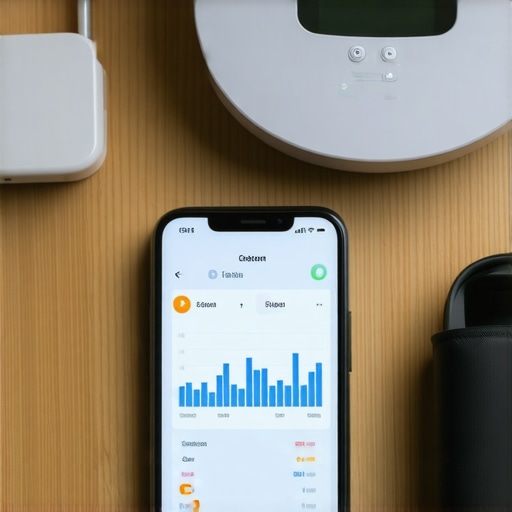
The Future of Your Doctors Office Is in Your Pocket
Looking ahead, the trend is clear: the traditional clinic visit will soon be the ‘second opinion’ to your continuous monitoring. I predict that within the next five years, AI-driven health overlays will analyze your data vault in real-time, suggesting telehealth insights before you even realize a trend is forming. This is the shift from ‘waiting for results’ to ‘living the results.’ We are moving toward a model where the ‘patient’ is a partner in a real-time data exchange, fundamentally changing the speed of intervention. This isn’t science fiction; it is the logical scaling of the digital tools we have right now. **Take the lead today:** Spend ten minutes tonight setting up your digital health folder and upload your most recent lab work. It is the single most effective move you can make to stop being a passive passenger in your own healthcare journey.
The Hardest Realities I Faced While Managing Family Health
After years of navigating the medical system, I realized that the “wait and see” approach is the enemy of progress. One of the biggest lightbulb moments was discovering why your lab results come back normal while you still feel like trash; it taught me that standard ranges are often too broad to catch early signals. Another lesson? Consistency beats intensity. Recording a baseline when you are healthy is much more valuable than a dozen tests when you are already in a crisis. Finally, I learned that understanding the role of lab tests isn’t just for clinicians—it’s the only way for you to verify if your lifestyle changes are actually moving the needle.
The Tools That Rescued My Peace of Mind
You don’t need a medical degree to build a better health strategy, but you do need the right setup. I swear by my “Digital Health Vault” on a secure cloud drive—it’s how I mastered how to track down old vaccine records without calling four different offices. For daily monitoring, I recommend a reliable smart cuff to track heart health trends. I also rely heavily on telehealth innovations to bypass the waiting room for non-urgent consultations. These tools transform you from a passive patient into an active participant who has the data to back up their concerns.
Make Your Next Appointment the Best One Yet
Taking charge of your wellness isn’t about being perfect; it’s about being prepared. When you combine maximizing your health with proactive data, you gain a level of confidence that no height chart can provide. You deserve a healthcare experience that respects your time and honors your intuition. By integrating telehealth, lab tests, and a solid strategy for vaccinations, you are building a legacy of health for yourself and your family. Have you ever found a discrepancy in your own health records that changed your care plan? Let me know in the comments below!