
The fastest way to screen for a bladder infection on your lunch break

I was sitting in a high-stakes board meeting three years ago, trying to look professional while my bladder felt like it was being poked with a hot needle. We’ve all been there. It is that panicked calculation of how many glasses of water you can chug before you have to bolt for the door and make another ’emergency’ trip to the restroom. My biggest mistake early on? I thought I could simply tough it out until the weekend. That delay was a disaster. It turned a simple annoyance into a full-blown kidney infection that sidelined me for a week and left me with a mountain of medical bills. I learned the hard way that when you feel that specific sting, speed is your only friend. Today, I am going to show you exactly how to bypass the four-hour waiting room and get a screen done before your lunch hour is even over. Have you ever tried to ignore a UTI just to finish your to-do list?
Stop Letting a Bladder Infection Ruin Your Entire Work Day
When that familiar discomfort hits, the last thing you want to do is sit in a fluorescent-lit waiting room for half a day just to pee in a cup. I used to think that was the only way, but the rise of telehealth innovations has completely changed the game for busy people like us. You can now connect with a provider, describe your symptoms, and have a lab order sent to a facility near your office in minutes. According to the Mayo Clinic, nearly 60 percent of women will experience a UTI in their lifetime, yet most of us still treat it like a rare emergency that requires a whole day off. Using telehealth for fast wellness access means you can address the problem the moment it starts, without the drama of a traditional office visit. It is about taking control of your health without letting it derail your career or your sanity.
Is a Virtual Screen Really as Reliable as an Office Visit?
Many people worry that skipping the physical doctor’s office means they are getting ‘healthcare light.’ I had the same skepticism when I first transitioned to virtual care. However, the role of lab tests remains the same whether you saw the doctor in person or via a smartphone screen. The lab still analyzes your sample with the exact same precision. By integrating proactive wellness checks into your routine, you can even spot trends before they become painful infections. The goal today is to get you in, out, and back to feeling like a human being before your 2:00 PM meeting starts.
Skip the Lobby and Start Your Recovery Now
To move from pain to relief, you need to view your smartphone as the front door to the clinic. Think of a virtual consultation as a GPS for your health; it identifies the traffic jam (your symptoms) and redirects you to the fastest route (the pharmacy or lab). Start by documenting exactly when the stinging began and if you have any flank pain or fever, as these are the ‘red flags’ that tell a provider if the infection has moved to your kidneys. I’ve found that writing these details down in my notes app before the call prevents me from forgetting crucial data when I’m feeling under the weather. 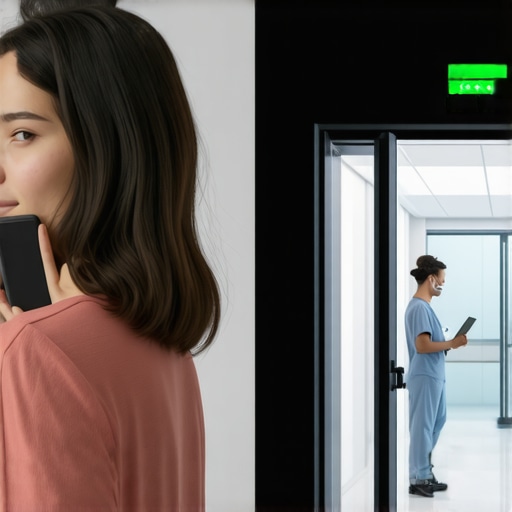
Grab Your Prescription Without Leaving Your Desk
Once you are on the call, be as clinical as possible. I remember being at a massive marketing conference in Austin last year when that familiar, sharp pressure hit me during the keynote. I was terrified I’d have to leave the event and find a taxi to a clinic I didn’t know. Instead of missing the networking events, I used a telehealth insights session from the quiet hallway. I spent exactly eight minutes describing my history with UTIs and my current symptoms. Because I was clear and direct, the doctor was able to execute the 5-minute virtual move for getting prescriptions refilled or ordered. The provider sent the order to a lab just two blocks from the convention center. I walked in, provided the sample, and had my first dose of antibiotics before the afternoon sessions even started. It was a complete shift from the days when I would have spent that entire afternoon miserable in a plastic chair at an urgent care.
Get Precision Answers Through the Right Lab Order
Don’t just ask for ‘a test.’ You want a culture and sensitivity report. If you’ve ever used a key that almost fits a lock but won’t quite turn, you know the frustration of the wrong antibiotic. A standard screen tells you if there is an infection, but understanding lab tests like a culture ensures you are using the exact ‘key’ for your specific bacteria. This is just as critical as the process used for other sudden issues, much like how people learn how to get a migraine script without the waiting room when timing is everything. Without the culture, you are essentially guessing, which can lead to antibiotic resistance or a ‘ghost’ infection that returns three days after you finish your pills.
Stop the Cycle with Specialized Lab Monitoring
If you find yourself dealing with these infections more than twice a year, you are no longer dealing with a random event; you are dealing with a pattern that requires a different strategy. This is where why regular lab tests are critical becomes your best defense. By looking at specific markers in your urine and blood, providers can see if your immune system is lagging or if there is a persistent bacterial colony that hasn’t been fully eradicated. Much like a car that keeps blowing a fuse, you have to look at the wiring, not just keep replacing the fuse. Integrating these proactive wellness checks into your quarterly schedule allows you to adjust your habits or supplements before you ever feel that first sting again. It turns a reactive ’emergency’ into a manageable part of your wellness routine.Everyone tells you that a quick urine dipstick is the end-all-be-all for diagnosis, but in my experience, relying on those little plastic strips is where most people’s recovery stalls. The most common mistake I see—and one I’ve made myself—is the ‘Clear Test’ trap. You feel like you’re passing shards of glass, but the clinic tells you the test is negative for nitrites. This happens because certain bacteria don’t actually produce nitrites, and if you’ve been chugging water to dull the pain, you’ve likely diluted your sample so much that the markers are undetectable. When you’re using telehealth for fast wellness access, you have to be your own advocate and ask for a more sensitive analysis.
What happens when your test comes back ‘clear’ but you still feel like you’re sitting on a cactus?
This is where we need to talk about the ‘Oops’ factor of basic diagnostics. I once spent three months in a cycle of ‘phantom’ UTIs because I was looking for the wrong markers. I didn’t realize that understanding the role of lab tests in a deeper sense—like looking for microscopic hematuria or specific white blood cell counts—is what actually reveals the truth. A study in the Journal of Clinical Microbiology highlights that standard cultures often miss low-colony-count infections that still cause massive symptoms. If your provider isn’t digging deeper, you aren’t getting care; you’re getting a band-aid. 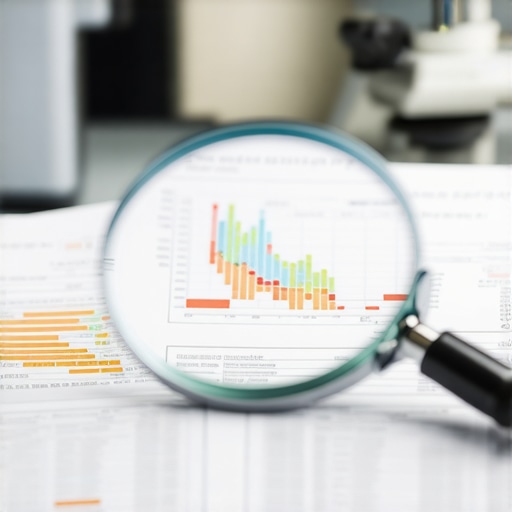
The Hidden Nuance of Biofilms and Chronic Pain
Another huge misconception is that one round of generic antibiotics fixes everything. We often ignore that bacteria can form ‘biofilms’—essentially microscopic fortresses—that shield them from standard meds. This is why why regular lab tests are critical for monitoring, especially if you have a history of recurrence. It’s not just about the bladder, either. Sometimes, what we think is a simple infection is actually a sign of systemic stress. For instance, why your high-protein diet might be stressing your kidneys can often manifest as lower urinary tract discomfort that mimics a UTI. You might also be falling for broader health misconceptions, similar to the vaccinations myths busted recently, where we assume ‘natural’ always means ‘better’ or ‘safer.’ In reality, how lab tests can detect hidden health risks is the only way to move from guesswork to a guarantee. Have you ever been told your tests were ‘fine’ while you were still in pain? Let me know in the comments. We also need to be wary of external factors, like why the cheapest rio health plan quotes often exclude essential diagnostic tests, which can lead patients to accept lower-quality screening just to save a few dollars upfront. Don’t let a budget plan dictate your diagnostic depth.The Gear and Apps That Keep Me Out of the ER. I don’t just rely on a prayer and a bottle of cranberry juice anymore. I’ve built a digital and physical ‘health stack’ that acts as my early warning system. For me, that means using a dedicated symptom tracker like Symple or Bowelle to log every nuance of pelvic discomfort and hydration levels. This data is pure gold when I jump on a call because I can tell a provider exactly when my symptoms deviated from my baseline. Leveraging telehealth innovations means the data I collect at my desk actually dictates my treatment plan, rather than a hurried guess in a clinic hallway. I also keep a stash of high-quality pH test strips and a bottle of D-Mannose nearby. According to a clinical study published by Dr. Lorenzo Alidori in European Urology Focus, D-Mannose can be as effective as antibiotics for preventing recurrent infections without the risk of microbial resistance. This proactive tool has changed my life by stopping the cycle of antibiotics that was wrecking my gut health.
How do I keep my urinary system healthy for the long haul?
The secret is shifting from defense to offense. You shouldn’t wait for the sting to start thinking about your bladder health. I’ve started treating my urinary system like a high-performance machine that requires preventative maintenance. This means I schedule regular lab tests even when I feel perfect. If you can see a slight uptick in inflammatory markers or a change in your renal function early on, you can pivot your diet or supplement routine weeks before a crisis hits. I’ve found that how lab tests can detect hidden health risks is the only way to stay ahead of the curve. It’s about creating a roadmap where you are the driver, not just a passenger in an ambulance. 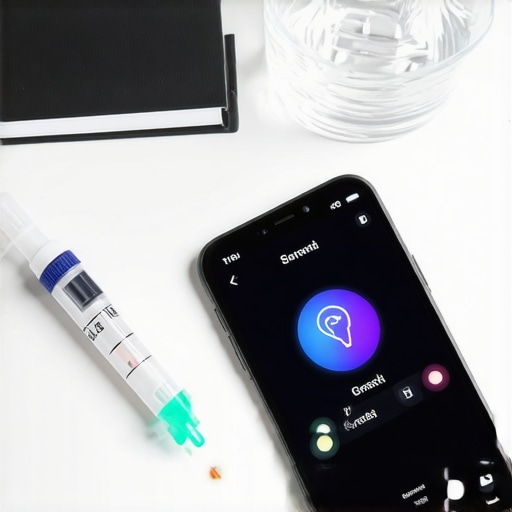 Stop Settling for Bare Minimum Diagnostics. Most people think a urine dipstick is enough, but to truly scale your wellness, you need to look at the bigger picture. I now insist on a comprehensive view of my health. For instance, maximizing health with vaccinations and lab testing strategies ensures my immune system is primed to fight off opportunistic bacteria before they colonize. If your immunity is low—something you can easily check via a blood panel—your bladder will often be the first place that takes the hit. I’ve also realized that why a full metabolic panel is better than a basic blood draw is because it reveals how your kidneys are handling waste and minerals that can irritate the bladder lining. I predict that within the next five years, we’ll all have ‘smart toilets’ or modular sensors that analyze our urine in real-time, sending an alert to our phones before we even feel a symptom. Until then, you have to be the sensor. My best advice is to stop tracking just the pain; instead, track the 7 markers in your blood work that actually predict longevity. This gives you the context to know if your recurring issues are a localized problem or a sign of systemic fatigue. Try this today: Open your notes app and create a ‘Health Baseline’ entry. List your current energy levels, average daily water intake, and any recurring ‘pokes’ or ‘stings.’ The next time you use telehealth for fast wellness access, read that baseline to your provider. It’s the single fastest way to get a more accurate diagnosis and a more targeted prescription.I was sitting in a high-stakes board meeting three years ago, trying to look professional while my bladder felt like it was being poked with a hot needle. We’ve all been there. It is that panicked calculation of how many glasses of water you can chug before you have to bolt for the door and make another ’emergency’ trip to the restroom. My biggest mistake early on? I thought I could simply tough it out until the weekend. That delay was a disaster. It turned a simple annoyance into a full-blown kidney infection that sidelined me for a week and left me with a mountain of medical bills. I learned the hard way that when you feel that specific sting, speed is your only friend. Today, I am going to show you exactly how to bypass the four-hour waiting room and get a screen done before your lunch hour is even over. Have you ever tried to ignore a UTI just to finish your to-do list?
Stop Letting a Bladder Infection Ruin Your Entire Work Day
When that familiar discomfort hits, the last thing you want to do is sit in a fluorescent-lit waiting room for half a day just to pee in a cup. I used to think that was the only way, but the rise of telehealth innovations has completely changed the game for busy people like us. You can now connect with a provider, describe your symptoms, and have a lab order sent to a facility near your office in minutes. According to the Mayo Clinic, nearly 60 percent of women will experience a UTI in their lifetime, yet most of us still treat it like a rare emergency that requires a whole day off. Using telehealth for fast wellness access means you can address the problem the moment it starts, without the drama of a traditional office visit. It is about taking control of your health without letting it derail your career or your sanity.
Is a Virtual Screen Really as Reliable as an Office Visit?
Many people worry that skipping the physical doctor’s office means they are getting ‘healthcare light.’ I had the same skepticism when I first transitioned to virtual care. However, the role of lab tests remains the same whether you saw the doctor in person or via a smartphone screen. The lab still analyzes your sample with the exact same precision. By integrating proactive wellness checks into your routine, you can even spot trends before they become painful infections. The goal today is to get you in, out, and back to feeling like a human being before your 2:00 PM meeting starts.
Skip the Lobby and Start Your Recovery Now
To move from pain to relief, you need to view your smartphone as the front door to the clinic. Think of a virtual consultation as a GPS for your health; it identifies the traffic jam (your symptoms) and redirects you to the fastest route (the pharmacy or lab). Start by documenting exactly when the stinging began and if you have any flank pain or fever, as these are the ‘red flags’ that tell a provider if the infection has moved to your kidneys. I’ve found that writing these details down in my notes app before the call prevents me from forgetting crucial data when I’m feeling under the weather.
Grab Your Prescription Without Leaving Your Desk
Once you are on the call, be as clinical as possible. I remember being at a massive marketing conference in Austin last year when that familiar, sharp pressure hit me during the keynote. I was terrified I’d have to leave the event and find a taxi to a clinic I didn’t know. Instead of missing the networking events, I used a telehealth insights session from the quiet hallway. I spent exactly eight minutes describing my history with UTIs and my current symptoms. Because I was clear and direct, the doctor was able to execute the 5-minute virtual move for getting prescriptions refilled or ordered. The provider sent the order to a lab just two blocks from the convention center. I walked in, provided the sample, and had my first dose of antibiotics before the afternoon sessions even started. It was a complete shift from the days when I would have spent that entire afternoon miserable in a plastic chair at an urgent care.
Get Precision Answers Through the Right Lab Order
Don’t just ask for ‘a test.’ You want a culture and sensitivity report. If you’ve ever used a key that almost fits a lock but won’t quite turn, you know the frustration of the wrong antibiotic. A standard screen tells you if there is an infection, but understanding lab tests like a culture ensures you are using the exact ‘key’ for your specific bacteria. This is just as critical as the process used for other sudden issues, much like how people learn how to get a migraine script without the waiting room when timing is everything. Without the culture, you are essentially guessing, which can lead to antibiotic resistance or a ‘ghost’ infection that returns three days after you finish your pills.
Stop the Cycle with Specialized Lab Monitoring
If you find yourself dealing with these infections more than twice a year, you are no longer dealing with a random event; you are dealing with a pattern that requires a different strategy. This is where why regular lab tests are critical becomes your best defense. By looking at specific markers in your urine and blood, providers can see if your immune system is lagging or if there is a persistent bacterial colony that hasn’t been fully eradicated. Much like a car that keeps blowing a fuse, you have to look at the wiring, not just keep replacing the fuse. Integrating these proactive wellness checks into your quarterly schedule allows you to adjust your habits or supplements before you ever feel that first sting again. It turns a reactive ’emergency’ into a manageable part of your wellness routine.Everyone tells you that a quick urine dipstick is the end-all-be-all for diagnosis, but in my experience, relying on those little plastic strips is where most people’s recovery stalls. The most common mistake I see—and one I’ve made myself—is the ‘Clear Test’ trap. You feel like you’re passing shards of glass, but the clinic tells you the test is negative for nitrites. This happens because certain bacteria don’t actually produce nitrites, and if you’ve been chugging water to dull the pain, you’ve likely diluted your sample so much that the markers are undetectable. When you’re using telehealth for fast wellness access, you have to be your own advocate and ask for a more sensitive analysis.
What happens when your test comes back ‘clear’ but you still feel like you’re sitting on a cactus?
This is where we need to talk about the ‘Oops’ factor of basic diagnostics. I once spent three months in a cycle of ‘phantom’ UTIs because I was looking for the wrong markers. I didn’t realize that understanding the role of lab tests in a deeper sense—like looking for microscopic hematuria or specific white blood cell counts—is what actually reveals the truth. A study in the Journal of Clinical Microbiology highlights that standard cultures often miss low-colony-count infections that still cause massive symptoms. If your provider isn’t digging deeper, you aren’t getting care; you’re getting a band-aid.
The Hidden Nuance of Biofilms and Chronic Pain
Another huge misconception is that one round of generic antibiotics fixes everything. We often ignore that bacteria can form ‘biofilms’—essentially microscopic fortresses—that shield them from standard meds. This is why why regular lab tests are critical for monitoring, especially if you have a history of recurrence. It’s not just about the bladder, either. Sometimes, what we think is a simple infection is actually a sign of systemic stress. For instance, why your high-protein diet might be stressing your kidneys can often manifest as lower urinary tract discomfort that mimics a UTI. You might also be falling for broader health misconceptions, similar to the vaccinations myths busted recently, where we assume ‘natural’ always means ‘better’ or ‘safer.’ In reality, how lab tests can detect hidden health risks is the only way to move from guesswork to a guarantee. Have you ever been told your tests were ‘fine’ while you were still in pain? Let me know in the comments. We also need to be wary of external factors, like why the cheapest rio health plan quotes often exclude essential diagnostic tests, which can lead patients to accept lower-quality screening just to save a few dollars upfront. Don’t let a budget plan dictate your diagnostic depth.The Gear and Apps That Keep Me Out of the ER. I don’t just rely on a prayer and a bottle of cranberry juice anymore. I’ve built a digital and physical ‘health stack’ that acts as my early warning system. For me, that means using a dedicated symptom tracker like Symple or Bowelle to log every nuance of pelvic discomfort and hydration levels. This data is pure gold when I jump on a call because I can tell a provider exactly when my symptoms deviated from my baseline. Leveraging telehealth innovations means the data I collect at my desk actually dictates my treatment plan, rather than a hurried guess in a clinic hallway. I also keep a stash of high-quality pH test strips and a bottle of D-Mannose nearby. According to a clinical study published by Dr. Lorenzo Alidori in European Urology Focus, D-Mannose can be as effective as antibiotics for preventing recurrent infections without the risk of microbial resistance. This proactive tool has changed my life by stopping the cycle of antibiotics that was wrecking my gut health.
How do I keep my urinary system healthy for the long haul?
The secret is shifting from defense to offense. You shouldn’t wait for the sting to start thinking about your bladder health. I’ve started treating my urinary system like a high-performance machine that requires preventative maintenance. This means I schedule regular lab tests even when I feel perfect. If you can see a slight uptick in inflammatory markers or a change in your renal function early on, you can pivot your diet or supplement routine weeks before a crisis hits. I’ve found that how lab tests can detect hidden health risks is the only way to stay ahead of the curve. It’s about creating a roadmap where you are the driver, not just a passenger in an ambulance. Stop Settling for Bare Minimum Diagnostics. Most people think a urine dipstick is enough, but to truly scale your wellness, you need to look at the bigger picture. I now insist on a comprehensive view of my health. For instance, maximizing health with vaccinations and lab testing strategies ensures my immune system is primed to fight off opportunistic bacteria before they colonize. If your immunity is low—something you can easily check via a blood panel—your bladder will often be the first place that takes the hit. I’ve also realized that why a full metabolic panel is better than a basic blood draw is because it reveals how your kidneys are handling waste and minerals that can irritate the bladder lining. I predict that within the next five years, we’ll all have ‘smart toilets’ or modular sensors that analyze our urine in real-time, sending an alert to our phones before we even feel a symptom. Until then, you have to be the sensor. My best advice is to stop tracking just the pain; instead, track the 7 markers in your blood work that actually predict longevity. This gives you the context to know if your recurring issues are a localized problem or a sign of systemic fatigue. Try this today: Open your notes app and create a ‘Health Baseline’ entry. List your current energy levels, average daily water intake, and any recurring ‘pokes’ or ‘stings.’ The next time you use telehealth for fast wellness access, read that baseline to your provider. It’s the single fastest way to get a more accurate diagnosis and a more targeted prescription.
Hard Truths from the Bladder Health Trenches
Reflecting on my journey, the most important lesson I learned is that waiting for ‘severe’ symptoms is a recipe for disaster. I used to think a minor sting was just something to power through, but I now know that proactive lab screening is the only way to catch issues before they escalate. Another lightbulb moment was realizing that not all tests are created equal; if you’re still in pain but the dipstick is clear, trust your body over the plastic strip and ask for a culture.
My Essential Toolkit for a Waiting Room-Free Life
I don’t leave my health to chance anymore. My daily toolkit includes the Symple app for tracking hydration, a dedicated supply of D-Mannose, and a direct link to telehealth innovations that allow me to see a provider from my couch. By prioritizing consistent lab monitoring, I’ve managed to stay ahead of the curve and avoid the urgent care lobby for over two years.
Reclaim Your Day from the Cycle of Pain
You don’t have to let a bladder infection dictate your productivity or your peace of mind. By embracing telehealth for fast wellness access, you can handle symptoms the moment they arise. Take control of your health today so you can focus on what really matters tomorrow. Have you ever had a medical provider dismiss your pain because a basic lab test came back ‘normal’? Share your story in the comments below.