
How to handle a sudden panic attack using techniques from a virtual therapist

I remember sitting in my car, knuckles white against the steering wheel, convinced that my lungs had simply forgotten how to work. It wasn’t a heart attack—though I would have bet my life savings on it at the time—it was a full-blown panic attack. That’s the thing about these moments; they don’t give you a heads-up. They just arrive, uninvited and loud, making the world feel like it’s tilting off its axis. For years, I made the classic mistake of trying to fight the feeling. I’d clench every muscle and tell myself to ‘just stop it,’ which is about as effective as telling a hurricane to calm down. It wasn’t until I started to talk to a therapist about social anxiety from home that I realized I was doing it all wrong. Real relief doesn’t come from resistance; it comes from specific, evidence-based resets that you can do anywhere, even if you’re just staring at your phone. Have you ever felt that sudden wave of dread hit you out of nowhere while you were just trying to get through your day? If so, you’re not alone, and you’re not ‘crazy.’ Today, we are going to dive into the immediate tools that can ground you in seconds.
Stop the Spiral Before It Swallows You Whole
To effectively manage a spike in adrenaline, we have to address the body before we can hope to fix the mind. One of the best things about the rise of telehealth is that video therapy works better for busy parents managing anxiety because it provides tools that fit into the actual chaos of real life. When your heart starts racing, your brain’s ‘smoke detector’ (the amygdala) is stuck in the ‘on’ position. A virtual therapist would tell you that you don’t need a couch and a quiet room to fix this; you need a physiological circuit breaker. According to a study published in the Journal of Affective Disorders, internet-delivered cognitive behavioral therapy (iCBT) is just as effective as face-to-face treatment for panic disorder. This is huge because it means the techniques you learn on your laptop are just as powerful as those learned in a clinical office. We’ll be looking at how to lower your morning cortisol naturally and how how a virtual therapist can help you manage social anxiety when those public panics occur.
Is a digital connection enough for a real-world crisis?
Many people worry that if they aren’t in the same room as a doctor, the advice won’t ‘stick’ when the world starts spinning. I used to be one of them. But I found that having these techniques on my phone—where my life actually happens—made them more accessible, not less.
Shock Your System Back to Reality with Cold Water
To kill a panic attack mid-flight, you have to bypass your thoughts and go straight for the hardware. Think of your nervous system like a frozen laptop; hitting ‘escape’ on the keyboard (your thoughts) doesn’t work when the whole system is locked up. You have to pull the plug. The fastest way to do this is by triggering the mammalian dive reflex. When you submerge your face in ice-cold water—or even hold a frozen gel pack against your eyes and cheekbones for 30 seconds—your brain receives a signal that you are underwater. It automatically slows your heart rate and diverts blood to the brain and heart. I used this trick in a cramped airplane bathroom once when the turbulence started feeling a bit too much like a personal omen. I came back to my seat dripping wet but finally able to breathe. This physiological bypass is a core part of unlocking the power of telehealth for fast convenient wellness access, where practitioners teach you to manage your body’s physical responses in real-time. 
Stop Guessing and Start Testing Your Stress Markers
Sometimes the ‘panic’ isn’t just in your head—it is in your blood. If your body is constantly flooded with stress hormones, your baseline for what feels like a crisis is much lower than it should be. This is where you need to look at the data. I spent months thinking I was just ‘anxious’ before a doctor suggested I check my adrenal function. It turns out, I needed to learn how to interpret a high cortisol result without the panic. High cortisol isn’t a death sentence; it is a signal that your internal thermostat is broken. By utilizing understanding the role of lab tests in preventive wellness, you can see if your symptoms are being driven by a thyroid imbalance or a nutrient deficiency. For example, why a full metabolic panel is better than a basic blood draw for fatigue becomes clear when you realize that basic tests often miss the sub-clinical markers that keep you in a state of high alert.
Manage Your Meds Without the Waiting Room Stress
One of the biggest triggers for a panic spiral is the realization that you are running low on the very things that keep you stable. The stress of scheduling a doctor’s visit, driving to the clinic, and sitting in a waiting room can actually cause the spike you are trying to avoid. Modern healthcare has evolved to solve this. You can now use the 5-minute path to renewing blood pressure meds online or other maintenance prescriptions. This removes the ‘logistics tax’ from your mental health. When you know you have the 5-minute virtual move for getting your chronic prescriptions refilled at your fingertips, you eliminate a huge source of background noise that feeds into your daily anxiety.
Lower Your Morning Baseline Naturally
If you wake up with your heart racing before your feet even hit the floor, you are dealing with a morning cortisol spike. Instead of reaching for a second cup of coffee—which acts like pouring gasoline on a fire—you need to learn 3 simple ways to lower your morning cortisol naturally. This might involve light exposure, specific breathing patterns, or even checking why your blood sugar spikes in the morning even if you didnt eat. When your blood sugar is unstable, your body releases adrenaline to compensate, which feels exactly like a panic attack. By addressing these biological hitches, you stop the spiral before it even has a chance to start.We often treat lab results like a binary pass-fail test. If the number isn’t bolded in red, we assume we’re fine. But this is the biggest mistake you can make in your wellness journey. Standard reference ranges are based on a bell curve of the general population, many of whom are not actually healthy. If you want to feel your best, you have to look for optimal ranges, not just normal ones. Everyone says a clean cholesterol test means your heart is safe, but in my experience, the standard approach is dangerously incomplete. For instance, why a standard lipid panel isnt enough to assess your real heart risk becomes obvious when you realize that half of people who have heart attacks have normal cholesterol levels. You need to look for the one marker that predicts heart risk better than cholesterol, such as ApoB or Lp(a). This is where the oops factor usually hits. People get a clean bill of health and then wonder why they still feel like they’re walking through sludge every afternoon. A study in the Journal of Clinical Medicine suggests that subclinical deficiencies—values that are within range but near the bottom—can significantly impact cognitive function and energy levels. If your doctor isn’t looking at the hidden lab markers that show the first signs of physical burnout, you’re only seeing a fraction of the real picture.
Can you really trust a lab report that ignores your symptoms?
One of the most common myths is that a blood draw is a static snapshot of your forever-health. It’s not. It’s a single frame in a movie. This is particularly true for vaccinations and immunity. Many adults assume they are protected because of shots they got in the 90s, but immunity wanes over time. It’s why vaccinations myths busted what you need to know in 2025 is so critical; we now know that why adult tetanus boosters are more important than you think relates to more than just rusty nails—it’s about maintaining your internal defense system as you age. Even in the world of virtual care, the nuance matters. Many people think telehealth is just for getting a quick script for a cold, but telehealth insights show the future of accessible healthcare involves complex management of chronic conditions. You can now use a video visit to learn how to read your thyroid panel like a specialist, ensuring you aren’t just fine on paper while losing your hair and feeling cold.  The trap to avoid is the wait and see approach. Waiting for a marker to turn red before acting is reactive medicine. Proactive wellness means how lab tests can detect hidden health risks early so you can pivot before a diagnosis is necessary. Have you ever fallen into this trap where a doctor told you everything was normal but you knew deep down something was wrong? Let me know in the comments.I used to treat my health like an annual car inspection—check the oil once a year and pray nothing explodes in the meantime. But after realizing that ‘normal’ lab results were masking my actual burnout, I shifted to a maintenance model that feels less like a chore and more like a high-performance tuning. For me, the secret sauce isn’t just getting the data; it is the specific way I organize it. I keep a digital health folder where I upload every PDF result, allowing me to spot trends that a busy doctor might miss during a ten-minute slot. This is why regular lab tests are critical for your wellness journey; you aren’t looking for a single point in time, you’re looking for the trajectory of your biological markers.
Stop Waiting for Your Doctor to Call You First
I started using a personal dashboard to track my inflammatory markers and lipid ratios because I realized that the ‘patient portal’ is usually where data goes to die. By taking ownership of the numbers, I could see that the easiest way to manage heart health markers between scheduled doctor visits is to be the primary investigator of your own bloodwork. According to a study in the Journal of Medical Internet Research, patients who actively engage with their electronic health records and track their own progress show a 15% higher adherence rate to preventive care protocols. This proactive stance is what separates people who just ‘survive’ from those who actually thrive. I also make sure I’m looking at the right things before I even walk into the clinic. For example, knowing the essential lab tests you need for accurate vaccination planning ensures that my immune system isn’t flying blind. 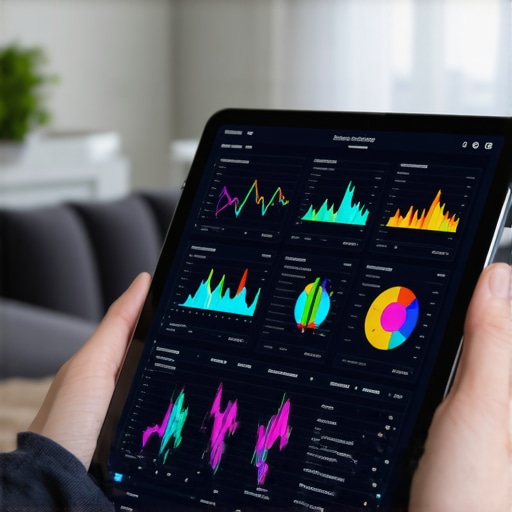
How do I turn one good blood draw into a lifetime of health?
Maintenance is about reducing the friction between you and the care you need. In my world, that means embracing the tools that eliminate the ‘waiting room tax.’ I’ve integrated telehealth innovations how virtual care is changing wellness into my quarterly routine. Instead of driving across town, I use a video consult to review my panels. This allows me to focus on expert vaccination tips and long-term prevention strategies from my home office. We are also seeing a massive shift toward personalized vaccination schedules for better disease prevention, which means your shots shouldn’t just be based on your age, but on your specific antibody levels and lifestyle risks.
Predictive Diagnostics is the Future of Home Care
I predict that within the next five years, we will see AI-driven platforms that analyze our lab results in real-time, flagging potential issues before they even reach a clinical threshold. We are already seeing the beginning of this as telehealth transforms personal care into a continuous loop of feedback rather than a once-a-year event. This shift is vital because how lab tests can detect hidden health risks early is the only way to truly stay ahead of chronic disease. If you want to start today, I challenge you to do one thing: find your last blood panel, look up your ApoB or C-Reactive Protein levels, and see where they sit relative to ‘optimal’ rather than just ‘normal.’ It might just change your entire perspective on what it means to be healthy.
Lessons from the Front Lines of My Own Health Crisis
After years of navigating the medical system, I finally realized that ‘normal’ is just a statistical average, not a definition of health. I learned that my lab results were only half the story; the other half was how those numbers aligned with my daily energy levels. One of my biggest lightbulb moments was realizing that proactive care is much cheaper and less exhausting than reactive crisis management. For example, understanding the role of lab tests in preventive wellness allowed me to see a vitamin deficiency that was masquerading as chronic anxiety. I also discovered that vaccinations myths busted what you need to know in 2025 is more than just a headline—it’s about protecting the baseline health I worked so hard to build through consistent monitoring.
The Toolbox That Keeps Me Grounded Every Day
I don’t leave my health to chance anymore. I use telehealth insights the future of accessible healthcare services to bridge the gap between ‘feeling off’ and getting real answers. My essential toolkit includes three main pillars. First, a digital folder for all bloodwork so I can see my own trends over time. Second, a reliable virtual provider who helps me with how to read your thyroid panel like a specialist so I’m never left guessing when fatigue hits. Third, a personalized calendar for personalized vaccination schedules for better disease prevention to ensure my immune system stays as sharp as my mind. These aren’t just gadgets; they are the infrastructure of a life lived without the constant fear of a physical breakdown.
Your Health Is Still Your Best Investment
You don’t have to wait for a panic attack to start caring for your nervous system. By unlocking the power of telehealth for fast convenient wellness access, you can take small, manageable steps today that prevent a giant leap into a medical crisis tomorrow. Remember, you are the CEO of your own body, and the data you gather through why regular lab tests are critical for your wellness journey is your best business intelligence. Don’t be afraid to ask for more detailed testing or a second opinion via a video screen. Your future self will thank you for being bold enough to seek clarity now instead of waiting for a symptom to force your hand. Have you ever had a doctor tell you that your lab results were ‘fine’ even though you felt completely exhausted? Let me know in the comments below!