
Why the chickenpox vaccine matters even if you had the virus as a child
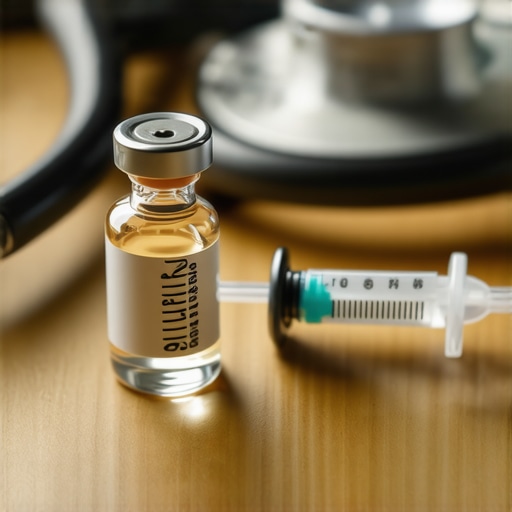
I used to wear my childhood chickenpox scars like a badge of honor, thinking I was part of an exclusive one-and-done club. I vividly remember the oatmeal baths and the itchy misery of second grade, but I also remember the relief my mom felt when she said, “At least you will never have to worry about that again.” Fast forward thirty years, and I watched a close friend go through a bout of shingles that made my childhood itching look like a spa day. That was my lightbulb moment. The virus hadn’t left; it was just sleeping in my nerve tissues, waiting for my immune system to blink. Today, I am going to pull back the curtain on why relying on that old infection is a gamble you do not want to take and how modern medicine offers a much better safety net.
The Dangerous Myth of Permanent Natural Immunity
Growing up, the prevailing wisdom was that natural exposure was superior to anything a needle could provide. I fell for it too. I even argued with a nurse once, claiming my 1980s infection was all the protection I needed. She just smiled sadly. The reality is that the Varicella-Zoster virus is a master of disguise. It stays in your body forever. This is exactly why you should get a shingles shot even if you feel great right now. Your body’s memory of the virus eventually fades, but the virus itself is patient.
Is that old childhood virus actually worth the hype?
You might be skeptical. If you have already had the real thing, why bother with a vaccine? Here is the truth: according to the Centers for Disease Control and Prevention (CDC), nearly 99 percent of Americans born before 1980 have had chickenpox, and they are the ones at the highest risk for the virus reactivating as shingles later in life. My biggest mistake was thinking the battle was over in 1988. It was not. By the time you realize your immunity has dipped, you are often already in the middle of a painful outbreak. We can do better by looking at vaccinations myths busted what you need to know in 2025 to see how the science has shifted.
Take Control Before the Virus Wakes Up
We live in an era where we do not have to guess about our health. You can actually boost your immunity with expert vaccination tips that specifically target adults who had the virus as kids. It is about proactive maintenance, not just reactive treatment. Have you ever felt that nagging worry that your childhood health records are a mystery, or wondered if that natural immunity is actually a ticking clock? I have spent years digging into this because I do not want anyone to go through what my friend did. It is not just about the rash; it is about the long-term nerve pain that can follow. We are going to look at the practical steps to ensure your defenses are actually up to date.
Stop Guessing and Check Your Blood for Immunity
I spent four hours last summer digging through a cardboard box in my parents’ sweltering attic, looking for a yellowed immunization card from 1992. When I finally found it, the ink was so faded I couldn’t tell if a specific smudge was a booster shot or just a coffee stain. I felt like a total failure at adulting until a doctor friend told me I was doing it the hard way. You do not need a paper trail from thirty years ago to know if you are safe. Modern diagnostics act like a background check for your immune system, identifying exactly which antibodies are still on patrol and which ones have retired.
The Blood Test That Reveals Your Real History
To move from guesswork to certainty, you need to request an antibody titer test. Think of this as a sonar ping for your blood; it sends out a signal to see if your body still remembers how to fight the Varicella-Zoster virus. This is one of the essential lab tests you need for accurate vaccination planning because it removes the ‘maybe’ from the equation. If your titers are low, your childhood infection is no longer providing a shield. When you are understanding lab tests your roadmap to clearer diagnosis at 322 pm, you realize that your internal biology is much more reliable than a dusty piece of paper. 
Use Your Phone to Skip the Waiting Room Hassle
My biggest hurdle was always the logistics. I did not want to take a half-day off work just to ask a doctor if I needed a shot. This is where the digital age actually works in our favor. By unlocking the power of telehealth for fast convenient wellness access, I was able to upload my shaky attic photos and get a lab order sent to a facility near my office in under ten minutes. It is a digital bridge that connects your questions to actual medical orders without the stale magazines and coughing strangers. You can even learn how to get a specialist referral via a virtual visit in under twenty minutes if your case is more complex than a standard booster.
Build a Shield That Actually Fits Your Life
Once the lab results confirm that your ‘natural’ immunity has hit its expiration date, the next step is execution. The goal is not just to get any shot, but to follow a protocol that ensures long-term defense.
Why One Size Never Fits All in Vaccination
I used to think a vaccine was a one-and-done event, like a software update. In reality, it is more like a training camp for your white blood cells. For those of us over a certain age, personalized vaccination schedules for better disease prevention are the gold standard. For the shingles vaccine specifically, it is a two-dose series. I marked it on my digital calendar immediately because the second dose is what locks in the long-term protection. If you are ready to stop procrastinating, look into the fastest path to getting a shingles shot once you reach the age requirement. I followed these exact steps—labs first, virtual consult second, and scheduled doses third—and the peace of mind I felt leaving the pharmacy was worth every minute of the process.
Stop settling for average and start looking for optimal
Most people think that as long as their lab report doesn’t have a scary red flag or an ‘Out of Range’ marker, they are in the clear. I used to believe that too, but the biggest mistake you can make is assuming that ‘normal’ equals ‘healthy.’ Standard reference ranges are often based on a bell curve of the general population—many of whom are already struggling with underlying metabolic issues. If your results are sitting right on the edge of the range, you aren’t necessarily safe; you might just be in a waiting room for a future diagnosis. We need to move toward functional markers that prioritize peak performance over mere survival.
Why do your lab results come back normal while you still feel like trash?
It is a deeply frustrating experience to have a provider tell you everything is fine when you can barely find the energy to finish your workday. This disconnect happens because standard panels often miss subclinical issues that haven’t yet reached a ‘disease’ state. For example, a basic screening might say your thyroid or iron levels are fine, but it doesn’t tell the whole story of how your body is actually utilizing those resources. This is a primary reason why your lab results come back normal while you still feel like trash. According to research discussed by the American Association for Clinical Chemistry, reference intervals are not absolute thresholds for health but statistical distributions that vary by laboratory equipment and population. Relying on them without looking at the trend of your personal data over time is like trying to navigate a forest with a map from twenty years ago. 
Avoid the timing trap that ruins your blood work data
The ‘Oops’ factor in modern lab testing usually comes down to preparation. Most patients don’t realize that their morning routine can completely invalidate their results. If you are checking markers for stress, hormone balance, or metabolic health, that 8:00 AM double espresso is a saboteur. I’ve seen patients panic over skewed results only to realize why your morning coffee is sabotaging your anxiety labs by spiking cortisol and heart rate right before the needle hits. To get the most out of your visit, you should focus on maximize your health combining vaccinations and lab testing strategies so you are addressing both immediate prevention and long-term diagnostic needs in one streamlined window.
How to find a provider who looks at the hidden nuances
Not all medical professionals have the time or the training to sit and explain the delta between your last three cholesterol panels. This is where you have to be your own advocate. When using virtual tools to manage your health, you need to know how to spot a better telehealth provider in 3 specific questions to ensure they are actually looking at your ‘hidden’ markers rather than just scanning for red ink. For instance, the specific blood marker that flags silent inflammation before it becomes a problem is often ignored in standard physicals but is crucial for understanding your true cardiovascular risk. Don’t just accept a ‘looks good’ notification in your patient portal. Ask for the raw data, look at the trends yourself, and partner with an expert who respects your curiosity. Have you ever fallen into the trap of ignoring a ‘normal’ result only to find out later it was actually a warning sign? Let me know in the comments.
Build a digital command center for your biology
I used to be the person who had blood work results scattered across three different patient portals and a random PDF in my ‘Downloads’ folder. It was a mess. Now, I use a dedicated health dashboard—specifically a setup in Notion—where I manually log my key markers like vitamin D, CRP, and those specific antibody titers we discussed. By doing this, I can see trends that a single snapshot misses. This is exactly why regular lab tests are critical for your wellness journey; you aren’t just looking for a pass/fail grade, you are looking for the ‘drift’ in your data. I personally recommend keeping a ‘Health Ledger’ where you note how you felt on the day of the draw—were you fasted, stressed, or coming off a heavy workout?
How do I maintain my immune defense over the next decade?
The secret isn’t a one-time miracle; it is the recurring audit. I’ve set a recurring calendar alert for every three years to re-check my titers for things like Tetanus and Varicella. This proactive stance is why wellness checks are your first step to better health at 945 am or any time you can fit them in. Consistency beats intensity every time. As noted in the Journal of Experimental Medicine, the longevity of long-lived plasma cells—the ones that keep your immunity ‘remembering’—can be influenced by systemic inflammation, meaning your lifestyle directly impacts how long that shingles shot or childhood booster actually lasts. 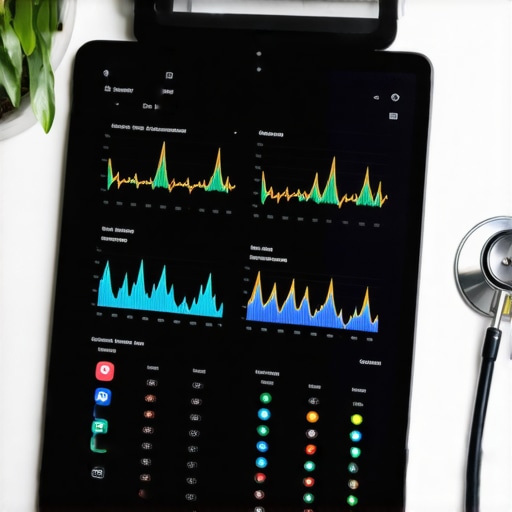
The next frontier is proactive predictive data
We are moving away from the era of ‘reactive’ medicine. I predict that within the next five years, we will see AI-driven platforms that don’t just tell you that your glucose is ‘normal,’ but predict exactly when you are at risk of crossing into pre-diabetic territory based on your specific sleep and stress patterns. We are already seeing glimpses of this through telehealth insights the future of accessible healthcare services. I’ve started using wearable data to ‘contextualize’ my labs. If my resting heart rate is up for a week, I know my next blood draw might show elevated cortisol. You can even see the specific markers that prove your exercise routine is actually working by looking at your recovery data alongside your lipid panels.
Don’t wait for a symptom to be your wake-up call
My biggest piece of advice is to treat your body like a high-performance machine that requires a maintenance log. Stop thinking of the doctor as a place you go when you’re broken, and start thinking of it as a consultation for your internal hardware. If you want to take the first step toward this ‘Optimal’ lifestyle, I challenge you to do one thing today: Log into your various health portals, download your last three years of blood work, and put them in a single spreadsheet. You’ll be shocked at the patterns you’ve been missing. This simple move is the foundation for maximize your health combining vaccinations and lab testing strategies that actually last a lifetime.I used to wear my childhood chickenpox scars like a badge of honor, thinking I was part of an exclusive one-and-done club. I vividly remember the oatmeal baths and the itchy misery of second grade, but I also remember the relief my mom felt when she said, “At least you will never have to worry about that again.” Fast forward thirty years, and I watched a close friend go through a bout of shingles that made my childhood itching look like a spa day. That was my lightbulb moment. The virus hadn’t left; it was just sleeping in my nerve tissues, waiting for my immune system to blink. Today, I am going to pull back the curtain on why relying on that old infection is a gamble you do not want to take and how modern medicine offers a much better safety net.
The Dangerous Myth of Permanent Natural Immunity
Growing up, the prevailing wisdom was that natural exposure was superior to anything a needle could provide. I fell for it too. I even argued with a nurse once, claiming my 1980s infection was all the protection I needed. She just smiled sadly. The reality is that the Varicella-Zoster virus is a master of disguise. It stays in your body forever. This is exactly why you should get a shingles shot even if you feel great right now. Your body’s memory of the virus eventually fades, but the virus itself is patient.
Is that old childhood virus actually worth the hype?
You might be skeptical. If you have already had the real thing, why bother with a vaccine? Here is the truth: according to the Centers for Disease Control and Prevention (CDC), nearly 99 percent of Americans born before 1980 have had chickenpox, and they are the ones at the highest risk for the virus reactivating as shingles later in life. My biggest mistake was thinking the battle was over in 1988. It was not. By the time you realize your immunity has dipped, you are often already in the middle of a painful outbreak. We can do better by looking at vaccinations myths busted what you need to know in 2025 to see how the science has shifted.
Take Control Before the Virus Wakes Up
We live in an era where we do not have to guess about our health. You can actually boost your immunity with expert vaccination tips that specifically target adults who had the virus as kids. It is about proactive maintenance, not just reactive treatment. Have you ever felt that nagging worry that your childhood health records are a mystery, or wondered if that natural immunity is actually a ticking clock? I have spent years digging into this because I do not want anyone to go through what my friend did. It is not just about the rash; it is about the long-term nerve pain that can follow. We are going to look at the practical steps to ensure your defenses are actually up to date.
Stop Guessing and Check Your Blood for Immunity
I spent four hours last summer digging through a cardboard box in my parents’ sweltering attic, looking for a yellowed immunization card from 1992. When I finally found it, the ink was so faded I couldn’t tell if a specific smudge was a booster shot or just a coffee stain. I felt like a total failure at adulting until a doctor friend told me I was doing it the hard way. You do not need a paper trail from thirty years ago to know if you are safe. Modern diagnostics act like a background check for your immune system, identifying exactly which antibodies are still on patrol and which ones have retired.
The Blood Test That Reveals Your Real History
To move from guesswork to certainty, you need to request an antibody titer test. Think of this as a sonar ping for your blood; it sends out a signal to see if your body still remembers how to fight the Varicella-Zoster virus. This is one of the essential lab tests you need for accurate vaccination planning because it removes the ‘maybe’ from the equation. If your titers are low, your childhood infection is no longer providing a shield. When you are understanding lab tests your roadmap to clearer diagnosis at 322 pm, you realize that your internal biology is much more reliable than a dusty piece of paper.
Use Your Phone to Skip the Waiting Room Hassle
My biggest hurdle was always the logistics. I did not want to take a half-day off work just to ask a doctor if I needed a shot. This is where the digital age actually works in our favor. By unlocking the power of telehealth for fast convenient wellness access, I was able to upload my shaky attic photos and get a lab order sent to a facility near my office in under ten minutes. It is a digital bridge that connects your questions to actual medical orders without the stale magazines and coughing strangers. You can even learn how to get a specialist referral via a virtual visit in under twenty minutes if your case is more complex than a standard booster.
Build a Shield That Actually Fits Your Life
Once the lab results confirm that your ‘natural’ immunity has hit its expiration date, the next step is execution. The goal is not just to get any shot, but to follow a protocol that ensures long-term defense.
Why One Size Never Fits All in Vaccination
I used to think a vaccine was a one-and-done event, like a software update. In reality, it is more like a training camp for your white blood cells. For those of us over a certain age, personalized vaccination schedules for better disease prevention are the gold standard. For the shingles vaccine specifically, it is a two-dose series. I marked it on my digital calendar immediately because the second dose is what locks in the long-term protection. If you are ready to stop procrastinating, look into the fastest path to getting a shingles shot once you reach the age requirement. I followed these exact steps—labs first, virtual consult second, and scheduled doses third—and the peace of mind I felt leaving the pharmacy was worth every minute of the process.
Stop settling for average and start looking for optimal
Most people think that as long as their lab report doesn’t have a scary red flag or an ‘Out of Range’ marker, they are in the clear. I used to believe that too, but the biggest mistake you can make is assuming that ‘normal’ equals ‘healthy.’ Standard reference ranges are often based on a bell curve of the general population—many of whom are already struggling with underlying metabolic issues. If your results are sitting right on the edge of the range, you aren’t necessarily safe; you might just be in a waiting room for a future diagnosis. We need to move toward functional markers that prioritize peak performance over mere survival.
Why do your lab results come back normal while you still feel like trash?
It is a deeply frustrating experience to have a provider tell you everything is fine when you can barely find the energy to finish your workday. This disconnect happens because standard panels often miss subclinical issues that haven’t yet reached a ‘disease’ state. For example, a basic screening might say your thyroid or iron levels are fine, but it doesn’t tell the whole story of how your body is actually utilizing those resources. This is a primary reason why your lab results come back normal while you still feel like trash. According to research discussed by the American Association for Clinical Chemistry, reference intervals are not absolute thresholds for health but statistical distributions that vary by laboratory equipment and population. Relying on them without looking at the trend of your personal data over time is like trying to navigate a forest with a map from twenty years ago.
Avoid the timing trap that ruins your blood work data
The ‘Oops’ factor in modern lab testing usually comes down to preparation. Most patients don’t realize that their morning routine can completely invalidate their results. If you are checking markers for stress, hormone balance, or metabolic health, that 8:00 AM double espresso is a saboteur. I’ve seen patients panic over skewed results only to realize why your morning coffee is sabotaging your anxiety labs by spiking cortisol and heart rate right before the needle hits. To get the most out of your visit, you should focus on maximize your health combining vaccinations and lab testing strategies so you are addressing both immediate prevention and long-term diagnostic needs in one streamlined window.
How to find a provider who looks at the hidden nuances
Not all medical professionals have the time or the training to sit and explain the delta between your last three cholesterol panels. This is where you have to be your own advocate. When using virtual tools to manage your health, you need to know how to spot a better telehealth provider in 3 specific questions to ensure they are actually looking at your ‘hidden’ markers rather than just scanning for red ink. For instance, the specific blood marker that flags silent inflammation before it becomes a problem is often ignored in standard physicals but is crucial for understanding your true cardiovascular risk. Don’t just accept a ‘looks good’ notification in your patient portal. Ask for the raw data, look at the trends yourself, and partner with an expert who respects your curiosity. Have you ever fallen into the trap of ignoring a ‘normal’ result only to find out later it was actually a warning sign? Let me know in the comments.
Build a digital command center for your biology
I used to be the person who had blood work results scattered across three different patient portals and a random PDF in my ‘Downloads’ folder. It was a mess. Now, I use a dedicated health dashboard—specifically a setup in Notion—where I manually log my key markers like vitamin D, CRP, and those specific antibody titers we discussed. By doing this, I can see trends that a single snapshot misses. This is exactly why regular lab tests are critical for your wellness journey; you aren’t just looking for a pass/fail grade, you are looking for the ‘drift’ in your data. I personally recommend keeping a ‘Health Ledger’ where you note how you felt on the day of the draw—were you fasted, stressed, or coming off a heavy workout?
How do I maintain my immune defense over the next decade?
The secret isn’t a one-time miracle; it is the recurring audit. I’ve set a recurring calendar alert for every three years to re-check my titers for things like Tetanus and Varicella. This proactive stance is why wellness checks are your first step to better health at 945 am or any time you can fit them in. Consistency beats intensity every time. As noted in the Journal of Experimental Medicine, the longevity of long-lived plasma cells—the ones that keep your immunity ‘remembering’—can be influenced by systemic inflammation, meaning your lifestyle directly impacts how long that shingles shot or childhood booster actually lasts.
The next frontier is proactive predictive data
We are moving away from the era of ‘reactive’ medicine. I predict that within the next five years, we will see AI-driven platforms that don’t just tell you that your glucose is ‘normal,’ but predict exactly when you are at risk of crossing into pre-diabetic territory based on your specific sleep and stress patterns. We are already seeing glimpses of this through telehealth insights the future of accessible healthcare services. I’ve started using wearable data to ‘contextualize’ my labs. If my resting heart rate is up for a week, I know my next blood draw might show elevated cortisol. You can even see the specific markers that prove your exercise routine is actually working by looking at your recovery data alongside your lipid panels.
Don’t wait for a symptom to be your wake-up call
My biggest piece of advice is to treat your body like a high-performance machine that requires a maintenance log. Stop thinking of the doctor as a place you go when you’re broken, and start thinking of it as a consultation for your internal hardware. If you want to take the first step toward this ‘Optimal’ lifestyle, I challenge you to do one thing today: Log into your various health portals, download your last three years of blood work, and put them in a single spreadsheet. You’ll be shocked at the patterns you’ve been missing. This simple move is the foundation for maximize your health combining vaccinations and lab testing strategies that actually last a lifetime.
The Truth About Those Fading Childhood Antibodies
I’ve spent a lot of time reflecting on that old ‘natural is better’ mindset, and honestly, the hardest lesson was admitting that my body’s memory isn’t perfect. It’s a humbling realization when you see that vaccinations are just a way of giving your immune system the map it lost decades ago. I’ve learned that relying on a 30-year-old infection is like relying on a 30-year-old car—it might still run, but you wouldn’t take it on a cross-country trip without a tune-up. Seeing my friend struggle with shingles taught me that ‘waiting and seeing’ is a high-stakes gamble I’m no longer willing to play.
The Small Toolkit I Use to Stay Ahead of Shingles
To keep my biology in check, I rely on a few specific resources that help me cut through the noise. First, I use a simple digital ledger to track the hidden lab markers that show the first signs of physical burnout, which often precedes a viral flare-up. Second, I’ve bookmarked the CDC’s official adult schedule to stay on top of my boosters. Finally, I regularly check in with experts through telehealth tools to review my titers without the drive to a clinic. These tools turn my health from a mystery into a manageable project.
Building a Future Where You Are Never Caught Off Guard
The transition from reactive to proactive care doesn’t happen overnight, but it starts the moment you decide your ‘normal’ isn’t good enough. Whether you’re learning how to read your own lipid panel without a medical degree or just scheduling that first antibody test, you are taking ownership of your longevity. Your childhood immunity was a great start, but modern science is how you finish the race strong. Don’t be afraid to ask for more from your provider; you deserve a shield that actually fits your life today. Have you ever found out your childhood records were missing exactly when you needed them most? Let me know in the comments below.