
Why your afternoon energy crash isn’t just about caffeine

It was exactly 2:45 PM when I found myself staring blankly at a blinking cursor, my head feeling like it was stuffed with wet wool. I’d already had three cups of coffee. My heart was racing, but my brain was essentially asleep. I felt like a phone stuck at 1% battery that wouldn’t charge no matter how many cables I plugged in. For years, I assumed I was just lazy or “bad at mornings,” but the truth was much more mechanical—and much easier to fix once I stopped guessing.
Stop Blaming Your Coffee Pot for the Slump
I used to think the “3 PM slump” was a rite of passage for every working adult. My early mistake was trying to out-caffeinate my biology. I’d grab a double-shot latte and a “healthy” fruit bowl, not realizing I was setting myself up for a metabolic disaster. I didn’t understand why your morning smoothie might be causing your 3 pm slump until I actually looked at my internal data. Most of us are walking around with “normal” blood work that hides a world of dysfunction. I once had a doctor tell me I was fine, but I felt like garbage. It turns out, you need to know why your lab results come back normal while you still feel like trash to actually get real answers. According to research from the Journal of Clinical Endocrinology & Metabolism, even minor fluctuations in blood glucose within the “normal” range can trigger significant fatigue and cognitive dips. We aren’t just tired; we are biologically mismanaged. Today, I’m going to show you how to identify the real culprits—from hidden glucose spikes to the specific markers your doctor likely missed—so you can finally stop the afternoon crash for good.
Is this energy loss actually worth the medical deep dive?
You might be thinking that it is just a little sleepiness and wonder if you really need to check your blood or change your routine. I thought the same thing until I learned about 3 moves to stabilize your blood sugar that changed my entire workday. The fear usually isn’t the test itself; it’s the idea that something might be “wrong.” But knowing is the only way to get your life back. Have you ever felt like you’re fighting a losing battle against your own eyelids by mid-afternoon? If so, you aren’t alone, and it is time we talk about what is really happening under the hood.
Demand the Data Your Doctor Isn’t Checking
To fix a problem, you have to measure it correctly. Most doctors order a basic metabolic panel, which is the healthcare equivalent of checking if your car has four wheels—it doesn’t tell you if the engine is actually running efficiently. You need to look for 7 lab markers that prove your metabolism is stalling, specifically looking at your fasting insulin and inflammation levels. When I was struggling, my standard labs were perfect, but my Ferritin—the protein that stores iron—was in the basement. This is why you must understand why you should check your iron status before changing your diet. If you are low on iron, all the kale and cardio in the world won’t fix your exhaustion. Think of your body like a smartphone; you can have the best apps installed, but if the battery hardware is degraded, nothing runs at full speed.
Identify the Fatigue Mimics
Sometimes what feels like burnout or even clinical depression is actually a chemical shortage. I spent months thinking I was losing my edge when I actually had the one vitamin deficiency that mimics chronic fatigue syndrome. Specifically, B12 and Vitamin D are the primary culprits. These vitamins are the spark plugs in your engine; without them, the fuel just sits there, unusable. I remember one specific Tuesday where I was so tired I couldn’t even finish a simple email. Once I addressed my B12 levels based on a targeted lab, it felt like someone had finally flipped a light switch in a dark room. 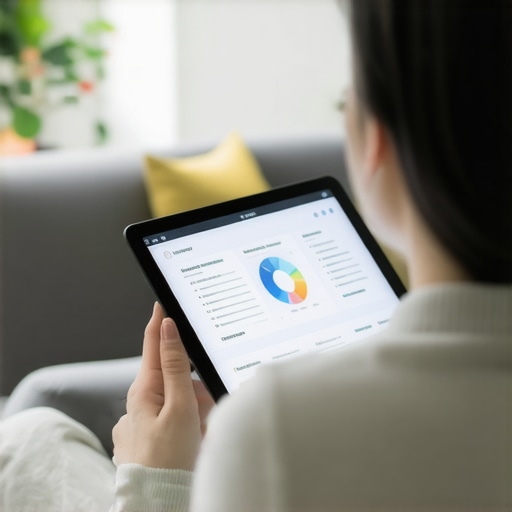
Skip the Waiting Room and Use Virtual Care
The biggest hurdle to getting healthy is often the logistics of the clinic itself. If I have to take half a day off work to sit in a room with three-year-old magazines, I am probably going to cancel that appointment. That is why unlocking the power of telehealth is a massive advantage for ongoing wellness. You can get a script for labs sent to your phone, have your blood drawn at a local site on your lunch break, and review the results via a video call while sitting on your own couch. It removes the friction that usually stops us from taking care of ourselves.
Take Control of Your Own Results
Do not wait for a generic phone call from a nurse saying your results are normal. Request the raw data and look at the numbers yourself. You need to learn how to read your own lipid panel without panic so you can spot trends before they become actual medical diagnoses. I once noticed my cholesterol creeping up even though it was still in the green zone. Because I caught it early through a quick virtual consultation, I adjusted my lifestyle and brought it back down without ever needing a prescription. If you are tired of being told everything is fine when you clearly feel subpar, it is time to check the 3 thyroid markers your doctor probably ignored last time. Being an active pilot of your health data is the only way to ensure you don’t stay stuck in the afternoon slump forever.The biggest mistake I see—and I made it for years—is treating a lab report like a pass/fail exam. We’ve been conditioned to think that if a number isn’t bolded or flagged with an ‘H’ for high, we are in the clear. But here is the contrarian truth: standard reference ranges are often based on the average of a population that is increasingly sedentary and metabolically unwell. If you want to feel “average,” follow the standard range. If you want to feel “optimal,” you need to look at where you sit within that range. For example, why the fasting insulin test matters more than a1c for weight loss is a perfect case of a nuanced marker that usually stays “normal” even as you are drifting toward insulin resistance. You might have a “normal” A1C of 5.6, but if your fasting insulin is sky-high, your body is screaming for help. According to a study published in The Lancet Public Health, reference intervals often fail to account for the “pre-clinical” phase of chronic conditions, meaning you could be symptomatic for a decade before a standard test catches it.
Can your current inflammation levels make your next shot less effective?
This is a question most people never think to ask. We treat vaccinations and wellness checks as separate silos, but they are deeply intertwined. If your body is already in a state of high systemic inflammation—which you’d see if you looked at 7 markers in your blood work that actually predict longevity—your immune system might not respond as robustly to a booster. This is why combining vaccinations and lab testing strategies is the gold standard for high-performers. You want to ensure your internal environment is receptive before you walk in for that expert vaccination tip or a seasonal flu shot. 
Avoid the pre-test traps that ruin your data
Even if you get the right tests, you might be sabotaging the results before the needle even touches your arm. The “oops” factor here is usually hidden in your morning routine. Most people know to fast, but they don’t realize the sneaky factor that ruins your cholesterol panel accuracy can be as simple as a vigorous workout the night before or even mild dehydration. If you’ve ever had a high cortisol reading that scared you, you need to know how to interpret a high cortisol result without the panic, because stress from the traffic on the way to the lab can spike your numbers. This is where telehealth innovations really shine; they allow for more frequent, low-stress monitoring from home rather than one high-stakes, stressful office visit every year. If you’re over 26, don’t assume your immunization journey is over, either. Checking the truth about hpv vaccinations for adults over 26 or keeping up with a personalized vaccination schedule is part of the advanced maintenance required to stay ahead of the curve. Have you ever fallen into the “but my labs are normal” trap while feeling like you were running on fumes? Let me know in the comments.Maintaining this level of energy isn’t about a one-week detox; it’s about building a system that alerts you before the ‘check engine’ light comes on. Personally, I rely on a quarterly rotation of why regular lab tests are critical for your wellness journey to catch subtle drifts in my metabolism. I’ve found that using telehealth innovations how virtual care is changing wellness in 639 am allows me to adjust my supplement stack or diet in real-time without the friction of a traditional office visit. If my morning fasted glucose starts creeping up, I don’t wait for a diagnosis; I use 7 moves to lower your fasting glucose before your next test immediately to pivot my habits. This proactive approach turns your health from a mystery into a manageable dashboard.
Build a Health Stack That Actually Works
I used to think the only way to track health was to feel my pulse or look in the mirror. Now, I use a ‘Health Stack’—a combination of wearable technology and digital health services. The most important tool in my kit isn’t a gym membership; it’s the ability to order the essential lab tests you need for accurate vaccination planning or metabolic screening directly from my phone. I use a Continuous Glucose Monitor (CGM) synced with my telehealth records to see exactly which foods trigger my specific 3 PM fatigue. Data from the Journal of Medical Internet Research (JMIR) indicates that patients using remote monitoring and virtual care report a 35% higher engagement rate with their wellness goals. By removing the need to travel for every minor concern, you make health the path of least resistance.
How do I maintain these energy gains over the long haul?
The secret is consistency over intensity. I schedule a ‘Wellness Sync’ every 90 days. This involves a quick video call to review my latest numbers and ensure my personalized vaccination schedules for better disease prevention are up to date. This isn’t just about avoiding the flu; it’s about ensuring my immune system isn’t constantly ‘running’ in the background due to outdated protection or undiagnosed inflammation. If you aren’t sure where to start, looking at maximize your health combining vaccinations and lab testing strategies can provide the framework for your own quarterly check-ins. 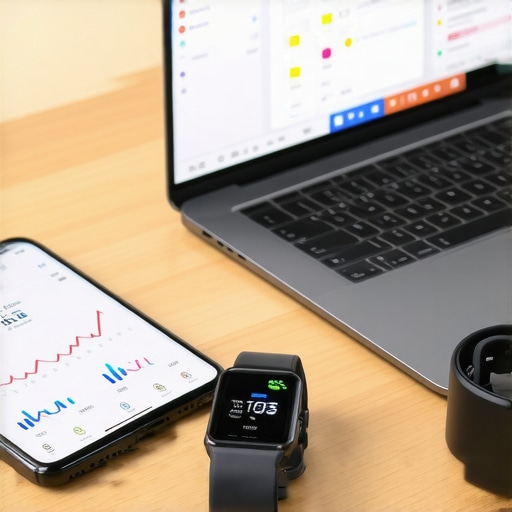
Look Beyond the Annual Physical
We are entering an era of ‘Medicine 3.0,’ a term often used by longevity experts like Dr. Peter Attia. This shift moves us from treating disease to optimizing life. In the very near future, I expect telehealth insights the future of accessible healthcare services to include AI-driven predictions that can tell you when a crash is coming based on your heart rate variability and cortisol trends. Instead of reacting to a ‘normal’ result that feels like trash, you will receive a notification to adjust your magnesium or sleep schedule before you even feel tired. This level of granular control is how you scale your wellness. If you want to take the first step toward this high-performance lifestyle, I recommend you stop guessing about your symptoms and get the raw data on the 3 thyroid markers your doctor probably ignored last time. Try this: Book one virtual consultation this week specifically to discuss your ‘optimal’ ranges rather than just your ‘normal’ ones. It’s the single fastest way to reclaim your afternoon focus.
What I Learned When My Normal Results Failed Me
The most startling realization of my health journey was that being ‘within range’ is often just a polite way of saying you aren’t dying yet. It doesn’t mean you are thriving. I had to learn that how lab tests can detect hidden health risks early in your wellness pathway is about catching the flicker before the fire starts. For years, I ignored my rising fasting glucose because it hadn’t hit the ‘diabetic’ mark, not realizing that my body was already struggling to maintain balance. Another lightbulb moment was discovering that my immune system and energy levels were a feedback loop; keeping up with personalized vaccination schedules for better disease prevention kept my baseline inflammation low, allowing my metabolism to focus on fueling my brain instead of fighting off preventable threats. Lastly, I realized that why wellness checks are your first step to better health at 945 am is essentially the ‘pre-flight check’ for your workday—skipping it is just gambling with your productivity.
The Tools That Keep My Energy on Autopilot
I don’t leave my energy levels to chance anymore. I’ve curated a specific toolkit that ensures I never hit that 3 PM wall. First, I highly recommend keeping a digital copy of your understanding lab tests your roadmap to clearer diagnosis at 322 pm records; being able to compare your data over months rather than years is the only way to spot a stalling metabolism. I also lean heavily on revolutionizing wellness how telehealth transforms personal care to get instant feedback on new symptoms without the burnout of traditional waiting rooms. For books, I recommend ‘Outlive’ by Peter Attia, which perfectly explains why the standard medical model waits too long to intervene. Finally, I use a simple habit-tracking app to ensure I’m hitting the 3 moves to stabilize your blood sugar every single day, turning my health from a chore into a lifestyle.
Reclaim Your Energy Before the Next Crash Hits
Your health shouldn’t be a mystery that you only solve when something breaks. The future of your personal wellness is about having the courage to look at the data even when you feel ‘okay.’ We are lucky to live in an age where telehealth insights the future of accessible healthcare services are available at our fingertips, making it easier than ever to be the CEO of your own biology. Don’t wait for your next annual physical to find out why you’re tired today. By understanding why regular lab tests are critical for your wellness journey, you are giving yourself the gift of a focused, high-energy life that lasts well beyond the afternoon coffee break. You have the tools and the data; now it’s just time to take the first step toward your most vibrant self. Have you ever been told your lab work was ‘fine’ but still felt like you were dragging through the day? Drop a comment and tell me how you handled it.