
Why adult tetanus boosters are more important than you think
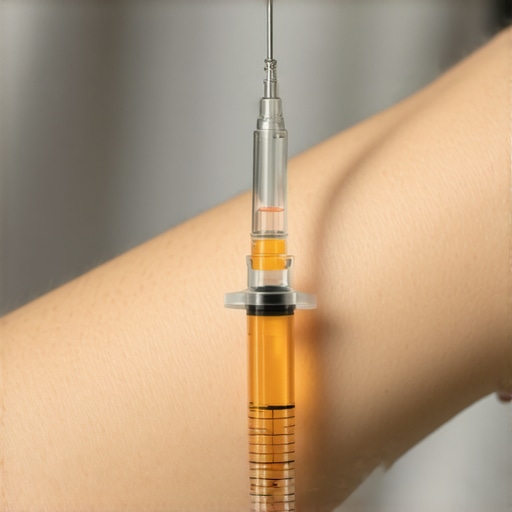
I remember the sharp, metallic sting of a mud-caked garden stake catching the palm of my hand. It was a shallow nick, barely bleeding, but as I rinsed away the grit, a cold realization settled in my stomach: I had absolutely no idea when my last tetanus shot was. Was it high school? Maybe for a college trip? I honestly couldn’t tell you. Like many of us, I figured that if I didn’t have ‘lockjaw,’ I was perfectly fine. I was wrong, and that simple realization sent me down a rabbit hole of realizing how much we neglect our adult immunizations. Today, I am going to help you avoid that late-night panic and show you why keeping your booster status current is a non-negotiable part of staying healthy as an adult.
Your Childhood Immunity Does Not Last Forever
The biggest mistake I made—and one I see my neighbors make all the time—is assuming those shots we got as kids are like a permanent suit of armor. They aren’t. Over time, your body’s ability to recognize and fight the Clostridium tetani bacteria starts to fade. According to the Centers for Disease Control and Prevention, tetanus is unique because it is not caught from other people; it lives in the soil, dust, and manure all around us. If your antibody levels have dropped, you are vulnerable to any break in the skin. If you have recently had a scare like I did, you can learn how to safely update your tetanus shot after a minor injury and get your peace of mind back quickly.
Is the ten-year rule actually necessary?
I used to be a skeptic about the 10-year booster schedule. I thought it was just another medical chore to add to my never-ending to-do list. But then I learned that tetanus isn’t picky—it doesn’t need a rusty nail. It can enter through a dog bite, a simple splinter, or even a kitchen burn. The toxin produced by these bacteria is incredibly potent, which is why personalized vaccination schedules are so vital for active adults. We live busy, messy lives, and we need our immune systems to be ready for the unexpected. Have you ever looked at a minor scratch and felt that pang of worry because your records are a total mystery?
Stop Playing the Guessing Game with Your Health
In my early thirties, I just assumed my doctor was keeping track of every single detail. The reality is that when you switch providers or move between states, those records often get lost in the shuffle. I had to learn the hard way that being an advocate for my own wellness meant knowing exactly where I stood. Before you just run out and get a random jab, it is often worth checking the essential lab tests you need for accurate vaccination planning. It is not just about getting the shot; it is about ensuring your body is actually protected. We have all heard the vaccinations myths floating around, but the truth is that tetanus is a preventable risk you don’t need to take. Let’s look at how you can get your records in order without the stress.
Stop Hunting for That Crumpled Paper Trail
Finding your old immunization records is like trying to find a specific receipt from five years ago—it is usually buried at the bottom of a drawer or lost in a box in the attic. I once spent a frantic Saturday afternoon sneezing through dusty files in my basement, convinced I had a yellow card from my college days. I found old tax returns and a middle school diploma, but no vaccine records. The truth is, if you have moved states or changed doctors multiple times, that paper trail is probably cold. Instead of wasting your weekend, you can learn how to track down old vaccine records for a new job or use digital registries. Many states now have electronic databases that healthcare providers can access instantly. If you are a parent, you might also need to know how to track down your child’s school immunization history instantly to keep the whole family on track. If the records simply do not exist, do not panic; you do not have to start every series from scratch.
Your Blood Holds the Blueprint of Your Immunity
When the paper trail fails, your blood can tell the story for you. This is the ‘fast-forward’ button of adult wellness. Titer tests are lab markers that check for the presence of antibodies in your system. Think of it like a security check for a building; the test looks to see if your ‘immune guards’ are still on duty. I eventually skipped the attic searching and opted for the essential lab tests you need for accurate vaccination planning. It was a simple blood draw that proved I was still protected against some things but needed a booster for others. This approach is much more precise than just guessing.  By maximizing your health by combining vaccinations and lab testing strategies, you ensure you are only getting what you actually need. This is especially helpful if you are trying to verify your child’s MMR status without a paper trail before a school trip or summer camp.
Why Virtual Checkups Save Your Saturday
The biggest barrier to staying current with boosters is the time commitment. Nobody wants to spend two hours in a waiting room for a five-minute conversation about a tetanus shot. This is where telehealth insights and the future of accessible healthcare have changed the game. You can now discuss your history and order necessary lab tests from your kitchen table. By unlocking the power of telehealth for fast, convenient wellness access, you can have a provider review your titer results and send a vaccination order to a clinic near you. It turns a half-day ordeal into a few clicks and a quick stop at a local pharmacy.
Make Your Plan Personal
Not every adult needs the same shots at the same time. Your lifestyle, travel plans, and work environment dictate your needs. For instance, if you are planning a cruise, you might need specific travel vaccines that a desk worker wouldn’t normally consider. This is why personalized vaccination schedules are the gold standard for modern care. It moves away from the ‘one-size-fits-all’ model and focuses on your actual risk factors. Whether it is preparing for a new job or just ensuring you won’t worry the next time you nick your hand in the garden, having a clear, data-backed plan is the only way to stay ahead of preventable illnesses.I used to think that getting a “Normal” result back from the lab was the ultimate green light. But here is the contrarian truth: “Normal” is a statistical average, not a gold standard for vitality. Most people assume that if their numbers fall within the reference range, they are perfectly healthy. In reality, these ranges are often calculated from a broad population that includes people who are already sub-clinically ill. If you are hovering at the very edge of a range, you might be technically “normal” but functionally struggling. This is exactly why your lab results come back normal while you still feel like trash. To truly optimize your health, you need to look for optimal levels, not just the absence of disease.
The supplement trap you did not see coming
There is a specific warning I give to everyone now: your morning routine might be lying to your doctor. High doses of Biotin (Vitamin B7), which is found in almost every “hair, skin, and nails” supplement, can actually interfere with critical lab tests. According to a safety communication from the FDA, biotin interference can lead to falsely high or low results in thyroid tests and heart attack markers. It is a classic “Oops” factor. You think you are being proactive about your wellness, but you are actually masking your true biological state. This is why it is essential to understand how your morning coffee or supplements are sabotaging your anxiety labs or other diagnostic tests before you head to the clinic.
Why did my labs come back ‘fine’ when I still feel exhausted?
This disconnect usually happens because standard blood panels are often too shallow. To find the truth behind chronic fatigue or weight plateaus, you have to look at markers that prove your metabolism is stalling before a full-blown condition develops. For example, most routine checks look at fasting glucose, but they skip fasting insulin. Your glucose can look perfect while your insulin is skyrocketing to keep it that way. By the time the glucose moves, the damage is already well underway.  One of the biggest shifts in modern medicine is moving these deep-dive data conversations to virtual platforms. Many patients still believe complex wellness requires a physical office, but telehealth innovations are changing wellness by allowing for longer, more analytical discussions about your specific data points. You do not need to sit in a waiting room to learn how to read your own lipid panel; you need a specialist who can explain the nuance of the numbers from the comfort of your home. By unlocking the power of telehealth for fast, convenient wellness access, you can manage complex health goals without the typical logistical friction. Have you ever fallen into the “but the doctor said I’m normal” trap? Let me know in the comments. When you begin maximizing your health by combining vaccinations and lab testing strategies, you stop guessing and start knowing.Maintaining that ‘optimal’ state I mentioned isn’t a one-time event; it is a logistics challenge. I have found that the best tool in my arsenal isn’t a fancy gadget, but a commitment to a ‘Single Source of Truth.’ For me, that means utilizing my state’s Immunization Information System (IIS). Most people do not realize these exist, but they are the secret weapon for anyone who has moved houses more than once. By syncing these records with a secure, cloud-based health vault—I personally use an encrypted PDF folder tagged by year—I can pull up my Tdap or MMR status while standing in a pharmacy line. This level of organization is the bridge between being a passive patient and an active manager of your longevity.
How do I keep my health data organized for the long haul?
The key is the ‘Annual Wellness Audit.’ Every January, I schedule a quick sync with my provider to review the past year’s data. We do not just look at what happened; we look at the trajectory. This is where telehealth insights and the future of accessible healthcare make life incredibly easy. Instead of driving across town, I upload my latest results to a secure portal. We focus on 7 markers in your blood work that actually predict longevity, looking for subtle shifts. If my CRP or fasting insulin starts to creep up, even if it is still ‘normal,’ we pivot our strategy immediately. This proactive stance is exactly why regular lab tests are critical for your wellness journey. I am a big believer in the technical standards that make this possible. The medical community is increasingly adopting the HL7 FHIR (Fast Healthcare Interoperability Resources) standard, which aims to make health data exchange seamless across different providers. This means soon, your lab results, vaccination history, and wearable tech data will all talk to each other without you needing to be the manual middleman. 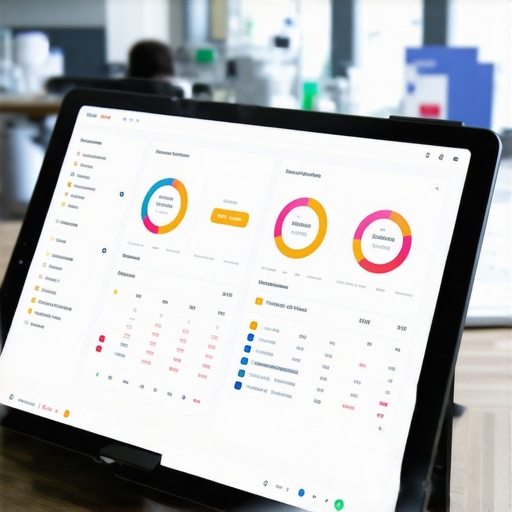 By revolutionizing wellness through telehealth transformations, we are finally reaching a point where your data becomes a living roadmap rather than a static snapshot. Looking ahead, I predict that ‘predictive immunity’ will be the next big trend. We will not just wait ten years for a tetanus booster; we will use AI to analyze our antibody decay rates and get a notification exactly when our protection dips. This is already starting with personalized vaccination schedules that account for your specific biological age and lifestyle. If you want to stop the cycle of guessing and stressing, I highly recommend you start your own health vault today. Go into your state’s health portal, download your records, and book a virtual check-in to see where your ‘optimal’ actually lies. It is the most empowering thirty minutes you will spend all year.
The Hard Truths I Discovered About Staying Protected
Through my own health journey and helping others navigate the modern medical system, I have had a few ‘lightbulb’ moments that changed everything. First, tetanus is not just about rusty nails; it is a constant environmental risk that requires us to stay vigilant. Second, I learned that relying on a paper card from twenty years ago is a recipe for anxiety. Third, and perhaps most importantly, your health is a data set that you own. If you are starting to see the value in this data-driven approach, you can see how how lab tests can detect hidden health risks early in your wellness pathway before they become emergencies. Moving from a reactive mindset to a proactive one is the greatest gift you can give your future self.
A Few Tools to Keep Your Health Data in Check
To get started, I recommend a small but powerful toolkit. First, check your state’s Immunization Information System (IIS) to see what is already on file. Second, look into the CDC Adult Vaccine Assessment Tool; it is a quick way to see what you might be missing based on your age and occupation. Third, utilize a secure digital vault for your results. #IMAGE_PLACEHOLDER_E# By understanding why regular lab tests are critical for your wellness journey, you can populate that vault with meaningful data. I personally trust these sources because they prioritize accuracy over hype, allowing you to build a foundation of facts rather than guesses.
Own Your Biological Blueprint
Your health journey is uniquely yours, and you deserve a plan that reflects that. We are no longer in an era where you have to settle for ‘one-size-fits-all’ medicine. By embracing personalized vaccination schedules and deep-dive diagnostics, you take the steering wheel of your own longevity. It is about more than just avoiding a lockjaw scare; it is about feeling confident in your body’s ability to protect itself every single day. If you are ready to take that first step toward a more organized, optimized you, please feel free to reach out and contact us. Let’s turn your health data into your greatest asset. Have you ever found a surprise gap in your immunization records or a result that wasn’t as ‘normal’ as you thought? Let me know in the comments below!