
3 simple ways to lower your morning cortisol naturally

For months, I woke up at 4:15 AM like a starter pistol had been fired in my bedroom. No alarm, just a sudden, jolting surge of adrenaline that left my heart hammering against my ribs while the rest of the world slept. I would lie there, staring at the ceiling fan, my mind already spiraling through a to-do list for a day that hadn’t even started. I thought it was just the price of being a busy adult. I was wrong. I was stuck in a loop where my body was screaming for help, and I was answering it with more caffeine. It took a massive crash for me to realize that my biology was hijacked. If you have ever felt ‘wired but tired’ the second your eyes open, you are not failing at life; your hormones are just out of sync. Today, we are going to fix that. I am sharing the exact, low-stress shifts that helped me reclaim my mornings and stop that frantic 4 AM ceiling-stare for good.
Stop Waking Up in Survival Mode
The biggest mistake I made early on—and it is a doozy—was reaching for my coffee before I even looked at the sun. I thought I was ‘jumpstarting’ my day, but I was actually sabotaging my system. When you pour caffeine into a body that is already surging with its natural Cortisol Awakening Response (CAR), you are essentially pouring gasoline on a bonfire. It is the main reason why your morning coffee is sabotaging your anxiety labs and making your stress levels skyrocket. According to the Cleveland Clinic, cortisol is meant to peak naturally shortly after you wake up to help you feel alert, but when we interfere with that process, we end up feeling exhausted by noon. I had to learn the hard way that the real reason you are exhausted after a full night’s sleep often comes down to this morning hormone spike. Have you ever felt that weird jolt of anxiety at sunrise and wondered if you’ve run a marathon before you even brushed your teeth?
Is This Just More Wellness Hype or Can it Actually Work?
I get the skepticism. When you are vibrating with stress, being told to ‘just breathe’ or ‘try light’ feels like bringing a squirt gun to a forest fire. I used to think my heart racing was just my personality until I learned how to interpret a high cortisol result without the panic. The truth is, your body is incredibly responsive to environment. We aren’t looking for a ‘quick fix’ that involves expensive supplements you can’t pronounce. We are looking for biological triggers. By the time I finally understood the hidden link between your gut health and mood, I realized that my morning routine was setting the tone for my entire inflammatory response for the day. These steps aren’t about being a perfect ‘wellness influencer’; they are about giving your nervous system the signal that it is safe to relax. Let’s look at how we can actually shift the needle without adding more stress to your plate.
Reset Your Biological Clock Without the Burnout
I used to treat my body like a machine that just needed more fuel, but our biology is more like a delicate ecosystem. If you keep dumping high-octane stimulants into a system that is already overstimulated, you’ll eventually blow a fuse. To fix the 4 AM wake-up call, we have to stop the physiological panic before it starts. This means changing the timing of your morning inputs and, more importantly, getting actual data on what is happening under the hood. Most people guess why they are tired; I want you to know for sure.
Wait for the Natural Energy Wave
The hardest thing I ever did was wait 90 minutes after waking up to have my first sip of coffee. On that first Tuesday, I was practically vibrating with irritation, staring at the coffee pot like it was a long-lost relative. I felt sluggish and foggy, but I forced myself to drink a liter of water with a pinch of sea salt first. By day five, something clicked. My body realized it didn’t need the caffeine crutch to stay upright. By delaying the intake, I allowed my natural cortisol to do its job without interference. If you find your heart racing after that first cup, you might need to look into the one nutrient that stops your heart palpitations after coffee to help stabilize your nervous system response.

Get Real Data Instead of Guessing
For the longest time, I assumed my issues were just ‘stress.’ I didn’t realize that internal inflammation and nutrient gaps were keeping my body in a state of high alert. This is where understanding the role of lab tests in preventive wellness becomes a game changer. You can’t fix what you can’t see. I eventually ran a full panel and discovered my vitamin D was in the basement and my fasting insulin was creeping up—both of which were telling my brain to stay in survival mode. Don’t be discouraged if your standard doctor says everything is ‘fine.’ There is a huge difference between being clinically diseased and being optimally healthy. It is common to wonder why your lab results come back normal while you still feel like trash, and usually, the answer lies in the narrowness of the testing performed.
Talk to a Professional from Your Living Room
The old way of fixing this—driving to a clinic, sitting in a waiting room full of sick people, and getting five minutes with a distracted doctor—is dead. I found that my anxiety actually decreased once I started using virtual visits to manage my health. Telehealth insights and the future of accessible healthcare services mean you can discuss your cortisol patterns and lab results with a specialist while you are still in your pajamas. It removes the ‘white coat syndrome’ that often spikes your blood pressure and makes your symptoms worse. When I had my first video consult, I could actually focus on the advice because I was in a safe, comfortable environment. This shift is essential for anyone dealing with chronic stress because it turns healthcare from a chore into a supportive resource.
Sync Your Nutrients with Your Schedule
Healing your morning starts the night before. I realized my 4 AM wake-up was often a blood sugar drop in disguise. My brain would wake me up to search for fuel because I hadn’t eaten enough protein the night before. I started focusing on high-density nutrition and checking my markers to ensure my body was actually absorbing what I ate. Using understanding lab tests as your roadmap to clearer diagnosis helped me realize that my gut wasn’t processing minerals correctly. This wasn’t a ‘mental’ problem; it was a physical one that needed a physical solution. Once I fixed the nutrient absorption, the early morning adrenaline surges finally began to fade into a peaceful, natural wake-up time.
Most people assume that telehealth is just a digital Band-Aid—a way to get a quick Z-Pak for a sinus infection without leaving the house. That is a massive mistake. In my experience, virtual care is actually superior for managing the complex, nuanced stuff like cortisol dysregulation and chronic fatigue. When you are sitting on a crinkly paper sheet in a cold exam room, your body is on high alert, a phenomenon known as ‘White Coat Syndrome’ that can artificially spike your blood pressure and cortisol. By revolutionizing wellness and how telehealth transforms personal care, you can actually discuss your data in a state of ‘rest and digest.’ This leads to much more accurate diagnostic outcomes because you are in your natural environment. Have you ever felt like your doctor just wasn’t hearing you because they were rushing to the next room? Let me know in the comments.
Can Telehealth Truly Match the Accuracy of an In-Person Exam for Chronic Fatigue?
The short answer is yes, and in many cases, it exceeds it. The ‘Oops’ factor most people fall for is thinking that a single blood draw is a static truth. In reality, hormones are a movie, not a photograph. Advanced wellness isn’t about one-off visits; it is about the integration of data. For instance, many don’t realize that the essential lab tests you need for accurate vaccination planning or immune support require a deep dive into your current inflammatory markers. According to a study in the Journal of Clinical Endocrinology & Metabolism, standard ‘normal’ reference ranges are often based on a broad population that includes people who are sub-clinically ill. This is why you must advocate for optimal ranges, not just ‘normal’ ones.
The Dangerous Trap of the ‘Normal’ Lab Result
Here is a contrarian take: your ‘normal’ lab results might be the very thing keeping you sick. I spent years being told my blood sugar was fine because my A1C was in the mid-fives. It wasn’t until I learned that the why the fasting insulin test matters more than A1C for weight loss and energy that I realized I was pre-diabetic in my 30s despite a ‘clean’ bill of health. We have been trained to wait for the alarm bells to ring before we take action. True preventive wellness means looking at the smoke before the fire starts. If you are only checking the basics, you are missing the nuance of how your body actually functions under stress.

Another common myth is that wellness is a separate silo from traditional medicine like vaccinations. In reality, they are two sides of the same coin. A healthy body responds better to immune challenges. By utilizing personalized vaccination schedules for better disease prevention, you are tailoring your defense system to your specific biology rather than a generic template. This is the difference between surviving and thriving. When you stop guessing and start measuring—really measuring—using understanding the role of lab tests in preventive wellness, the path to feeling like yourself again becomes remarkably clear. It’s time to stop settling for ‘not sick’ and start aiming for optimal. Have you ever had a lab result come back ‘normal’ even though you knew something was wrong? I’d love to hear your story below.
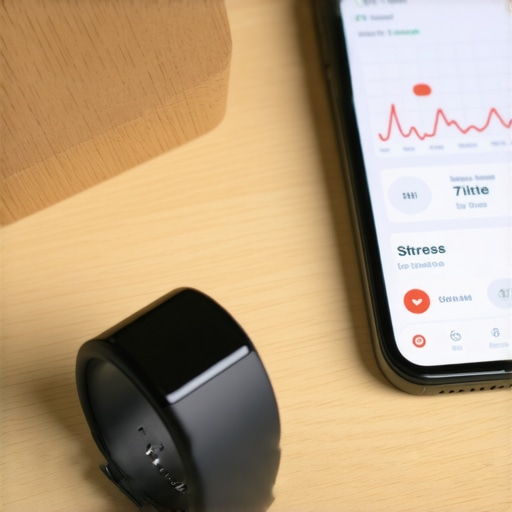
To keep this momentum, I had to stop treating my health like a project with an end date and start treating it like a cockpit that needs constant monitoring. My favorite tool for this is a wearable tracker that monitors Heart Rate Variability (HRV). According to technical documentation from the HeartMath Institute, HRV is one of the most reliable markers of your autonomic nervous system’s balance. If my HRV is low, I know I need to double down on recovery before I even feel the stress. This is exactly why regular lab tests are critical for your wellness journey; the data tells you what your feelings might be trying to hide. I also leverage telehealth innovations and how virtual care is changing wellness to keep my data organized and accessible. Instead of a messy folder of papers, I use a digital health portal where I can overlay my lab results against my lifestyle changes. This helps me see how lab tests can detect hidden health risks early in your wellness pathway before they become full-blown burnout.
The Gear That Keeps My Stress in Check
I don’t just rely on how I feel; I rely on the metrics that don’t lie. For me, that meant integrating a Continuous Glucose Monitor (CGM) for a month to see how my morning coffee actually impacted my blood sugar. The results were shocking. Even without sugar, the cortisol spike from the caffeine was enough to send my glucose into a tailspin. By seeing this in real-time, I was able to adjust my timing with precision. We are moving toward a future where this kind of bio-feedback is standard. Research published in the Journal of Medical Internet Research suggests that real-time health monitoring significantly improves patient adherence and long-term outcomes in chronic wellness management. This is the ultimate way to ensure you are maximizing your health by combining vaccinations and lab testing strategies for a complete picture of your internal defense system.
How do I maintain these hormonal wins over the long haul?
Maintenance isn’t about being perfect; it’s about course-correcting quickly. I schedule a ‘Wellness Audit’ every six months. This isn’t just a check-up; it’s a deep dive into my biological trends. I look at my historical data to see if my markers are drifting. If I’m planning to go abroad, I’ll even check how to proof your immunity records for international travel to stay ahead of the curve. The future of this field is moving toward AI-driven predictive modeling. We are approaching an era where your wearable might suggest a specific nutrient or a 10-minute walk based on a micro-fluctuation in your blood chemistry detected through your skin. For now, the best ‘hack’ is the one you actually stick to. I challenge you: pick one marker—whether it’s your fasting insulin or your HRV—and track it for 30 days. Don’t guess. Know. If you’re unsure where to start, looking into why a full metabolic panel is better than a basic blood draw for fatigue will give you the baseline you need to stop the 4 AM wake-up calls for good.
Hard Truths About My Hormone Journey
Reflecting on this process, the biggest ‘lightbulb moment’ was realizing that my 4 AM anxiety wasn’t a personality trait—it was a physiological signal. I learned that cortisol is a tool, not a villain, but it requires the right environment to function correctly. Another vital realization was that standard ‘normal’ ranges on blood tests are often far too broad for anyone aiming for optimal performance. Most importantly, I found that my health improved faster when I moved my care into my own home, where I felt safe and heard rather than rushed through a clinical assembly line.
The Toolkit That Kept Me Sane
I didn’t get here by accident; I used specific resources that removed the guesswork from my recovery. I highly recommend investing in a wearable that tracks Heart Rate Variability (HRV) to get a daily snapshot of your nervous system’s stress levels. I also swear by using a dedicated digital health portal to track my progress over time, which is exactly why unlocking the power of telehealth for fast, convenient wellness access was such a massive win for my daily schedule. To stay organized, I also suggest a simple log to track how your morning energy correlates with your sleep and nutritional changes.
Your Energy Is Worth Fighting For
The journey from ‘wired and tired’ to waking up refreshed isn’t an overnight fix, but it is entirely possible when you stop guessing and start measuring. By understanding why wellness checks are your first step to better health at 9:45 AM or whenever you can find a quiet moment, you are finally reclaiming your autonomy. You can even boost your immunity with expert vaccination tips to ensure your long-term health foundation is as balanced as your hormones. Don’t wait for a total burnout to start making these shifts. Have you ever felt like your body was sending you urgent signals that your doctor just couldn’t see on a standard test? Let me know your experience in the comments below.