
How your vitamin D levels affect your body’s ability to recover from a cold

I spent three weeks last February huddled under a weighted blanket, surrounded by a mountain of crumpled tissues and stone-cold tea, wondering why a simple seasonal sniffle had turned into a month-long marathon of misery. My neighbors were back at the gym within four days. Me? I was a shell of a human, struggling to walk to the mailbox. It wasn’t until I finally looked at my bloodwork that I realized I was running on empty. My Vitamin D was in the gutter, and my body was essentially trying to fight a fire with a leaky garden hose.
Stop blaming the weather for your endless winter sniffles
I used to think Vitamin D was just something for bone health or maybe a little mood boost in the winter. I made the classic mistake of assuming my generic daily multivitamin was doing the heavy lifting for my immune system. Spoiler alert: it wasn’t even close. When I finally decided that regular lab tests are critical for my sanity, I found out my levels were below 20 ng/mL. My immune system wasn’t just tired; it didn’t have the fuel to finish the job. If you feel like every bug that goes around hits you twice as hard and stays twice as long, you aren’t imagining things. Your internal defense system might just be missing its most important ‘instruction manual.’
Is a single vitamin actually worth the hype for immunity?
Most people are skeptical, and I was too. We’ve been sold so many ‘miracle cures’ that it’s easy to roll your eyes at the mention of Vitamin D. But the science isn’t about marketing; it’s about biology. Vitamin D acts more like a hormone than a vitamin, directly influencing the cells that identify and destroy pathogens. When you are deficient, those cells are sluggish and uncoordinated.
Why your recovery stalls when your levels are low
Dealing with a lingering cold often feels like a mystery you can’t solve, but understanding your lab results can give you the roadmap you need to stop the cycle. A significant study published in the Journal of Investigative Medicine (NCBI) highlights that Vitamin D is crucial for the modulation of both innate and adaptive immune responses. Without enough ‘D,’ your body can’t produce the antimicrobial proteins needed to clear a virus effectively. Have you ever felt like you were doing everything ‘right’—eating greens, sleeping eight hours, washing your hands—and still ended up bedridden for a week? If that sounds like your last three months, tell me, have you checked your actual levels lately or are you just guessing with a bottle of pills? We often think a targeted blood test is better than crossing our fingers. Whether you are trying to handle a flu outbreak or just want to bounce back from a scratchy throat, the answer is usually hiding in your bloodwork. It’s time to stop treating your health like a guessing game and start looking at the data that determines how fast you get back on your feet.
The specific steps to fix a broken immune response
You can’t just throw a random supplement at your body and hope it sticks. Think of your immune system like a high-security building. Vitamin D is the encrypted radio frequency the guards use to communicate. If the frequency is jammed—or in your case, nonexistent—it doesn’t matter how many guards (white blood cells) you have; they won’t know where the intruder is.
Ditch the guesswork with a 25-hydroxy test
The first thing you need is a 25-hydroxy Vitamin D test. Many people make the mistake of asking for a generic ‘vitamin check,’ but this specific marker is the most accurate way to measure your body’s stores. Last year, I wasted three months taking a generic gummy I bought at the grocery store. When I finally got my results back, my levels hadn’t budged an inch. That’s because a targeted blood test is better than blindly trusting a colorful bottle. Once you see the numbers, you realize that ‘normal’ is a wide range, and ‘optimal’ for immune health is usually much higher than the bare minimum.
Skip the waiting room for faster interpretation
Once you have those numbers in hand, don’t wait two weeks for a follow-up appointment. I used to let my lab results sit in a portal for ages because I couldn’t find time to drive across town. Now, unlocking the power of telehealth allows you to have a professional explain your levels while you’re still in your pajamas. This is where the execution becomes real. A provider can tell you if you need a ‘loading dose’ or if your current supplement is a waste of money. If your levels are critically low, you might even need the 5-minute virtual move to get a high-potency prescription that moves the needle faster than over-the-counter options. 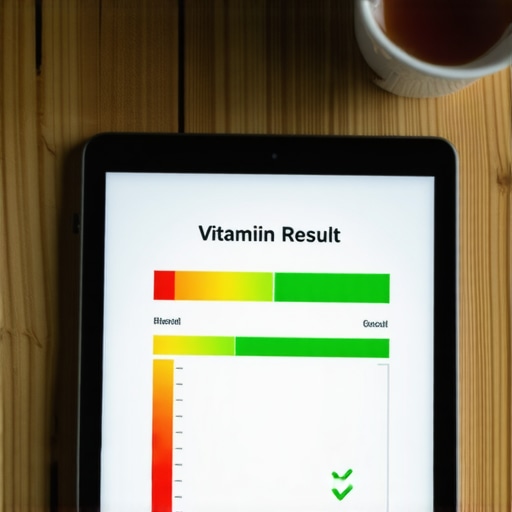
Check these secondary markers for the full picture
Vitamin D doesn’t work in a vacuum. If your levels are stubborn, you might be missing cofactors like magnesium. If you’ve ever wondered why your magnesium supplement isn’t helping, it might be because your body is using every scrap of it just to activate the Vitamin D you’re taking. Furthermore, understanding your lab results means looking at things like cortisol. High stress can suppress your immune system regardless of your vitamin intake. Learning how to interpret a high cortisol result alongside your D levels gives you a 3D view of why you’re actually tired. When I finally balanced my D and my magnesium, the ‘brain fog’ I’d attributed to aging disappeared in ten days. It wasn’t magic; it was just math.But here’s where the math gets messy for most people: they treat a single blood draw like a permanent identity. The ‘Oops’ factor I see most often is the ‘snapshot’ mistake. Your blood is a dynamic environment that changes based on what you ate for dinner, how much you slept, and even the supplements you took that morning. For instance, why your vitamin B12 results might be misleading is a prime example of how over-the-counter habits can mask underlying issues. If you’re taking high doses of certain vitamins, they can skew the very tests meant to track your progress, leading to a false sense of security.
Stop settling for ‘normal’ results that leave you feeling like trash
Let’s dig deeper into the ‘normal range’ trap. If you’ve ever walked out of a doctor’s office with a clean bill of health while feeling like you’re dragging a piano behind you, you’ve experienced the biggest flaw in modern diagnostics. Most people assume that if their numbers fall within the black-and-white lines on the page, they are ‘fine.’ But in my experience, ‘fine’ is just the absence of immediate disease, not the presence of vitality. Reference ranges are calculated based on the average population—and the average population is increasingly struggling with metabolic dysfunction. A study published in the journal Nutrients highlights that for Vitamin D, a level of 30 ng/mL might prevent rickets, but you often need 50 ng/mL or higher to significantly reduce the risk of acute respiratory infections. If you are aiming for the bottom of the barrel, don’t be surprised when your immune system performs like it’s in the bargain bin. This is why wellness checks are your first step toward a proactive strategy rather than a reactive panic.
Can you really trust a screen to fix your immune system?
This is the advanced question I get most: ‘Isn’t virtual care just for minor stuff like a sore throat?’ Actually, it’s quite the opposite. When you use telehealth for your personal care, you have the space to go through these nuances without a ticking clock in a waiting room. A provider can look at the data and say, ‘Your Vitamin D is 32, which is technically normal, but based on your chronic fatigue and frequent infections, we need to push that to 60.’ That level of personalization is the difference between surviving winter and thriving through it. 
The hidden reason your Vitamin D stays low even with supplements
If you’ve been popping pills and your levels haven’t moved, you might be missing the inflammatory context. High levels of systemic inflammation can actually prevent your body from utilizing the nutrients you’re providing. Using the specific blood marker that flags silent inflammation can tell you if your body is too stressed to absorb what you’re giving it. Furthermore, we often forget about vaccinations in the wellness conversation. Many people treat them as a one-size-fits-all schedule, but the essential lab tests you need can reveal if you actually have immunity (titers) before you blindly get another shot. This is the nuance that separates basic ‘compliance’ from true ‘wellness optimization.’ Have you ever fallen into the trap of thinking a ‘normal’ lab result meant you were perfectly healthy? Let me know in the comments.
Stop treating your health like a surprise party
Moving from a state of deficiency to a state of vitality is a massive win, but the real challenge is staying there. I used to think that once my labs looked good, I was ‘done,’ like I’d graduated from a class I never had to attend again. But your body is a high-performance engine, not a trophy on a shelf. If you want to avoid that 3 PM slump or the next viral wave, you need a system to maintain the ground you’ve gained. Regular lab tests are critical because they act as your early warning system. I now schedule my bloodwork every six months like clockwork, regardless of how I feel. This proactive approach ensures that I catch a dip in Vitamin D or a spike in inflammation before they manifest as a month-long sinus infection.
The simple tech stack I use to track my data
You don’t need a medical degree to manage your numbers, but you do need the right tools. I personally rely on a combination of digital tracking and high-quality organization to keep my progress visible. I use a dedicated health dashboard app that syncs with my lab results, allowing me to see trends over years, not just weeks. This helps me realize that my levels tend to tank specifically in November, prompting me to adjust my protocol before the winter hits. According to the Endocrine Society’s Clinical Practice Guidelines, many adults require 1,500–2,000 IU of Vitamin D daily just to maintain adequate serum levels, but your specific requirement might be double that if your BMI is higher or if you have malabsorption issues. I also use a heavy-duty, UV-protected pill organizer; it sounds basic, but if your supplements are sitting in a cabinet gathering dust because the bottles are a hassle to open, they aren’t helping you. 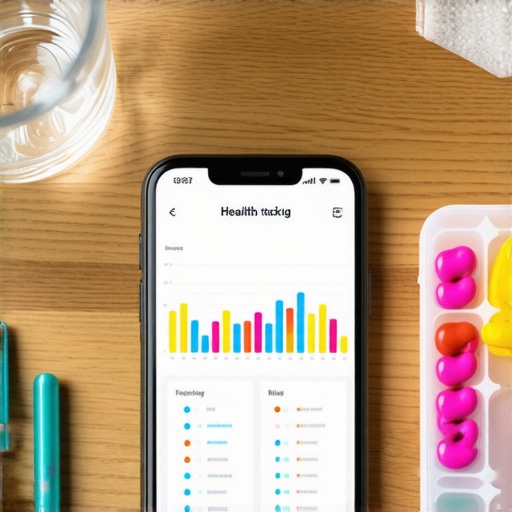
How do I stay on top of these levels without losing my mind?
The secret to long-term results is integration, not obsession. By exploring the benefits of telehealth, I’ve managed to cut out the stress of commuting and waiting rooms. I have my labs drawn at a local facility, and then I book a ten-minute virtual review to tweak my dosage. This makes preventive wellness feel like a quick check-in rather than a part-time job. I also focus on combining vaccinations and lab testing into a single seasonal strategy. For instance, getting my flu shot and my Vitamin D check in the same week ensures my ‘internal guards’ are fully briefed and armed for the season.
Your bloodwork is about to get a lot more high-tech
Looking ahead, the trend is moving toward continuous monitoring and even at-home testing kits that sync directly with your provider. We are entering an era where telehealth innovations will allow us to see real-time data on how a specific meal or a high-stress day affects our markers. I predict that within five years, we will all have a ‘wellness credit score’ updated in real-time. If you want to get ahead of the curve, my best tip is to start tracking the one marker that predicts heart risk better than cholesterol alongside your vitamins. It gives you a complete picture of your systemic health that a basic physical simply can’t touch. Don’t wait for a crash to check your fuel levels; start your first maintenance log this week by scheduling a baseline panel.
The Hard Truth About My Failed Gummy Vitamin Strategy
The most humbling lesson I learned was that consistency is worthless without accuracy. For a long time, I was consistent at taking the wrong dose of a low-quality supplement, essentially flushing money away while my immune system suffered. I also realized that vitamin B12 results might be misleading if you do not account for your existing supplement routine, which can skew the data and hide a real deficiency. My biggest lightbulb moment happened when I saw that my immune system was not broken; it was just starved of specific chemical signals. Data is not just numbers on a page; it is the voice of your body telling you exactly what it needs to stop the cycle of winter exhaustion.
The Three Essentials for Your Personal Wellness Dashboard
To stay on track, I rely on a few specific tools and sources that cut through the noise of the wellness industry. First, I use telehealth innovations to ensure I can talk to a provider the moment a lab result looks suspicious, rather than waiting weeks for an in-person opening. I also highly recommend looking into how lab tests can detect hidden health risks to stay proactive rather than reactive. Finally, I suggest everyone keeps a simple log of their seasonal vaccinations alongside their vitamin levels. Understanding how to boost your immunity with expert tips ensures you are not just reacting to the latest flu strain, but building a fortress from the inside out.
#IMAGE_PLACEHOLDER_E#
Take the Lead on Your Own Recovery
You do not have to be a victim of the seasonal sniffle every single year. The power to change your health trajectory starts with a single blood draw and the willingness to look at what is actually happening under the hood. Embracing preventive wellness means you are choosing to invest in your future self today. When you finally align your biology with your lifestyle, you will be amazed at how quickly that shell of a human feeling disappears. Your wellness journey is not a destination; it is a series of small, data-driven course corrections that lead to a life of vitality. Have you ever had a normal lab result but still felt absolutely exhausted? Let me know in the comments below.