
Why you need to re-test your iron levels three months after starting a supplement

I remember standing in my kitchen at 3 PM, staring at a half-empty bottle of iron supplements like they were a magic wand that had somehow lost its charge. I had been taking them religiously for weeks, yet I was still dragging myself through the day, my head felt like it was filled with cotton wool, and I was losing my patience with everyone I loved. I was doing everything ‘right,’ but I felt exactly the same as the day I started. My biggest mistake early on was assuming that swallowing a pill was the same thing as solving the deficiency. It isn’t. I spent months in a state of ‘hopeful guessing’ when I should have been looking at the data. Today, I want to show you why that ninety-day mark is the absolute make-or-break moment for your energy levels and why you cannot afford to skip that follow-up appointment.
Stop guessing if your iron pills are actually working
[IMAGE_PLACEHOLDER] We have all been there. You get a lab result back, see a low number, and immediately start hunting for the strongest supplement you can find. But here is the reality I learned the hard way: your body is an incredibly picky eater. Just because you put iron in your stomach doesn’t mean it is actually reaching your bloodstream or being stored in your ‘fuel tank.’ For a long time, I couldn’t figure out why my iron levels were low even if I ate plenty of red meat, and it turns out my absorption was the real bottleneck. If you don’t re-test at the three-month mark, you are essentially flying a plane without a fuel gauge. You might be taking a dose that is too low to matter, or worse, you could be taking a form of iron that your gut completely rejects. This is why a targeted blood test is better than guessing with generic multivitamins that often contain the wrong form of the mineral for your specific needs.
Do you really need to get poked by a needle again?
I know what you are thinking because I thought it too: ‘I already know I’m low, why do I need to go back?’ It feels like a chore, but that three-month window is scientifically critical. It takes roughly 90 to 120 days for your body to produce a completely new set of red blood cells. Testing any sooner might give you a false sense of security based on the iron currently ‘floating’ in your blood rather than what is actually being utilized. If you skip this, you might never realize that your ferritin levels explain that constant brain fog you’re still experiencing despite the pills. According to the Mayo Clinic, it can take several months of consistent supplementation to fully replenish iron stores, and monitoring is the only clinical way to ensure you aren’t heading toward iron toxicity or staying stuck in a deficiency loop. Have you ever finished an entire bottle of supplements only to realize you don’t feel a single bit better? You aren’t alone, but it is time to get answers. You deserve the lab test that shows if your body is actually absorbing expensive supplements so you can stop wasting money and start feeling human again.To get from exhausted to energized, you need a strategy that looks more like a flight plan and less like a wish. The first thing you must do—and I mean today—is put that three-month follow-up on your calendar. Treat it like a flight you cannot miss. If you wait until you feel ready or until you run out of pills, life will get in the way. I used to think I could just feel when my iron was up. I was wrong. I would have a good week and assume I was cured, only to crash a few days later. This is why wellness checks are your first step to better health because they provide the objective truth that your intuition often ignores.
Schedule your lab work before you finish the bottle
The logistics are simple: do not just order a basic CBC. If you want to know if the supplement is moving the needle, you need the full picture. I learned that a full metabolic panel is better than a basic blood draw for fatigue because it shows how your organs are responding to the new protocol. 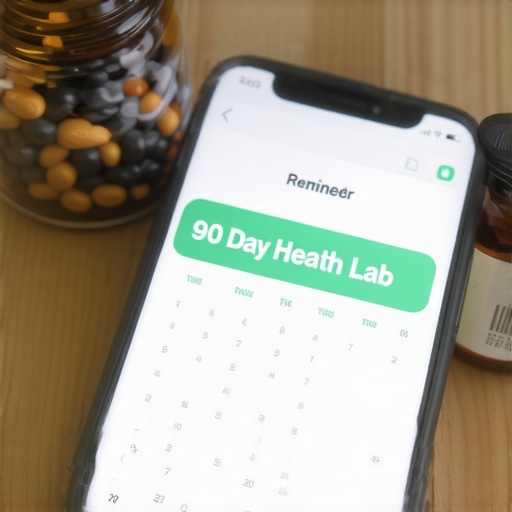 When I finally went back for my first 90-day check, I realized I had been doing it all wrong. I took my iron pill with a massive cup of coffee right before the blood draw. My results were skewed because the caffeine blocked the absorption right as the needle went in. Now, I tell everyone: fast if your doctor suggests it, and stay away from anything that interferes with iron for at least 24 hours before your appointment. This is your roadmap to clearer diagnosis.
Use video visits to pivot when things are not working
If you get your results back and the numbers have not budged, do not just double the dose. That is a recipe for a stomach ache and zero progress. Instead, book a quick virtual consultation. Exploring the benefits of telehealth in managing chronic wellness showed me that I could talk to a provider about my results without driving across town. During one ten-minute call, a practitioner noticed that my intense gym routine was actually working against me. She pointed out the specific blood markers that indicate you are overtraining your heart, which was keeping my inflammation high and my iron absorption low.
Fix the underlying absorption issues
If the iron is not sticking, the problem might be your gut, not the pill. You can try 3 moves to improve your gut health without buying expensive trendy supplements, like adding Vitamin C-rich foods to your supplement routine or spacing out your calcium intake. I once spent a fortune on boutique iron only to realize my stomach acid was too low to break it down. It was not until I adjusted my timing and habits that I saw my ferritin climb. Also, keep an eye on your stress; learning how to interpret a high cortisol result without the panic is key, because high stress can wreak havoc on how your body processes nutrients.
We have all been there: you get your results back, the doctor says everything is ‘within normal range,’ yet you still feel like you’re walking through waist-deep water. This is the biggest nuance in modern medicine that most people miss. The ‘normal’ range on a lab report is not a target for optimal health; it is simply a statistical average of the population, which includes a lot of people who aren’t actually feeling great. When I finally stopped settling for ‘normal’ and started aiming for ‘optimal,’ my entire perspective shifted. This is how lab tests can detect hidden health risks early in your wellness pathway—by looking at the trends, not just the checkboxes.
The trap of the ‘reference range’
Most patients don’t realize that according to the American Association for Clinical Chemistry (AACC), reference intervals are typically calculated from the central 95% of a ‘healthy’ population. This means you could be sitting in the bottom 5% of that range—technically ‘normal’—while your body is screaming for help. I spent years in that bottom 5% because I didn’t know why regular lab tests are critical for your wellness journey. I thought as long as there wasn’t a red flag on the paper, I was fine. But a red flag is a late-stage signal. You want to catch the dip long before the flag appears. 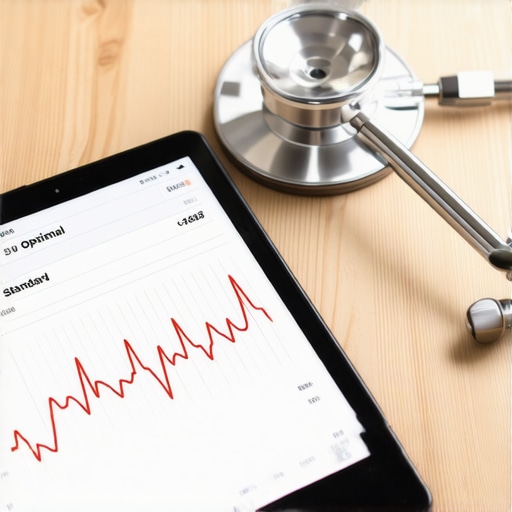
Does your lab report tell the whole story or just the average one?
If you are an advanced biohacker or even just someone who has been sick for a while, you need to ask your provider for the ‘functional’ or ‘optimal’ ranges. This is especially true for things like ferritin, Vitamin D, and B12. A common ‘oops’ factor is assuming that once your levels hit the bottom edge of the range, you can stop your protocol. That is a mistake. I learned that understanding the role of lab tests in preventive wellness requires a long-term view. If you stop the moment you hit the ‘normal’ mark, you have no buffer for stress, illness, or physical activity. You are essentially living paycheck-to-paycheck with your health markers.
Use technology to find the gaps in your care
One of the most effective ways to manage this nuance is through virtual check-ins. Telehealth insights: the future of accessible healthcare services means you can have a deep-dive conversation about these nuances without the pressure of a crowded waiting room. It allows for a more analytical approach where you can discuss how your lifestyle is actually impacting your data. For example, many people don’t realize that their immune status affects their nutrient absorption. I was shocked to find out that vaccinations myths busted what you need to know in 2025 include the fact that maintaining a strong immune system is a prerequisite for your body to properly utilize the iron and vitamins you’re taking. If your body is constantly fighting off low-grade issues, it won’t prioritize storing iron in your ferritin tanks. Have you ever fallen into this ‘normal range’ trap? Let me know in the comments. It’s time we stop settling for ‘not sick’ and start demanding ‘truly well.’
Build a health stack that runs on autopilot
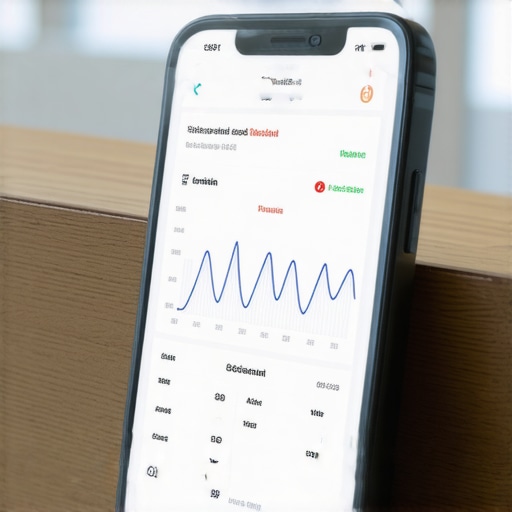
I’ve found that the best way to keep these numbers from slipping is to treat my health like a business dashboard. I don’t just rely on the portal my doctor uses. I maintain a personal digital log where I track my ferritin, B12, and Vitamin D3 levels alongside my heart rate variability data. This allows me to see a crash coming weeks before I actually feel the fatigue. To stay ahead of the curve, you have to unlock the power of telehealth for fast convenient wellness access whenever you see a downward trend in your data. It’s about being proactive rather than reactive with your biology.
How do I maintain my energy levels over time?
Maintenance isn’t just about the next pill; it’s about the environment your cells live in. This includes staying current on your protection. I’ve realized that the essential lab tests you need for accurate vaccination planning are just as important as the iron panel itself. If your immune system is distracted by a low-grade viral threat because you’re behind on a booster, your body will sequester iron away from your blood to prevent the invader from using it. To avoid this, boost your immunity with expert vaccination tips so your body can focus on energy production rather than constant defense.
I also strictly follow the Co-factor Rule. I never take iron without a dedicated source of Vitamin C and I avoid calcium for four hours on either side of my dose. Dr. Rhonda Patrick, a leading expert in nutritional science, has highlighted how the presence of certain polyphenols in coffee can inhibit iron absorption by up to 90%. This is why I wait at least two hours after my morning brew before even looking at my supplement cabinet.
Home testing is about to get a major upgrade
Looking ahead, I predict we are less than five years away from widespread, at-home mass spectrometry. We won’t just be testing if we are low; we will be testing how our specific DNA interacts with different iron forms in real-time. Until then, you should maximize your health combining vaccinations and lab testing strategies to create a wall of resilience that doesn’t crumble the moment you have a stressful month. My challenge for you: Go back to your lab results from the last year. Don’t just look at the most recent one—look at the trajectory. If your numbers are trending down, even if they’re still ‘normal,’ book a virtual consult today to pivot before you hit the wall.
Three Myths That Kept Me Feeling Like a Zombie
Reflecting on my journey, I realize how much time I wasted by following ‘standard’ advice that didn’t account for my unique biology. First, I ignored the timing of my supplements, not realizing that my morning caffeine habit was basically a chemical wall for iron absorption. Second, I thought the symptoms would just vanish overnight; in reality, it takes a full cellular cycle to feel like a new person. Finally, I didn’t realize that why regular lab tests are critical for your wellness journey was the single most important lesson I would ever learn. Without data, I was just a person with a drawer full of expensive pills and a lot of frustration. [IMAGE_PLACEHOLDER]
My Personal Energy-Restoration Toolkit
If you want to move the needle faster, you need better tools. I personally rely on Cronometer to track my micronutrients and ensure I am hitting my Vitamin C targets to aid absorption. I also frequently check in with FoundMyFitness by Dr. Rhonda Patrick for the latest peer-reviewed science on mineral transport. When I need a professional pivot without the commute, I use telehealth innovations: how virtual care is changing wellness to get expert feedback on my latest bloodwork results. This combination of diligent tracking and accessible care is what finally broke my cycle of afternoon fatigue.
Step Out of the Fatigue Loop for Good
You do not have to live in a state of perpetual ‘almost-well.’ By taking control of your data and refusing to settle for ‘just okay’ results, you are reclaiming your future. Whether it is through a follow-up panel or a virtual consultation, the next step is yours to take. Remember, how lab tests can detect hidden health risks early in your wellness pathway is about more than just numbers on a screen; it is about having the energy to live the life you actually want. If you have questions about your specific protocol, feel free to contact us for more guidance.
Have you ever had a lab result come back ‘normal’ while you still felt completely exhausted? Let me know in the comments below—I would love to hear how you handled it.