
How to manage chronic back pain using remote sessions

I still remember the specific Tuesday morning my back finally gave out. I wasn’t doing anything heroic; I was just reaching for the coffee pot. Suddenly, a lightning bolt of white-hot pain shot from my lumbar straight down to my heel, and I found myself staring at the kitchen floor tiles, unable to move. For years, I believed that managing this kind of chronic agony required a physical presence—a waiting room, a sterile table, and someone’s hands on my spine. I’d spend forty minutes driving to a clinic, which is absolute torture for a flared nerve, only to sit on a stiff plastic chair for another twenty. By the time I saw a professional, my body was so guarded from the commute that we weren’t even treating my baseline pain anymore; we were treating the stress of just getting there. I felt trapped in a cycle of ‘travel to get help’ making the ‘need for help’ even worse.
Stop Waiting for an Office Visit to Start Feeling Better
I’ll be honest: I made a huge mistake early on. I assumed that if I wasn’t being physically manipulated, the treatment wasn’t ‘real’ medicine. I wasted months waiting for specialist openings while my world shrunk to the size of my recliner. Then I had my lightbulb moment. I realized that managing chronic wellness through telehealth wasn’t just a fallback for a pandemic—it was actually the superior way for me to heal. When I finally shifted to remote sessions, the focus moved from what a doctor could do to me, to what I could do for myself in the environment where I spend 90% of my time. Today, I want to show you exactly how to bypass the traffic and the waiting rooms to reclaim your mobility from your own living room. We are going to solve the logistics of your recovery so you can focus on the actual healing. Have you ever felt like the sheer effort of getting to a doctor’s appointment was actually making your physical symptoms worse?
Does a Computer Screen Really Help with Real Pain?
It sounds a bit crazy, doesn’t it? How can a therapist across a Zoom call fix a herniated disc or a spasming muscle? I was the biggest skeptic in the room until I saw the data. An authoritative study published in the Journal of Bone and Joint Surgery found that telerehabilitation for musculoskeletal conditions can produce clinical outcomes that are equal to, or sometimes better than, traditional in-person visits. The secret isn’t in a magic touch; it’s in the expert observation of your movement patterns in your natural habitat. Instead of a referral that takes months to process, you can find the fastest way to get a specialist referral for joint pain through a virtual consult, getting you to the right person in days rather than weeks. I quickly learned that virtual physical therapy can fix issues like tech neck and chronic lower back strain by teaching you how to interact with your specific desk, your specific chairs, and your specific daily habits. It turns out, your home isn’t just where the pain happens—it’s the best place to fix it.
Build Your Home-Based Recovery Command Center
Transitioning to virtual care is like learning to drive a car—once you understand the mechanics, you realize the freedom it gives you. The first thing you need to do is stop viewing your laptop as a screen and start viewing it as a diagnostic tool. To make this work, you have to provide the data that a doctor usually gets from their own machines. This starts with objective numbers. I found that why regular lab tests are critical for your wellness journey isn’t just about catching disease; it is about giving your virtual provider a map of your internal chemistry before you even say hello.
Get Your Numbers Before the Call
Think of lab results as the ‘pre-game’ for your appointment. When I was struggling with crushing exhaustion alongside my back pain, I didn’t just tell my doctor I was tired. I showed up with data. Understanding why a full metabolic panel is better than a basic blood draw for fatigue changed my entire treatment plan. Instead of guessing, we saw my markers were off, and we fixed it with a targeted nutrition plan rather than just more rest. You should also ensure you are up to date on preventative measures; using personalized vaccination schedules for better disease prevention ensures your immune system isn’t a secondary source of inflammation while you are trying to heal a physical injury.
Setting the Stage for an Accurate Virtual Exam
I remember my first telehealth physical therapy session. I had my laptop balanced precariously on a stack of cookbooks on a low coffee table. When the therapist asked me to do a side-bend to check my lumbar mobility, I accidentally swiped a heavy ceramic mug right off the table. It shattered, but as we both looked at the floor through the camera, the therapist didn’t just see the mess—he saw that my ‘ergonomic’ chair was actually three inches too low for my height. That one observation did more for my back than three months of generic office stretches. 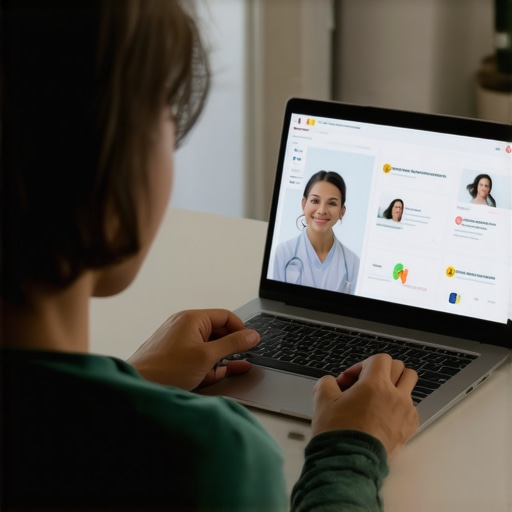 To avoid my mistake, set your camera at eye level and ensure the room is brightly lit. You are unlocking the power of telehealth for fast, convenient wellness access by letting the professional see how you actually move in your daily life.
Why Your Environment is the Real Lab
The biggest advantage of staying home is that you can how to fix your posture during a long workday to avoid chronic neck pain in the very spot where the pain starts. During a session, I literally walked my phone over to my kitchen sink to show my therapist how I stood while washing dishes. We realized I was locking my knees and shifting all my weight to the left. You can’t replicate that ‘real-world’ data in a sterile clinic. By showing your provider your actual environment, they can give you ‘micro-adjustments’ to your habits that provide cumulative relief. It is about turning your living space from a place where you suffer into a place where you actively rehabilitate.One of the biggest misconceptions I see—and I fell for it too—is the idea that a single ‘clean’ blood panel means you are in the clear for the next 365 days. We treat our health like a car inspection, but biology is a moving target. In fact, why your annual physical should not be your only health check becomes obvious when you realize that markers like fasting glucose or cortisol can shift dramatically based on yesterday’s stress or last night’s meal. If you only look at the data once a year, you are seeing a single frame of a movie and trying to guess the whole plot. Experts at the Mayo Clinic often emphasize that longitudinal data—tracking trends over time—is far more predictive than a single snapshot.
Why are my ‘normal’ lab results still leaving me feeling exhausted?
This is where the nuance of ‘functional’ ranges comes in. Most labs flag results based on a broad average of the population, which includes a lot of people who are already quite sick. I spent months being told my iron was ‘fine’ because it was at the bottom edge of the range. I eventually learned why your ferritin levels explain that constant brain fog and that ‘normal’ is not the same as ‘optimal.’ 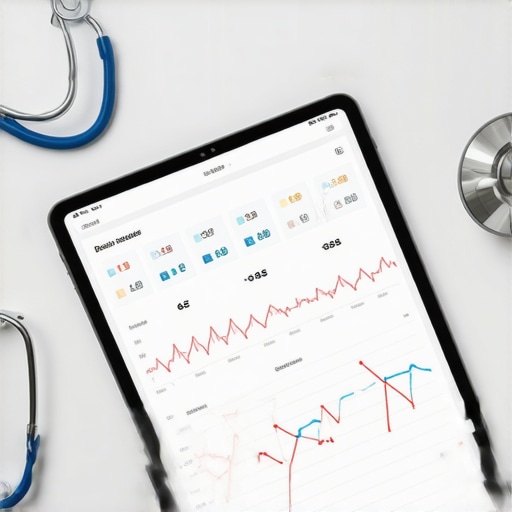 A major ‘oops’ factor to avoid is failing to realize why your vitamin B12 results might be misleading if you take certain supplements; high doses of biotin, for instance, can interfere with common lab assays, giving you a false sense of security while your nerves are actually suffering.
Don’t Let Lab Averages Gaslight Your Wellness
The same applies to our defense systems. Many people think they are ‘fully vaccinated’ because they finished their childhood series, but vaccinations myths busted what you need to know in 2025 show us that immunity wanes. For example, why adult tetanus boosters are more important than you think is not just about rusty nails; it is about maintaining the baseline protection your body needs as it ages. We need to stop viewing these as checkboxes and start seeing them as understanding lab tests your roadmap to clearer diagnosis. Don’t let a generic report dictate your reality. You might find the one marker that proves your healthy diet is actually causing inflammation even if your standard cholesterol looks great. Have you ever fallen into this trap where a doctor told you ‘everything is normal’ but you knew deep down something was off? Let me know in the comments.Moving beyond the initial shock of a health scare requires a system, not just a one-time fix. I transitioned from being a passive patient to an active health manager by building what I call my Wellness Dashboard. It is about more than just owning a thermometer; it is about using the right tech to ensure I never end up back on that kitchen floor.
The Three Tools I Use to Stay Out of the Clinic
I started with a high-quality Bluetooth blood pressure cuff. I used to get ‘white coat hypertension’ where my numbers would spike just because a nurse was staring at me. By using the 10 minute trick for lower blood pressure readings at home, I can give my doctor a monthly average that actually represents my life, not just my anxiety. I also swear by a high-end sleep tracker. I realized that what your sleep tracker is actually telling you about your heart health is often more accurate than a once-a-year EKG because it tracks my heart rate variability every single night. Finally, I keep a digital folder of my immunization history. Instead of calling my mom or my old high school, knowing how to track down old vaccine records for a new job or travel became a five-minute task rather than a week-long headache. 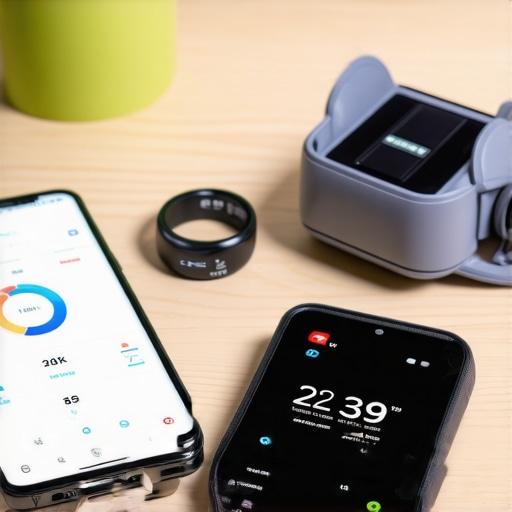
How do I keep these wellness gains from slipping away?
Maintenance is where most people fail because they stop when the pain stops. I treat my health like a subscription service. I schedule ‘data reviews’ every quarter. This isn’t a full exam; it is a quick touchpoint to see the easiest way to manage heart health markers between scheduled doctor visits. If I feel a dip in energy, I don’t guess—I check the labs you need to check if you are constantly cold or fatigued. This proactive approach is why wellness checks are your first step to better health at 945 am or whenever you can fit them in. By catching the hidden lab markers that show the first signs of physical burnout before I actually crash, I save myself months of recovery time. Dr. Eric Topol, a pioneer in digital medicine and author of The Creative Destruction of Medicine, argues that we are moving toward a world where ‘the patient will see the doctor now’—meaning we hold the power and the data. I’ve seen this firsthand; revolutionizing wellness how telehealth transforms personal care means the doctor becomes a consultant for the data I provide, rather than a gatekeeper I have to beg for help.
AI and Wearables are the Next Frontier
In the next few years, I predict we will see real-time nutrient tracking through wearable patches. We won’t have to wonder how lab tests can detect hidden health risks early in your wellness pathway because we will see our glucose and cortisol levels fluctuating on our smartwatches in real-time. We are moving from ‘sick care’ to ‘true healthcare.’ If you want to start today, my best tip is to book a ‘baseline’ telehealth consult just to review your last six months of wearable data. Stop waiting for something to break before you start fixing it.
The Shift From Passive Patient to My Own Health CEO
The biggest lightbulb moment for me wasn’t realizing that telehealth worked; it was realizing that I was the one who had to drive the bus. When you stop waiting for a doctor to ‘find’ something wrong and start using tools to keep things right, the entire power dynamic shifts. I’ve learned that understanding the role of lab tests in preventive wellness is like having a weather app for your body—you can see the storm coming long before it hits. Also, I realized that telehealth innovations how virtual care is changing wellness in 639 am or any hour of the day means that professional advice is always closer than the nearest pharmacy. My three major takeaways are simple: data is your best friend, your environment is your best therapist, and proactive habits are your best medicine. Transitioning to this mindset means you no longer fear the lab report; you use it as a map to navigate your way back to peak performance.
My Daily Tech Stack for Staying Out of the Doctor’s Office
I rely on a few non-negotiables to keep my health on track without needing to step foot in a clinic. First, I use a high-quality blood pressure monitor paired with an app to track trends over months, not just days. Second, I follow boost your immunity with expert vaccination tips in the afternoon at 454 pm to ensure my defense system is always primed against seasonal threats. Third, I maintain a digital health folder where I store every single PDF of my labs. #IMAGE_PLACEHOLDER_E# I trust these tools because they remove the guesswork that leads to anxiety. Instead of wondering if my supplements are actually absorbing or if my stress levels are impacting my heart, I have the numbers to prove my progress and adjust my course in real-time.
Your Living Room Is the New Frontier of Healing
Reclaiming your health doesn’t require a marathon or a medical degree; it just requires the willingness to try a new way of connecting with care. The telehealth insights the future of accessible healthcare services are here to stay, and they are designed to put you back in the driver’s seat of your own life. By leveraging virtual physical therapy and consistent lab monitoring, you can build a lifestyle that prevents the crash before it happens. Don’t wait for a physical breakdown to start caring for your wellness. Have you ever struggled with getting a clear answer from your lab results? Let me know below.