
Why your annual physical should not be your only health check
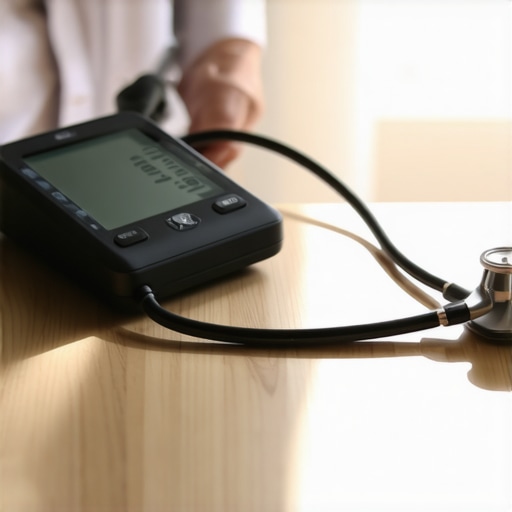
I sat on that crinkly paper table three years ago, nodding as my doctor told me my numbers looked great. I felt like garbage, but the annual physical had given me a clean bill of health. I didn’t want to be the difficult patient, so I went home and spent another six months dragging myself through the day before I realized that waiting for a once-a-year appointment is a dangerous way to manage your life. We often treat our health like a car inspection—something to check off the list and forget for twelve months. But your body is a dynamic, living system that does not operate on a calendar. If you are only looking at your stats once a year, you are missing the warning signs that pop up in the other 364 days. Today, I want to share why why wellness checks are your first step to better health, but also why they cannot be your only step. We are going to solve the problem of reactive health and move into a world where you actually know what is happening inside your veins in real-time. Have you ever walked out of a physical feeling like your concerns weren’t actually heard because the basic blood work was labeled normal?
Your Body Changes Faster Than Your Calendar
One of the biggest mistakes I made early on was assuming that a standard lipid panel told the whole story of my heart health. I was wrong. I was focused on the surface-level data while ignoring the specific blood marker that flags silent inflammation. According to the CDC, chronic diseases are responsible for 7 out of 10 deaths in the U.S., and many of these conditions fluctuate significantly throughout the year. A single blood draw in October cannot tell you if your stress levels in April are wrecking your metabolic health.
Is a yearly checkup actually enough to keep me safe?
Skepticism is healthy here. You might wonder if checking in more often is just overkill. However, when I finally stopped guessing and started using the role of lab tests in preventive wellness, I discovered that my exhaustion wasn’t just ‘getting older.’ It was a specific deficiency that my annual checkup didn’t even screen for. For instance, many people don’t realize why your ferritin levels explain that constant brain fog until they advocate for more detailed testing. By integrating telehealth insights into your routine, you can address these issues the moment they arise rather than waiting for your next scheduled anniversary. We are moving away from the ‘wait and see’ model and toward a ‘know and act’ strategy.
Stop Guessing and Start Testing Your Real Markers
Think of your health data like a flight dashboard. You wouldn’t want a pilot who only checks the fuel gauge every six hours during a cross-country trip. Yet, that is exactly what we do when we rely solely on an annual physical. To actually take control, you need to look at the ‘engine’ while it is running. This starts with moving beyond the bare minimum. I remember a few years ago when I was constantly wired yet exhausted; I assumed it was just the stress of my job. Instead of waiting for my October checkup, I ordered a specific test and had to learn how to interpret a high cortisol result without the panic. Seeing the data in black and white allowed me to adjust my lifestyle in May, rather than crashing by December. If you are struggling with persistent tiredness, why a full metabolic panel is better than a basic blood draw for fatigue becomes immediately clear once you see the granularity of the data.
The Full Metabolic Panel Advantage
A standard blood draw often misses the nuances of how your organs are actually processing nutrients. You want a roadmap, not a polaroid. By utilizing why regular lab tests are critical for your wellness journey, you can spot trends in your blood sugar or liver enzymes before they cross into the ‘danger’ zone on a lab report. 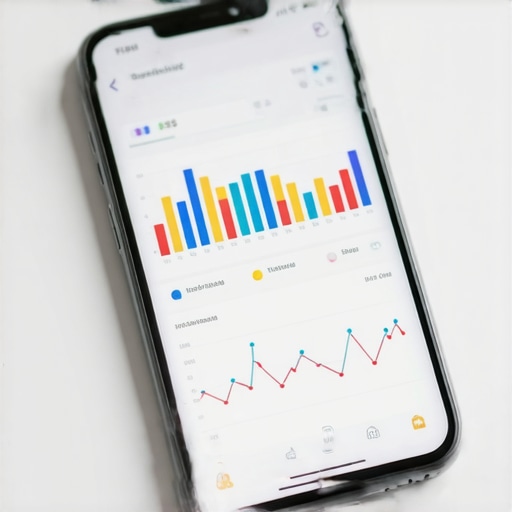
Ditch the Waiting Room for Instant Virtual Care
The biggest hurdle to proactive health is usually the friction of the doctor’s office. The traffic, the stale magazines, and the exposure to everyone else’s germs make us procrastinate. This is where telehealth innovations change the game. You can now bridge the gap between those big annual visits by checking in with a professional from your living room. I’ve found that the easiest way to manage heart health markers between scheduled doctor visits is to have a ten-minute video sync to review mid-year blood work. It turns a massive, stressful event into a manageable habit. If you are dealing with a sudden issue, like a flare-up, you can even find the fastest way to renew an asthma inhaler on a holiday weekend without stepping foot in an ER.
Make Your Immune System Proactive
We often view shots and boosters as a childhood chore, but adult immunity is a moving target. To do this right, you should maximize your health by combining vaccinations and lab testing strategies. For example, knowing your current antibody levels via a simple lab test can tell you exactly when you actually need a booster, rather than just guessing based on the last time you had a sore arm. This is especially vital when you realize why adult tetanus boosters are more important than you think as we get older and more active outdoors. By integrating these virtual check-ins and targeted labs, you create a safety net that catches issues while they are still small enough to fix with a lifestyle change rather than a prescription.One of the most dangerous myths in modern medicine is the idea that ‘normal’ means ‘optimal.’ I have seen countless patients who were told their results were fine, yet they could barely crawl out of bed. The truth is that lab reference ranges are often based on a bell curve of the general population—a population that, statistically, is increasingly sedentary and metabolically unhealthy. If you are being compared to the average person, you are being compared to a standard that isn’t particularly high. To truly thrive, you need to be understanding lab tests as a personal baseline rather than a pass/fail grade.
The ‘Normal’ Range is Often an Average of Sick People
When you get a lab report, those brackets next to your numbers represent the middle 95% of the people who used that specific lab recently. Think about who is usually at a lab: people who are already managing symptoms or illness. According to a study in the *Journal of Laboratory Medicine*, these reference intervals can vary significantly between facilities, meaning you could be ‘normal’ in one city and ‘at-risk’ in another. This is why I always tell my community to look for trends rather than snapshots. For instance, why your fasting insulin matters more than your a1c is a prime example of a marker that can show trouble years before a standard test flags you as pre-diabetic. If you wait for the red ‘H’ or ‘L’ to appear on your portal, you’ve already missed the window for easy prevention.
Stop Taking These Supplements Before Your Blood Draw
Here is the ‘oops’ factor that almost no one warns you about: your morning routine might be sabotaging your data. If you are taking high-dose Biotin or B-complex vitamins, you can end up with wildly inaccurate results for thyroid function or even heart attack markers. I have seen people panic over a potential hyperthyroid diagnosis simply because they didn’t know why your vitamin B12 results might be misleading when combined with specific supplements. Always fast and hold your supplements for at least 24 to 48 hours before a draw unless your provider tells you otherwise. 
Does my ‘normal’ result mean I am actually healthy?
Not necessarily. A sophisticated approach to wellness requires looking at the ratio between markers. For example, your total cholesterol might look fine, but why a standard lipid panel isn’t enough becomes clear when you look at the size and density of those particles. The same applies to immunity; people often assume their childhood shots cover them forever, but vaccinations myths busted in recent clinical reviews show that adult immunity wanes faster than we thought. Whether it is getting a shingles shot or checking your titers, proactive data is your best defense. Have you ever fallen into the ‘but my labs were normal’ trap while still feeling terrible? Let me know in the comments. By leveraging telehealth for fast wellness access, you can review these nuances with an expert who looks at the person, not just the paper.Building a Personal Health Dashboard That Actually Works. Once you stop treating your health like a once-a-year event, the next challenge is managing the data without feeling like you have a second job. I personally use a simple color-coded digital spreadsheet to track my markers over time because hospital portals are notoriously bad at showing five-year trends. By looking at the trajectory of your results, you can see if your lifestyle changes are actually moving the needle. I’ve found that how to use clinical lab data to stop guessing about your weight loss plateaus becomes much easier when you can compare your fasting insulin and thyroid markers side-by-side from the last three years. If you are serious about maintenance, you need to be the primary architect of your own records.
How do I stay on top of these tests year after year?
Maintenance is about rhythm, not intensity. I recommend setting a ‘Health Audit’ on your digital calendar every six months. This isn’t just for blood work; it is also the perfect time to review your personalized vaccination schedules for better disease prevention. As we age, our immune memory fades, and staying updated isn’t just about the flu; it’s about ensuring your boosters for things like Tdap or Shingles are still providing the protection you expect. By using the essential lab tests you need for accurate vaccination planning, you can actually test your titers to see if you even need a shot before you get one.  Ditch the Paper Folders for Digital Integration. To scale this effectively, you need tools that talk to each other. I recommend utilizing telehealth innovations to have a dedicated ‘data review’ twice a year. This is where you sit down with a provider virtually to discuss the ‘why’ behind the numbers. This proactive approach is how how lab tests can detect hidden health risks early in your wellness pathway before they manifest as symptoms. According to the Journal of Clinical Chemistry, the intra-individual biological variation of certain markers can be significant, meaning a single result is often less important than your personal ‘rolling average.’ I predict that in the next five years, we will see AI-integrated dashboards that automatically flag when your data deviates from your unique baseline, making the old ‘standard reference range’ obsolete. To get started today, my top tip is to request a copy of your last three years of labs and input the ‘Big Five’—Glucose, HbA1c, LDL, HDL, and Ferritin—into a single document. You’ll be shocked at the patterns that emerge when the data is finally in your hands. Revolutionizing wellness through telehealth means you never have to guess about these trends again.
Why I Stopped Chasing ‘Normal’ and Started Chasing ‘Optimal’
Looking back at my journey, the most profound shift happened when I realized that being ‘within range’ was the bare minimum for survival, not the blueprint for thriving. Here are the lightbulb moments that changed everything for me:
- The trend is your best teacher. A single high glucose reading might be a bad night’s sleep, but a three-year upward creep is a warning shot. You can only see these patterns when you stop looking at your labs as isolated incidents and start viewing them as a continuous story.
- Telehealth is for strategy, not just emergencies. I used to think video calls were just for when I had a fever or a sinus infection. Now, I use telehealth to manage chronic wellness, treating these sessions as strategy meetings for my long-term longevity.
- Immunity is a moving target. Thinking a shot I got as a child is still doing the heavy lifting was a mistake. I’ve learned that checking your titers and staying current with expert vaccination tips is the only way to ensure your shield is actually up as you age.
My Essential Wellness Dashboard
To keep everything organized without losing my mind, I rely on a few specific tools and habits that help me stay ahead of the curve. If you want to move from passive patient to active health manager, consider these resources:
- The Personalized Spreadsheet: I maintain a simple digital file where I track my top five markers. This allows me to optimize my diet based on lab markers, making adjustments in real-time rather than waiting for a doctor to tell me something is wrong.
- Direct Telehealth Connectivity: I keep a link to a provider who understands proactive care. Using telehealth for fast wellness access means I can get a professional opinion on a weird lab result before the anxiety has time to set in.
- Academic Aggregators: I trust sources like PubMed and clinical research journals for the ‘why’ behind new recommendations, which helps me cut through the marketing noise of the supplement industry.
#IMAGE_PLACEHOLDER_E#
Your Health is Not a Yearly Event
The crinkly paper table is fine for a check-in, but your life happens in the thousands of hours between those appointments. By taking ownership of your data and utilizing the convenience of virtual care, you stop being a passenger in your own biology. Your wellness isn’t something that is granted to you by a lab report; it is something you build, test, and refine every single day. Don’t be afraid to ask for the extra test, to seek a second opinion via video, or to challenge a result that doesn’t align with how you feel. You are the only person who lives in your body—act like the CEO. Have you ever felt like your ‘normal’ lab results didn’t match how you actually felt? Let me know in the comments below.