
How to optimize your diet based on your specific genetic lab markers
I spent three years eating “clean” while feeling absolutely miserable. Every morning started with a kale smoothie that, quite frankly, tasted like a lawnmower bag, yet I was still struggling with persistent brain fog. I was following all the rules, but my body was staging a full-scale protest. It was only after I finally dug into my specific genetic markers that I realized my “healthy” habits were actually working against my unique biology. Today, we are going to stop the guesswork and figure out exactly how you can use your own lab data to build a diet that actually works for you, not some fitness influencer’s template.
Stop Guessing What to Eat Based on Trends
[image_placeholder_1]
We’ve all been there—trying the latest keto or vegan craze because a friend lost ten pounds, only to find ourselves bloated and exhausted. The mistake I made early on was assuming that human bodies are all basically the same engine. I ignored why a full metabolic panel is better than a basic blood draw for fatigue and just kept pushing. The reality is that your genes dictate how you process fats, carbohydrates, and even specific vitamins. When you ignore those markers, you’re basically trying to run a diesel engine on premium unleaded. Have you ever felt like your “healthy” diet was actually making you feel worse? I’d love to hear if you’ve hit that same wall.
Does My Genetic Data Actually Matter for Lunch?
I get the skepticism. It sounds like a lot of hype. But the science is catching up fast. According to research published in the Journal of Nutrigenetics and Nutrigenomics, individuals who receive DNA-based dietary advice show significantly better long-term adherence and health outcomes than those following general guidelines. It isn’t just about weight; it’s about why your morning smoothie might be causing your 3 pm slump. When I looked at my markers for methylfolate processing, I realized my “healthy” greens weren’t being absorbed correctly. I wasn’t failing the diet; my diet was failing my DNA.
The Moment My Lab Results Changed My Plate Forever
That lightbulb moment happened in a tiny exam room. My doctor pointed to a specific marker and explained why my high-protein, high-fat breakfast was the reason for my sluggishness. It turns out, understanding the role of lab tests in preventive wellness is like getting the owner’s manual for your own body. I stopped guessing and started testing. If you’ve been relying on general advice without actually seeing your numbers, you’re only getting half the story. Let’s look at how we can bridge that gap using telehealth insights and targeted testing to finally feel good again.
Dump the Basic Blood Draw for a Full Metabolic Map
Think of a standard blood test as a quick glance at your car’s gas gauge. It tells you if you’re empty, but it doesn’t tell you if the spark plugs are fouled or the fuel injectors are clogged. To actually change how you feel, you need a deeper dive. This is why a full metabolic panel is better than a basic blood draw for fatigue. When I first started this journey, my ‘basic’ labs were always fine, yet I felt like I was walking through wet cement every afternoon. It wasn’t until I looked at understanding lab tests as your roadmap to a clearer diagnosis that I saw the red flags my previous doctors missed. You have to advocate for the ‘deep cut’ markers, not just the radio hits.
Why Your Fasting Insulin Tells a Better Story Than A1C
Most people obsess over their A1C, but that’s a lagging indicator—it tells you what’s been happening over the last three months. If you want to know what’s happening now, you need to look at fasting insulin. I’ve seen so many people struggle with weight despite eating ‘low carb,’ and often it’s because their insulin levels are chronically high, effectively locking their fat cells. In fact, why the fasting insulin test matters more than A1C for weight loss is one of the most overlooked concepts in modern nutrition. Before you commit to another restrictive diet, try 7 moves to lower your fasting glucose based on your actual insulin sensitivity.

The Truth Hidden in Your Liver Enzymes
I remember staring at my results and seeing my GGT—a specific liver enzyme—was creeping up, even though I rarely drink. I was shocked. My ‘clean’ diet was actually overloading my liver with too much fructose from fruit-heavy smoothies. This is a prime example of the one liver enzyme most doctors ignore until it’s too late. If I hadn’t checked, I would have kept stressing my system while wondering why my morning smoothie was causing a 3 pm slump. Always check your baseline; why you should check your iron status before changing your diet is another critical step to ensure you aren’t fueling a fire you didn’t know was burning.
Connect With a Provider From Your Own Couch
The biggest hurdle for most of us is the logistics. Taking a half-day off work to sit in a waiting room is a non-starter. This is where unlocking the power of telehealth completely changed my approach. I can now review my markers with a specialist via a video call during my lunch break. Whether you are looking for the 5-minute virtual move for getting your prescriptions refilled or trying to interpret complex genetic markers, the digital shift makes it possible. It turns the ‘manual’ process of wellness into something as simple as checking your email, allowing you to focus on the execution rather than the commute.
The biggest lie we are told in modern medicine is that “normal” labs mean you are healthy. I can’t tell you how many times I’ve looked at a patient’s charts—or my own—where everything was within the reference range, yet the person was clearly suffering. This is exactly why your lab results come back normal while you still feel like trash. The “normal” range is a statistical average of the general population, and let’s be honest, the average person today isn’t exactly the picture of vitality.
Is Your Reference Range Actually Keeping You Sick?
When you look at your blood work, you’re being compared to a bell curve that includes everyone from elite athletes to people with undiagnosed chronic illness. For example, the standard range for B12 or Vitamin D is often set just high enough to prevent severe disease, but nowhere near high enough for you to actually thrive. According to research published in the Journal of Clinical Endocrinology & Metabolism, the gap between “not diseased” and “optimal function” is where most of our daily symptoms live. This is why regular lab tests are critical for your wellness journey; you need to track your own data over time to find your personal baseline, not just the lab’s generic one. Have you ever been told you’re “fine” by a doctor only to feel anything but? Let me know in the comments if you’ve ever fallen into that trap.
Stop Taking Supplements Before You Check These Numbers
The “oops” factor I see most often is supplement shot-gunning—taking a handful of pills because you saw a TikTok about cortisol or brain fog. But if you don’t know your baseline, you’re just guessing with your health. For instance, the one nutrient you’re missing for better sleep quality might actually be inhibited by another supplement you’re taking.  I once spent months taking high-dose zinc only to find out I had driven my copper levels into the floor, which was the real cause of my fatigue. Always test, never guess. Even something as routine as maximizing your health by combining vaccinations and lab testing strategies requires a nuanced look at your inflammatory markers. If your system is already red-lined from silent inflammation, your body’s response to any wellness protocol will be less than ideal.
The Telehealth Trap to Avoid During Result Reviews
While I love the convenience of digital care, a common mistake is using a provider who simply reads you the numbers without context. You need a partner who looks at the interplay between your thyroid and your iron status, or your insulin and your liver health. Use telehealth innovations to find specialists who actually understand functional ranges. It’s the difference between a mechanic who tells you the check engine light is on and one who actually knows how to tune the engine. By identifying the essential lab tests you need for accurate vaccination planning and metabolic health, you stop being a passive patient and start being an active manager of your own biology.
The Gear That Keeps My Lab Results in the Green
Once you stop flying blind, you need a way to keep the lights on. I don’t just wait for my annual checkup anymore; I’ve built a personal health dashboard that tracks the variables that actually matter. I personally use a combination of a wearable Oura ring for sleep architecture and a synced data aggregator to watch my trends. This isn’t about being obsessed with numbers; it’s about seeing the specific markers that prove your exercise routine is actually working before you burn out. When my heart rate variability (HRV) drops for three days straight, I know I’m overreaching, and I adjust my intensity before my blood work starts showing signs of systemic inflammation. 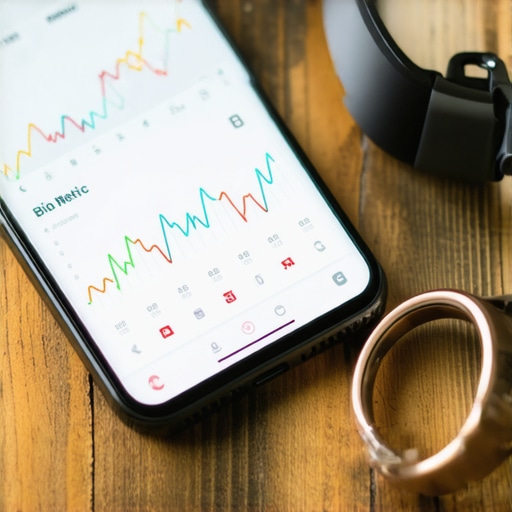
How Can I Keep These Results Stable for Decades?
Maintenance is where most people fall off the wagon. They get a good lab report and think they’ve ‘solved’ health. I treat my biology like a high-performance aircraft—it requires scheduled maintenance, not just emergency repairs. This is why regular lab tests are critical for your wellness journey. I’ve set a recurring calendar alert every six months to check my metabolic baselines. This consistency allows me to see if my dietary shifts are actually working or if I’m just spinning my wheels. If you are managing long-term issues, exploring the benefits of telehealth in managing chronic wellness is the only way to stay consistent without the friction of traditional office visits. It’s much easier to stick to the plan when the doctor is in your pocket.
Predicting the End of the Yearly Physical
We are rapidly moving toward a world of ‘High-Definition Medicine.’ According to a 2023 report in Nature Medicine regarding the ‘Internet of Medical Things’ (IoMT), the integration of wearable sensor data with clinical-grade lab tests reduces diagnostic errors by up to 35% in chronic care settings. I believe within five years, the ‘yearly physical’ will be dead, replaced by continuous monitoring that flags issues weeks before symptoms appear. This includes maximizing your health by combining vaccinations and lab testing strategies to ensure your immune system is actually primed for protection, rather than just checking a box. We are moving from reactive medicine to proactive optimization. If you haven’t looked at 7 markers in your blood work that actually predict longevity, you’re missing the chance to influence your future self today.
My best advice for scaling your wellness is to start with the low-hanging fruit. Don’t try to change fifty things at once. Use 7 moves to lower your fasting glucose before your next test and see how that one change ripples through your energy levels. Once you see the data move in the right direction, the motivation to keep going becomes automatic. If you’re ready to stop guessing, try this: book a 15-minute consultation to review your last set of labs through a functional lens—it’s the single fastest way to find your unique ‘north star’ for health.
The Bitter Truth About My Vitamin Shelf
For years, I was the person with thirty different supplement bottles on my counter. I thought I was being proactive, but I was actually just creating expensive urine. The hardest lesson I learned is that ‘more’ isn’t ‘better’—’targeted’ is better. For instance, I found out why your high-protein diet might be stressing your kidneys even if you think you’re getting ‘shredded.’ My biggest lightbulb moment was realizing that supplements should fill gaps, not build the foundation. When you use how lab tests can detect hidden health risks early, you stop guessing and start investing in what your body actually craves.
My Non-Negotiable Tools for Better Living
[image_placeholder_5]
I don’t recommend products unless they’ve survived my ‘data test.’ First, I rely on a high-quality wearable for heart rate variability (HRV) tracking; it’s the best way to see the hidden lab markers that show the first signs of physical burnout before you crash. Second, I keep a ‘wellness journal’ that notes how I feel after specific meals. Finally, I use a digital health portal to track why regular lab tests are critical for your wellness journey and integrate the essential lab tests you need for accurate vaccination planning into my routine. These aren’t just gadgets; they are the feedback loops that keep me from sliding back into old habits.
Take Your Power Back From the Statistics
You are more than a number on a lab’s generic bell curve. You deserve a life where your energy doesn’t evaporate at 3 PM and your ‘healthy’ choices actually yield results. By leveraging telehealth insights, you can access the expertise needed to decode your biology without the friction of a traditional clinic. The journey to feeling truly alive starts the moment you decide to stop accepting ‘normal’ and start chasing your personal optimal. Have you ever suspected your ‘healthy’ habits were actually the source of your fatigue? Share your story below.