
How to get a migraine script without the waiting room
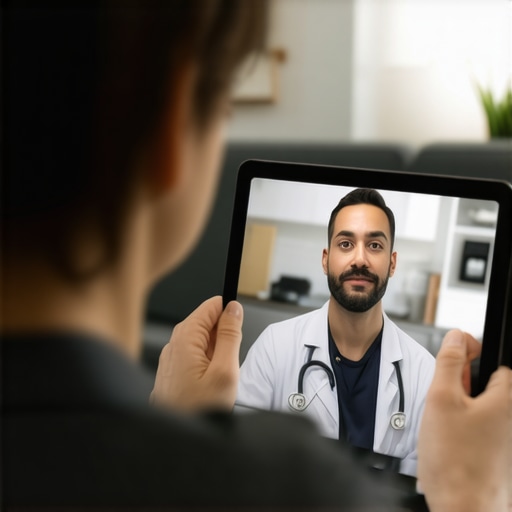
It was 2:00 PM on a Tuesday, and the ‘aura’ started—that jagged, shimmering silver line that told me my brain was about to stage a coup. I had a looming deadline, kids to pick up in two hours, and a medicine cabinet that was tragically empty of my rescue meds. The thought of driving to a clinic, sitting under humming industrial lights for two hours, and explaining my history to a receptionist while my vision tunneled felt like a death sentence. I’ve been there more times than I care to admit, squinting through the pain just to get a piece of paper. Today, I’m going to show you exactly how I stopped that cycle and started getting my relief without ever leaving my darkened living room.
Stop punishing your brain with clinic waiting rooms
I spent years believing that a migraine required a physical pilgrimage to a doctor’s office. I once made the massive mistake of waiting six hours in an ER just for a triptan refill, only to leave with a bigger headache from the noise and a bill that made my stomach churn. It was a total waste of resources. The truth is, for those of us with a history of these attacks, the ‘waiting room tax’ is a burden we no longer have to pay. You can actually manage chronic migraines without leaving your bedroom by using modern digital platforms designed for speed. According to the American Migraine Foundation, over 39 million Americans live with this condition, yet a staggering number delay care simply because the logistics of traditional appointments are too overwhelming during a flare-up. By embracing the 5-minute virtual move for getting your prescriptions refilled, you bypass the fluorescent lights and the judgment of a crowded lobby. Have you ever felt like the process of getting help was actually making your physical pain worse?
Can a doctor really help me through a screen?
It is the biggest hurdle for most of us: the fear that virtual care isn’t ‘real’ enough for a ‘real’ migraine. I was a skeptic, too, until I realized that a provider doesn’t need to tap my knee with a hammer to know my triptan dose needs a renewal. When you unlock the power of telehealth, you are talking to licensed professionals who specialize in fast, convenient access. They review your history, confirm your symptoms, and send that script to your local pharmacy while you’re still holding a cold compress to your forehead. This isn’t about cutting corners; it is about respecting your time and your neurological health. We are going to dive into the specific steps to make this happen so you are never caught empty-handed when the next storm hits.
Turn your smartphone into a 24/7 migraine relief station
Think of telehealth not as a downgrade from a clinic visit, but as an express lane at a busy toll booth. When you are in the throes of a migraine, the goal is to minimize friction. Traditional healthcare is a series of obstacles: the drive, the parking, the clipboard, the bright lights. Digital care removes the physical hurdles and replaces them with a streamlined sequence that you control. This isn’t just about a video call; it is about building a digital medical home. By exploring the benefits of telehealth in managing chronic wellness, you realize that your phone is actually a gateway to a pharmacy, a lab, and a specialist. You are essentially hiring a medical team that comes to you, rather than you dragging your pained body to them.
Collect your symptom history before the pain peaks
The secret to a successful virtual visit is having your data ready before the ‘aura’ makes it impossible to think. I treat my health history like a pre-flight checklist. Providers need to see that your symptoms are consistent and that you aren’t just looking for a quick fix for a one-time headache. Keep a simple digital log of your triggers, the duration of your attacks, and what has worked in the past. When you present this clearly, the provider can fast-track your treatment. This level of preparation is also vital when you are understanding the role of lab tests in preventive wellness. If your migraines are tied to underlying issues like hormonal shifts or vitamin deficiencies, having a history allows your virtual doctor to order the right blood work instantly.
Connect with providers who skip the fluff
I remember sitting in my car during a lunch break last October. I didn’t have a full-blown migraine yet, but I felt that familiar, heavy ‘brain fog’ that signals a storm is coming. I didn’t have time for a three-hour clinic run, so I logged into a portal, answered three specific questions about my aura frequency, and had a video chat with a practitioner while I was still parked. It was as easy as how to get a professional counseling session on your lunch break. By the time I finished my sandwich, my triptan refill was already sent to the pharmacy two blocks away. It felt like I had cheated the system, but the reality is that the technology is finally catching up to our needs. The key is to be direct: state your history, your current pain level, and what specific relief you are seeking.
Order blood work without the hospital hallway walk
Sometimes, a migraine isn’t just a migraine; it’s a symptom of something else, like high inflammation or a metabolic skip. Many people think they have to go to a major hospital for these answers, but you can actually handle the paperwork from your couch. Your virtual provider can send a lab order to a local collection site near your house. You walk in for five minutes, get your draw, and the results are sent straight to your app. This is the best way to investigate why your lab results come back normal while you still feel like trash. It allows you to see the markers that traditional GPs might overlook during a rushed 10-minute physical.
Get specialized help without the six-month wait
If your condition is escalating, you don’t have to wait half a year to see a neurologist or a pain management expert. Virtual platforms often have much shorter lead times for specialized referrals. You can learn how to get a same-day referral for a specialist without the stress by using the right digital channels. The provider reviews your file, agrees that you need advanced care, and generates the referral letter immediately. This keeps your momentum going and ensures that your treatment plan doesn’t stall because of an administrative bottleneck.
Stop settling for normal when you feel terrible
Let’s dig deeper into the biggest mistake I see people make: trusting the ‘normal’ range on a lab report as the final word on their health. Most people believe that if their results don’t have a red flag next to them, they are perfectly healthy. In my experience, this is a dangerous trap. Reference ranges are often calculated based on a broad population that includes many people who are already unwell. If you want to feel your best, you need to look for ‘optimal’ ranges, not just ‘normal’ ones. This is exactly why your lab results come back normal while you still feel like trash. For instance, a TSH level within the standard range might still be too high for someone experiencing debilitating brain fog. The Journal of Clinical Medicine has highlighted how subclinical thyroid dysfunction is frequently overlooked due to these overly wide statistical brackets. When you use telehealth to review your data, you can spend time discussing these nuances with a provider who focuses on functional health rather than just checking boxes.
Beyond basic blood work, the hidden nuance lies in the specific markers that typical clinics often skip to save costs. Most standard checkups only include a basic cholesterol test, but why a standard lipid panel isn’t enough to assess your real heart risk becomes clear when you look at advanced markers like ApoB or Lp(a). These provide a much clearer picture of your cardiovascular future. Have you ever fallen into this trap where a doctor dismissed your symptoms because the paper said you were fine? Let me know in the comments.
Your morning coffee is actually a lab test saboteur
Here is a specific ‘oops’ factor that almost everyone misses: the pre-test routine. We are often told to fast, but we aren’t told how our stress levels or that ‘innocent’ cup of black coffee can skew the results. Caffeine can spike your cortisol and blood sugar, making your baseline data virtually useless for accurate diagnosis. This is why your morning coffee is sabotaging your anxiety labs and metabolic panels. If you are tracking hormonal health, timing is everything. A test taken at 10:00 AM can yield vastly different insights than one taken at 8:00 AM. By exploring the benefits of telehealth in managing chronic wellness, you gain the luxury of scheduling your lab draws at the precise biological window required for accuracy, rather than when the clinic has an opening.
Can virtual providers handle complex diagnostic sequences?
A sophisticated reader might wonder if a screen-to-screen interaction is enough for complex issues like autoimmune flares or chronic fatigue. The answer lies in the data-first approach of digital care. Unlike a traditional GP who might rely on a quick physical exam, telehealth providers often lean more heavily on trend analysis and specialized testing. They can order a thyroid ultrasound or specific antibody tests that get to the root cause faster. This isn’t just about a single consultation; it’s about telehealth insights the future of accessible healthcare services that allow for continuous monitoring. You aren’t just a patient passing through; you are building a longitudinal record of your health markers.
The vaccine nuance most people ignore
Even when it comes to preventative care, the nuance of ‘one size fits all’ is being challenged. Modern medicine is moving toward personalized vaccination schedules for better disease prevention. Instead of just following a static calendar, some experts suggest checking your antibody titers first to see if you even need a booster. This ensures you aren’t over-medicalizing your body while still maintaining robust protection. By integrating these advanced strategies into your virtual care plan, you move from being a passive recipient of healthcare to an active manager of your biological potential.
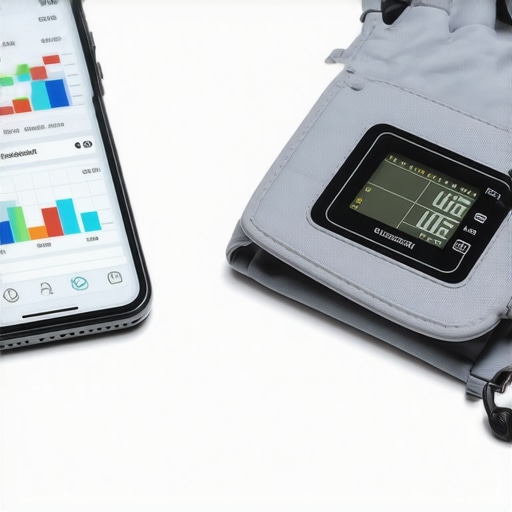
I used to think that having a ‘health strategy’ meant just remembering when my next check-up was. I was wrong. True maintenance happens in the gaps between appointments. To keep the momentum we’ve discussed, I’ve built a specific ‘digital health stack’ that ensures I’m never starting from zero when I log into a telehealth portal. I personally use a dedicated encrypted folder for my medical PDFs and a high-quality, arm-cuff blood pressure monitor because wrist sensors are notoriously unreliable for clinical accuracy. This isn’t just about being organized; it’s about having the ammunition you need to advocate for yourself.
The tech stack that saves my sanity
When you are telehealth innovations how virtual care is changing wellness in 639 am, you quickly realize that data is the universal language. I recommend every one of my readers maintain a simple spreadsheet of their ‘optimal’ lab ranges—not just the ones the lab gives you. By documenting the specific markers that prove your exercise routine is actually working, you can show your provider exactly when your metabolism started to shift. I also keep a digital scan of my immunization records. Knowing how to track down old vaccine records for a new job or travel is a massive time-saver that most people ignore until they are in a panic. This level of preparation is why why regular lab tests are critical for your wellness journey; it turns a snapshot into a movie of your health.
How can I stay on top of these metrics without burning out?
Maintenance doesn’t have to be a second job. I follow a ‘Quarterly Pulse’ method. Every three months, I review my primary biomarkers and check for upcoming needs, like whether it is time to maximize your health combining vaccinations and lab testing strategies. This prevents the ‘pre-travel scramble’ where you realize you need three different shots a week before your flight. The Digital Medicine Society (DiMe) emphasizes that high-quality sensor data—like sleep tracking or heart rate variability—can bridge the gap between episodic clinic visits and continuous health monitoring. By sharing these trends during a unlocking the power of telehealth for fast convenient wellness access session, you provide a context that a single blood draw simply can’t capture. It’s the difference between guessing and knowing.
The next big shift in your digital doctor visits
Looking ahead, I predict we are moving toward ‘proactive health agents’—AI-integrated systems that will scan your lab results the second they are uploaded and flag shifts in your baseline before you even feel a symptom. We are already seeing the beginnings of this with personalized vaccination schedules for better disease prevention based on individual antibody titers. This level of precision is going to make the old ‘one-size-fits-all’ model look like the dark ages. To get ahead of this curve, start treating your health data as a living asset today. Take five minutes tonight to download your last three lab reports and put them in a chronological folder. It is the single most powerful thing you can do to ensure your next virtual visit is a success.
The Hardest Lesson I Learned About Reclaiming My Health From Home
Reflecting on my own journey, the most profound shift didn’t happen when I got a new prescription, but when I realized I was allowed to be the lead investigator of my own body. Here are a few lightbulb moments that changed everything for me:
- Trust your symptoms over the paperwork. I cannot tell you how many times I was told I was fine while I could barely keep my eyes open. You need to know why your lab results come back normal while you still feel like trash to stop second-guessing your own pain.
- Convenience is a clinical necessity. When you are in the throes of a flare-up, stress is a physical toxin. By unlocking the power of telehealth for fast convenient wellness access, you are literally lowering your physiological stress levels, which helps you heal faster.
- Timing is your secret weapon. A blood draw isn’t just a random event. Small details like the sneaky factor that ruins your cholesterol panel accuracy taught me that I must be the one to control the environment of my tests for the most accurate data.
Your Blueprint for a Smarter Digital Medical Home
To move from reactive emergency mode to proactive wellness, you need more than just an app; you need a strategy. I personally rely on a few specific habits and resources to keep my health on track without the burnout.
First, I stopped guessing about my baseline. I used the 10-minute trick for lower blood pressure readings at home to ensure that when I do show data to a virtual doctor, it is a true reflection of my heart health, not just white coat syndrome. Next, I shifted how I view diagnostics. Instead of waiting for an annual physical, I started understanding the role of lab tests in preventive wellness as a quarterly check-in. Finally, I have adopted personalized vaccination schedules for better disease prevention to ensure my immune system is supported on a timeline that fits my specific travel and work life, rather than a generic one-size-fits-all calendar.
Own Your Biological Future Today
Taking charge of your health doesn’t mean you have to be a doctor; it means you have to be an advocate. The era of sitting in fluorescent-lit waiting rooms while your head throbs is over. By embracing digital tools, you are choosing a path that respects your time and your biology. Remember, why regular lab tests are critical for your wellness journey is because they provide the map, but your daily choices—facilitated by the speed of telehealth—are what actually drive the car toward long-term wellness. Don’t wait for the next aura to decide that you deserve better access to care. Start building your digital health stack tonight and take back your peace of mind. Have you ever felt like you were just a number in a clinic waiting room? Let me know in the comments below.