
How to prep your child for their first virtual doctor visit

I’ll never forget the day my son decided the pediatrician was a cartoon character. It was our first foray into virtual care, and instead of explaining his earache, he spent five minutes trying to feed a cracker to the camera lens. I sat there, face turning beet red, while the doctor patiently waited. It was a mess. But that failure taught me something vital: you can’t just wing it when the doctor’s office is sitting on your coffee table. Today, I’m going to walk you through exactly how to turn your living room into a functional clinic so you can stop stressing. We’re going to make sure your next digital health encounter feels like a win, not a comedy of errors. Have you ever tried to get a toddler to sit still for a video call only to have them run away with the tablet?
Skip the ER and stay in your pajamas
Telehealth isn’t just a backup plan anymore; it is a lifeline for parents who are tired of the waiting room germs and the car seat struggle. I used to think I had to drive across town every time a fever spiked, but I’ve learned that handling a pediatric fever at 2 AM is much easier from my own couch. The reality is that your child is more comfortable at home. When they are comfortable, the doctor gets a much more accurate picture of how they are actually doing. It beats the ‘white coat syndrome’ where they freeze up the second we walk into a clinic.
Does a screen actually work for a sick toddler?
I get the skepticism. You’re wondering how a doctor can possibly tell if your kid has a double ear infection through a grainy smartphone camera. It feels a bit like magic—or a gamble. However, according to the American Academy of Pediatrics, telehealth can effectively manage a vast majority of common pediatric concerns, provided the parent knows how to assist with the ‘physical exam’ part. My biggest early mistake was thinking the doctor would do all the work. I didn’t realize I needed to be the doctor’s hands.
The one mistake I made that ruined our first visit
My first attempt failed because I didn’t explain the ‘why’ to my child. To him, the iPad was for games, not for talking to a stranger about his throat. You have to set the stage. Before the call starts, we now play ‘doctor’ with his stuffed animals and the tablet. This simple shift changed everything. We also make sure to have all the data ready—knowing why your child’s growth chart matters and having their recent symptoms written down saves precious minutes. If you treat it like a serious event, they will too. Well, mostly. They are still kids, after all.
Turn your phone into a high-def diagnostic tool
Lighting is your best friend or your worst enemy in virtual care. I learned this the hard way during a midnight croup scare. I was trying to show the doctor my daughter’s breathing while huddled in a dark bedroom. All the doctor saw was a blurry shadow, and I spent ten minutes panicking while trying to find a lamp. Now, we have a set “station.” We move to the brightest room in the house, usually the kitchen or a spot near a large window. Think of your phone camera as the doctor’s literal eyes. If you can’t see the texture of a rash or the color of a throat on your own screen, they certainly can’t see it on theirs. Use a secondary light source—like a desk lamp or even your spouse’s phone flashlight—to eliminate shadows during the exam. 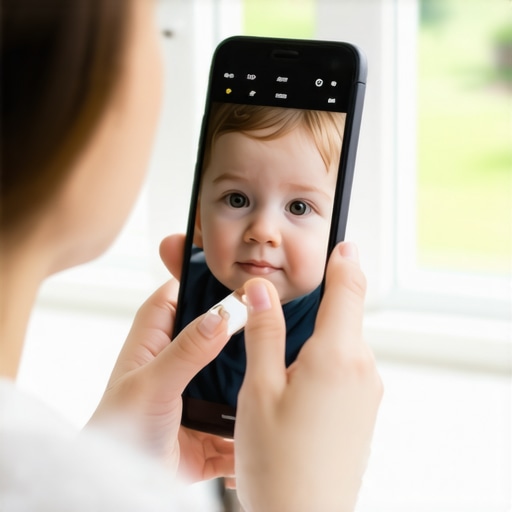
Gather your numbers before the ringtone starts
The doctor is going to ask for “the vitals.” In a physical clinic, a nurse does this before the doctor ever enters the room. At home, you are the nurse. I keep a small kit ready with a thermometer, a scale, and a notepad. Before the call even connects, I check my child’s temperature and weight. Knowing the specific way to handle a toddlers fever at midnight starts with having an accurate reading ready to go. If they are already taking medications, I have the bottles right there on the table. Don’t rely on your memory when you’re stressed; write down exactly when they last ate and when they last had a dose of any over-the-counter medicine. This preparation is a core part of how telehealth insights the future of accessible healthcare services puts more power back into the hands of parents.
How to act as the doctor’s eyes and hands
This is where most parents get nervous. The doctor might ask you to press on your child’s belly or feel the lymph nodes behind their ears to check for swelling. Don’t panic; they will coach you through it. I remember the first time I had to do this for a suspected ear infection. I felt like I was going to mess up the diagnosis, but I realized the doctor was watching my child’s reaction to my touch, not just my hand placement. Use your “parent voice” to keep them calm throughout the process. If the child is terrified of the screen, you can use how to manage vaccine anxiety in toddlers using these simple distractions as a template for video calls too. Hand them a favorite toy or let them hold a separate device to keep their head still while you assist with the exam.
Sort out the labs and prescriptions fast
One of the biggest perks of virtual care is that the administrative side often moves faster than in a physical office. If the doctor determines your child needs a throat culture or a blood draw, they can order it immediately to a facility near you. You should be familiar with understanding the role of lab tests in preventive wellness so you aren’t caught off guard when a virtual visit leads to a real-world lab appointment. If it’s a common infection, the doctor can perform the 5-minute virtual move for getting your prescriptions refilled or sent to your local pharmacy before you even hang up the call. This efficiency is why virtual care is the best choice for late night earaches—it lets you skip the three-hour ER wait and move straight to the healing process.
Stop obsessing over the thermometer number
We’ve been conditioned to think that a 104-degree fever is an automatic biological emergency, but here is the contrarian truth: the number on the screen often matters far less than how your child is acting. I’ve seen kids with a 101-degree fever looking listless and dehydrated, which is far more concerning than a child with a 104-degree fever who is still playing with their blocks. In the world of virtual care, we often fall into the trap of ‘number chasing.’ We want a quick fix for the fever, but we risk missing the subtle signs of respiratory distress or lethargy. Expert pediatricians, according to research published in the journal Pediatrics, emphasize that clinical appearance and hydration status are more reliable predictors of serious illness than temperature alone. When you are on a video call, don’t just report the number; show the doctor how your child is breathing and moving. This is where revolutionizing wellness how telehealth transforms personal care really happens—it moves the focus from a single data point to the whole human.
The diagnostic trap most parents fall into
There is a specific mistake I see constantly: assuming a ‘normal’ lab result means everything is perfect. If your child is struggling with fatigue or recurrent infections, a standard blood draw might come back within the reference range, but that doesn’t mean they are at their optimal health. This is the ‘Oops Factor’ of modern medicine. Most reference ranges are based on a broad population average, not on what is healthy for your specific child. If you’ve ever had a doctor tell you ‘everything looks fine’ while your gut says otherwise, you know exactly what I mean. You need to look at how lab tests can detect hidden health risks early in your wellness pathway before they become full-blown symptoms. Have you ever fallen into this trap where a ‘normal’ result delayed a real answer? Let me know in the comments.

Why do my kid’s “normal” lab results still feel wrong?
To get to the bottom of chronic issues, you have to look for trends, not just snapshots. A single result is just one frame of a movie. This is why why regular lab tests are critical for your wellness journey; they provide the historical context needed to spot a downward trend before it hits the ‘abnormal’ threshold. For example, a ferritin level that is technically ‘normal’ but on the low end can cause significant irritability and sleep issues in toddlers long before they become anemic. When prepping for a telehealth visit, ask for a more comprehensive look, such as the essential lab tests you need for accurate vaccination planning or metabolic screening. Don’t be afraid to push for a deeper dive. Sophisticated wellness isn’t about avoiding the doctor; it’s about using tools like telehealth innovations how virtual care is changing wellness to monitor the nuances that standard checkups often skip. We are also seeing a shift where vaccinations myths busted discussions are becoming more about personalized schedules than one-size-fits-all mandates. By staying ahead of the data, you transition from being a reactive parent to a proactive health advocate for your family.
The gear that makes a midnight fever less terrifying
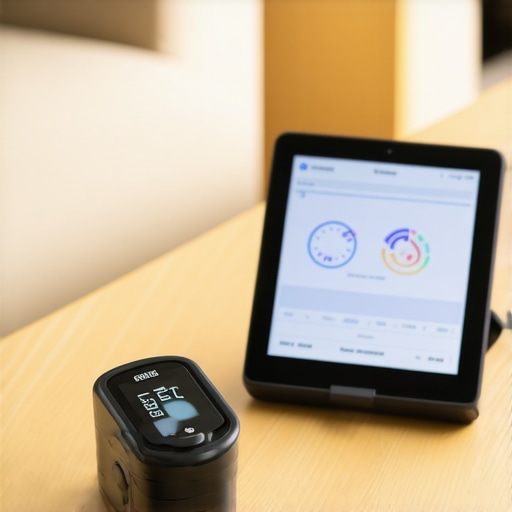
I stopped relying on that five-dollar thermometer I bought at a gas station years ago. If you want telehealth to work, you need data the doctor can trust. I personally swear by the Masimo MightySat pulse oximeter. It’s the same signal extraction technology used in hospitals, and when you can tell a doctor your child’s oxygen saturation is 98% during a croup cough, you can feel the tension leave the ‘room.’ It’s about exploring the benefits of telehealth in managing chronic wellness by having professional-grade numbers at your fingertips. I also suggest a Kinsa smart thermometer because it automatically time-stamps every reading into an app. No more trying to remember if the 102.4 reading was at 10 PM or midnight when you’re half-asleep. This kind of accuracy turns a stressful video call into a productive medical consultation.
We also keep a dedicated ‘Home Clinic’ kit in a plastic bin. Inside, there is a blood pressure cuff, a high-quality penlight for looking at throats, and a digital scale. This isn’t about being obsessive; it’s about being prepared. When you aren’t fumbling through the junk drawer for batteries, you can focus on your child’s comfort. This prep work is essential when you’re looking at how to handle a pediatric fever at 2 AM. It turns chaos into a streamlined process.
How do I keep my family’s health data organized for the long haul?
Maintenance is where most people fall off the wagon. You have one great call, then lose the paperwork. I keep a dedicated ‘Health’ folder in my cloud storage where I upload every PDF from a lab visit. This makes it incredibly easy to track down your child’s school immunization history instantly when camp season rolls around. If you don’t have a digital trail, you’re constantly starting from zero. This is especially true when maximizing your health combining vaccinations and lab testing strategies; you need to see how the two interact over years, not just months. According to a study in the Journal of Medical Internet Research (JMIR), patients who use integrated digital health tracking tools are 30% more likely to adhere to long-term chronic care plans compared to those using paper logs. It removes the friction of ‘where did I put that?’ and allows you to spot long-term health trends that a single visit might miss.
What’s next for the digital doctor’s office?
I predict that in the next three years, we won’t just be showing rashes to cameras; we’ll have AI-powered skin analysis tools built directly into our patient portals. We are already seeing telehealth innovations how virtual care is changing wellness by moving toward real-time remote monitoring. Imagine a world where your smart watch flags a heart rhythm change and automatically schedules a virtual consult before you even feel a palpitation. It’s the ultimate roadmap to clearer diagnosis. We will likely see ‘smart’ mirrors that can detect jaundice or signs of dehydration just by you looking into them while brushing your teeth. The boundary between our homes and the clinic will continue to blur, making wellness something that happens every day, not just during an annual checkup.
Scaling your family’s health shouldn’t be a full-time job, but it does require a bit of intentionality with the tools you choose. Before our next deep dive into specific conditions, I want you to do one thing: spend ten minutes tonight performing the 10-minute trick for lower blood pressure readings at home and log it. Getting used to the equipment when you aren’t sick is the secret to staying calm when you are. It is the difference between a successful visit and a panicked trip to the emergency room.
The hardest lesson I learned about screen-time triage
The most important thing I discovered wasn’t about the technology, but about my role in the room. One major lightbulb moment was realizing that why wellness checks are your first step to better health is actually about the dialogue you create, not just the physical location. I used to rush through my questions, but I’ve found that the digital space allows for much more thoughtful personalized vaccination schedules discussions that often feel rushed in a noisy clinic. I also learned that the camera is a tool for transparency; showing the doctor the actual environment where my child lives and plays often provides more context than a sterile exam room ever could.
Equipment that finally made the wait-and-see game easier
If you want to feel confident during a virtual visit, you need tools that provide clinical-grade reassurance. I personally trust the Masimo MightySat pulse oximeter because it removes the guesswork when I’m worried about my child’s breathing. To keep everything organized, I use a simple cloud-based folder for all our records. It makes it incredibly easy when I need to how to track down old vaccine records or share a PDF of a recent blood draw. Having this data at my fingertips helps me understand how lab tests can detect hidden health risks before they become emergencies, turning my smartphone into a true diagnostic hub.
Your living room is the future of wellness
Telehealth isn’t just a backup plan for a rainy day; it is a gateway to a more personalized form of medicine. By unlocking the power of telehealth, we take the fear out of the ‘doctor visit’ and replace it with a collaborative partnership. When you focus on ways to boost your immunity with expert vaccination tips and stay proactive with your data, you aren’t just reacting to symptoms—you are building a long-term strategy. We can now maximize your health combining vaccinations and lab testing strategies without the stress of the waiting room. Have you ever had a funny tech glitch or a ‘toddler vs. tablet’ moment right when the doctor logged on? Let me know your best stories in the comments!