
The easiest way to manage heart health markers between scheduled doctor visits

I remember sitting on that crinkly exam table, the cold air hitting my back, and the nurse wrapping the blood pressure cuff around my arm. My pulse was thumping in my ears. I’d spent the last six months wondering if my morning eggs were clogging my arteries or if my daily walk was actually doing anything. The stress of not knowing was likely making my numbers worse. I call it the ‘black hole’ of healthcare—that long, anxious gap between your annual appointments where you just hope for the best. Today, we are going to fix that. I’m going to show you how to take the guesswork out of your cardiovascular wellness so you never have to walk into a clinic feeling like you’re about to fail a surprise test. We will look at the tools and habits that turn you from a passive patient into a proactive advocate for your own ticker.
Stop Waiting for Your Annual Physical to Check Your Heart
For years, I made the classic mistake of thinking my health was a ‘once-a-year’ event. I’d eat relatively well for two weeks before my appointment, cross my fingers during the blood draw, and then ignore my body for the next 350 days. It was a cycle of denial and panic. I eventually realized that why wellness checks are your first step to better health isn’t just about the visit itself; it’s about the data you collect in between. The truth is, a standard lipid panel isn’t enough to assess your real heart risk when it is only a single snapshot in time. Your body is dynamic. Have you ever walked into a clinic and had a sky-high reading, only to realize it was just ‘white coat syndrome’? That happened to me constantly. I started using a 10-minute trick for lower blood pressure readings at home just to see if my office numbers were a fluke. They were. By understanding lab tests and what they actually mean for your daily life, you can catch issues before they become emergencies. Even hidden lab markers like CRP or fasting insulin can give you a heads-up that your system is under stress. According to the American Heart Association, nearly half of American adults have high blood pressure, yet many are completely unaware because they do not monitor themselves outside of the clinic. Have you ever felt that sinking feeling in your stomach when the doctor walks in with your results? I want to know—have you ever felt blindsided by a ‘bad’ lab report?
Is tracking your own heart data actually worth the hassle?
I get it. The idea of poking your finger or strapping on a cuff every week sounds like a chore. You might worry that seeing your numbers fluctuate will just send your anxiety through the roof. I used to think the same thing. I thought I would become obsessed with every digit on the screen. But the opposite happened: the more I knew, the less I feared. When you understand that one specific marker predicts heart risk better than cholesterol, you stop obsessing over every tiny decimal point and start looking at the big picture trend. Monitoring your heart at home is not about being a doctor; it is about having a map so you are not wandering in the dark.
Build Your Own Heart Health Dashboard
To treat your heart like a high-performance machine, you need a dashboard that is more sophisticated than a check-engine light that only blinks once a year. Think of your body like a flight simulator; you want real-time feedback, not a postcard from the pilot three months after the flight. The first step is taking ownership of your data stream. I spent years waiting for permission to know my own numbers. Once I stopped asking for permission and started using direct-access tools, the ‘black hole’ of healthcare vanished. 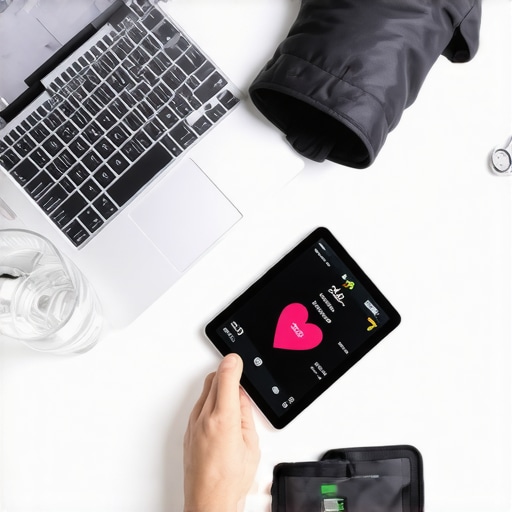
Order the Specific Markers That Actually Predict Risk
Most people think a cholesterol test is the gold standard, but the truth is that a standard lipid panel isn’t enough to assess your real heart risk. You need to look deeper. For instance, the one marker that predicts heart risk better than cholesterol—Apolipoprotein B (ApoB)—tells you the actual number of plaque-forming particles in your blood. I remember looking at my first advanced panel and seeing that while my total cholesterol was fine, my particle count was high. That was the messy reality I needed to see to actually change my diet. By understanding lab tests like these, you move from guesswork to precision. Don’t just settle for the basics; ask for markers that flag silent inflammation before it hits a critical level.
Telehealth Is Your Shortcut to Results
The biggest hurdle to heart monitoring is often the waiting room. I used to cancel follow-ups because I could not find a two-hour window to sit in a lobby. Revolutionizing wellness how telehealth transforms personal care means you can review these advanced markers with a professional from your kitchen table. If your blood pressure spikes during a stressful work week, you do not need to wait six months for a script adjustment. You can use the 5-minute virtual move for getting your chronic prescriptions refilled or adjusted based on the home data you have collected. Last summer, my home readings showed a consistent dip in the evenings. Instead of driving across town, a 10-minute video call helped me tweak my timing, and my energy levels stabilized within 48 hours.
Prove Your Exercise Is Actually Working
Stop guessing if your morning jog is actually cleaning out your pipes. You can use specific metrics to see the impact of your lifestyle choices in weeks, not years. Check the specific markers that prove your exercise routine is actually working, such as improvements in your resting heart rate or a drop in fasting insulin. When I started interval training, I did not feel faster immediately, but my lab work showed a significant drop in high-sensitivity C-reactive protein. That was the proof I needed to keep going. If you are struggling with white coat spikes, remember to use the 10-minute trick for lower blood pressure readings at home before logging your data. This ensures your dashboard reflects your true health, not just your stress level at the clinic.
Why ‘Normal’ Ranges Are Often a Statistical Trap
Most people walk out of the clinic feeling relieved when their doctor says their labs are ‘normal.’ But here is the contrarian truth: ‘normal’ is a moving target, and it is rarely synonymous with ‘optimal.’ Lab reference ranges are typically calculated based on the average of the population that visits that specific lab—and let’s be honest, the average person visiting a lab isn’t exactly a picture of peak vitality. If you are comparing yourself to a population that is increasingly sedentary and metabolically compromised, being ‘average’ isn’t a win. It is a slow slide toward chronic issues. A study published in the Journal of the American Medical Association (JAMA) highlights that many traditional reference intervals do not account for individual baseline variations or the earliest stages of disease. This is why understanding the role of lab tests in preventive wellness requires a shift in perspective. You should be looking for optimal performance, not just the absence of a clinical diagnosis. 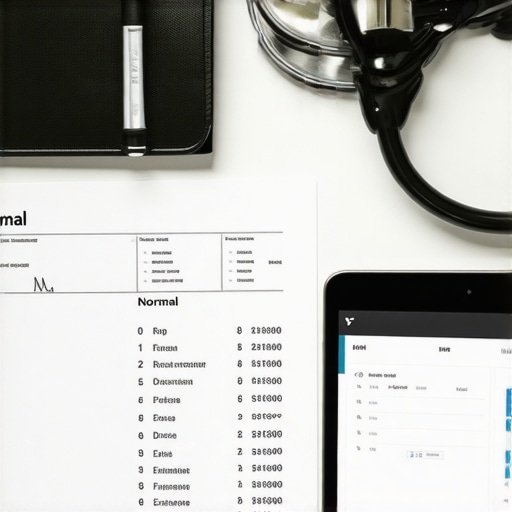
Are your ‘normal’ lab results actually keeping you sick?
The ‘oops’ factor in modern testing often comes down to timing and interference. For example, many people don’t realize that why your vitamin B12 results might be misleading if you take certain supplements is a common trap. High doses of biotin or other B-vitamins can artificially inflate or deflate your results, leading your doctor to think your levels are perfect when you are actually running on empty. I’ve seen patients struggle with fatigue for months because their ‘normal’ B12 or iron results were just a fluke of their supplement schedule. Similarly, why a full metabolic panel is better than a basic blood draw for fatigue becomes obvious when you realize how many markers overlap. If you only look at one piece of the puzzle, you miss the forest for the trees. Have you ever fallen into this trap where a ‘normal’ lab result left you feeling unheard? Let me know in the comments.
Don’t Ignore the Grown-Up Side of Immunizations
We often associate vaccinations with childhood checkups and school forms, but the biggest mistake I see adults make is assuming they are ‘done’ once they hit twenty-one. Immunity fades. For instance, why adult tetanus boosters are more important than you think often gets ignored until someone steps on a rusty nail in the garden. Even more critical is the nuance of shingles; many people wait until they are in pain to investigate, but why you should get a shingles shot even if you feel great is about preventing a viral reactivation that can cause long-term nerve damage. By using telehealth innovations how virtual care is changing wellness, you can review your history and get these scheduled without the friction of a traditional office visit. Telehealth isn’t just a video call; it’s a way to ensure your preventive shield never has a gap. Transitioning your care to a digital-first model allows for more frequent, smaller touchpoints that catch these ‘oops’ moments before they become health crises. Check our contact us page if you are ready to stop guessing and start knowing.Maintenance isn’t about being a health monk; it’s about building a system that works while you’re busy living. After I got my boosters and my advanced panels sorted, I realized the real challenge was staying consistent without making it a full-time job. I had to move from crisis mode to maintenance mode by choosing the right gear. I personally swear by a cellular-connected blood pressure cuff. Unlike Bluetooth versions that always seem to unpair at the worst moment, cellular models sync directly to the cloud. This means my data is waiting for me in my dashboard before I even take the cuff off. By seeing how lab tests can detect hidden health risks early in your wellness pathway, and pairing that with daily home data, you create a feedback loop that is impossible to ignore. 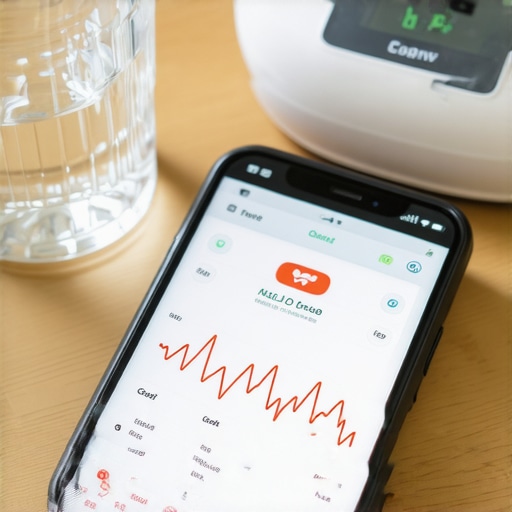
How do I keep my heart health on track without burning out?
The secret is the ‘quarterly pulse.’ I don’t obsess over numbers daily, but every three months, I do a deeper dive. This is where why regular lab tests are critical for your wellness journey becomes the backbone of my strategy. I use that time to look at my 90-day averages for blood pressure and glucose. If the trends are heading the wrong way, I don’t wait for my next physical. I jump on a video call to discuss telehealth insights the future of accessible healthcare services and adjust my protocol immediately. I also use this quarterly window to maximize your health combining vaccinations and lab testing strategies, ensuring I’m never caught off guard by a seasonal surge or a missed booster. Consistency comes from automation, not willpower. I even have reminders set to check my Lp(a) levels every few years, a marker many doctors skip, but one that the American College of Cardiology identifies as a critical, often inherited risk factor.
Expect Your Phone to Predict Your Next Wellness Crisis
We are moving toward a world of ‘biometric digital twins.’ Within the next five years, I predict your health dashboard won’t just tell you what happened yesterday; it will use AI to predict what will happen next month based on your current lab trends. We are already seeing telehealth innovations how virtual care is changing wellness by allowing algorithms to flag subtle shifts in your heart rate variability before you even feel ‘off.’ This shift from reactive to predictive care is the holy grail of longevity. My advice? Start building your data history now. Even if you feel perfect today, having a baseline of your ‘optimal’ markers is the best gift you can give your future self. My advanced tip for you this week: Download your last three years of blood work and put them into a simple spreadsheet. If you see a marker like fasting glucose slowly creeping up—even if it’s still in the ‘normal’ range—that is your signal to act before the diagnosis arrives.
Hard Truths about Labs That Changed My Perspective
After years of navigating the medical system, I realized that my fear of bad news was the only thing actually putting my heart at risk. Here are the lightbulb moments that shifted everything for me:
- The ‘Normal’ Trap: I stopped settling for ‘in-range’ and started aiming for optimal. Just because you aren’t in crisis doesn’t mean you’re thriving.
- Data is Power, Not Stress: Seeing a high number on my home cuff used to panic me; now, it just tells me I need to sleep more or drink less caffeine.
- The Missing Links: I learned that how to read your own lipid panel without a medical degree is the single most empowering skill you can learn.
The Toolset That Keeps Me Off the Exam Table
If you want to build your own health dashboard, you don’t need a PhD. You just need the right partners in your corner. I personally rely on these three pillars: First, a cellular-connected blood pressure monitor that removes the friction of manual logging. Second, I use telehealth insights the future of accessible healthcare services to chat with specialists who actually have time to explain my ApoB trends. Finally, I’ve found that the best way to stay ahead is to maximize your health combining vaccinations and lab testing strategies. By checking my markers and my immunity status in one go, I save time and stay protected.
You Deserve to Feel Certain About Your Health
Your heart is the engine of your entire life. It doesn’t deserve to be a mystery you only solve once a year. By embracing these tools and shifting your mindset from reactive to proactive, you aren’t just avoiding disease—you are claiming a higher quality of life. Don’t let the ‘black hole’ of healthcare swallow your peace of mind. Start small, look at your numbers, and remember that every data point is a chance to improve. If you feel stuck, reach out to us through our contact us page and let’s get your dashboard set up. Have you ever felt like your doctor was speaking a different language when explaining your lab tests? Let me know your experience in the comments below!