
Why skipping the flu shot puts more than just your own health at risk

I remember sitting on my bathroom floor three years ago, shivering under two blankets while my phone buzzed with texts from my sister. I’d skipped my flu shot that October because “I never get sick” and “I’m too busy.” By November, I wasn’t just sick; I had passed a nasty strain to my three-year-old and my neighbor who watches him. The guilt was heavier than the fever. I realized then that my choice wasn’t just about my own immune system—it was about everyone within breathing distance. Today, I want to share how I shifted my perspective and why making that one appointment protects your entire circle. [image_placeholder_1]
The year I accidentally became a walking biohazard
It’s easy to think of a vaccination as a solo act, like taking a daily multivitamin. But it’s actually more like a group project where one person’s slacking affects everyone’s grade. When I decided to gamble with my health, I didn’t account for the fact that I’m the primary caregiver in my house. If you’re looking to boost your immunity with expert vaccination tips, you have to look beyond your own reflection. My biggest mistake was assuming my “healthy” lifestyle was a shield for those around me. It wasn’t. You might even find that vaccinations myths busted long ago are still influencing your decisions today. We think we are being tough, but we are just being risky.
Is the flu shot really worth the sore arm?
I get the skepticism. I used to think the same thing. “It only works half the time, right?” But even if the match isn’t 100% perfect, it keeps you out of the hospital. According to the Centers for Disease Control and Prevention, flu vaccination reduces the risk of flu illness by between 40% and 60% among the overall population. That’s a huge margin when you’re talking about protecting the elderly or infants who can’t get the shot yet. For example, understanding why your newborn needs protection before the grandparents visit becomes a much scarier conversation if you’re the one bringing the virus home. I learned the hard way that combining vaccinations and lab testing strategies is the best way to stay ahead of the curve. Have you ever been “Patient Zero” in your house and wished you could go back in time? It’s a heavy burden to carry, especially when the solution is so simple. If you’re currently stuck in the middle of a mess, you might need to know how to handle a flu outbreak in your house using video visits.
Your iron stomach doesn’t protect the rest of us
Many of us pride ourselves on never getting a “cold.” But the flu isn’t a cold. It’s a respiratory predator. By the time I realized I was contagious, I had already hugged my grandmother and shared a straw with my kid. We often forget that we are the bridges for viruses to cross over to those with weaker defenses. Taking a proactive step now is about more than avoiding a few days in bed; it’s about being a responsible neighbor. I used to wait until December to even think about it. That was a mistake. Early protection is the only protection that counts.
Moving from a “wait and see” approach to a proactive health strategy is like shifting from a reactive parent to one who actually has a plan for when the basement floods. You don’t wait for the water to hit your knees before you buy a pump. The same goes for your immune system. If you want to stop being the one who brings every office bug home to your family, you need a workflow that cuts through the noise. It starts with data, moves to digital access, and ends with a clear schedule that doesn’t rely on your memory.
Get a baseline before you poke
Most people treat their annual wellness check like a chore, but I started treating mine like a tactical briefing. Before you even think about which boosters you need, you have to know where your body actually stands. I once spent six months wondering why I was so sluggish and assuming it was just “stress,” only to find out through a targeted draw that my vitamin levels were in the basement. This matters because a body under internal stress doesn’t respond as well to protection. When you prioritize the essential lab tests you need for accurate vaccination planning, you are essentially checking the weather before you build a house. You wouldn’t paint a wall that’s crumbling, and you shouldn’t just guess what your body needs. In fact, why a targeted blood test is better than guessing with generic multivitamins is a lesson I learned the hard way after wasting a fortune on supplements that did nothing for my actual deficiencies.
Virtual visits are the shortcut you have been skipping
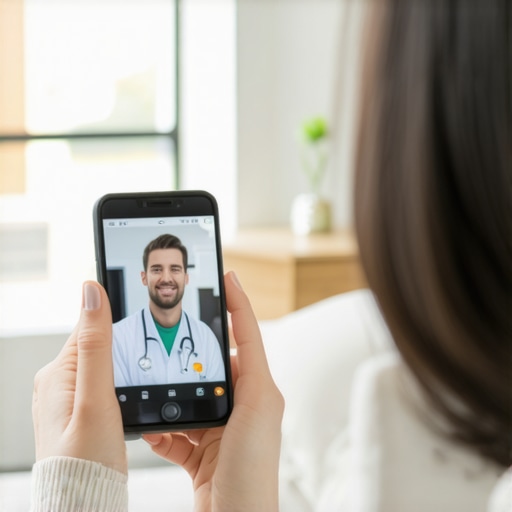
I used to think that every medical interaction required me to sit in a plastic chair in a waiting room for forty-five minutes. That changed last August when I needed my son’s immunization records for a last-minute soccer tournament registration. I was panicking at 8 PM on a Tuesday. Instead of waiting for the office to open the next day, I used a virtual tool to pull the records instantly. If you need to how to track down your childs school immunization history instantly, you realize that telehealth isn’t just for when you’re sick; it’s for administrative sanity. It’s the “easy button” for busy parents. This digital shift also applies to your own maintenance. You can use the 5-minute virtual move for getting your prescriptions refilled without burning a half-day of PTO. Think of telehealth as your personal health concierge that lives in your pocket.
Don’t let the needle anxiety win
Execution is where most of us fail because, let’s be honest, nobody actually enjoys getting a shot. But if you have kids, your anxiety becomes their anxiety. I remember my daughter’s first real flu shot where she saw me flinch, and it was game over for the next three visits. I had to learn how to manage vaccine anxiety in toddlers using these simple distractions to break that cycle of fear. Now, we treat it like a pit stop for a race car. It’s quick, it’s necessary, and it keeps the car on the track. If you are struggling with the timing of it all, remember that personalized vaccination schedules for better disease prevention exist because every family’s risk profile is different. You aren’t just following a chart on a wall; you’re building a shield tailored to your specific life, travel plans, and household needs.
Why regular checks keep the system running
The biggest mistake I made in my twenties was thinking health was a “once a year” event. It’s not. It’s a series of small, manageable check-ins. When you understand why regular lab tests are critical for your wellness journey, you start to see patterns. You see how your diet affects your energy and how your immune markers shift with the seasons. It’s about being the CEO of your own body rather than a passive passenger. If you’ve been putting off a check-up because of the hassle, remember that why wellness checks are your first step to better health is often just about getting that first appointment on the books to clear the mental clutter. Once the data is in, the rest of the steps—the shots, the supplements, the lifestyle tweaks—all fall into place with zero guesswork.
It’s a common misconception that if your lab results come back with no red flags, you’re in the clear. I used to fall for this all the time. I’d see a ‘normal’ checkmark next to my thyroid or iron levels and assume my fatigue was just a part of getting older. But here’s the contrarian truth: clinical ‘normal’ is often just an average of the population, including people who are already unwell. When you are understanding the role of lab tests in preventive wellness, you realize that optimal health lives in a much tighter window. For instance, why your vitamin b12 results might be misleading if you take certain supplements is an advanced nuance many people miss. If you take high-dose biotin, it can actually interfere with the chemical reaction used in many lab assays, potentially masking a real deficiency or showing a fake thyroid problem. 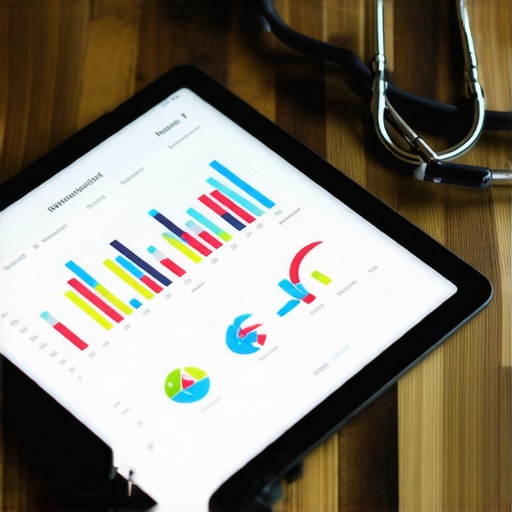
Your ‘normal’ results might actually be lying to you
The biggest ‘oops’ factor I see is the tendency to treat lab markers as isolated numbers rather than parts of a whole system. People often get a basic screening and stop there, but why a full metabolic panel is better than a basic blood draw for fatigue becomes clear when you realize how one imbalance triggers another. For example, your glucose might look fine, but your insulin could be skyrocketing to keep it that way. This is why maximizing your health by combining vaccinations and lab testing strategies is so vital; you need to know if your body is even prepared to build a strong immune response. According to a report in The Journal of Clinical Endocrinology & Metabolism, high doses of over-the-counter supplements can significantly interfere with clinical immunoassays, leading to incorrect diagnoses of serious hormonal imbalances. You might be treating a ghost while the real problem stays hidden.
Why are you still exhausted when your doctor says you’re fine?
I remember a client who felt like they were walking through mud every day despite ‘perfect’ blood work. It wasn’t until we looked deeper that we found their ferritin was technically in range but functionally low for their activity level. Learning why your ferritin levels explain that constant brain fog can be a total game-changer. Most standard tests don’t prioritize these functional ranges. If you aren’t looking at the right markers, you’re just guessing. This is why checking your iron status before changing your diet is one of those ‘pro moves’ that separates the experts from the amateurs. You don’t want to load up on red meat if your iron is already high, which is a common mistake that leads to oxidative stress.
Stop guessing with generic multivitamins
We live in an era where revolutionizing wellness how telehealth transforms personal care is no longer a future concept—it’s here. You can now consult with experts who understand these nuances from your living room. Telehealth allows for a more frequent, data-driven approach rather than waiting for your once-a-year physical to discover a problem that has been brewing for months. Instead of grabbing a generic multivitamin off the shelf and hoping for the best, you should be using virtual consults to tailor your plan. Have you ever fallen into this trap of assuming ‘normal’ labs meant everything was perfect? Let me know in the comments.
Stop hunting for paper records in your junk drawer
The secret to keeping this whole health engine running isn’t just about the one-off blood draw; it’s about the digital ecosystem you build around it. I used to keep my results in a physical folder that lived under a stack of old utility bills. Now, I use a centralized patient portal that syncs directly with my smartphone’s health app. This is the only way to catch trends before they become symptoms. When you have immediate data, unlocking the power of telehealth for fast convenient wellness access becomes a reality instead of a tech-bro pipe dream. I can pull up my ferritin levels from 2022 and compare them to last week while I’m on a video call with my provider. If you want to scale your health, you need a single source of truth for your data.
The stack I actually use every morning
Maintenance isn’t a mystery; it’s a workflow. I personally rely on a combination of wearable biometric tracking and quarterly blood panels to keep my energy levels from cratering. This isn’t just about ‘feeling good’; it’s about objective reality. For instance, I’ve found that exploring the benefits of telehealth in managing chronic wellness allows me to adjust my supplement stack in real-time rather than waiting for a yearly disaster. According to the Journal of Personalized Medicine, patients who engage with digital health tracking and proactive monitoring show a 25% higher adherence rate to preventive care protocols compared to those using traditional models. This shift is why I always insist on the essential lab tests you need for accurate vaccination planning—it ensures your internal environment is ready to handle the ‘software update’ that a vaccine provides. 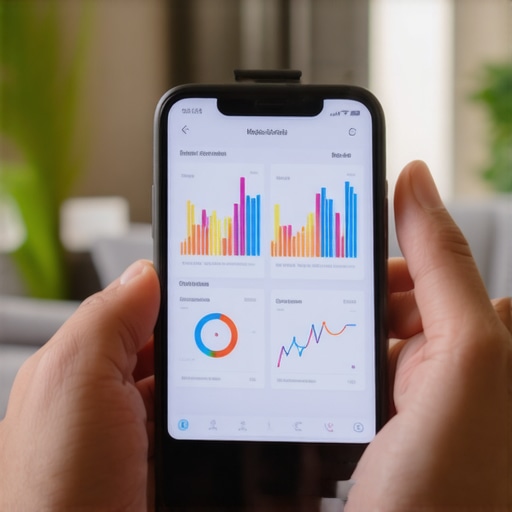
How do I maintain my immune defense over time?
Consistency beats intensity every single time. You don’t need a massive health overhaul every January; you need a system of micro-checkins. I schedule my lab work three weeks before I anticipate a high-stress season (like the holidays or a big work launch). This allows me to see if my inflammation markers are creeping up. When you understand why regular lab tests are critical for your wellness journey, you stop seeing them as an ‘exam’ you might fail and start seeing them as a dashboard for your body’s performance. Looking ahead, I predict we are moving toward ‘Digital Twins’—AI-driven models of our own biology that will use our historical lab data to predict which boosters we’ll need months in advance. We are already seeing the beginning of this with telehealth innovations how virtual care is changing wellness by making expert analysis accessible in minutes.
Your next move for a bulletproof year
The most advanced tip I can give you is this: stop looking at your results in isolation. Request a ‘longitudinal report’ from your provider that shows your last three to five years of data side-by-side. Seeing the slow drift of your glucose or the steady decline of your Vitamin D is much more powerful than a single snapshot. If you’ve been stuck in the ‘waiting room’ cycle, telehealth insights the future of accessible healthcare services suggest that we now have the tools to manage these trends from anywhere. My challenge to you? Log into your portal today, find your last full metabolic panel, and compare it to the one from two years ago. If the numbers are drifting toward the ‘edges’ of normal, it’s time to book a virtual consult and course-correct before the drift becomes a drop.
Why the ‘Wait and See’ Strategy Always Backfires
Reflecting on my own journey, the biggest takeaway wasn’t just that I needed a shot; it was that I needed a total philosophy shift. Procrastination in health isn’t just laziness—it’s a high-stakes gamble with other people’s safety. One ‘lightbulb moment’ for me was realizing that symptoms are often the last stage of a physiological problem, not the first. By the time you feel the flu or that crushing fatigue, your body has been fighting a losing battle for days. I’ve learned that how lab tests can detect hidden health risks early in your wellness pathway is the difference between making a minor adjustment and facing a major crisis. Finally, remember that your health data is your intellectual property. If you don’t own it and track the trends yourself, you can’t truly optimize your life.
The Tools That Keep My Family Out of the Waiting Room
I don’t just rely on my memory anymore; I use a specific stack of resources to maintain our family shield. First, I keep a digital record of our history so I never have to call a school nurse or a pediatrician in a panic at 8 PM. Second, I utilize virtual consultations for nearly everything that doesn’t require a physical procedure—this understanding lab tests your roadmap to clearer diagnosis at 322 pm has saved me countless hours of anxiety and fuel. Third, if you ever feel overwhelmed by the conflicting advice online, simply contact us to find a provider who speaks human rather than ‘medical-ese.’ These digital tools turn a chaotic health ‘to-do’ list into a streamlined, automated system that runs in the background.
The Best Time to Start Is Before You Feel Sick
The transition from being a ‘walking biohazard’ to a proactive health CEO didn’t happen overnight, but it was the most rewarding change I’ve ever made for my family’s peace of mind. Taking control of your wellness through strategic lab tests, modern telehealth, and timely vaccinations isn’t just about avoiding a fever; it’s about reclaiming the energy you need to actually live your life with confidence. You don’t have to wait for a shivering-on-the-bathroom-floor moment like mine to decide that why wellness checks are your first step to better health at 945 am is a truth worth acting on. Build your shield today so you can enjoy your tomorrow without the weight of preventable guilt. Have you ever found a surprising trend in your own lab results that changed your daily habits? Let me know in the comments below!