
The best way to monitor your heart health after a high-stress month
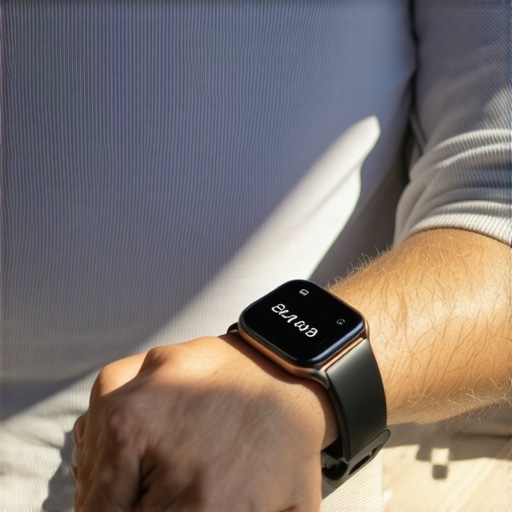
My heart was pounding so hard last Tuesday that I could hear it in my ears while trying to sleep. October was a gauntlet of late nights and caffeine-fueled mornings, and honestly, I was scared. I’d been ignoring the “check engine” light of my own body for weeks. If you’ve ever finished a high-stakes project or a grueling family crisis only to feel like your chest is a drum set, you aren’t alone. We often think that once the stressor is gone, the heart magically resets. It doesn’t. I spent years making the mistake of waiting until my yearly physical to ask about these “flutters,” but that’s a dangerous game of catch-up. Today, I’m going to show you how to move from panic to precision by using data to recover properly.
Your Heart Doesn’t Reset When Your Calendar Clears
Just because you finally turned off your work notifications doesn’t mean your cortisol levels got the memo. After my last burnout phase, I realized that the hidden lab markers showing physical burnout were actually screaming for attention. I used to think I could just “feel” my way back to health. I was wrong. You need a proactive strategy to see what that stress actually did to your cardiovascular system. According to the American Heart Association, chronic stress can lead to physiological changes that increase heart disease risk, including systemic inflammation. We’re going to look at how to use simple tools and virtual check-ins to get a clear picture of your ticker without adding more stress to your plate. Have you ever felt that lingering heavy chest feeling even after a deadline has passed?
Is a digital tracker actually enough to tell the whole story?
Many of us slap on a smartwatch and think we’re cardiologists. I certainly did. But what your sleep tracker says about your heart is only one small piece of the puzzle. It won’t tell you if your internal inflammation markers are spiking or if your electrolytes are depleted from a month of poor eating. I found out the hard way that a low resting heart rate on my watch didn’t mean I was healthy; it just meant I was exhausted.
Stop Guessing and Start Testing
The real turning point for me was learning that a standard lipid panel isn’t enough to see the real risk after a period of intense strain. I wasted months trying “heart-healthy” smoothies while my internal inflammation was through the roof. Now, I rely on managing heart health markers between visits to stay ahead of the game. It’s about being your own advocate before a minor flutter becomes a major problem.
Build your digital health command center
The first step to recovering from chronic stress isn’t a vacation; it’s a data-driven assessment. When I was at my lowest, I realized that my perceived stress didn’t always match my physical reality. To fix this, you have to move from feeling to measuring.
Skip the waiting room germ-swap
One of the biggest barriers to checking on my heart was the sheer effort of getting to a clinic. I used to think I had to take a half-day off work just to get a referral. I changed that habit last November. After a massive project launch left me with heart palpitations and a sinking feeling in my chest, I skipped the commute and looked into telehealth insights instead. I woke up at 6:30 AM, felt the flutter, and by 7:00 AM, I was speaking to a provider from my kitchen table. Using telehealth for fast wellness access allowed me to get my symptoms documented while they were actually happening, not three weeks later at a scheduled appointment. If you need a deeper look, you can even learn how to get a specialist referral via a virtual visit in under twenty minutes. #IMAGE_PLACE_HOLDER_B#
Target the markers that actually matter
Once you have the professional green light, you need to look under the hood. I learned that regular lab tests are critical because they provide a baseline that your ‘feelings’ can’t provide. Specifically, look for High-Sensitivity C-Reactive Protein (hs-CRP). It’s the one marker that predicts heart risk better than cholesterol. When my results came back, my hs-CRP was through the roof, confirming that my stress wasn’t just ‘in my head’—it was in my arteries. This is the specific blood marker that flags silent inflammation before it turns into a diagnosis. You should also ask for a fasting cortisol test to see the damage chronic work hours have done. Knowing how to interpret a high cortisol result helps you realize that your body is stuck in ‘fight or flight’ mode. Once you see the numbers, you can implement 3 simple ways to lower your morning cortisol naturally, like tactical breathing and light exposure, which are backed by data, not just wellness trends. If you’re an athlete, be careful not to ignore blood markers that indicate you are overtraining your heart, as pushing through the fatigue can worsen the inflammation.
Protect your immune system while you recover
High cortisol levels act like a wet blanket on your immune system. During my recovery, I caught every cold that passed through the office because I ignored the link between my heart and my defenses. You should combine vaccinations and lab testing strategies to ensure you aren’t leaving your front door wide open to infection while you try to heal your cardiovascular system. Remember that skipping the flu shot puts more than your own health at risk, especially when your heart is already working overtime to manage the physical markers of physical burnout. Dealing with an illness while recovering from a burnout phase is a recipe for long-term fatigue.Most people treat lab results like a binary pass-fail grade. If the patient portal flashes a green checkmark next to a ‘Normal’ result, they move on. This is a massive mistake. The standard reference ranges found on most blood tests are often based on the average values of the general population—a population that is statistically increasingly sedentary and metabolically unhealthy. Real preventive wellness means looking for optimal ranges, not just avoiding a clinical diagnosis. For example, your TSH might be within the lab’s broad range, but your daily coffee habit might be masking a serious thyroid issue by temporarily boosting your energy while your underlying metabolism is actually stalling.
Don’t Settle for Normal When You Need Optimal
One huge trap I see people fall into is loading up on generic supplements right before a blood draw. I learned this the hard way: your vitamin B12 results might be misleading if you don’t pause your supplement regimen a few days prior. Specifically, high doses of biotin, found in many hair and nail vitamins, can interfere with the immunoassays used to measure heart markers and thyroid hormones. This can lead to falsely reassured patients or, conversely, unnecessary panic. This is why a targeted blood test is better than guessing with a handful of pills. You need a clean window into your body’s natural chemistry, not a snapshot of your supplement shelf.
Why do my results shift so much depending on the time of day?
Chronobiology—the study of how our biological rhythms interact with time—is often the missing piece in recovery data. A study published in the Journal of Clinical Endocrinology & Metabolism highlights that markers like cortisol and fasting glucose fluctuate significantly throughout a 24-hour cycle. If you get your blood drawn at 3:00 PM after a stressful meeting, your data is fundamentally incomparable to a 7:00 AM fasting draw. For a true assessment of how your heart is handling stress, consistency in the timing of your regular lab tests is more important than the single data point itself. #IMAGE_PLACE_HOLDER_C#
Build a Better Shield With Custom Immunity
Finally, you have to look at how your internal stress markers affect your external defenses. We often think of immunization as a one-time childhood checklist, but personalized vaccination schedules are critical for adults whose immune systems have been taxed by chronic cortisol elevation. When your body is in a state of high inflammation, your ability to mount a robust response to new pathogens is compromised. Integrating your lab data with your immunization strategy allows you to time your boosters for when your body is actually prepared to handle them. Have you ever fallen into the trap of thinking a ‘normal’ lab result meant you were 100% fine, even though you still felt completely exhausted? Let me know in the comments.If you want to move from reactive “panic mode” to a steady state of resilience, you need a toolkit that doesn’t require a medical degree to operate. I started by getting a validated home blood pressure monitor. Don’t just buy the cheapest one on Amazon; look for devices that meet the European Society of Hypertension (ESH) International Protocol for validation. Accuracy is everything when you are trying to see the hidden reasons your blood pressure is high only at the doctor’s office. Combining a reliable home device with the 10-minute trick for lower blood pressure readings at home changed my morning routine from stressful to strategic. I also swear by tracking Heart Rate Variability (HRV) through a wearable like the Oura ring or an Apple Watch. Niche experts like Dr. Peter Attia emphasize that these metrics are leading indicators of your nervous system’s recovery state, allowing you to adjust your workload before you hit a wall.
How do I maintain these wellness gains over time?
The secret isn’t more intensity; it’s better frequency. I now schedule my labs like I schedule my car’s oil changes. I’ve found that why regular lab tests are critical for your wellness journey isn’t just about spotting disease; it’s about seeing the trend lines. If my fasting glucose starts creeping up, I know I’ve been slacking on my sleep or overdoing the “healthy” carbs. Using telehealth in managing chronic wellness means I can review these trends with a professional without the friction of a physical waiting room. It keeps the barrier to entry low enough that I actually follow through. 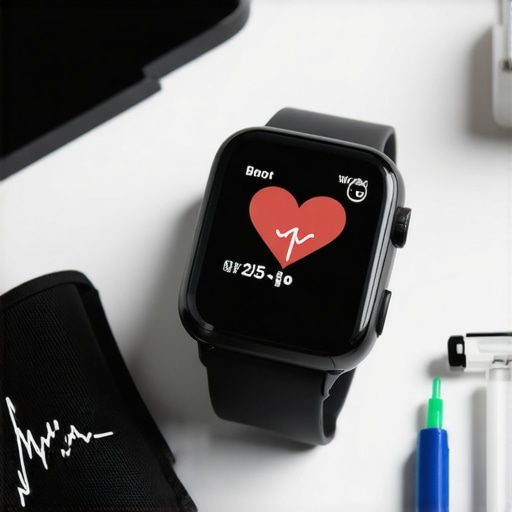
Build a data fortress around your ticker
Maintenance also means staying on top of your defensive line. I used to forget my boosters until I was already sick, but now I use my health dashboard to see why wellness checks are your first step to better health. I’ve integrated personalized vaccination schedules into my annual plan, ensuring my immune system isn’t the weak link when I’m traveling or during flu season. This proactive approach is where the future of medicine is heading—moving away from “sick care” and toward “health optimization.” We are seeing a massive shift toward Continuous Health Monitoring (CHM), where your wearable data and bi-annual labs create a real-time digital twin of your physiology.
Upgrade from emergency care to lifestyle design
If you really want to scale your health, you have to stop viewing the role of lab tests in preventive wellness as a chore. It’s actually your roadmap. For instance, I discovered that how lab tests can detect hidden health risks early meant I could adjust my diet long before my doctor would have traditionally flagged me for concern. I recommend picking one marker you want to optimize—maybe it’s your Ferritin or your A1C—and focusing your next 90 days on just that. Try the 10-minute trick tonight and see how your numbers respond in real-time. It’s the fastest way to prove to yourself that you are actually in control of your biology.
Why I stopped guessing and started measuring my stress
The most profound shift in my recovery happened when I stopped treating my body like a machine that just needed a restart button. I learned that true heart health is about data, not just the absence of symptoms. My biggest lightbulb moment was realizing that a roadmap to a clearer diagnosis doesn’t start when you are sick; it starts while you are still healthy enough to optimize. I also discovered that a stressed-out heart leaves the rest of the body vulnerable, making expert vaccination tips and preventive immunity a critical part of the physical repair process. Prevention is the best shield for a recovering heart.
A few trusted resources for your health dashboard
I don’t leave my wellness to chance anymore, and I recommend you don’t either. My personal toolkit involves using how telehealth transforms personal care to get professional advice without the adrenaline spike of driving to a clinic. I also suggest reading “Why Zebras Don’t Get Ulcers” by Robert Sapolsky to understand the biology of stress. For those who want to debunk the noise, reviewing vaccination myths is a great way to start building a science-backed perspective on overall wellness.
Take the first step toward lasting heart resilience
You have the technology to move from feeling overwhelmed to feeling empowered. Don’t let another month of ignoring the internal check-engine light go by without taking action. Your heart health is the most valuable asset you own, and it’s time to treat it that way. By integrating data with professional insights, you aren’t just surviving burnout—you are building a body that is harder to break. Have you ever felt that lingering heavy chest feeling even after a stressful deadline has passed? Let me know in the comments below.