
Why virtual care is the smartest choice for a suspected ear infection
It is 2 AM, the house is freezing, and your ear feels like someone is driving a hot needle into your skull. Or worse, your child is the one wailing, and you are frantically googling “urgent care open now.” I have been there more times than I would like to admit. In my early days of navigating healthcare, I thought a physical doctor’s office was the only place to get real help. I actually once sat in a waiting room for four hours with a pounding headache just to be told what I already knew. That was a huge mistake. Not only did it drain my energy, but I likely picked up a new bug while sitting next to a stranger coughing into the air. Today, I am going to show you why staying on your couch is actually the smartest move you can make for an earache. We are going to solve the “waiting room fatigue” by walking through why your smartphone is actually the best medical tool in your cabinet.
Stay in Bed and Still Get Better
The reality is that for a suspected ear infection, dragging yourself out of the house is often the unnecessary hurdle. Virtual care isn’t just a “backup” anymore; it is the gold standard for efficiency. I used to worry that I was sacrificing quality for convenience, but the truth is that telehealth insights show virtual visits are just as effective for common acute issues like this. [image_placeholder] When you are in pain, the last thing you need is the stress of traffic and insurance clipboards. Have you ever spent a whole night in an ER waiting room only to realize you could have been treated from home?
How can they see my ear through a screen?
This is the big skepticism. I was a total doubter. I thought, “How can a doctor see my eardrum through an iPhone camera?” But here is the kicker: most ear infection diagnoses are based on a specific set of symptoms and history that you can describe perfectly from your pillow. According to a study published by the American Journal of Managed Care, telehealth visits for acute respiratory and ear-related issues resulted in similar clinical outcomes compared to in-person visits, but with significantly higher patient satisfaction. Plus, with modern smartphone attachments, doctors can get a surprisingly clear look if needed. If you are dealing with a little one, I have learned the hard way that handling a pediatric fever at 2 AM without the ER is not only possible but often preferred by pediatricians to avoid unnecessary exposure to hospital-acquired germs. For us adults, why virtual care is the best choice for late-night earaches comes down to one thing: speed. You get the script, you get the advice, and you get back to sleep.
Your Couch is Safer Than the Clinic
Think about the last time you went to an urgent care. The plastic chairs and the choir of sneezing patients. When you have a suspected ear infection, your immune system is already busy. The last thing you need is a face-to-face encounter with a new strain of the flu. By choosing virtual care, you are creating a “sterile” environment—your own home. It is a major part of how telehealth transforms personal care. It allows you to focus on recovery rather than logistics.
Set the Stage for Your Virtual Exam
To get the most out of a video visit, you have to think like a remote technician. I learned this the hard way last winter when my son woke up screaming with a dual ear infection. I tried to hop on a call immediately, but the lighting in our bedroom was so dim the doctor couldn’t see a thing. I was fumbling with a lamp while trying to soothe a toddler. It was a mess. Now, I have a system. You need to find the brightest room in your house—usually the bathroom—and have a high-powered flashlight ready.
Gather Your Toolkit Before You Dial In
Don’t just show up to the screen empty-handed. Treat this like a mission. You want a thermometer, a flashlight, and if you are helping a child, a favorite toy to keep their head still. Knowing how to prep your child for their first virtual doctor visit can be the difference between a ten-minute call and an hour of frustration. I’ve found that using the ‘selfie’ camera is actually harder for the doctor; instead, use the high-resolution back camera and have someone else hold the phone if possible. If you’re solo, propping your phone against a stack of books at eye level works wonders. 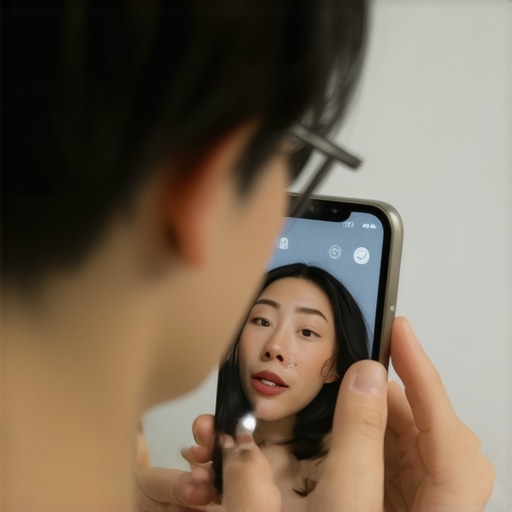
Explain the Pain Without the Guesswork
When the doctor asks ‘how does it feel,’ don’t just say ‘it hurts.’ Be specific. Is it a dull throb, a sharp stabbing, or does it feel like your ear is full of water? Mention if you’ve had a recent cold, as this is the most common trigger. Much like the fastest way to treat a sinus infection via video visit, the diagnosis relies heavily on the ‘story’ of your illness. Tell them if the pain increases when you tug on your earlobe or if you’ve noticed any drainage. This level of detail helps the provider distinguish between an outer ear issue (swimmer’s ear) and a middle ear infection.
Handle the Tech Like a Pro
Check your Wi-Fi signal before you start. There is nothing worse than a laggy connection when you are trying to describe a fever. If the video cuts out, you lose that visual confirmation the doctor needs. If you’ve been struggling with recurring issues, you might even consider understanding lab tests as your roadmap to a clearer diagnosis if the virtual provider suggests a follow-up to rule out underlying allergies or immune gaps.
What Happens if You Need More Than a Script?
Sometimes, a virtual visit is the first step toward a more comprehensive solution. If the doctor determines you need a prescription, they can send it to your local pharmacy instantly. This is essentially the 5-minute virtual move for getting your prescriptions refilled or started without the pharmacy line. However, if the doctor hears something concerning—like a history of high fevers or balance issues—they might use the visit as the fastest path to an urgent care referral from your couch. They do the triage, you get the ‘fast pass’ to the right level of care. It’s about working smarter, not harder, when your body is failing you.Now, let’s dig deeper. While getting a prescription for an earache from your couch is a huge win, the real pro move is understanding how your body works on a data level. Most people assume that if their blood work comes back within the ‘normal’ range, they have a clean bill of health. In my experience, that is one of the most dangerous myths in modern wellness. The standard reference range is often based on a bell curve of the general population—many of whom are already dealing with chronic issues. You don’t want to be ‘normal’ by those standards; you want to be optimal. This is where understanding lab tests as your roadmap to a clearer diagnosis becomes a game-changer. If you are only looking at the surface, you are missing the early warning signs that something is off. For instance, why a full metabolic panel is better than a basic blood draw for fatigue comes down to the granularity of the markers. A basic test might miss a creeping trend in your glucose or a dip in kidney function that hasn’t hit the ‘alarm’ stage yet.
Why does my lab report say I’m fine when I feel terrible?
This is the question that drives most of my deep dives into personal wellness. The answer usually lies in the difference between a snapshot and a story. A single test is just one frame of a movie. To get the full picture, especially when preparing for treatments or preventative care, you need context. For example, the essential lab tests you need for accurate vaccination planning can tell you if your immune system is actually ready to respond to a booster or if you already have natural antibodies. If you just follow a generic calendar without checking your titers, you might be over-vaccinating or, conversely, walking around with zero protection despite your records. 
The hidden supplement trap that ruins your blood work
Here is a specific warning that even seasoned ‘health nuts’ often miss: your morning multivitamin might be lying to your doctor. Many high-end supplements contain high doses of Biotin (Vitamin B7). While great for your hair and nails, the FDA issued a safety communication warning that biotin can significantly interfere with lab tests, specifically those for thyroid function and even heart attack markers like troponin. I’ve seen people get diagnosed with hyperthyroidism simply because they didn’t stop their supplements three days before their draw. This is exactly why your vitamin B12 results might be misleading if you take certain supplements or why your thyroid levels look haywire on paper but feel fine in your body. If you’re using telehealth insights to manage your care, you must mention every single pill you swallow, even the ‘natural’ ones. Have you ever fallen into this trap where a test result contradicted how you actually felt? Let me know in the comments. It is these nuances—the stuff that happens between the clinic visit and the lab draw—that determine whether you are actually getting healthier or just chasing ghosts in the data. By combining telehealth innovations with smart, targeted testing, you take the guesswork out of the equation and finally start getting answers that actually lead to feeling better.
Upgrade Your Home Diagnostic Kit
If you want to stop reacting to health crises and start managing your body like a high-performance machine, you need more than just a thermometer. In my personal kit, I’ve swapped out the guessing games for professional-grade hardware. For ear concerns, I use a Teslong digital otoscope that connects directly to my smartphone. It provides a crystal-clear, high-definition view of the eardrum, making it easy to show a provider exactly what is happening inside the canal during a video call. This level of clarity removes the ‘maybe’ from a diagnosis. Similarly, for cardiovascular tracking, I rely on an Omron Evolv. It is a wireless, cuff-integrated monitor that syncs data to an app, which I then share with my doctor. This is the easiest way to manage heart health markers between scheduled doctor visits without needing a clinical appointment every time you feel a flutter. 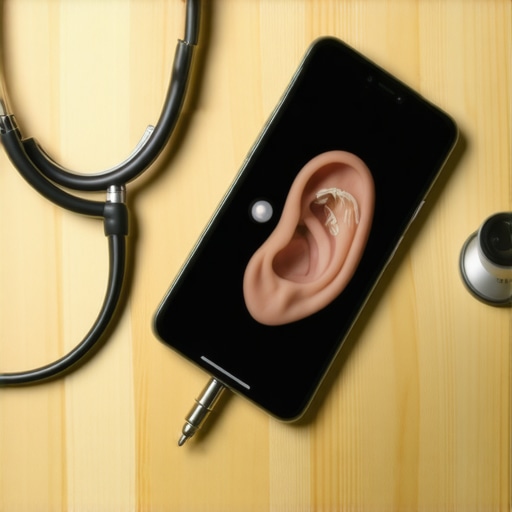
How do I maintain my health data over the long haul?
Maintenance isn’t a one-and-done event; it is a rhythm. I schedule my blood work every six months to ensure my markers aren’t just in the ‘normal’ range, but in my personal ‘optimal’ zone. I’ve found that why wellness checks are your first step to better health at 945 am isn’t just a catchy phrase—it’s about establishing a baseline when you are healthy so you can spot the deviation when you are not. This is particularly vital when you are maximizing your health by combining vaccinations and lab testing strategies. By keeping a digital folder of every lab report, I can see if my immune response is flagging or if my glucose is slowly creeping up year-over-year. As Dr. Eric Topol, a pioneer in digital medicine, notes in his work Deep Medicine, ‘The individual will be the center of the medical universe,’ and that only happens if you own your data.
The Future of Your Pocket-Sized Hospital
I predict that within the next three years, we will see the wide-scale adoption of ‘multi-modal AI’ in telehealth. This means your doctor won’t just look at you through a screen; an AI layer will analyze your skin tone, voice frequency, and even minor tremors in real-time to flag issues you didn’t even mention. We are moving toward personalized vaccination schedules for better disease prevention based on real-time immune profiling rather than generic age brackets. My challenge for you is this: Don’t wait for the next earache or energy crash to test this system. Buy one high-quality diagnostic tool this week—whether it’s a smart blood pressure cuff or a digital otoscope—and use it to establish your baseline today. Taking control of your health data is the ultimate flex in a world that often wants to keep you as a passive patient.
The Lessons I Learned While Navigating the Digital Clinic
After years of trial and error, I realized that the most common mistake is waiting for a crisis to interact with your doctor. One lightbulb moment for me was discovering how supplements can actually sabotage your data. For instance, did you know that Biotin can skew your results? This is exactly why your vitamin B12 results might be misleading if you take certain supplements, making you look healthier or sicker on paper than you really are.
Another major shift in my thinking was viewing labs as a trend rather than a pass/fail grade. I now know why regular lab tests are critical for your wellness journey; they allow you to catch a whisper before it becomes a scream. Finally, I have embraced that convenience does not compromise care. Using the 5-minute virtual move for getting your chronic prescriptions refilled has saved me countless hours in traffic, allowing me to focus on actual recovery instead of logistical headaches.
The Pro-Patient Toolchest for Home Diagnostics
Building a home health hub changed everything for my family. I highly recommend the Teslong Digital Otoscope for anyone prone to ear issues—it is how I get those high-res images that make virtual visits so effective. For heart health, the Omron Evolv is my gold standard because it removes the wire-fumbling frustration. I also suggest reading Deep Medicine by Eric Topol; it completely shifted my perspective on how AI and unlocking the power of telehealth can put the patient back in control. [image_placeholder] By staying informed on how lab tests can detect hidden health risks early, you transition from being a passenger to the pilot of your own biology.
Take the Driver’s Seat in Your Health Journey
You no longer have to be at the mercy of a 2 AM earache or a confusing lab report. By leveraging modern telehealth insights and being proactive about your testing, you can build a lifestyle that prioritizes longevity and clarity. Remember, why wellness checks are your first step to better health is about more than just checking a box—it is about honoring your body’s unique needs. Don’t wait for a symptom to start your journey; start with data today. Have you ever been surprised by a lab result that didn’t match how you felt? Let me know in the comments below!