
How virtual physical therapy can fix your tech-neck without an office visit
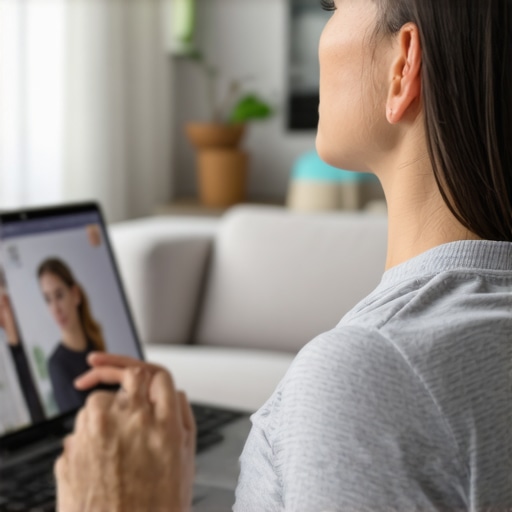
I woke up last Tuesday and literally could not look to the left. Not even an inch. It felt like a hot tent stake had been driven into the base of my skull, and every time I tried to move, a jolt of electricity shot down my shoulder. My first thought was that I had slept wrong, but deep down, I knew the culprit. I had spent the previous eight hours hunched over my laptop like a gargoyle, followed by another two hours of ‘relaxing’ while looking straight down at my phone. My neck wasn’t just tired; it was in full-blown revolt. I tried the usual DIY fixes: rubbing it with some icy-hot, rolling my head around until it popped, and even trying some weird ‘neck bridge’ I saw on a fitness forum.
Spoiler alert: I made it worse. Much worse. That is when I realized that my stubbornness was costing me more than just comfort; it was costing me my productivity. I needed professional help, but the thought of driving forty minutes across town to sit in a waiting room made my already-throbbing head spin. That is when I stumbled into the world of virtual care. I am going to show you exactly how I reclaimed my range of motion without ever leaving my home office. We are going to dive into the specifics of how a screen and a camera can actually offer better results than a traditional clinic visit for that nagging ‘tech-neck’ pain. Have you ever found yourself unconsciously rubbing the back of your neck at 3 PM, wondering if you are destined to have a permanent hunch?
The Morning My Neck Finally Decided to Quit
I used to think physical therapy required a gym full of heavy equipment and a therapist physically poking and prodding my spine. I was wrong. My biggest mistake early on was assuming that if a professional didn’t put their hands on me, the treatment wasn’t ‘real.’ In reality, my recovery started the moment I learned how to fix your posture during a long workday to avoid chronic neck pain through a simple video consultation. The therapist didn’t need to touch me to see that my monitor was four inches too low and my shoulders were perpetually hiked up to my ears. We often ignore these small ergonomic disasters because we think we’re ‘toughing it out,’ but we’re really just building a foundation for chronic injury. According to a study published in the Journal of Medical Internet Research, telehealth interventions for musculoskeletal conditions can be just as effective—and sometimes more convenient—than traditional in-person care because they focus on real-world environment adjustments. This shift is part of the broader movement of how telehealth transforms personal care by bringing the expert into your actual living space, where the problems usually start.
Is Virtual Therapy Actually Just a Fancy Skype Call?
I get the skepticism. I really do. You’re wondering how on earth someone can fix a physical ailment through a computer screen. I asked the same thing. But the ‘magic’ of virtual PT isn’t in some high-tech gadget; it’s in the movement education and the accountability. When you are in a clinic, you are an observer of your own care. When you are on a virtual call, you are the primary actor. My therapist watched me move, corrected my form in real-time, and helped me understand the future of accessible healthcare services isn’t about the office—it is about the habit. For me, the win wasn’t just the lack of a commute; it was the fact that I learned to manage my own body in the very chair where I spend most of my life. This approach is often why virtual care is the smartest choice for issues that are driven by daily habits rather than acute trauma. Instead of a temporary fix, I got a permanent lifestyle upgrade.
Turn Your Desk Into a Recovery Zone
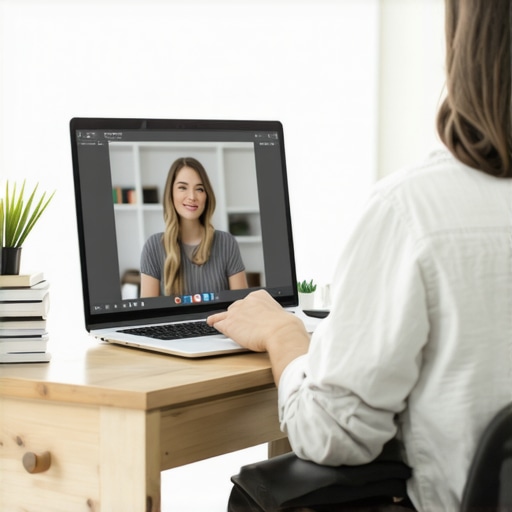
The first thing my therapist had me do wasn’t a stretch; it was a photoshoot of my desk. I had to prop my laptop on a stack of old encyclopedias until the camera was at eye level. This simple adjustment is the cornerstone of how to fix your posture during a long workday to avoid chronic neck pain. Once my environment stopped attacking me, we moved to the internal factors. If your monitor is too low, you are essentially asking your neck to hold up a twelve-pound bowling ball at a forty-five-degree angle all day. No amount of massage can fix that mechanical disadvantage.
Stop Guessing and Start Testing Your Blood
Last year, I convinced myself my fatigue and muscle tightness were just ‘stress.’ I started taking a random assortment of pills from a big-box store, but nothing changed. It turns out, why a targeted blood test is better than guessing with generic multivitamins became crystal clear when my virtual consult revealed a massive deficiency I hadn’t even considered. I was taking the wrong magnesium. My micro-story is a mess of wasted money; I bought a cheap oxide version that did nothing but upset my stomach. After a quick virtual review of my labs, I switched to the specific magnesium form that stops muscle cramps in days, and the ‘electric shocks’ in my neck finally subsided. If you are struggling with recovery, you need to understand why regular lab tests are critical for your wellness journey rather than just throwing supplements at a wall to see what sticks.
Sync Your Schedule With Modern Immunity Tools
Wellness isn’t just about ergonomics and minerals; it is about staying ahead of the curve. During one of my sessions, we discussed how my recovery was being hindered by poor sleep cycles. We used 3 simple ways to lower your morning cortisol naturally to get my nervous system out of ‘fight or flight’ mode. This holistic approach is why telehealth is so powerful—it links your physical pain to your chemistry. For instance, if you’re over fifty, you might not realize that physical resilience is tied to your immune status. There is the specific vaccine adults forget after they turn fifty that can prevent complications that would otherwise sideline your fitness goals for months. By utilizing personalized vaccination schedules for better disease prevention, you are essentially building a moat around your health.
The Five Minute Path to Professional Referrals
The most frustrating part of traditional healthcare is the ‘referral loop.’ You wait three weeks for a primary care visit just to get a piece of paper for a specialist. With virtual care, you can often bypass the bureaucracy. I learned how to get a specialist referral via a virtual visit in under twenty minutes, which allowed me to see a neurologist for my migraines while I was still in the acute phase of my neck injury. This same efficiency applies to routine maintenance. Whether you are looking for the 5-minute path to renewing blood pressure meds online or simply need to verify your essential lab tests you need for accurate vaccination planning, the goal is to spend less time in waiting rooms and more time in the movement patterns that actually heal you.
Most people believe that a ‘normal’ lab result is a clean bill of health. I used to be one of them. I’d get my annual results back, see a row of green checkmarks, and assume my fatigue was just a character flaw. But here is the contrarian truth: ‘normal’ is simply the average of a largely sedentary and increasingly unhealthy population. If you want to feel optimal, you have to look beyond the basic ranges. For example, why a standard lipid panel isnt enough to assess your real heart risk becomes obvious when you realize it ignores particle size and inflammation markers. You might be ‘normal’ on paper while your body is quietly struggling to maintain equilibrium. This is where understanding the role of lab tests in preventive wellness shifts from a luxury to a necessity.
Why Do My Labs Look Perfect While I Still Feel Exhausted?
This is the question that finally pushed me to seek a virtual specialist. The ‘oops’ factor in modern medicine is often the timing and preparation for these tests. Did you know that your morning coffee or even your nightly supplement can throw off your results? In fact, why your vitamin b12 results might be misleading if you take certain supplements is a trap many wellness enthusiasts fall into, leading to missed diagnoses of actual deficiencies. According to a study in the Journal of Clinical Medicine, subclinical deficiencies often go undetected because standard reference intervals are too broad to catch early-stage physiological decline. This is why why regular lab tests are critical for your wellness journey; you need a baseline of your own ‘personal best,’ not just a comparison to the general public. 
Don’t Let Outdated Records Stall Your Progress
Another common myth is that your childhood shots cover you for life. Many adults are walking around with zero immunity to things they assume they are protected against. When I started looking into the essential lab tests you need for accurate vaccination planning, I realized my records were a mess of yellowed paper and missing dates. Relying on memory is a dangerous trap. Whether you are trying to how to track down old vaccine records for a new job or simply ensuring your personalized vaccination schedules for better disease prevention are up to date, the data must be precise. Virtual care allows you to bridge this gap by reviewing your actual titers—blood tests that prove immunity—rather than just guessing. This high-level oversight is how telehealth transforms personal care into a proactive shield rather than a reactive fix. Have you ever fallen into the ‘but my labs were normal’ trap? Let me know in the comments.I used to think that once my neck pain vanished, I could just go back to my old ways. I was wrong. Maintenance is where most people fail because they stop doing the things that got them healthy in the first place. My ‘secret weapon’ for staying pain-free isn’t just a better chair; it is a digital health stack that keeps me honest. I now treat my body like a high-performance vehicle that requires scheduled diagnostic pings rather than waiting for the ‘check engine’ light to flicker. This starts with understanding the role of lab tests in preventive wellness as a quarterly habit, not an annual chore. By keeping a digital log of my results, I can spot trends before they turn into symptoms. For instance, I noticed my inflammatory markers creeping up three weeks before I actually felt any joint stiffness. That’s the power of proactive data.
Build a Digital Health Stack That Actually Works
To keep the ‘tech-neck’ at bay and my energy high, I use a combination of a high-quality wearable and monthly virtual check-ins. I am obsessed with my Heart Rate Variability (HRV) because it is the most honest indicator of my nervous system’s state. If my HRV drops, I know I need to scale back the intensity of my workouts and focus on 3 simple ways to lower your morning cortisol naturally. But a wearable only tells half the story. You have to verify that data with chemistry. I’ve found that the specific blood markers that indicate you are overtraining your heart, such as Creatine Kinase (CK) and highly sensitive C-Reactive Protein (hs-CRP), provide the ‘why’ behind the ‘what’ on my wrist. A study published in the Journal of Strength and Conditioning Research found that monitoring these specific biomarkers alongside HRV can significantly reduce the risk of injury and burnout in active adults. It is about creating a feedback loop between your tech and your biology. 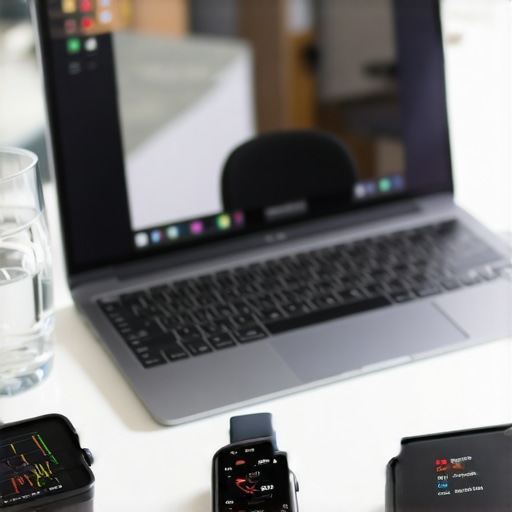
The Bio-Benchmarks I Check Every Ninety Days
Consistency is the enemy of complacency. I have a calendar alert every three months to review my ‘bio-benchmarks’ via a quick video call. We look at everything from metabolic health to immunity. I make sure my essential lab tests you need for accurate vaccination planning are up to date so I’m never caught off guard by a seasonal surge. This is especially important for the ‘invisible’ stuff. For example, maximize your health combining vaccinations and lab testing strategies allowed me to realize that my antibody levels for certain boosters were lower than expected, despite my records being technically ‘current.’ I no longer guess; I test. I also use these sessions to verify what your sleep tracker is actually telling you about your heart health, ensuring the device’s algorithms aren’t misinterpreting my late-night reading sessions as deep sleep.
How can I keep these results from fading?
Maintenance requires a shift from ‘fixing’ to ‘fine-tuning.’ I predict that in the next five years, telehealth insights the future of accessible healthcare services will include AI-driven predictive modeling that tells you exactly when you are about to get sick based on your blood chemistry and wearable data. Until then, you have to be your own advocate. The easiest way to do this is to schedule your next virtual lab review before you finish your current one. If you wait until you feel tired or stiff again, you’ve already lost the momentum. My advice? Don’t just sit there wondering why your energy is dipping; take five minutes today to book a virtual consultation and ask for a ‘comprehensive metabolic and inflammatory panel’ to see what’s really happening under the hood. It’s the single best investment you can make in your future self.
The Hard Lessons That Finally Stopped My Perpetual Neck Pain
The most important thing I discovered wasn’t a specific stretch, but the realization that my physical pain was a feedback loop between my environment and my internal chemistry. I spent years thinking a massage would fix me, but it was just a Band-Aid. I learned that wellness checks are your first step to understanding why your muscles are constantly in a state of high alert. If your body is fighting a subclinical deficiency or chronic inflammation, no ergonomic chair in the world will keep you from feeling stiff. My lightbulb moment was realizing that I had to treat my recovery like a professional athlete would—with data, not guesses.
#IMAGE_PLACEHOLDER_E#
My Essential Tools for Staying Out of the Waiting Room
To keep this momentum, I have curated a toolkit that focuses on prevention rather than reaction. First, I use a dedicated monitor riser to ensure I am never looking down. Second, I rely on regular diagnostics to detect hidden health risks early before they manifest as physical pain. I also maintain a digital health binder that uses a strategy of combining vaccinations and lab testing to keep my immune system as resilient as my posture. These tools are not just about avoiding a sore neck; they are about reclaiming the energy I used to lose to chronic discomfort. I trust these methods because they moved me from being a passive patient to an active manager of my own biology.
Start Building Your Proactive Health Shield Today
You do not have to wait for a hot tent stake feeling in your neck to take action. The benefits of telehealth in managing chronic wellness are available right now, and they offer a level of precision that traditional clinic visits often miss. We are living through an era where how virtual care is changing wellness means you have a specialist in your pocket at all times. Stop accepting normal results when you feel sub-optimal. Take that first step, look at your data, and adjust your space. Your future self—the one who can turn their head without wincing—will thank you. Have you ever found that a simple ergonomic change fixed a long-term pain? Let me know in the comments below!