
Why your iron levels might be low even if you eat plenty of red meat

I’ll never forget the day my doctor looked at my blood work and asked if I was a vegetarian. I almost laughed out loud. At that point, my diet was practically fifty percent grass-fed beef. I was the ‘meat guy.’ Yet, there I was, staring at a ferritin level so low it explained why I needed three naps a day just to survive. It was a visceral wake-up call that ‘you are what you eat’ is a total lie; you are actually what you absorb. My body was acting like a sieve for the very nutrients I was trying to give it, and we are going to bridge that gap today.
Your Gut Might Be Rejecting That Expensive Ribeye
For months, I thought I was doing everything right. I bought the best cuts, cooked them in heavy cast iron, and strictly avoided the bread basket. But I was making one massive mistake: I was washing every single meal down with a huge cup of black coffee. I didn’t realize that the tannins in my favorite brew were effectively putting a padlock on my iron receptors. According to the Iron Disorders Institute, certain compounds in tea and coffee can reduce iron absorption by as much as 60 to 90 percent when consumed with a meal. It is a frustrating reality. You spend the money and the effort, but your body never gets the memo. This is exactly why understanding lab tests is so vital; you need to see the full picture, not just the basic hematocrit levels. Have you ever felt like you were doing all the right ‘healthy’ things but still felt completely drained?
Can You Really Trust Your Current Lab Results?
Most people assume that if their hemoglobin is ‘fine,’ their iron is fine too. I fell into that trap for nearly a year. I ignored the signs of a nutrient deficiency that causes heart palpitations because I thought my high-protein intake had me covered. But standard panels often miss the early warning signs of storage depletion. Before you go buying every expensive supplement on the shelf, you should check your iron status specifically to see if the problem is your intake or your absorption. We are going to dive into how to fix your gut environment so that steak actually starts working for you again instead of just passing through.
Clear the Intestinal Customs Gate
To fix the leak in your nutrient bucket, you have to think of your small intestine as a high-security customs border. Every time you eat, your body decides what gets a ‘visa’ and what gets deported. When you flood your system with tannins from coffee or tea during a meal, you are essentially handing the customs agent forged documents. The iron is there, but it’s being blocked at the gate. I learned this the hard way during a phase where I was training for a marathon. I was eating pounds of steak but felt like my legs were made of concrete. It wasn’t until I realized that checking your iron levels before starting a high-intensity gym routine is the only way to know if your ‘customs agents’ are actually doing their job. Once I cleared the tea out of my lunch hour, my energy levels didn’t just crawl back; they sprinted. 
Pair Your Plate with Chemical Escorts
Absorption is a team sport. Non-heme iron (the kind found in plants and even some enriched meats) is notoriously difficult for the body to grab. It needs an escort. Vitamin C acts as that VIP pass. I remember sitting at a steakhouse once, frantically squeezing lemon wedges into my water and over my filet like a madman. I accidentally sprayed the guy at the next table, which was embarrassing, but that simple acidic addition changed my labs in six weeks. This is one of the most effective moves to improve your gut health without buying expensive supplements. You don’t need a thirty-day ‘detox’ kit; you need to understand the chemistry of your dinner plate. By lowering the pH in your stomach during the meal, you make the iron more soluble and ready for transport.
Swap Your Office Wait for Virtual Diagnostics
The biggest hurdle to fixing my deficiency wasn’t the diet; it was the logistics. Waiting three weeks for a fifteen-minute appointment to discuss blood work was a cycle that kept me tired for a year. I finally bypassed the traditional system by unlocking the power of telehealth for fast convenient wellness access. Instead of sitting in a germ-filled waiting room, I had a specialist explain my ferritin-to-hemoglobin ratio over a video call while I was on my lunch break. This speed is critical because you can’t fix what you haven’t measured accurately. I discovered that a full metabolic panel is better than a basic blood draw because it caught a secondary issue with my electrolytes that a standard physical would have missed entirely.
Stop Letting Caffeine Mask the Root Cause
We often use stimulants to paper over the cracks in our foundation. For years, I thought my 3 PM slump was just part of ‘being an adult,’ so I’d reach for a double espresso. In reality, that daily coffee habit might be masking a serious thyroid issue or a blood sugar roller coaster. I had to learn how to stabilize my baseline before I could trust my energy levels again. I started implementing moves to lower your fasting glucose, which stopped the mid-day crashes that I used to blame on poor sleep. When you stop using caffeine as a crutch, you finally see the true state of your health, allowing you to optimize your diet based on your specific genetic lab markers rather than just guessing.The biggest lie we are told in modern medicine is that ‘normal’ on a lab report means you are healthy. I call this the ‘reference range trap.’ These ranges are based on a bell curve of the general population—many of whom are not exactly the picture of vitality. If your ferritin is at the absolute bottom of the range, your doctor might check the ‘normal’ box, but you’ll still feel like you’re walking through waist-deep molasses. This is why looking at 7 markers in your blood work that actually predict longevity is far more useful than just surviving another year within the standard deviations. We need to stop aiming for a ‘C minus’ grade in our health. Have you ever fallen into this trap of being told you’re fine when your body was screaming otherwise? Let me know in the comments.
Why did my labs come back normal when I feel like a train wreck?
It often comes down to timing and hidden interference. Here is an ‘oops’ factor most people ignore: your morning beauty routine. If you take a high-dose Biotin supplement for your hair or nails, you are potentially sabotaging your data. The FDA issued a formal safety communication warning that Biotin can significantly interfere with certain lab tests, leading to falsely high or low results in thyroid panels and even heart attack markers. It is one reason why your vitamin B12 results might be misleading if you take certain supplements. I always tell people to pause their B-complexes for at least three to five days before a draw. If you don’t, you’re essentially giving your doctor a map of the wrong city.  We also need to talk about the nuance of preventive care. People tend to treat vaccinations like a ‘one and done’ checkbox, but for adults, it’s a living strategy. There are vaccinations myths busted what you need to know in 2025, specifically regarding how your current health status dictates your response. For instance, if your system is currently battling high silent inflammation, your immune response to a booster might not be as robust. This is why getting the essential lab tests you need for accurate vaccination planning is a game-changer. It’s not just about the shot; it’s about making sure your body has the resources to actually learn from it. This high-level coordination is where telehealth finally shines. I used to think virtual care was just for quick refills. I was wrong. It’s actually better for the ‘deep work’ of health. When you use telehealth innovations how virtual care is changing wellness, you get more time to actually interpret a high cortisol result without the panic that usually sets in when a doctor rushes out of the room. You can sit in your own living room, pull up your data, and have a nuanced conversation about why your blood sugar spikes in the morning even if you didn’t eat. It’s about moving from reactive ‘sick care’ to proactive, data-driven wellness.Once you stop treating your health like an emergency room visit and start treating it like a long-term investment, the tools you use change completely. I used to keep my lab results in a messy kitchen drawer; now, I treat my blood markers like a stock portfolio. This shift in mindset is the only way to avoid backsliding into fatigue. I personally use a simple longitudinal spreadsheet where I map my ferritin, vitamin D, and fasting glucose across three-year blocks. Why? Because a single ‘normal’ result doesn’t tell you if you are trending toward a cliff. This is why regular lab tests are critical for your wellness journey; they provide the data points necessary to draw a line of best fit for your life. When I saw my glucose slowly creeping up despite my ‘clean’ eating, it was a signal to adjust my fiber intake months before a doctor would have ever flagged it as pre-diabetic.
How do I maintain my health markers over time?
Maintenance isn’t about perfection; it is about early detection and the tools that make it easy. I have become a massive proponent of using wearables to ‘verify’ what the labs are saying. If my Oura ring shows a consistently high resting heart rate, I don’t just guess that I am stressed; I jump on a video call to see if we should run a panel. This is a perfect example of exploring the benefits of telehealth in managing chronic wellness. You can use these virtual touchpoints to cross-reference your wearable data with clinical markers. It turns a gadget into a diagnostic tool. I also make sure my preventive strategy is updated annually, looking at personalized vaccination schedules for better disease prevention based on my travel plans and current immune status. 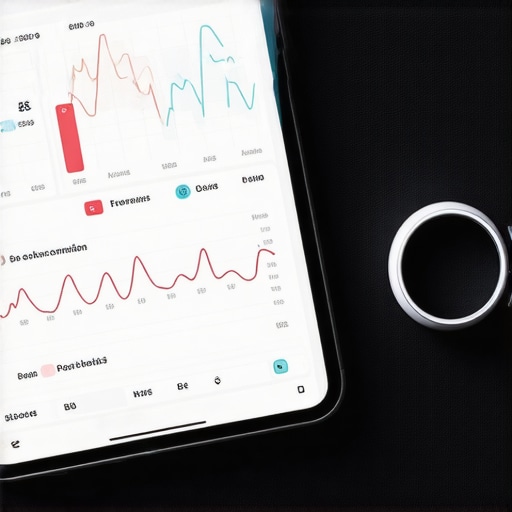
The Digital Medicine Cabinet of the Future
I predict that within the next five years, the ‘annual physical’ will be dead. Instead, we will move toward continuous, passive monitoring where your bathroom mirror or your watch identifies shifts in your biochemistry in real-time. We are already seeing telehealth insights the future of accessible healthcare services pointing toward a model where your data is analyzed by AI before it even reaches a human doctor. According to a 2023 report in the Journal of Clinical Medicine, longitudinal tracking of routine blood work can predict the onset of chronic conditions up to three years earlier than traditional diagnostic methods. This is why I am so obsessed with how lab tests can detect hidden health risks early in your wellness pathway. You aren’t just looking for what is wrong today; you are looking for what might go wrong in 2027.
Stop Guessing and Start Measuring
If you want to keep your energy levels from cratering again, you have to be the CEO of your own biology. This means knowing exactly which specific markers prove your exercise routine is actually working rather than just hoping the sweat equals health. It also means realizing that why wellness checks are your first step to better health isn’t just a marketing slogan—it is a logistical necessity. My advanced tip for you this week: download your last three years of blood work and put them into a simple line graph. If you see a downward trend in something like B12 or iron, even if you are still in the ‘green’ zone, book a consult immediately. Do not wait for the red box to appear on the screen before you take action.
The One Thing My Doctor Never Mentioned About Nutrient Timing
After years of feeling like I was running on empty, I realized that the most important lessons aren’t found in a textbook, but in the nuance of daily habits. First, I learned that timing is everything. Swapping my coffee for a lemon water during meals wasn’t just a lifestyle choice; it was a biochemical necessity to stop blocking my iron intake. Second, I realized that understanding the role of lab tests in preventive wellness means looking at trends, not just snapshots. A single ‘good’ day doesn’t mean the foundation isn’t crumbling.
Another lightbulb moment was discovering that exploring the benefits of telehealth in managing chronic wellness allowed me to ask the ‘stupid’ questions I was too embarrassed to ask in person. It turned my healthcare from a lecture into a partnership. I finally understood that my body isn’t a machine that occasionally breaks; it’s a garden that needs constant, data-driven tending.
My Survival Kit for Better Energy
If you are ready to stop guessing, there are three tools I swear by. First, get a simple longitudinal tracker, like a basic Google Sheet, to map your ferritin and glucose over time. Seeing the line move is more powerful than any single report. Second, I highly recommend the book ‘Atomic Habits’ by James Clear—it provides the perfect framework for making small, acidic dietary shifts like adding Vitamin C to your plate. Finally, I trust revolutionizing wellness how telehealth transforms personal care because it provides the speed needed to catch issues before they require a hospital visit. Combining these strategies creates a safety net that traditional medicine often misses.
Your Energy Is Waiting for the Right Data
It is easy to feel defeated when your body doesn’t reflect the effort you’re putting in. But remember, the fatigue isn’t a character flaw; it’s just a data point. By taking charge and maximizing your health combining vaccinations and lab testing strategies, you are giving yourself the best chance at a vibrant life. Don’t let a ‘normal’ lab result silence your intuition. If you feel off, keep digging. Your future self will thank you for being the advocate you needed today. Taking these lab tests seriously is the first step toward reclaiming your spark.
Have you ever had a lab result come back ‘normal’ even though you felt completely exhausted? Let me know in the comments below.