
The hidden reason your blood pressure spikes only when you are at the office
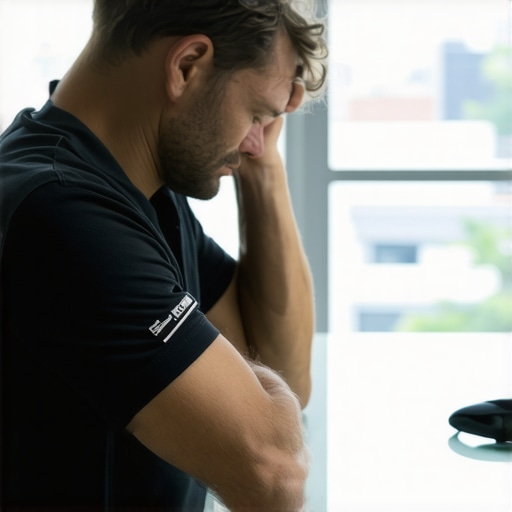
I’ll never forget the Tuesday my heart decided to run a marathon while I was just sitting in a boring status meeting. I felt that familiar, dull throb behind my eyes, and I could practically see my pulse jumping in my reflection on the computer screen. When I finally snuck away to use my portable monitor, the numbers were terrifying—155 over 95. I was convinced I was headed for a crisis. Yet, by the time I walked through my front door two hours later, I was a cool 118 over 75. It wasn’t a fluke; it was a pattern. Today, I want to pull back the curtain on why your workplace is playing games with your cardiovascular health and show you exactly how to take control of those spikes before they do real damage.
Your Desk Might Be Sabotaging Your Heart
I used to make the classic mistake of thinking another double-shot latte would help me power through that midday slump, completely ignoring the fact that my body was already screaming for a break. I was essentially pouring gasoline on a fire. We often talk about ‘white coat hypertension’ at the doctor’s office, but workplace spikes are just as dangerous because they happen during the majority of your waking hours. According to the American Heart Association, chronic work stress is linked to a 40 percent increased risk of heart disease. It is not just about the deadlines; it is about how your environment keeps your nervous system on high alert. I have learned the hard way that fixing your posture and tech neck is not just for physical comfort—it is essential for calming your internal pressure.
Is my boss actually the one causing this?
It is easy to blame the manager or the mounting emails, and while they play a part, the root cause is often your body’s fight-or-flight response getting stuck in the on position. Have you ever felt that sudden surge of heat in your face the moment a high priority notification hits your phone? That is your adrenaline artificially inflating your pressure. To really get to the bottom of it, I had to stop guessing and start looking at detailed lab results to see how my stress markers were actually behaving. Once I started implementing this simple 10-minute trick for lower readings, I finally broke the cycle. Does your blood pressure seem to have a mind of its own the second you badge into the building? I would love to know if you have experienced that midday surge too.To stop the cycle of workplace-induced spikes, you need to treat your body like a high-performance engine that requires real-time telemetry. You wouldn’t drive a car with a broken dashboard, so why navigate your career without knowing your internal metrics?
Stop Guessing and Start Measuring Your Stress Response
The first thing you need to do is establish a stress map. This means checking your pressure not just when you feel calm, but specifically during those peak hours of chaos. I started keeping a log right next to my mouse pad. I realized that my pressure didn’t just rise because of work; it rose because I was ignoring the physical signals of burnout. By using the best way to monitor your heart health after a high stress month, I could see the direct correlation between my urgent emails and my soaring systolic numbers. 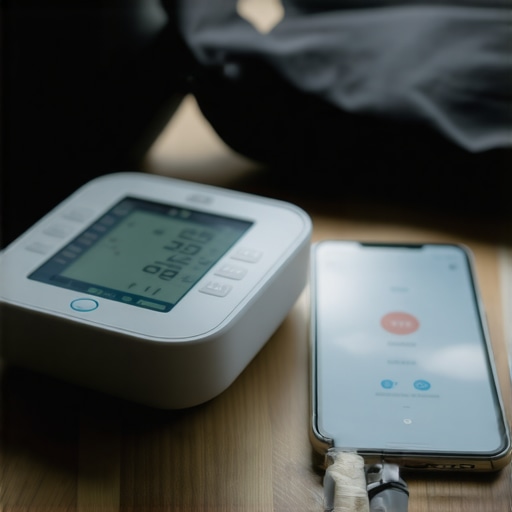
Get the right data before you panic
Most people just get a standard physical once a year, but that is a snapshot of a single moment. To get the full picture, you need to look at markers that indicate how your organs are handling the load. For instance, why a full metabolic panel is better than a basic blood draw for fatigue becomes clear when you see how your electrolyte balance shifts under pressure. I remember one Tuesday when I felt particularly sluggish and heavy. I assumed it was just lack of sleep, but my labs showed my cortisol was through the roof. Learning how to interpret a high cortisol result without the panic changed my entire approach; instead of more caffeine, I needed more magnesium and a literal five-minute eyes-closed break.
Bypass the waiting room anxiety with telehealth
One of the biggest hurdles to managing hypertension is the stress of the doctor’s office itself. The commute, the parking, and the fluorescent lights can drive your pressure up before the cuff even touches your arm. This is where exploring the benefits of telehealth in managing chronic wellness becomes a game changer. I recall a time I was running low on my maintenance meds during a particularly brutal project week. The thought of taking three hours off for an in-person visit was stressing me out more than the work itself. I discovered the 5-minute virtual move for getting your chronic prescriptions refilled, and it felt like a weight lifted. I had a ten-minute video call from my quiet home office, my pressure was normal because I was in my own environment, and my script was sent to the pharmacy instantly.
Sync your lab work with your real-world routine
Don’t just wait for an annual check-up to see if your lifestyle changes are working. You need to be proactive about identifying the hidden lab markers that show the first signs of physical burnout. Last year, I decided to test my levels mid-quarter rather than during a vacation. The results were messy—my inflammation markers were higher than I’d like to admit—but that raw data was the wake-up call I needed to actually stick to my boundaries. It is about moving from reactive crisis management to a proactive wellness strategy that fits into your actual life, not just your ideal life.Most wellness advice tells you to watch your A1c, but that is actually a lagging indicator. By the time your A1c moves, your body has been struggling for years. In my experience, why your fasting insulin matters more than your A1c for metabolic health is the conversation we should be having. High insulin is the silent alarm that sounds long before the fire of high blood sugar starts. If you only look at the average, you miss the spikes that are doing the structural damage right now. This is a common nuance many primary care visits miss because they are focused on disease states rather than the optimization of function.
Why your A1c is likely hiding the truth
We have been taught that a 5.4 A1c is perfect, but this metric only shows the average of your blood sugar over three months. It doesn’t show the violent swings caused by that 2 PM presentation or the stress of a commute. I have seen countless professionals with ‘normal’ results who are actually in a state of hyperinsulinemia—their bodies are working overtime to keep those averages down. By shifting your focus and understanding why wellness checks are your first step to better health at 945 am, you can catch these trends before they manifest as chronic hypertension. 
Does your standard lipid panel actually measure heart risk?
Another trap is the standard lipid panel. We’ve been conditioned to fear cholesterol, but why a standard lipid panel isnt enough to assess your real heart risk becomes obvious when you realize half of people hospitalized for heart attacks have normal cholesterol levels. You need to look for the one marker that predicts heart risk better than cholesterol, which is often inflammation or ApoB. According to a study in the Journal of the American College of Cardiology, Lipoprotein(a) and other specific particles provide a much clearer picture of your arterial health than a basic LDL number. If you are only getting the basic panel, you are essentially trying to predict the weather by only looking at the temperature.
Does a normal blood sugar reading mean you are actually safe?
Many patients feel a sense of relief when their fasting glucose comes back at 95. However, if your body had to pump out triple the normal amount of insulin to keep it there, you are still on the path to burnout. This is the hidden nuance of wellness: a ‘normal’ result doesn’t always mean a ‘healthy’ function. It is about the effort your body exerts to maintain that baseline. The ‘Oops’ factor hits hardest with supplements too. I see so many people spending hundreds on ‘natural’ cures for fatigue without realizing why a targeted blood test is better than guessing with generic multivitamins. If you are taking high doses of biotin, for example, why your vitamin b12 results might be misleading if you take certain supplements becomes a real clinical problem, as it can interfere with laboratory assays and give you a false sense of security.
Stop ignoring the adult boosters your doctor forgot to mention
We think of shots as something only for kids, but the specific vaccine adults forget after they turn fifty—like shingles or updated pneumonia protection—is vital for keeping your immune system robust under the weight of high-stress years. Even why adult tetanus boosters are more important than you think often gets lost in the shuffle of busy schedules. These aren’t just ‘extra’ steps; they are the foundational armor that allows you to perform at your peak without your health becoming a liability. Have you ever fallen into this trap of thinking a ‘normal’ lab result meant everything was fine? Let me know in the comments.
Build Your Own Early Warning System
To stay ahead of the curve, I stopped relying on how I ‘felt’ and started trusting my personal health dashboard. I realized that my body gives off subtle signals days before a major pressure spike or a fatigue crash. To track this, I use a combination of heart rate variability (HRV) monitoring and quarterly blood work. According to research published in the Journal of Medical Internet Research, high-frequency HRV data can accurately predict physiological stress responses before they manifest as physical symptoms. By watching my ‘stress score’ on my wearable, I can see when I am overreaching. If my HRV drops for three days straight, I don’t wait for a headache; I immediately look into the best way to monitor your heart health after a high stress month and scale back my intensity. 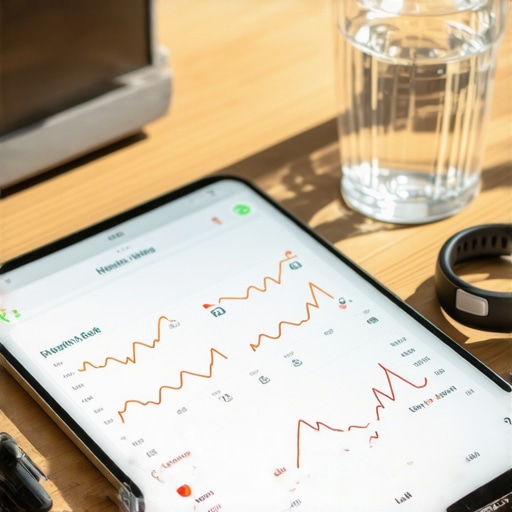
How do I keep these numbers stable when life gets crazy?
Consistency isn’t about being perfect every day; it is about having a system that catches you when you slip. For me, that means a ‘maintenance stack’ of tools. I treat my health like a project management board. Every quarter, I schedule a visit to look at understanding the role of lab tests in preventive wellness. This isn’t just about cholesterol; it is about checking the specific blood marker that flags silent inflammation before it becomes a problem. If my CRP is creeping up, I know my ‘clean’ diet has too many hidden inflammatory triggers. I also make it a point to stay current with my defensive health. I used to be the person who forgot every booster, but now I follow personalized vaccination schedules for better disease prevention to ensure my immune system isn’t another thing I have to worry about during flu season.
The Shift Toward Predictive Personal Health
Looking ahead, I predict we are moving toward a world of ‘autonomous wellness.’ Within the next five years, the data from your watch, your continuous glucose monitor, and your smart scale will likely sync directly with your doctor’s office via AI-driven platforms. Instead of you calling them when you feel sick, they will call you because your data shows a 90% probability of an infection or a hypertensive crisis within the next 48 hours. This is why telehealth innovations how virtual care is changing wellness in 639 am are so critical; they provide the infrastructure for this real-time response. To get a head start on this future, I’ve started maximizing my health by combining vaccinations and lab testing strategies. It ensures that my internal chemistry and my external defenses are always in sync. My challenge to you: don’t just book a general check-up. Specifically request a fasting insulin test during your next draw to see what your metabolism is actually doing behind the scenes. It’s the single most powerful ‘advanced’ tip I can give you for long-term health maintenance.
The Hardest Lesson My Heart Ever Taught Me
One of the biggest eye-openers for me was realizing that a ‘normal’ lab result doesn’t mean I am thriving; it just means I am not currently in a state of clinical failure. I had to learn why wellness checks are your first step to better health at 945 am because that is precisely when the pressure of the workday is at its peak. I also had a major lightbulb moment when I realized that my immune system and my heart health are deeply linked. Constant stress can lower your defenses, making the decision to boost your immunity with expert vaccination tips in the afternoon at 454 pm a critical part of my long-term strategy. Finally, I stopped ignoring the small, strange signals my body was sending, like why your blood sugar spikes in the morning even if you didnt eat, which helped me finally map out my body’s unique stress rhythm rather than just following generic advice.
The Personal Dashboard That Keeps Me Out of the ER
I rely on a few specific tools to keep my metrics in check without losing my mind. First, I use a high-quality HRV tracker to measure my recovery in real-time. Second, I have moved all my routine consults to a digital-first approach; I found that unlocking the power of telehealth for fast convenient wellness access saved me hours of unnecessary waiting room stress. Third, I keep a digital copy of my personalized vaccination schedules for better disease prevention so I am never caught off guard during flu season. Finally, I regularly review why regular lab tests are critical for your wellness journey to ensure I am catching silent inflammation long before it turns into a physical symptom that requires a sick day.
Reclaim Your Tuesday Mornings
Your health is not something that just happens to you; it is a series of proactive choices you make every single morning. By integrating regular lab monitoring, smart preventive measures, and convenient virtual care, you take the guesswork out of your longevity and the fear out of your workday. Do not wait for a cardiovascular crisis to start caring about your metabolic markers or your internal pressure. Take that first step toward a more resilient and optimized version of yourself today. True wellness is a lifelong project, but it is undoubtedly the most rewarding one you will ever manage. Have you ever noticed a specific time of day when your stress feels physically overwhelming? Let me know in the comments below.