
What your sleep tracker is actually telling you about your heart health

I woke up at 6:15 AM, reached for my phone, and felt my stomach drop before my feet even hit the floor. My tracker was screaming at me in red. My readiness score had plummeted, and my resting heart rate was up by five beats. I felt fine—actually, I felt energized—but that little piece of plastic on my wrist told me I was essentially a walking health hazard. For months, I let these numbers dictate my mood. I even considered calling out of work once because my sleep efficiency was low. It took a very blunt conversation with a cardiologist friend to realize I was missing the forest for the trees. I was obsessing over daily fluctuations while ignoring the long-term trends that actually indicate whether my heart is thriving or struggling. This anxiety was actually doing more damage to my heart than the ‘poor’ sleep itself.
The Truth Behind Your Wrist-Based Data
Today, we are stripping away the fancy marketing and getting into the meat of what that data actually means for your cardiovascular system. If you have ever felt tracker anxiety, you are not alone. We are going to look at how to separate the noise from the signals that matter. I want to show you how to use these gadgets as a bridge to regular lab tests rather than a replacement for them. My biggest mistake early on was thinking a three-hundred-dollar watch could replace a professional preventive wellness check. It cannot. But it can tell you when it is time to book one. These devices are fantastic for spotting patterns over months, but they are notoriously finicky on a night-to-night basis.
Is This Little Gadget Actually Worth the Hype?
The short answer is yes, but only if you know what to ignore. Your sleep tracker is a high-tech smoke detector, not a fire department. It can tell you when something might be off, but it won’t tell you if it is a burnt piece of toast or a three-alarm fire. For instance, according to Harvard Health, Heart Rate Variability (HRV) is a fascinating window into your autonomic nervous system, yet most of us misinterpret a single night of low HRV as a sign of impending doom. Have you ever felt perfectly fine only to have your watch tell you that you are stressed or unrecovered? Tell me in the comments, because I have spent way too many hours Googling symptoms that did not exist until my app suggested they might.
Why Your Resting Heart Rate Is Not a Static Number
I used to think my resting heart rate should be a flat line every single day. If it moved from 58 to 62, I assumed my fitness was disappearing. That is not how human hearts work. Your heart is an adaptive organ. It responds to that extra glass of wine, the humid weather, or even the fact that you are fighting off a tiny cold you have not felt yet. This is where detecting hidden health risks early becomes much easier when you pair your tracker data with actual medical data. Your tracker shows the when, but your doctor shows the why. If your resting heart rate stays elevated for a full week, that is a signal; if it is just for a night, it is probably just that spicy taco you had for dinner. We need to stop treating these apps like a crystal ball and start treating them like a compass that points us toward a more detailed roadmap to a clearer diagnosis through clinical testing.
Stop Overreacting to Nightly Fluctuations
The first thing you need to do is implement what I call the 7-Day Smoothing Rule. When I first got my tracker, I would see a single night of poor REM sleep and immediately cancel my morning workout. It was a mistake. Now, I only change my behavior if I see a consistent downward trend over seven consecutive days. Your body is incredibly resilient; one night of bad data is often just a glitch or a heavy meal. If you see your resting heart rate creeping up for a week straight, that is your cue to look deeper. This is when why regular lab tests are critical for your wellness journey becomes clear. I once ignored a rising heart rate for two weeks, thinking I was just over-caffeinated. When I finally got blood work done, I discovered my iron was bottomed out, which explained why my heart was working overtime.
Connect Your Tracker Trends to Real Lab Markers
Your watch can tell you that you are tired, but it cannot tell you if your thyroid is struggling or if you are dealing with silent inflammation. If your wearable shows you are constantly in a state of ‘low recovery,’ it is time to look at the specific blood marker that flags silent inflammation before it becomes a problem. Most people stop at the basic screening, but you should ask for a full metabolic profile if your data is consistently off. I learned the hard way that a standard checkup often misses the nuances of heart health. For instance, why a standard lipid panel isnt enough to assess your real heart risk is because it doesn’t show the particle size of your cholesterol, which is a much better predictor of actual danger than the total number your watch might make you worry about. 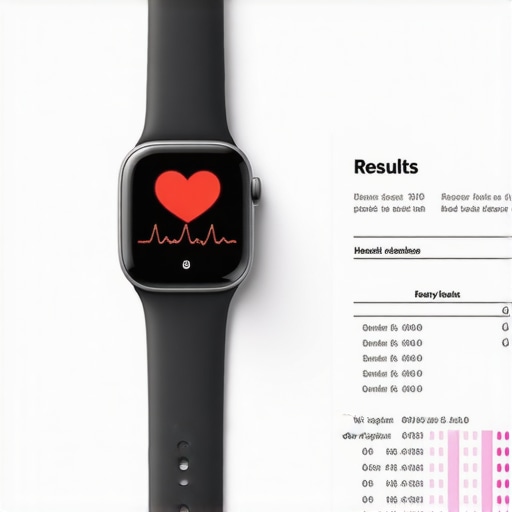
Skip the Waiting Room with Virtual Consults
Once you have your data and your lab results, do not let them sit in a portal for three weeks while you wait for an in-person appointment. I used to think I needed to sit in a physical office to get a real answer, but telehealth innovations have completely changed that dynamic. When my tracker showed a sudden spike in stress and my lab work suggested a minor immune flare-up, I hopped on a video call from my kitchen. Within fifteen minutes, I had a plan. This is especially helpful for things like the 5-minute virtual move for getting your prescriptions refilled or adjusting a supplement protocol based on your new data.
Use Data to Time Your Preventive Care
Your wearable is excellent at identifying when your immune system is under fire. If I see my HRV drop significantly, I know my body is busy fighting something off. This is the perfect time to ensure your baseline defenses are up to date. Whether you are looking at boost your immunity with expert vaccination tips or checking if you are due for a booster, your data can guide the timing. I remember a specific instance where I was planning a trip and my tracker showed I was perfectly recovered—that was the day I went in for my travel shots to ensure my body could handle the immune response without being already run down. Understanding why adult tetanus boosters are more important than you think is part of this proactive approach; don’t wait for an injury to check your records.Most people think that if their lab report doesn’t have a red flag or an ‘H’ for high, they are in the clear. I used to believe that too. But here is the contrarian truth: ‘Normal’ is just the average of everyone else who went to that lab, most of whom were already sick or symptomatic. If you want to optimize your health, you need to look for ‘optimal’ ranges, not just ‘normal’ ones. For instance, why regular lab tests are critical for your wellness journey is that they establish your personal baseline. According to a study in the Journal of Laboratory Medicine, reference intervals are often based on a population mean that doesn’t account for individual physiological shifts. This is why understanding lab tests requires looking at the trajectory of your data over time rather than a single snapshot.
Does My Supplement Routine Mess With My Results?
One of the biggest ‘oops’ factors I see—and one I fell for—is not accounting for what you put in your body the week before the draw. For example, why your vitamin b12 results might be misleading if you take certain supplements is a common trap for high-performers. Biotin is another huge culprit; it can skew thyroid and even heart-marker tests significantly. If you are tracking markers like the specific blood marker that flags silent inflammation before it becomes a problem, you must be transparent with your provider about every pill you swallow. Have you ever had a lab result come back weird only to realize it was your morning smoothie? Let me know in the comments. 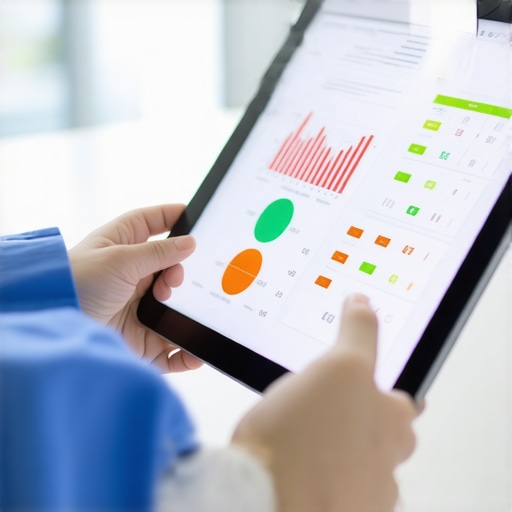 We often think of virtual visits as a ‘second-best’ option for when we’re too busy, but telehealth innovations actually provide a superior way to manage chronic data. When you are exploring the benefits of telehealth in managing chronic wellness, you realize that the continuity of care is much higher when you can check in for ten minutes every month rather than waiting for an annual physical. It is about the speed of adjustment. If your labs show a deficiency, the 5-minute virtual move for getting your chronic prescriptions refilled ensures you don’t lose momentum. Finally, let’s talk about the sophisticated way to handle immunity. Most people get a shot because the calendar says it’s time. But the pros use the essential lab tests you need for accurate vaccination planning to check titers first. Why get a booster if your immunity is already sky-high? Or conversely, why assume you are protected just because you had the shot years ago? This is especially true for why the chickenpox vaccine matters even if you had the virus as a child. It’s about precision, not just checking a box.To move from reactive worrying to proactive management, you need a system that survives the ‘honeymoon phase’ of a new gadget. I personally stopped relying on the shiny apps that come with wearables and moved my data into a dedicated health dashboard. I use a customized Notion template where I manual-entry my quarterly lab results alongside my monthly wearable averages. Seeing my inflammatory markers like C-Reactive Protein plotted right next to my sleep quality data was a lightbulb moment for me. It transformed my health from a series of random events into a readable story. If you are just starting, why wellness checks are your first step to better health becomes incredibly clear when you see the gaps in your wearable data that only a needle and a vial can fill. This isn’t about being obsessed; it is about having a record that you actually own, rather than leaving it scattered across five different proprietary cloud services.
Get Your Lab Data Out of the Patient Portal
Most people leave their most valuable health information sitting in a clunky hospital portal that they only log into once a year. That is a wasted opportunity. According to the American Association for Clinical Chemistry (AACC), biological variation—the natural ‘noise’ in your blood markers—can fluctuate significantly, which means a single ‘normal’ result might actually be a red flag for you if it has shifted 15% from your personal baseline. I make it a rule to download every PDF and extract the raw numbers. When you have this history, how lab tests can detect hidden health risks early becomes a matter of spotting a line graph that is trending the wrong way long before it hits the clinical danger zone. 
How do I maintain this health momentum over time?
The secret is what I call ‘The Quarterly Calibration.’ Every three months, I look at my data and ask if my current habits are actually moving the needle. If I have been taking a new magnesium form to help with sleep, I don’t just ‘feel’ if it is working; I check the specific markers that prove your exercise routine is actually working and compare them to my deep sleep trends. This keeps me from wasting money on supplements that aren’t doing anything. For those managing more complex issues, exploring the benefits of telehealth in managing chronic wellness allows you to share these dashboards with a provider who can help you interpret the trends in real-time. I predict that in the next five years, we will see ‘digital twin’ technology where we can simulate how a specific personalized vaccination schedule or dietary change will impact our biomarkers before we even commit to them.
Don’t Ignore the Annual Defense Check
While we focus on the daily numbers, don’t let your ‘immune software’ go out of date. I use a simple digital calendar alert to remind me when I’m due for titers or boosters. Instead of guessing if I’m still protected, I use maximize your health combining vaccinations and lab testing strategies to ensure my antibodies are where they need to be. It’s a much more clinical, precise way to live. My challenge for you this week: pick one lab marker you’ve been curious about—maybe your Vitamin D or Ferritin—and book a fast, convenient wellness access consultation to get it tested. Stop wondering and start knowing.
The One Mistake That Cost Me Six Months of Heart Health
If I could go back and whisper in my ear three years ago, I would say this: the watch is a storyteller, but the blood work is the truth. I spent months worrying about poor recovery while my actual iron levels were tanking, something no infrared sensor could ever detect. Here are the lightbulb moments that finally stuck: clinical context always beats app emojis. A red battery icon on your phone isn’t a medical diagnosis, so always cross-reference trends with preventive wellness checks. Remember that bio-individuality is real; your normal heart rate might be someone else’s high, which is why regular lab tests are critical for your wellness journey. Finally, telehealth is your speed-pass. You don’t have to wait for an annual physical to adjust your life; use telehealth innovations to pivot your routine the moment the data stays wonky for more than a week.
My Personal Health Strategy Toolkit
I do not just rely on what the manufacturers give me. To stay truly proactive, I use three specific pillars. First, I maintain a private digital ledger to track my 7 markers in your blood work that actually predict longevity. Second, I rely on the American Association for Clinical Chemistry resources to double-check what specific ranges actually mean for my age group. Third, I keep a shortcut on my phone for fast convenient wellness access so I can talk to a professional before my anxiety spirals into a Google-induced panic. #IMAGE_PLACE_FINAL#
Reclaiming Your Calm in a World of Beeps and Buzzes
Your heart is more than a data point on a graph. It is a living, breathing engine that thrives on consistency and care, not just constant monitoring. By shifting your focus from the daily noise to the quarterly clinical signal, you regain control over your well-being. Don’t be afraid to take off the watch for a day and just listen to your body instead. When you combine that intuition with wellness checks that are your first step to better health, you aren’t just surviving the day; you are mastering your long-term vitality. Have you ever felt more stressed after looking at your health data than you did before? Let me know in the comments below!