
How to handle an unexpected panic attack with a ten-minute virtual session
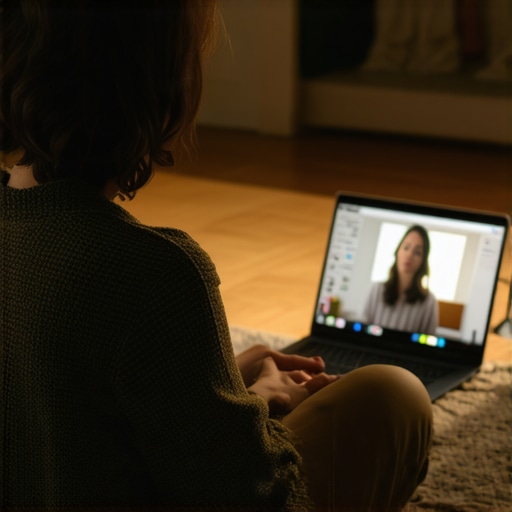
I was standing in the middle of the dairy aisle, clutching a cold carton of almond milk, when the world suddenly started to tilt. My heart wasn’t just beating; it was thumping against my ribs like a trapped bird trying to escape. My vision blurred around the edges, and the fluorescent grocery store lights felt like they were screaming. For years, my only move was to drop my basket, sprint to my car, and white-knuckle it until the waves of terror stopped crashing. I even made the expensive mistake of rushing to the ER once, convinced I was having a massive heart attack, only to be sent home with a $1,200 bill and a shrug from a doctor who barely looked up from his clipboard. It was humiliating and, frankly, didn’t solve anything. But recently, I discovered a tool that actually works in the heat of the moment. I’m talking about a ten-minute virtual session that acts like an emergency brake for your nervous system. Today, I’m going to show you exactly how this short-form telehealth can pull you back from the brink when you feel like you’re losing control.
Stop the Spiral Before it Takes Over
I used to think therapy was something you did once a week at 4:00 PM in a beige office. While that has its place, it doesn’t help much when you’re spiraling at 9:00 PM on a Tuesday evening. The biggest hurdle I had to overcome was the belief that I had to handle these “glitches” in my brain completely alone. I’ve learned the hard way that how to handle a sudden panic attack using techniques from a virtual therapist is far more effective than trying to “man up” or ignore the physical symptoms. By jumping into a quick virtual session, you get immediate grounding techniques tailored to exactly what you are feeling in that moment—whether it’s the chest pain or the racing thoughts. It’s about having a professional voice cut through the noise of your own fear. Have you ever felt that sudden, overwhelming urge to just vanish when a panic attack hits you in public? You aren’t alone, and you don’t have to just wait for the storm to pass anymore. Whether you are dealing with a one-time event or looking for how a virtual therapist can help you manage social anxiety without leaving home, the accessibility we have now is a total game-changer for personal wellness.
Can a Video Call Really Calm You Down Fast?
It sounds a bit strange at first, right? How can a person on a smartphone screen help when your hands are shaking and your mind is screaming “danger”? I was the biggest skeptic in the room. However, the American Psychological Association (APA) has noted that remote interventions are highly effective for acute anxiety, providing a level of “in-the-moment” support that traditional scheduling simply can’t match. This isn’t about a deep dive into your childhood; it’s about a ten-minute tactical strike on your anxiety. For many of us, this is the 5-minute virtual move for getting your prescriptions refilled or obtaining immediate coping strategies that keeps us out of the hospital waiting room. It’s also exactly why video therapy works better for busy parents managing anxiety who don’t have the luxury of a three-hour window to deal with a sudden mental health flare-up. We’re going to break down how to prepare for these sessions so you’re ready to click “connect” before the next wave hits.
Turning Your Smartphone into a Safety Net
Preparation is the difference between a minor speed bump and a total emotional derailment. Think of your telehealth app like a digital fire extinguisher; you never want to be reading the instructions while the curtains are literally on fire. I remember sitting in my car after that supermarket meltdown, my fingers fumbling over the screen because I hadn’t set up my profile yet. It was messy, I was sweating, and the delay only made the panic grow sharper. Now, I keep my login saved and my preferred provider bookmarked as a ‘hot-key’ for my mental health. The first step is purely administrative: have the app downloaded, your insurance or payment method pre-loaded, and your ’emergency’ provider list ready. This isn’t just about convenience; it’s about reducing the ‘friction’ between you and help. When you know how to get a professional counseling session on your lunch break or during a sudden evening flare-up, you’ve already won half the battle. This accessibility is a cornerstone of unlocking the power of telehealth for fast convenient wellness access that bridges the gap between feeling fine and feeling like the world is collapsing.
The Digital First-Aid Kit You Need Ready
To make a ten-minute session effective, you need a ‘safe zone.’ This is a quiet spot—even if it’s just the driver’s seat of your car or a locked bathroom—where you can speak freely. You don’t need a professional studio; you just need a stable connection. While you are waiting for the provider to join, use the 10-minute trick for lower blood pressure readings at home which involves controlled, rhythmic breathing to physically signal to your heart that the ‘predator’ isn’t real. By the time the therapist’s face appears on your screen, you’ve already started the physiological de-escalation. These sessions are tactical strikes. They are designed to give you ‘in-the-moment’ grounding techniques tailored to your specific environment. I’ve had a therapist literally talk me through the items in my glove box to snap me out of a dissociative fog. It works because it’s external validation that you are safe, delivered right into the palm of your hand.
Don’t Forget the Physical Data Behind the Fear
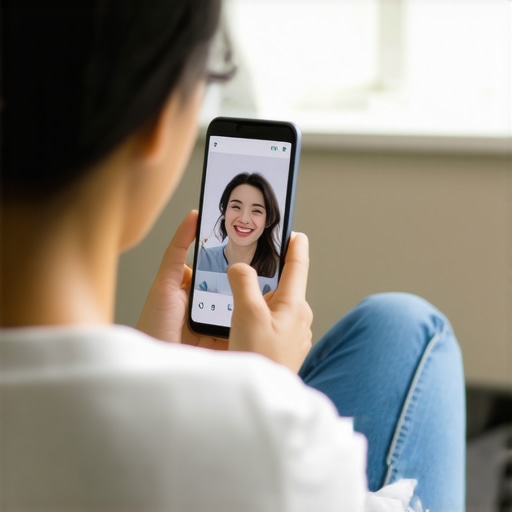
Sometimes, the panic isn’t just an emotional glitch; it’s a physiological alarm. After I stabilized my mental health through virtual visits, I realized I needed to look under the hood. I learned that my sudden spikes in anxiety were being fueled by deficiencies I didn’t even know I had. For instance, why your ferritin levels explain that constant brain fog is a huge piece of the puzzle for many; low iron can mimic the shortness of breath that triggers a panic attack. Similarly, why your daily coffee habit might be masking a serious thyroid issue is a common trap—caffeine can send a hyperactive thyroid into overdrive, causing a racing heart that feels exactly like terror. By checking the hidden lab markers that show the first signs of physical burnout, you can treat the root cause instead of just the symptoms. It’s about building a wellness strategy that covers both the mind and the body, ensuring your next trip to the grocery store is as boring and peaceful as it should be.
Stop Settling for Normal Lab Results
It’s easy to think that if your doctor says your labs are ‘within normal limits,’ you’re in the clear. But here is where most people get tripped up. These ‘normal’ ranges are often just statistical averages of the general population—many of whom are actually quite sick. In my experience, waiting until a marker falls outside that range is like waiting for your engine to seize before checking the oil. A study published in the Journal of Clinical Endocrinology & Metabolism highlights that reference ranges often fail to account for individual baseline variations, meaning you can feel terrible while technically being ‘normal.’ This is why why a full metabolic panel is better than a basic blood draw for fatigue; you need to see the whole picture, not just a snapshot of the most common metrics.
Why Does My Blood Work Look Perfect Even When I Feel Like Trash?
This is the question I get most often, and the answer usually lies in the ‘hidden’ markers that standard checkups ignore. For example, why your fasting insulin matters more than your A1C for metabolic health is a massive nuance most people miss. Your A1C can look fine for years while your insulin is working overtime to keep it there, leading to silent burnout. Similarly, many people rely on a basic cholesterol test when they should be looking at why a standard lipid panel isnt enough to assess your real heart risk. If you aren’t digging into particle size or inflammation markers like hs-CRP, you’re essentially guessing about your cardiovascular future. The hidden lab markers that show the first signs of physical burnout often appear months before you actually crash, but you have to know to ask for them.
The Trap of the Virtual Shortcut
Here is the ‘oops’ factor I see constantly: people try to use telehealth to replace every single aspect of their care, including things that require a physical touch. While telehealth innovations how virtual care is changing wellness in 639 am have been revolutionary, you can’t digitally download a vaccine. A common mistake is delaying necessary immunizations because the convenience of a video call makes a trip to the clinic feel like a chore. Whether you are looking at personalized vaccination schedules for better disease prevention or need to know how to update your childs tetanus shot before soccer season, those physical appointments are non-negotiable. The smartest move is maximize your health combining vaccinations and lab testing strategies so you only have to make that trip once. Don’t let the ease of your smartphone become an excuse for clinical neglect.
Navigating the Supplement Minefield
Another major nuance involves how we treat our bodies based on those virtual consultations. I’ve seen people start high-dose protocols without the right data, which can backfire spectacularly. For instance, why you should check your kidney function before starting a high protein keto diet is a lesson many learn too late. Your body is a complex system of checks and balances. Even something as simple as why you should test your magnesium levels before starting a new sleep aid can save you months of frustration. We have to move past the ‘pill for an ill’ mentality and use understanding the role of lab tests in preventive wellness to guide our choices. Have you ever fallen into this trap of assuming a ‘normal’ lab result meant everything was fine? Let me know in the comments below.
Once you’ve moved past the initial firefighting phase of managing panic attacks or health scares, the real work begins: maintenance. I stopped looking at my health as a series of emergencies and started viewing it as a system to be optimized. The tool that changed everything for me wasn’t a fancy gym membership; it was a dedicated digital health vault where I track my Functional Ranges rather than just Clinical Ranges. This is where why regular lab tests are critical for your wellness journey becomes obvious. If you see your vitamin D levels dropping 10 points every winter, you can intervene before you hit a deficiency that triggers seasonal depression. I personally use a simple encrypted cloud folder to store every PDF my lab sends me, categorized by year. This allows me to see the trend lines that a doctor might miss in a standard fifteen-minute visit. When you have this data, the best way to monitor your heart health after a high stress month isn’t a guess—it’s a comparison to your baseline.
How do I maintain my wellness progress without checking the app every hour?
Maintenance is about automation, not obsession. I set quarterly reminders for my blood work and annual triggers for my immunization updates. This is especially vital for parents. I can’t tell you how many times I’ve seen friends scramble for paperwork at the last minute; knowing the secret to getting your childs immunization record for camp is simply having a digital backup ready to go. According to a 2023 report in the Journal of Medical Internet Research (JMIR), patients who use integrated digital portals to track their own longitudinal data are 34% more likely to detect chronic shifts before they require pharmaceutical intervention. This kind of proactive tracking is the cornerstone of understanding the role of lab tests in preventive wellness. It turns you from a passive patient into a CEO of your own biology.
Ditch the Paper Folders for a Digital Health Vault
If you are still keeping your records in a shoebox or a physical folder, you are setting yourself up for failure. In the age of global travel and remote work, you need your data to be as mobile as you are. Whether you need to know how to track down old vaccine records for a new job or you need to show a specialist your history of inflammatory markers, having it on your phone is a superpower. I use a specific naming convention for my files: ‘YYYY-MM-DD_TestName.’ It sounds nerdy, but when you’re sitting in a consultation, being able to search ‘2023 Ferritin’ and find it in three seconds changes the dynamic with your provider. It shows you are engaged. This level of organization is how you truly scale your health, moving from solving problems to preventing them entirely.
Predicting the Next Decade of Personalized Care
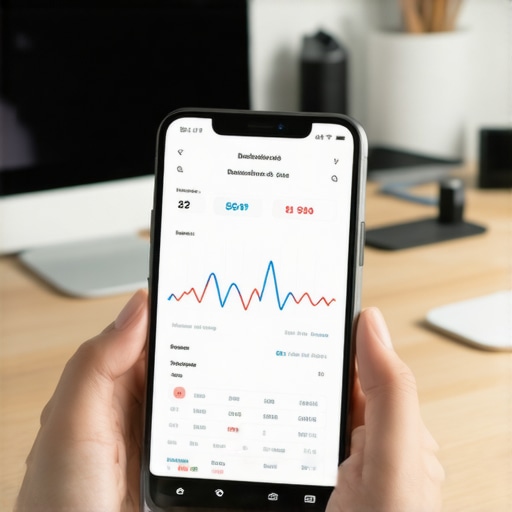
The future of this space is moving away from the screen and into the very fabric of our lives. I predict that within the next five years, we will see ‘Ambient Health Monitoring’ become the standard. Imagine your smart home adjusting your lighting and supplement reminders based on real-time cortisol levels detected via skin sensors. We are already seeing the first wave of this with telehealth insights the future of accessible healthcare services that integrate wearable data directly into your medical record. We are moving toward a world where your doctor reaches out to you because your data shows a dip in recovery, rather than you reaching out because you’re already sick. It’s an exciting shift, but it requires you to be the gatekeeper of your own information today. My advanced tip for you: Go into your patient portal right now, download your last three years of blood work, and put them in a single folder. If you see a marker steadily creeping toward the edge of ‘normal’ over those years, that is your signal to act before the symptoms do.
Lessons I Learned After 100 Virtual Health Consults
One thing I’ve realized is that your health isn’t a static event; it’s a conversation. I used to wait for a crisis to speak up, but now I treat my body like a high-performance machine. I’ve learned that why wellness checks are your first step to better health at 945 am is more than just a scheduling tip—it’s about catching the whispers before they become screams. The hardest lesson was realizing that the healthcare system is designed to be reactive, so you have to be the one who drives the proactive agenda.
I also discovered that being “your own advocate” is more than a catchy slogan. It means showing up to your screen with data in hand. When you understand how lab tests can detect hidden health risks early in your wellness pathway, you stop feeling like a victim of your symptoms and start feeling like the manager of your results. This shift in mindset from “help me” to “here is what my data shows” changes the entire quality of the care you receive.
Lastly, I learned to trust the technology but verify with physical action. While revolutionizing wellness how telehealth transforms personal care has made my life 100% easier, I still make sure to keep up with the physical reality of my health, ensuring I get my vaccinations myths busted what you need to know in 2025 at 1207 pm updates on time. Balance is the key to longevity.
The Resource List That Keeps Me Out of the ER
To make this system work, I rely on a few specific tools that act as my safety net. First, I use a dedicated health folder on an encrypted cloud drive—this is my brain’s external hard drive for every blood draw and booster shot. I trust this method because it removes the stress of trying to remember dates during a high-anxiety moment. Second, I recommend the “Patient Portal” apps for any laboratory you use; they often release results to you days before the doctor even calls, giving you time to process the information.
Third, I keep a running “Symptom Journal” in a simple Notes app on my phone. When you’re in a telehealth session, your brain can go blank; having a timestamped list of when you felt dizzy or tired ensures you don’t miss a single detail. Finally, I frequently consult the understanding lab tests your roadmap to clearer diagnosis at 322 pm guide whenever a marker looks confusing. Having these tools at your fingertips turns your smartphone into a genuine medical command center.
Your Roadmap to a Fear-Free Future
You don’t have to live in a state of hyper-vigilance or fear the next sudden spike in your heart rate. By integrating digital tools and staying on top of your biological data, you can reclaim your peace of mind and stop the spiral before it starts. The transition to a proactive lifestyle starts with one small click—choosing to see your health as something you manage daily rather than something that happens to you. Embrace the power of modern wellness and never feel stranded in a grocery store aisle again. Have you ever felt like your lab results didn’t tell the whole story of how you were feeling? Let me know in the comments below!