
How to read your own liver enzyme results without the medical jargon

I still remember the pit in my stomach when I opened my patient portal at three in the morning. There it was: a bright red ‘High’ next to ALT and AST. I didn’t even know what those stood for, but my brain immediately went to the worst-case scenario. I spent the next four hours spiraling down a rabbit hole of medical forums, convinced my liver was on its last legs. Looking back, that was the biggest mistake I could have made—treating a search engine like a specialist. Instead of getting clarity, I just got a massive dose of unnecessary anxiety and a very sleepless night. We’ve all been there, staring at a printout that looks more like a math equation than a health report. Today, I’m going to help you cut through that noise so you can actually sleep tonight.
Stop Panicking Over Those Bolded Numbers
The truth is, lab reports are designed for doctors to talk to other doctors, not for us regular folks to read over breakfast. When you see an elevation, it doesn’t always mean your liver is failing. In fact, why your liver enzymes might be high even if you dont drink is a topic I’ve become obsessed with because so many things can trigger a flag. Did you take a Tylenol for a headache? Did you have a grueling leg day at the gym? Both can send those numbers north. My goal is to give you the tools to look past the jargon and turn that confusing printout into a clear roadmap to a clearer diagnosis.
Is this just another way to make me worry?
It is totally normal to feel skeptical. We are constantly bombarded with ‘health alerts’ and new markers to track. But honestly, learning the basics of your own blood work is the best way to *stop* the worry. I used to think a slightly high result was a life sentence of bland food and zero fun. It turns out, your liver is incredibly resilient and often just needs a little lifestyle tweak rather than a total overhaul. Knowing your numbers is simply about being a partner in your care during your next wellness check.
The Real Reason Your Liver Might Be Screaming
One thing that shocked me during my own deep dive is how common liver stress actually is in our modern world. According to the American Liver Foundation, an estimated 100 million Americans now have Non-Alcoholic Fatty Liver Disease (NAFLD). That’s nearly one in three people! Most have no idea because they aren’t looking at the right indicators. Sometimes, the specific liver enzyme test your doctor probably skipped is actually the missing piece of the puzzle. Have you ever opened a lab report and felt that immediate ‘thump’ of dread in your chest? Drop a comment and tell me I’m not the only one who has spent a midnight session frantically searching the web.So, how do we move from ‘Internet-induced panic’ to ‘informed patient’? It starts with a shift in perspective. Think of your blood work like a dashboard on a car. One light flickering doesn’t mean the engine is about to explode; it just means something needs attention.
Take Control of Your Results with a Solid Plan
The first thing you need to do is realize that why regular lab tests are critical for your wellness journey isn’t about finding things wrong—it’s about establishing what is ‘right’ for you.
Demand a Better Explanation During Your Wellness Check
When you go in for your next wellness check, don’t just nod and leave. I remember a time when my glucose came back slightly high. Instead of letting the doctor move on to the next patient, I asked for the specifics. We realized I had a massive smoothie right before the fast began. By digging deeper, we found that why your morning smoothie might be causing your 3 pm slump was also contributing to those weird numbers. Be your own advocate.
Stop Thinking of Blood Work as a Pass/Fail Test
Your body is a dynamic system, not a static image. A single result is just a snapshot in time. To get the full picture, you need to be understanding the role of lab tests in preventive wellness as a long-term movie rather than a single photo. If you see an elevation, the next step isn’t just to worry—it’s to re-test in 30 days after making a small tweak. For instance, if your heart feels ‘fluttery’ and your labs are wonky, sometimes the one nutrient that stops your heart palpitations after coffee is simply magnesium or potassium, which can be easily monitored and adjusted. 
Get Fast Answers Without the Commute
One of the biggest hurdles to fixing those numbers is the friction of getting back to the clinic. This is where unlocking the power of telehealth for fast convenient wellness access changes everything. I used to put off follow-up labs because I didn’t want to take half a day off work. Now, I use video visits for things like why you dont need an in person visit for routine thyroid monitoring. You can review your results from your couch, ask the ‘dumb’ questions, and even handle the 5 minute virtual move for getting your chronic prescriptions refilled without ever finding a parking spot.
Watch Out for Hidden System Stressors
Finally, look at your routine. Sometimes high markers aren’t about disease; they’re about strain. Are you up to date on your shots? If you’re fighting off a low-grade infection because your immunity is low, your markers will reflect that. It’s worth checking if maximize your health combining vaccinations and lab testing strategies could provide the protection your system needs. I once had a patient whose inflammation markers were high simply because they were overdue for a booster and their body was working overtime. Always look at the big picture: diet, stress, and preventive care like why adult tetanus boosters are more important than you think.Let’s dig deeper into a reality that most doctors are too rushed to explain: the ‘normal’ range on your blood work is often just an average of a sick population. Most people assume that if their numbers aren’t bolded, they are in the clear. However, laboratory reference ranges are typically calculated using a bell curve of the general population. According to research published in the Journal of Clinical Pathology, these ranges are designed to catch acute disease, not to define peak vitality. If you are aiming for high performance and longevity, being ‘average’ isn’t the goal. I’ve seen countless people struggle with exhaustion because they were told their iron was fine, when in reality, why your iron levels might be low even if you eat plenty of red meat was the missing link to their fatigue.
The Dangerous Myth of the Pass-Fail Lab Report
Everyone says you just need to stay within the lines, but in my experience, the trend is more important than the threshold. If your glucose was 85 last year and it’s 98 today, you are still ‘normal,’ but you are trending toward trouble. This is the ‘Oops’ factor most patients miss. They wait for a red flag instead of acting on a yellow one. This is why why regular lab tests are critical for your wellness journey; they allow you to see the direction your health is moving before a crisis occurs. Have you ever fallen into this trap of being told everything is ‘fine’ even though you felt terrible? Let me know in the comments.
Why do my results stay ‘normal’ even when I feel like garbage?
Often, it is because the standard panels are too broad. For example, a basic TSH test might look perfect while you are actually suffering from a conversion issue that only a full panel would catch. Learning how to read your thyroid panel like a specialist can be life-changing. We also frequently see patients whose why your vitamin b12 results might be misleading if you take certain supplements because high blood levels don’t always mean the nutrient is actually getting into your cells. 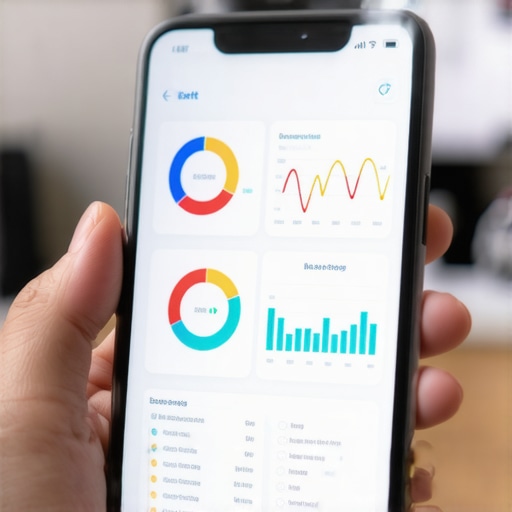
Modern Tools for a More Nuanced Approach
One of the biggest mistakes people make is thinking that deep-dive health monitoring requires a dozen trips to a sterile waiting room. It doesn’t. We are seeing a massive shift where telehealth innovations how virtual care is changing wellness by allowing for more frequent, data-driven check-ins. This is especially true for complex needs like the essential lab tests you need for accurate vaccination planning. Instead of guessing if you need a booster, a quick titer test reviewed via a video call can confirm your actual immunity status. By maximizing your health combining vaccinations and lab testing strategies, you stop the guesswork. Don’t settle for ‘normal’ when you can achieve ‘optimal.’ Use the tools of unlocking the power of telehealth for fast convenient wellness access to get a second opinion on those numbers and finally start feeling like yourself again.
I used to keep all my lab results in a literal shoebox, which was about as effective for my health as a screen door on a submarine. If I wanted to see how my cholesterol had changed over three years, I had to play a high-stakes game of ‘find the crumpled paper.’ This is the first thing you have to fix if you want long-term results: you need a digital home for your data. I personally recommend using an aggregator that supports the HL7 FHIR (Fast Healthcare Interoperability Resources) standard. As noted by the Office of the National Coordinator for Health Information Technology (ONC), this technical framework is what allows different health systems to finally talk to each other. By using an app that pulls your data into one place, you can see the trends that your doctor might miss during a rushed ten-minute visit. This is how telehealth innovations how virtual care is changing wellness—it puts the power of the timeline back in your hands.
Ditch the Paper Folder for Digital Freedom
Once I moved my records online, I realized I was missing huge chunks of my history, especially vaccinations. I spent a week hunting down my old records just to prove I didn’t need a booster. Save yourself the headache and learn how to track down old vaccine records for a new job or travel before you actually need them. Once they are digital, you can share them instantly during a video call. This level of organization is the baseline for managing chronic wellness. It turns you from a passive passenger into the pilot of your own health journey.

Stop Flying Blind Between Annual Checkups
The biggest mistake people make is treating their health like a ‘set it and forget it’ crockpot. They get their labs once a year, feel relieved, and then ignore their body for the next 364 days. In my experience, the real magic happens in the micro-adjustments. I use a smart blood pressure cuff and a simple glucose monitor once a week. This data allows me to find the easiest way to manage heart health markers between scheduled doctor visits. If my pressure spikes, I don’t wait for next year; I use the 5 minute path to renewing blood pressure meds online or adjusting my protocol immediately.
How do I keep my health markers stable for the long haul?
Consistency is more important than intensity. Instead of a massive ‘detox’ once a year, focus on quarterly check-ins. I schedule a ‘mini-lab’ every three months to check my vitamin levels and basic metabolic markers. This is why why regular lab tests are critical for your wellness journey; they catch the drift before it becomes a crash. In the next five years, I predict we will see AI-driven platforms that don’t just show us our current numbers but actually predict where they will be in six months based on our sleep and activity data. We are moving from reactive medicine to proactive engineering.
My challenge for you today is simple: pick one marker you’ve been worried about—maybe it’s your iron, your thyroid, or your B12—and book a quick virtual consultation to establish a baseline. Don’t wait for the ‘bolded’ numbers to tell you there is a problem. Start building your digital health library now so you have the evidence you need to thrive.
Lessons Learned From Staring at My Liver Markers for Years
After years of navigating the medical system, I’ve realized that the biggest gap isn’t a lack of data—it’s a lack of context. Here are the lightbulb moments that changed my perspective on reading blood work:
- Context is king. A high reading in a vacuum means very little. I once panicked over a result that was actually just a temporary response to a heavy workout. Now I know why my body reacts the way it does.
- The range isn’t a rule. Being ‘normal’ doesn’t mean you are thriving. I learned to look for optimal levels, not just ‘within range’ levels that are based on a sick population.
- Knowledge kills anxiety. Once I learned how to interpret a high cortisol result without the panic, my stress levels dropped instantly. It turned a scary number into a manageable task.
Tools That Finally Made My Health Data Make Sense
#IMAGE_PLACEHOLDER_E#
You don’t need a medical degree to manage your stats. I personally use these resources to stay on track: First, a digital health tracker is non-negotiable. Being able to see five years of data in one graph reveals patterns no single visit can. Second, I rely on how to read your own lipid panel without a medical degree guides to stay informed before my appointments. Finally, I use telehealth insights the future of accessible healthcare services to get expert feedback without the travel time. These tools keep me proactive instead of reactive.
Take the Reins of Your Wellness Journey Today
Your health is the most valuable asset you own, and you deserve to be the expert on it. By understanding how lab tests can detect hidden health risks early in your wellness pathway, you aren’t just looking for problems; you are building a foundation for a long, vibrant life. Your next wellness journey starts with the very next test you take. If you’re feeling overwhelmed or just need a partner to help you decode those numbers, contact us to start building a plan that actually makes sense for your lifestyle. Have you ever felt like your doctor was speaking a different language during a lab review? Let me know your experience in the comments below!